
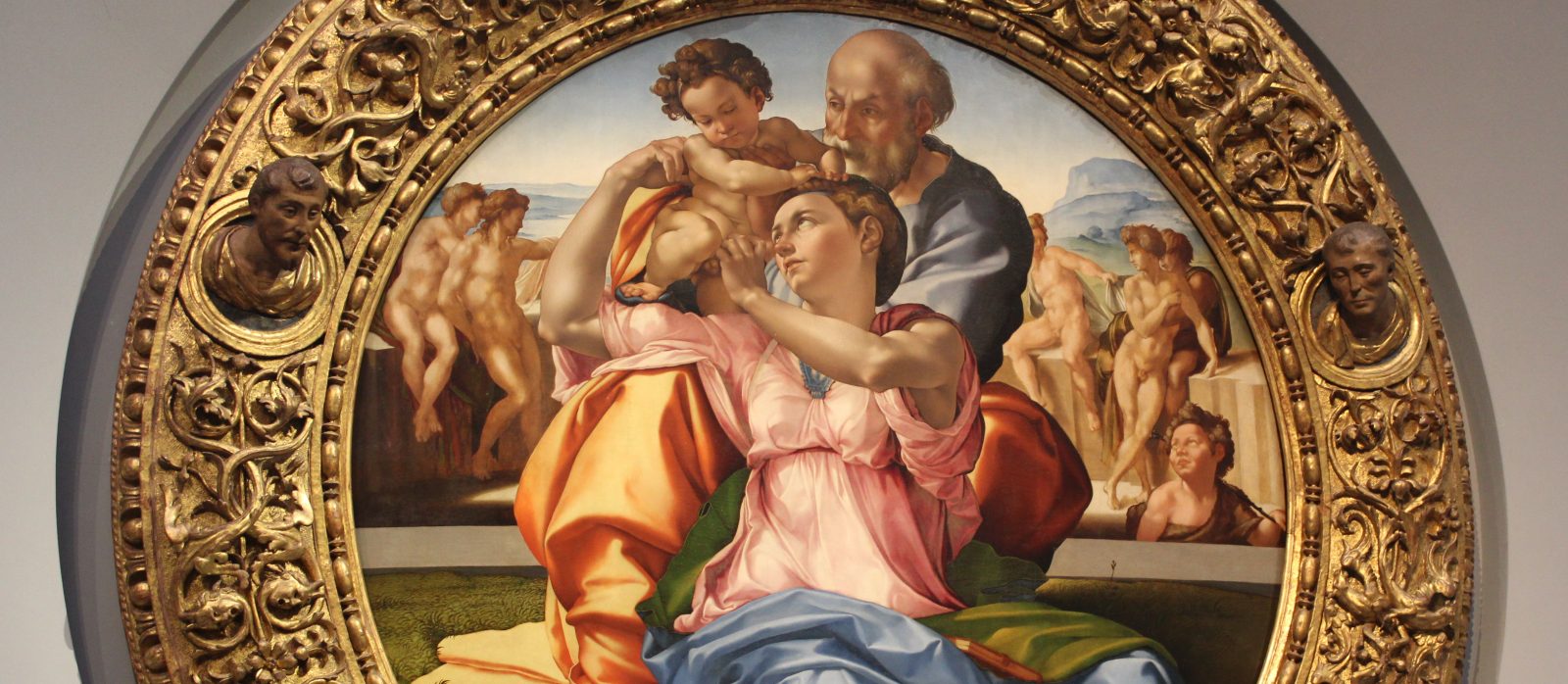
La Scultura del giorno: Enea, Anchise e Ascanio del Bernini
La scultura del giorno che vi propongo oggi è il gruppo di Enea, Anchise e Ascanio scolpito da Gian Lorenzo Bernini fra il 1618 e il 1619, quando l’artista aveva vent’anni.
Il soggetto proposto è ripreso dal libro dell’Eneide di Virgilio nel quale viene raccontata la fuga dei tre personaggi da Troia in preda alle fiamme. Sebbene l’opera si attenga a quanto narrato nel testo, non mancano le interpretazioni personali del Bernini.
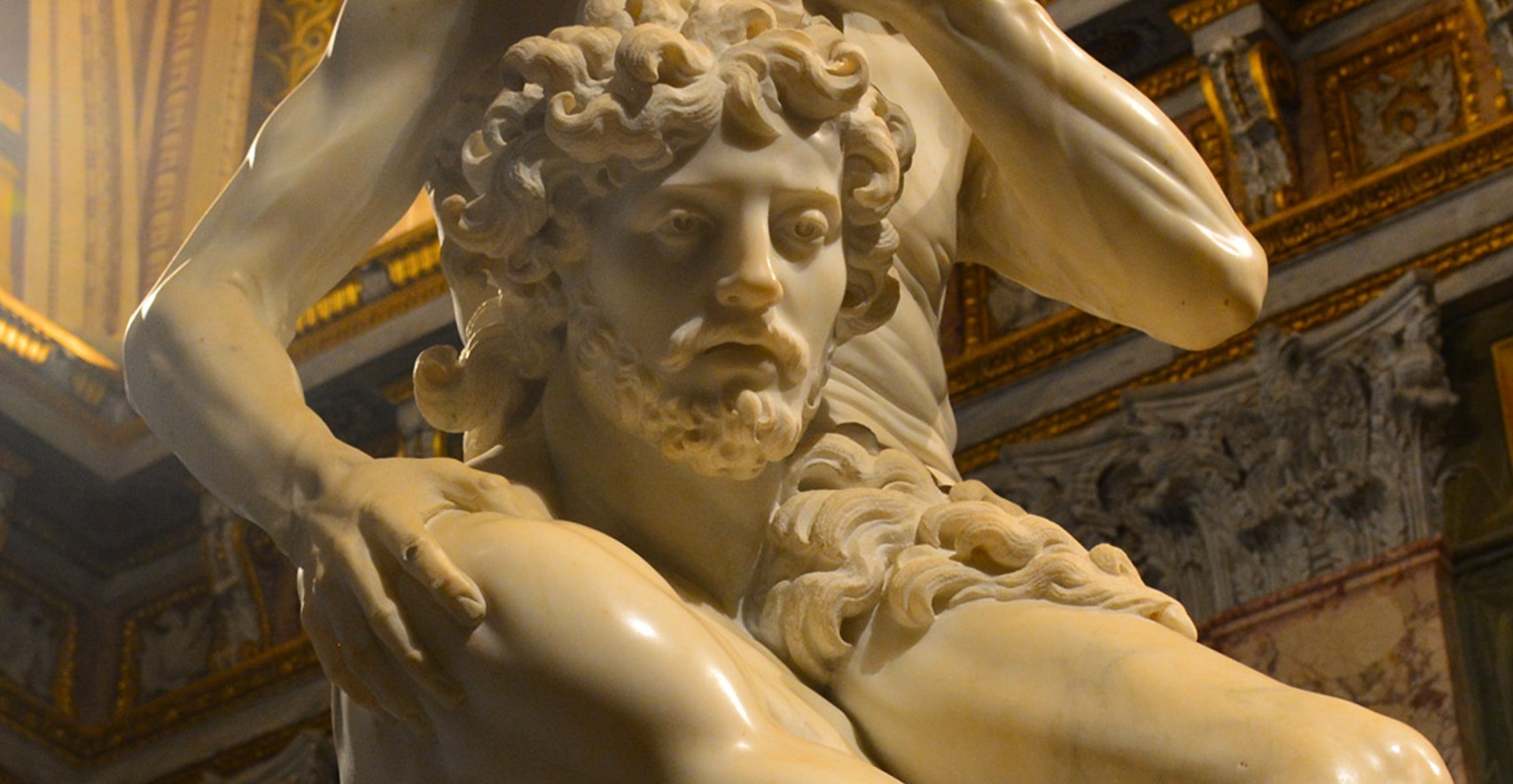
Enea porta sulle spalle il padre Anchise che oramai è paralizzato e non potrebbe scappare da solo. A sua volta Anchise tiene in mano un vaso contenente i Lari Tutelari, cioè gli antenati.
Segue a ruota Ascanio, figlio di Enea che stringe fra le mani l’eterno fuoco custodito nel tempio di Vesta che servirà per accendere una nuova esistenza a Roma.

Le tre diverse età dei protagonisti hanno consentito a Bernini di dare sfoggio al suo virtuosismo tecnico nella resa dei rispettivi corpi.
Mentre l’epidermide del bambino è levigata ma percettibile come morbida, quella di Enea è più turgida se paragonata a quella ricca di pieghe di Anchise.

Il gruppo di Enea, Ascanio e Anchise è il più datato dei quattro che il cardinale Scipione Borghese aveva commissionato all’artista e già dall’ottobre del 1619 era esposta nella villa di Scipione.
Dal 1888 si trova presso la Sala del Gladiatore della Galleria Borghese, a Roma.

Per il momento il vostro Michelangelo Buonarroti vi saluta dandovi appuntamento ai prossimi post e sui social.
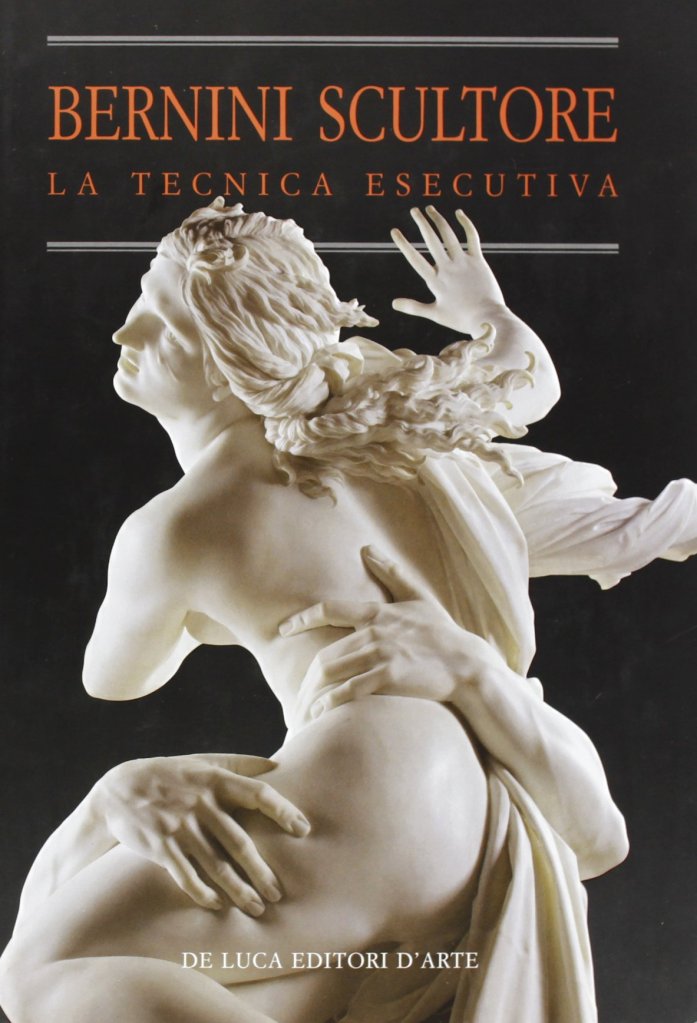
Sculpture of the day: Aeneas, Anchises and Ascanio by Bernini
The sculpture of the day that I propose to you today is the group of Aeneas, Anchises and Ascanius sculpted by Gian Lorenzo Bernini between 1618 and 1619, when the artist was twenty years old.
The proposed subject is taken from the book of Virgil’s Aeneid in which the escape of the three characters from Troy in flames is told. Although the work follows what is narrated in the text, there is no shortage of Bernini’s personal interpretations.
Aeneas carries his father Anchises on his shoulders who is now paralyzed and could not escape on his own. In turn, Anchises holds a vase containing the Tutelary Lares, that is, the ancestors. Following closely behind the two adults is Ascanius, son of Aeneas who holds in his hands the eternal fire kept in the temple of Vesta which will serve to light a new existence in Rome.
The three different ages of the protagonists allowed Bernini to show off his technical virtuosity in the rendering of their respective bodies. While the child’s skin is smooth but perceptibly soft, that of Aeneas is more turgid when compared to the richly folded skin of Anchises.
The group of Aeneas, Ascanius and Anchises is the oldest of the four that Cardinal Scipione Borghese had commissioned from the artist and had already been on display in Scipione’s villa since October 1619. Since 1888 it has been located in the Gladiator Room of the Borghese Gallery, in Rome.
For the moment, your Michelangelo Buonarroti greets you and will meet you in future posts and on social media.

Sostienici – Support Us
Se questo blog ti piace e ti appassiona, puoi aiutarci a farlo crescere sempre più sostenendoci in modo concreto condividendo i post, seguendo le pagine social e con un contributo che ci aiuta ad andare avanti con il nostro lavoro di divulgazione. . ENGLISH: If you like and are passionate about this blog, you can help us make it grow more and more by supporting us in a concrete way by sharing posts, following social pages and with a contribution that helps us to move forward with our dissemination work.
8,00 €
-
Gian Lorenzo Bernini: l’uomo che fece muovere il marmo
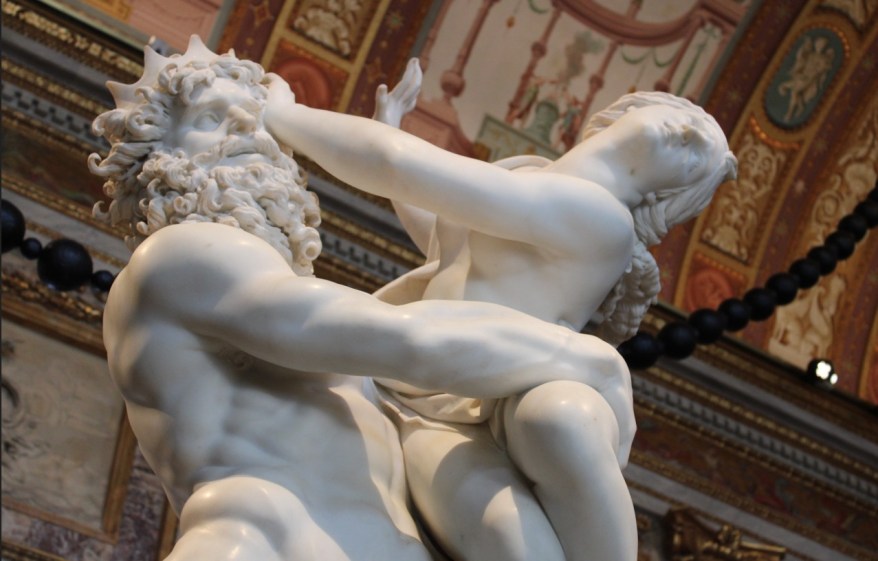
🇮🇹Davanti a una scultura di Gian Lorenzo Bernini, capita di avvicinarsi per osservare un dettaglio e ritrovarsi a seguire con lo sguardo l’intera scena. Una mano stringe una coscia, un volto si volta per sfuggire a uno sguardo, le dita si trasformano in foglie… 🇬🇧When standing before a sculpture by Gian Lorenzo Bernini, you might…
-
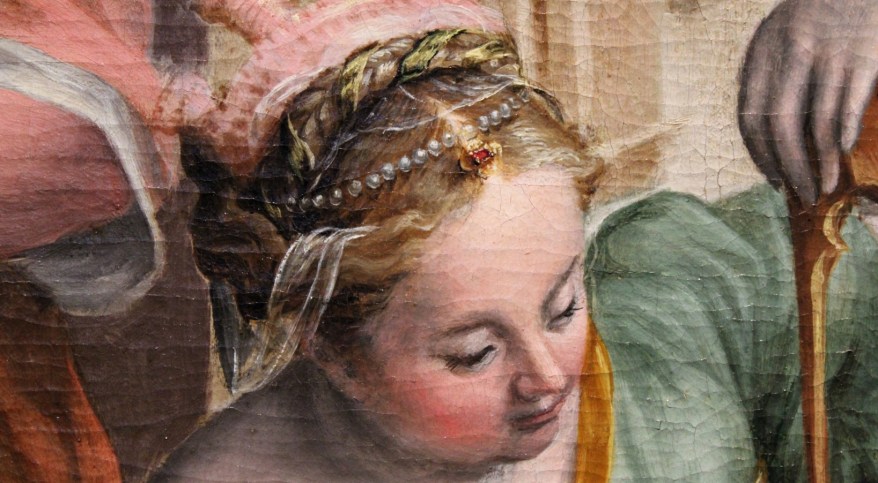
L’Allegoria della Geometria di Prospero Fontana: il dipinto attribuito per errore a Jacopo Coppi
🇮🇹L’Allegoria della Geometria, attribuita un tempo a Jacopo Coppi, è stata restituita a Prospero Fontana: storia, significato e segreti del dipinto… 🇬🇧The Allegory of Geometry, once attributed to Jacopo Coppi, has been reattributed to Prospero Fontana: the history, meaning, and secrets of the painting…
-
Il mio cuore prigioniero
🇮🇹Nei miei versi l’amore diventa tormento, prigionia e vita… 🇬🇧In my verses, love becomes torment, imprisonment, and life…
Condividi:


Questo sono io




sostienici

Sostienici – Support Us
Se questo blog ti piace e ti appassiona, puoi aiutarci a farlo crescere sempre più sostenendoci in modo concreto condividendo i post, seguendo le pagine social e con un contributo che ci aiuta ad andare avanti con il nostro lavoro di divulgazione. . ENGLISH: If you like and are passionate about this blog, you can help us make it grow more and more by supporting us in a concrete way by sharing posts, following social pages and with a contribution that helps us to move forward with our dissemination work.
€10,00


1 commento »