
La Scultura del giorno: papa Clemente X del Bernini
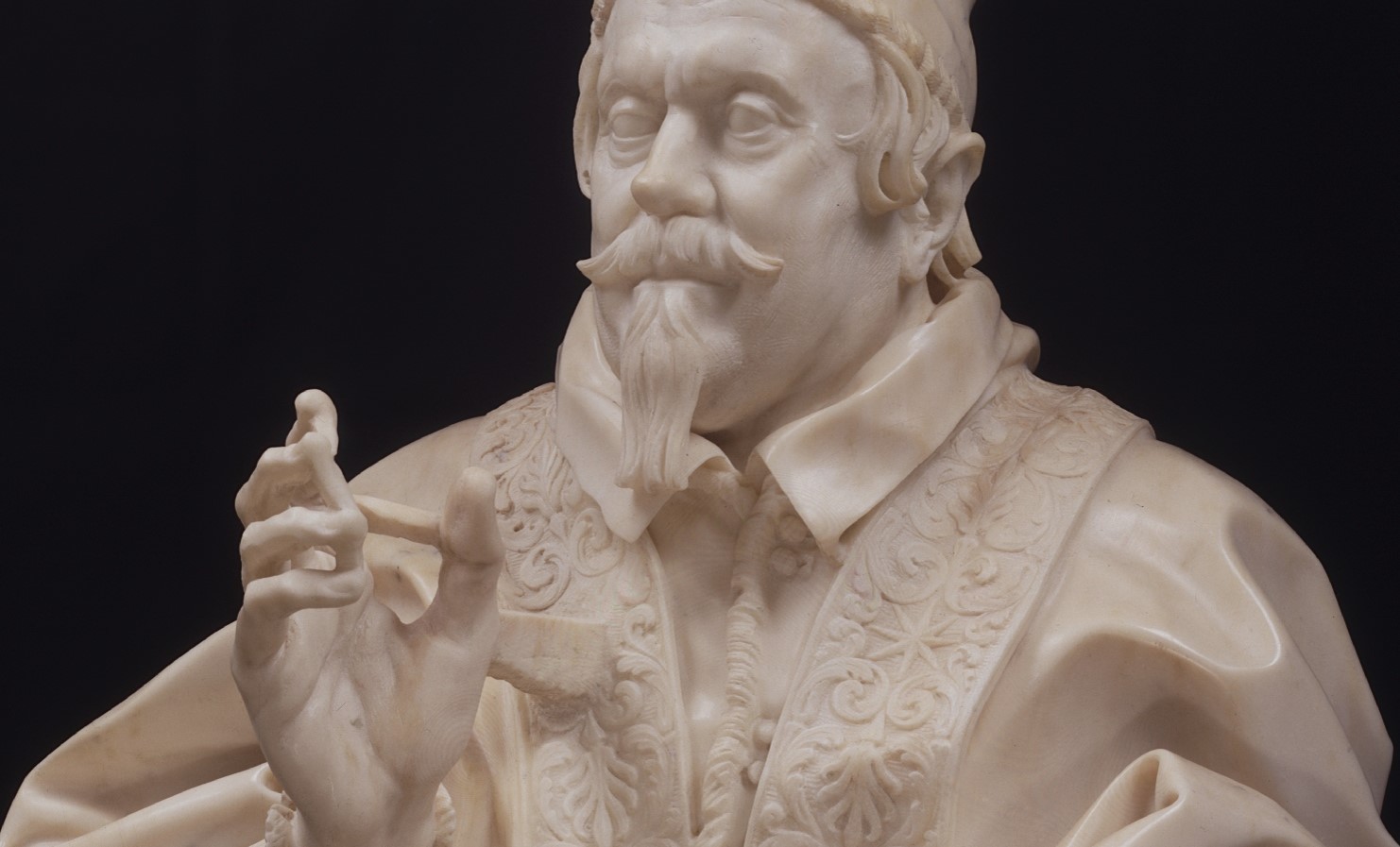
La scultura del giorno che vi propongo oggi è il busto che ritrae papa Clemente X Altieri scolpito da Gian Lorenzo Bernini tra il 1676 e il 1680 in marmo di Carrara.
Fu un Bernini oramai maturo e consapevole delle sue potenzialità quello che mise mano a tale opera. La mantella che copre le spalle al papa si arriccia in pieghe nette che dal petto vanno verso i lati.
Clemente X fu l’ultimo pontefice che Bernini immortalò in una scultura.
Sapete, il successore Innocenzo XI fu anch’esso ritratto dal Bernini tra le sue carte ma con una caricatura che di certo non gli rendeva merito e il papa non lo seppe mai.
La commissione
Non ci sono dati certi in merito alla commissione del busto di Clemente X al Bernini. Stando a quanto ipotizzato da Rudolf Wittkower, l’artista nel 1676 avrebbe dovuto realizzare tre busti.
Il primo sarebbe stato poi destinato a Paluzzo Paluzzi degli Albertoni, nipote del pontefice, un altro ritratto per l refettorio dell’Ospizio dei Convalescenti e un terzo, ovvero quello in questione, per la Biblioteca di Palazzo Altieri in Piazza del Gesù a Roma.
Mirabili dettagli
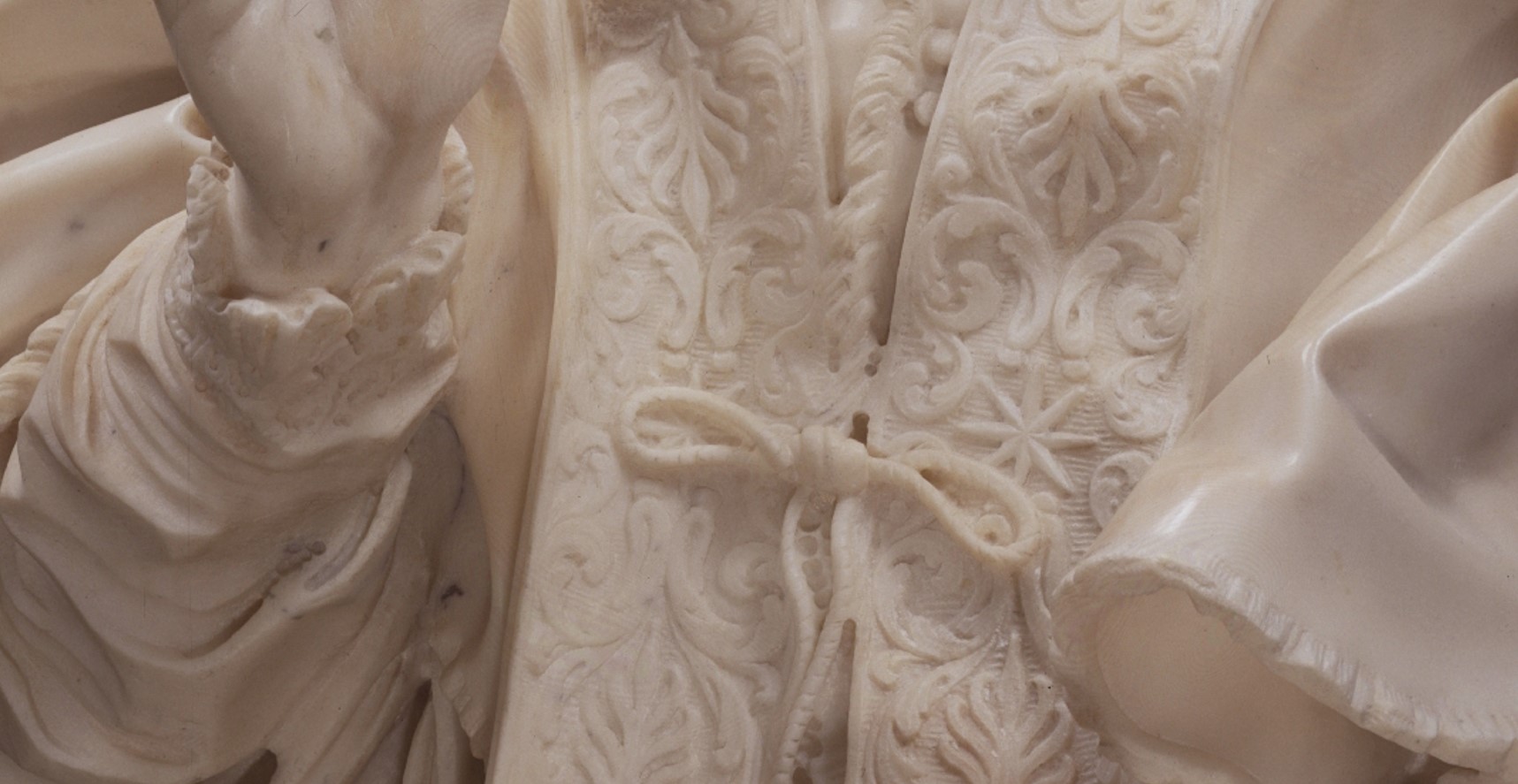
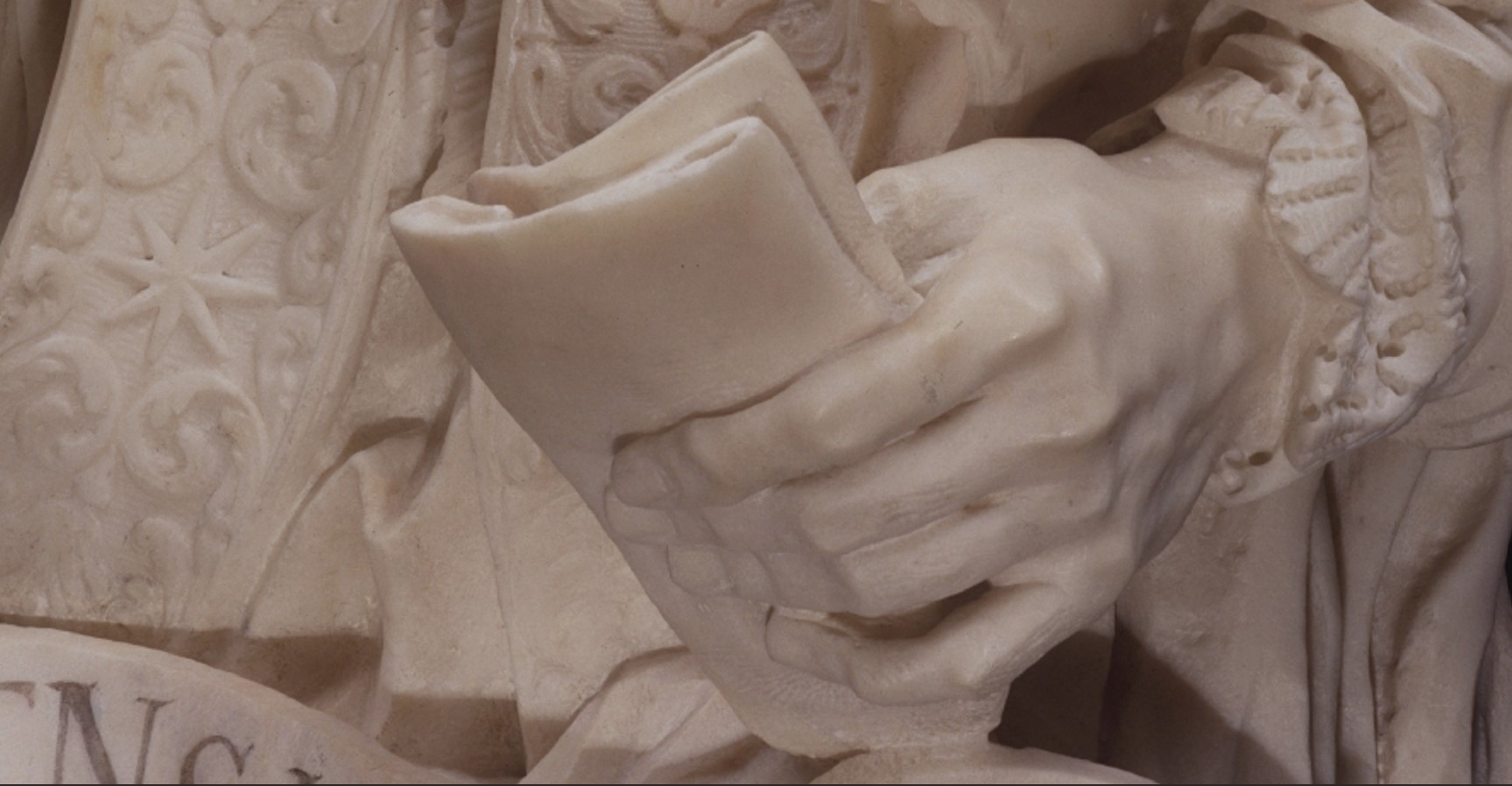
A sorprendere in questo capolavoro sono i dettagli a cui Bernini prestò particolare attenzione. Le maniche della veste che terminano con una gala di pizzo lavorata con il trapano di cui ancora si leggono nettamente i fori, i ricami in rilievo che decorano la mantella del pontefice e quelle mani nervose e nodose, con le vene ben evidenti.
C’è poco da fare: il Bernini fu un grande maestro nella lavorazione del marmo.
Un’opera non finita
Osservate con attenzione la mano levata del pontefice in atto di benedire. Ancora conserva i ponticelli di sostegno, ovvero dei tramezzi di marmo che ancora Bernini non aveva eliminato tra un dito e l’altro.
Si tratta di uno stratagemma adoperato tutt’oggi dagli scultori per evitare che durante la lavorazione dell’opera, a causa dei colpi inferti al marmo, le parti più aggettanti e fragili possano rompersi.
I ponticelli sono le ultime parti che vengono rimosse. Talvolta vengono lasciate fino alla collocazione definitiva di un’opera e rimossi in loco.
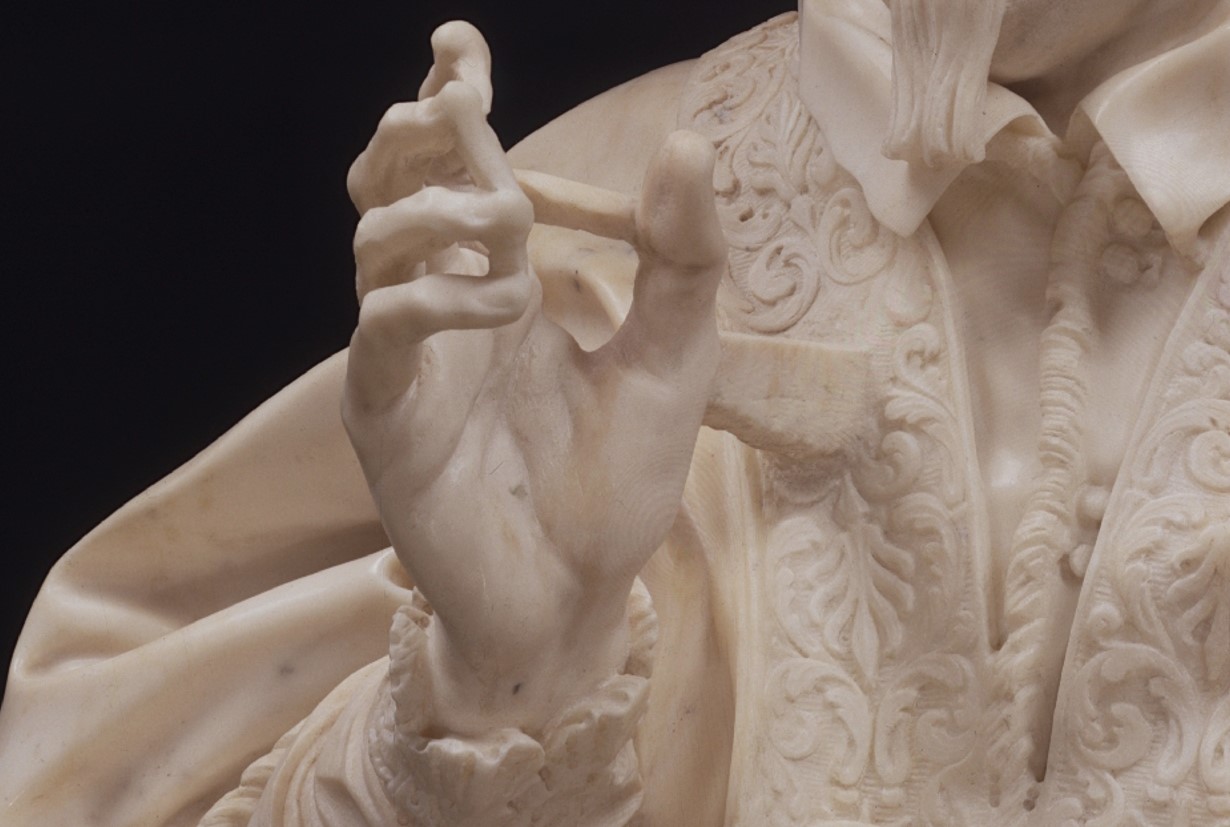
Bernini in quest’opera non realizzò nemmeno le pupille degli occhi facendo sembrare lo sguardo vuoto e nemmeno scavò le narici. Probabilmente consegnò l’opera non finita agli eredi del papa, deceduto nel 1676.
La collocazione originaria del busto
La monumentalità dell’opera fa presupporre fosse stata pensata per essere collocata un una posizione molto elevata da terra. Nel 1999 fu rinvenuta una nicchia posta al di sopra della scaffalatura della biblioteca di Palazzo Altieri, con molta probabilità destinata ad accogliere il busto di Clemente X Altieri.
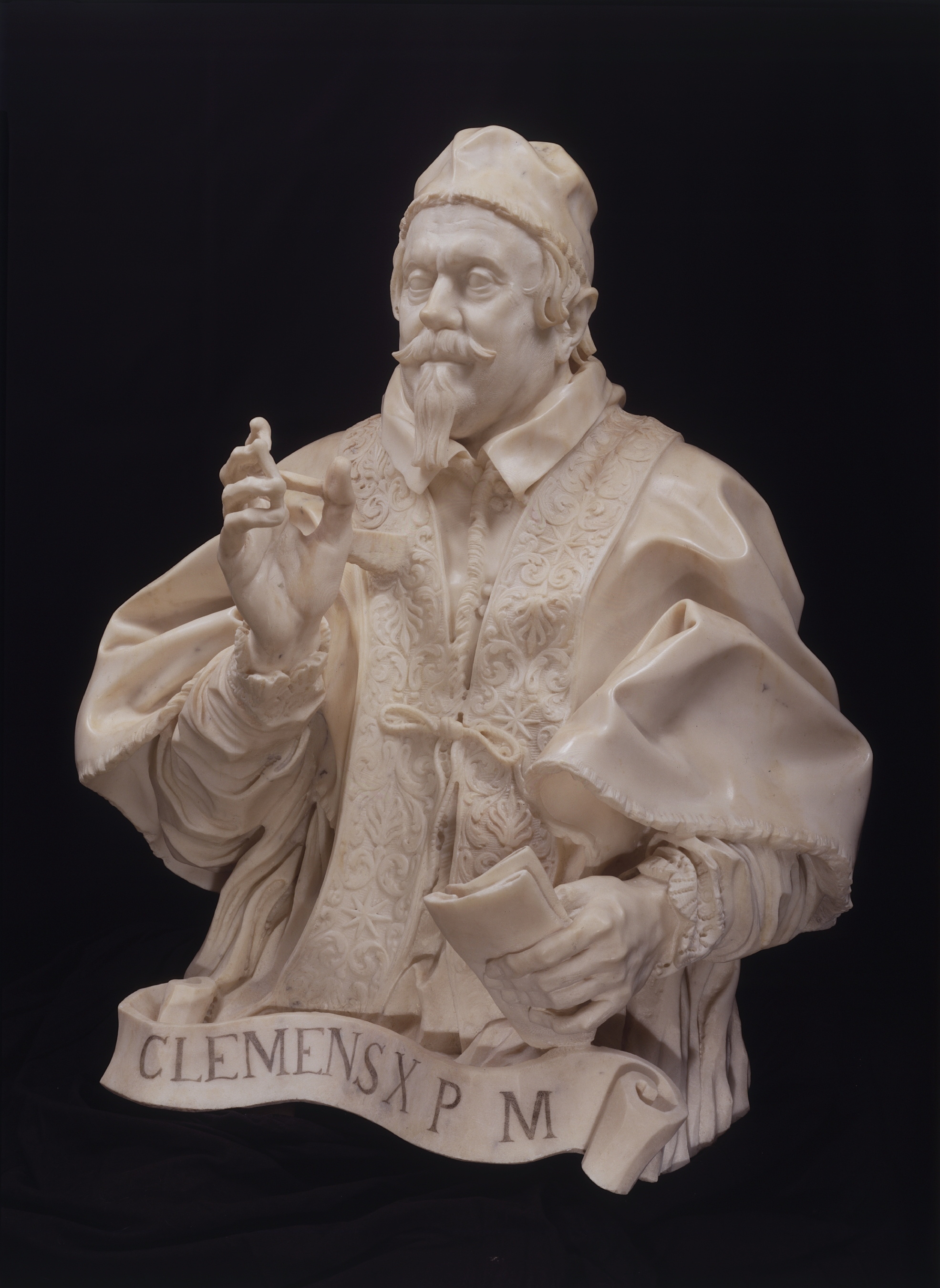
L’opera è custodita oggi nelle Gallerie Nazionali di Arte Antica a Palazzo Barberini e sarà una delle sculture protagoniste della mostra ‘Carlo Maratti e il ritratto. Papi e Principi del Barocco romano‘ che aprirà al pubblico il 6 dicembre.
Per il momento il sempre vostro Michelangelo Buonarroti vi saluta dandovi appuntamento ai prossimi post e sui social.
©Tutti i diritti sono riservati
Sculpture of the day: Pope Clement X by Bernini
The sculpture of the day that I propose to you today is the bust that portrays Pope Clement X Altieri sculpted by Gian Lorenzo Bernini between 1676 and 1680 in Carrara marble.
It was a mature Bernini and aware of his potential who began this work. The cloak that covers the Pope’s shoulders is gathered in sharp folds that go from the chest towards the sides. Clement X was the last pontiff that Bernini immortalized in a sculpture.
You know, his successor Innocent XI was also portrayed by Bernini among his papers but with a caricature that certainly did not do him credit and the Pope never knew it.
The commission
There is no certain data regarding the commission of the bust of Clement X by Bernini. According to what Rudolf Wittkower hypothesized, the artist should have made three busts in 1676.
The first would then have been destined for Paluzzo Paluzzi degli Albertoni, nephew of the pontiff, another portrait for the refectory of the Ospizio dei Convalescenti and a third, namely the one in question, for the Library of Palazzo Altieri in Piazza del Gesù in Rome.
Wonderful details
What is surprising in this masterpiece are the details to which Bernini paid particular attention. The sleeves of the robe that end with a lace ruff worked with a drill whose holes are still clearly visible, the embroideries in relief that decorate the pontiff’s cloak and those nervous and knotty hands, with clearly visible veins.
There is little to be done: Bernini was a great master in the working of marble.
An unfinished work
Look carefully at the raised hand of the pontiff in the act of blessing. It still has the support bridges, or rather marble partitions that Bernini had not yet eliminated between one finger and the other. This is a stratagem still used by sculptors today to prevent the most protruding and fragile parts from breaking during the work due to the blows inflicted on the marble.
The small bridges are the last parts to be removed. Sometimes they are left until the final placement of a work and removed on site.
In this work, Bernini did not even create the pupils of the eyes, making the gaze seem empty, nor did he hollow out the nostrils. He probably delivered the unfinished work to the heirs of the Pope who in the meantime, in 1676, had died.
The original location of the bust
The monumentality of the work suggests that it was intended to be placed in a very high position from the ground. In 1999, a niche was found above the shelving of the library of Palazzo Altieri, most likely intended to house the bust of Clement X Altieri.
The work is now kept in the National Galleries of Ancient Art at Palazzo Barberini and will be one of the sculptures featured in the exhibition ‘Carlo Maratti and the portrait. Popes and Princes of the Roman Baroque‘ which will open to the public on December 6.
For the moment, yours truly Michelangelo Buonarroti bids you farewell and will see you in the next posts and on social media.
©All rights reserved

Sostienici – Support Us
Se questo blog ti piace e ti appassiona, puoi aiutarci a farlo crescere sempre più sostenendoci in modo concreto condividendo i post, seguendo le pagine social e con un contributo che ci aiuta ad andare avanti con il nostro lavoro di divulgazione. . ENGLISH: If you like and are passionate about this blog, you can help us make it grow more and more by supporting us in a concrete way by sharing posts, following social pages and with a contribution that helps us to move forward with our dissemination work.
10,00 €
-
Pietrasanta: un museo per Fernando Botero
🇮🇹Pietrasanta prepara un museo dedicato a Fernando Botero con circa 90 bozzetti a Palazzo Panichi. Il legame con la città che lo nominò cittadino onorario nel 2001… 🇬🇧Pietrasanta is preparing a museum dedicated to Fernando Botero, featuring around 90 sketches at Palazzo Panichi. This reflects his connection to the city, which named him an honorary…
-
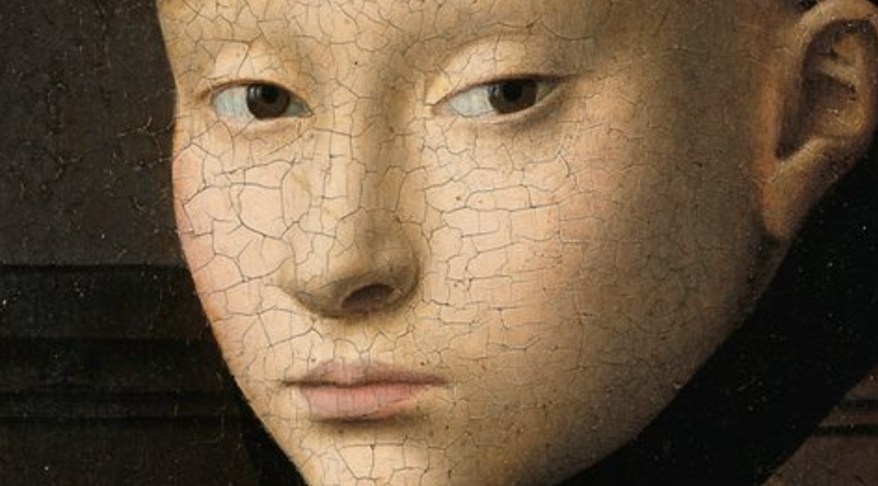
Il ritratto enigmatico di Petrus Christus
🇮🇹Chi è la giovane ritratta da Petrus Christus? Un volto misterioso, abiti preziosi e la luce del capolavoro fiammingo del 1470… 🇬🇧Who is the young woman portrayed by Petrus Christus? A mysterious face, exquisite attire, and the light of a Flemish masterpiece from 1470…
-
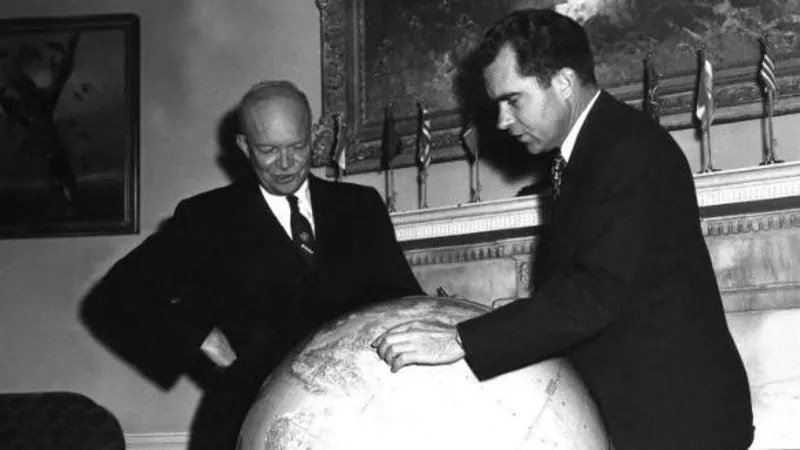
Pentagono, danneggiato il mappamondo legato a Eisenhower: era destinato all’ufficio di Hegseth
🇮🇹Il mappamondo di Eisenhower, cimelio della Seconda guerra mondiale conservato al Pentagono, è stato danneggiato durante un tentativo di trasferimento nell’ufficio di Pete Hegseth… 🇬🇧Eisenhower’s globe, a World War II relic kept at the Pentagon, was damaged during an attempt to move it to Pete Hegseth’s office…
Condividi:


Questo sono io




sostienici

Sostienici – Support Us
Se questo blog ti piace e ti appassiona, puoi aiutarci a farlo crescere sempre più sostenendoci in modo concreto condividendo i post, seguendo le pagine social e con un contributo che ci aiuta ad andare avanti con il nostro lavoro di divulgazione. . ENGLISH: If you like and are passionate about this blog, you can help us make it grow more and more by supporting us in a concrete way by sharing posts, following social pages and with a contribution that helps us to move forward with our dissemination work.
€10,00


1 commento »