
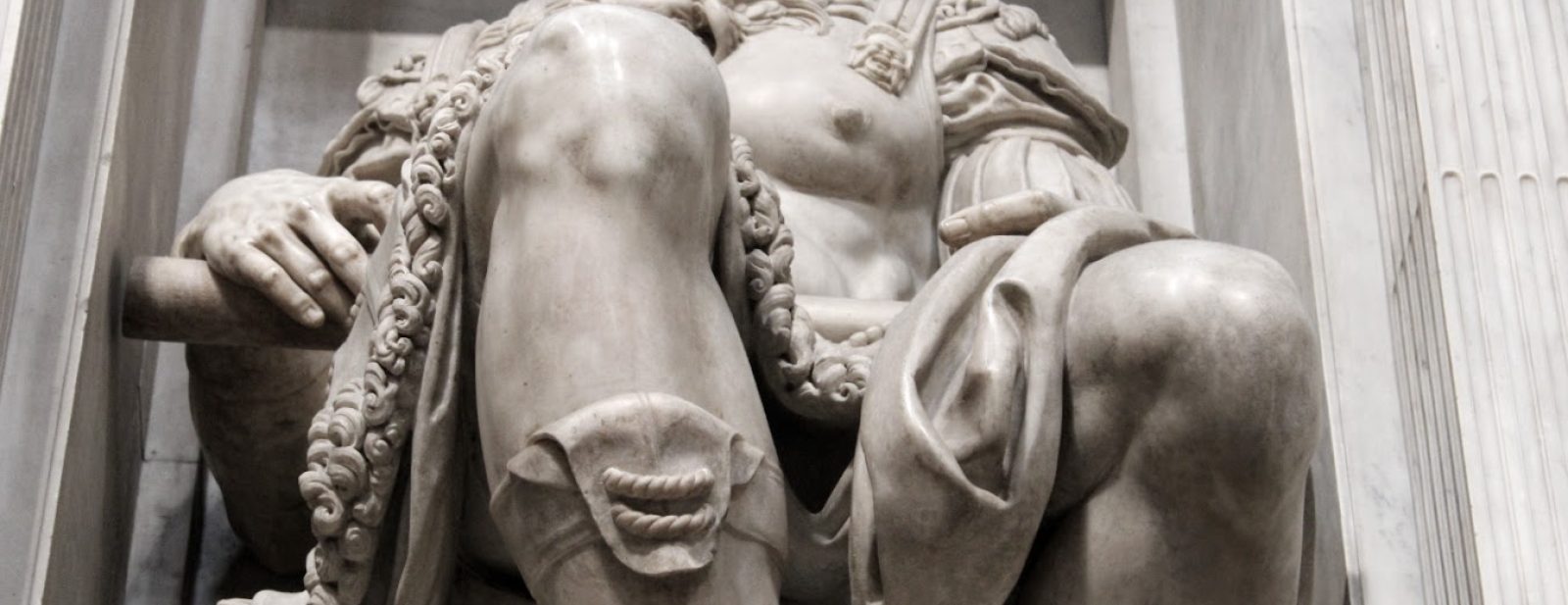
Un David o un Apollo?
Il cosiddetto David Apollo è una mia opera non finita che potete ammirare al Museo Nazionale del Bargello. Vi siete mai chiesti però perché ha questa doppia nomenclatura?
Sedetevi comodi che vi racconto anche questa storia dal principio.
Scolpii quest’opera fra il 1527 e il 1530 per Baccio Valori, governatore mediceo. Stando a quanto racconta il Vasari, non avrei potuto iniziare a metter mano a quel lavoro prima dell’agosto del 1530, dopo il mio ritorno al lavoro per i Medici.
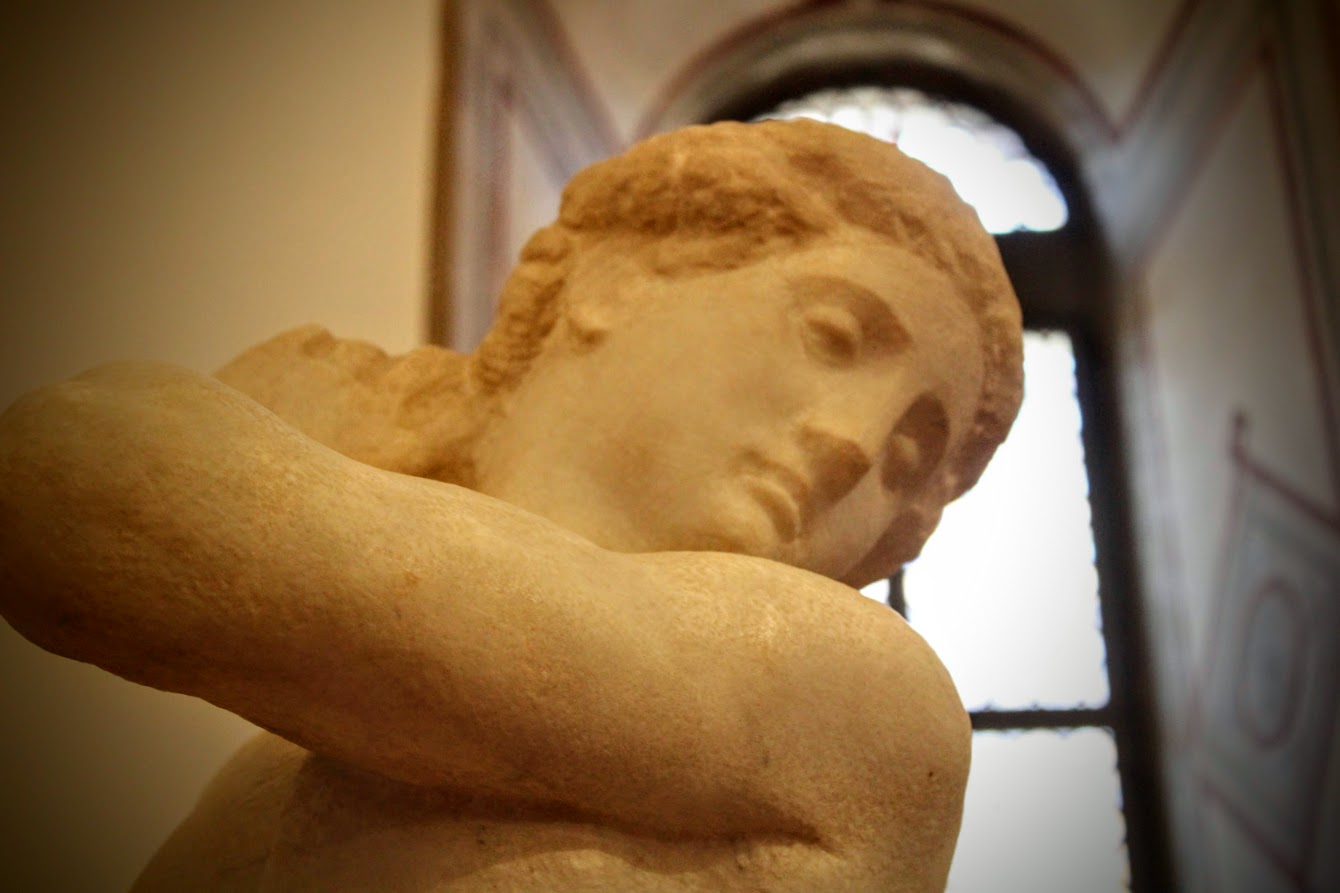
Sempre il Vasari descrive la scultura come un Apollo mentre prende la freccia dalla faretra che porta sulla schiena. A sua detta l’avrei realizzata per imbonirmi il Valori, nella speranza di tornare nelle grazie di papa Clemente VII de’ Medici e quindi di tutta la casata.
Successivamente, in un inventario del 1553, la scultura fu citata come “David del Buonarroti imperfetto” e si trovava a Palazzo Vecchio, nella stanza di Cosimo I assieme al Bacco del Sansovino e a quello più bruttino del Bandinelli.
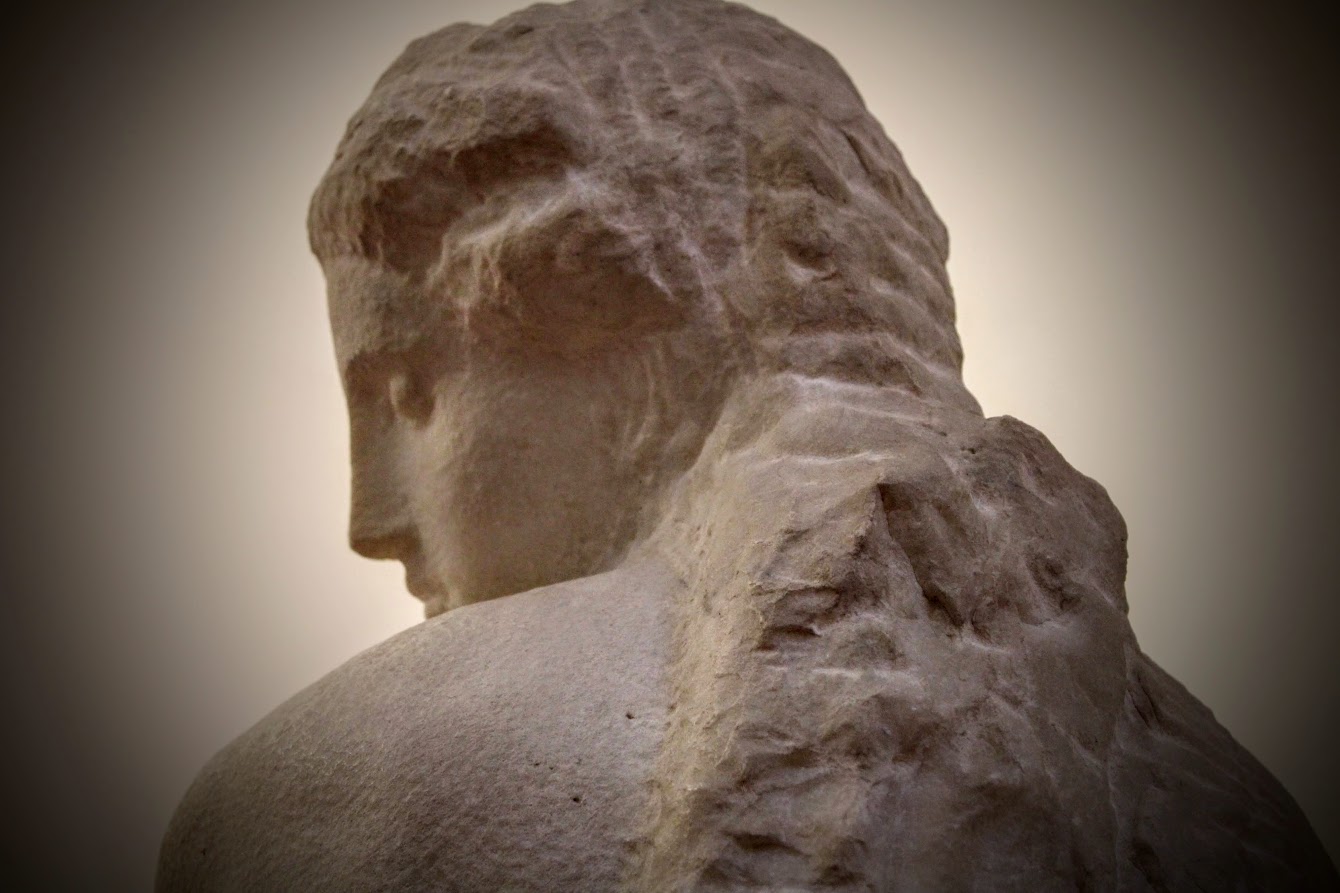
Si potrebbe dunque pensare che avessi cominciato a scolpire un David attorno al 1527 ma poi, con il rientro dei Medici al potere, sarebbe stato sconveniente seguitare a dar forma a quell’eroe considerato da tempo simbolo del potere repubblicano e quindi avrei potuto mutare il soggetto poco a poco trasformandolo in un Apollo.
Questa è una delle teorie plausibili ma che a me poco convince. Per trasformare l’opera in un Apollo con il turcasso sulle spalle, significa che sul retro dell’opera c’era ancora molto margine di scelta con un buon quantitativo di marmo da lavorare, altrimenti non ci sarebbe stata materia sufficiente per modellare la faretra.
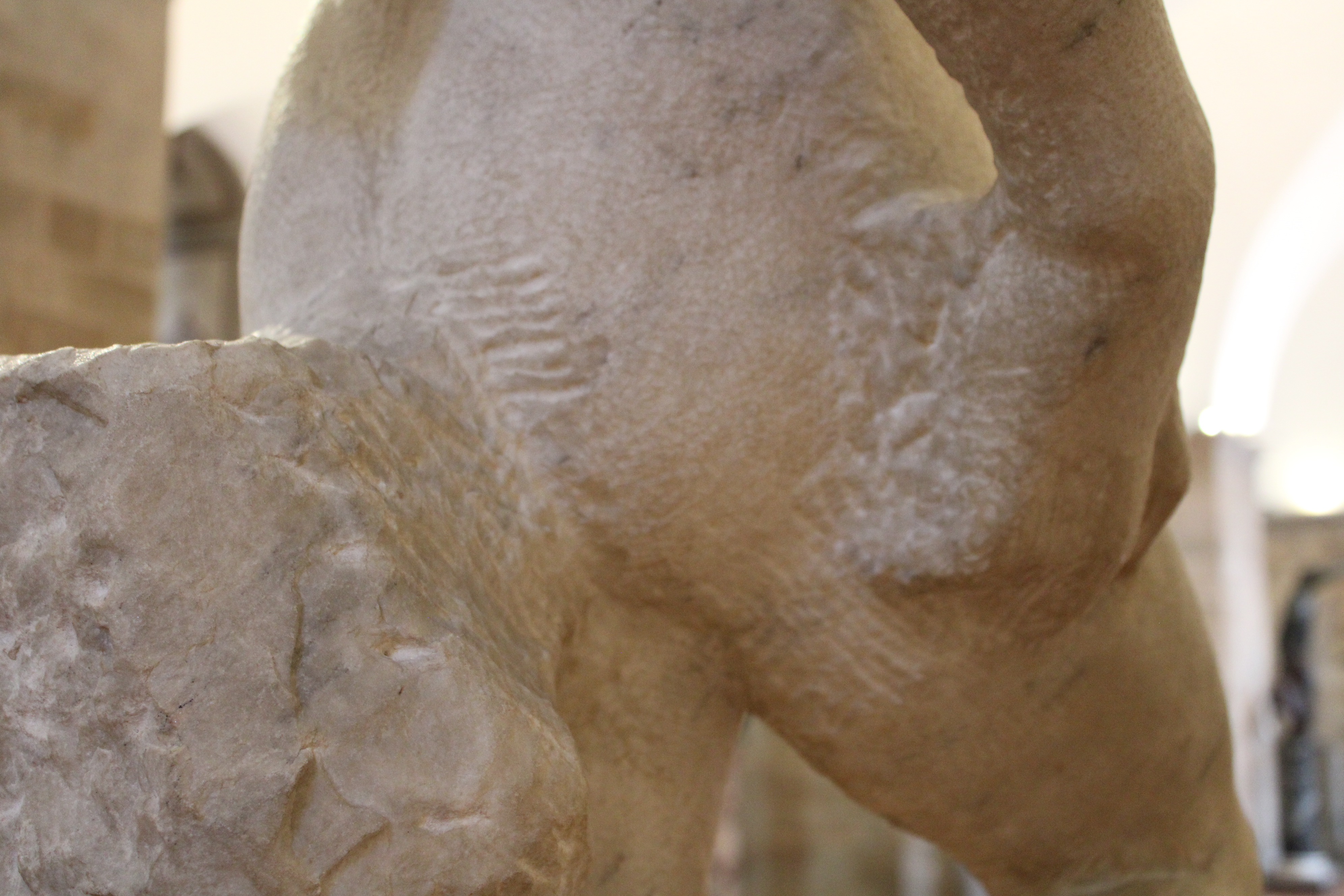
E’ molto probabile invece che, più semplicemente, chi citò nell’inventario del 1553 la scultura come David si sia sbagliato e che quella mia scultura sia nata fin da principio come un Apollo con tutti gli attributi simbolici.
Ecco dunque l’origine della doppia nomenclatura dell’opera.
“Essa è concepita non come un corpo animato, ma come l’incarnazione di uno stato psicologico (…) la posizione è quella di uno che si stia girando nel sonno. I gesti sembrano riflessi inconsci, come quelli di una persona che sta sognando e vuole uscire da un incubo“
Charles del Tolnay
Per il momento il vostro Michelangelo Buonarroti vi saluta dandovi appuntamento ai prossimi post e sui social.
A David or an Apollo?
The so-called David Apollo is an unfinished work of mine that you can admire at the Bargello National Museum. But have you ever wondered why it has this double nomenclature?
Sit back and let me tell you this story from the beginning.
I sculpted this work between 1527 and 1530 for Baccio Valori, the Medici governor. According to what Vasari recounts, I could not have started putting my hand to that work before August 1530, after my return to work for the Medici.
Vasari also describes the sculpture as an Apollo while he takes the arrow from the quiver he carries on his back. According to him, I would have made it to sell Valori for myself, in the hope of returning to the good graces of Pope Clement VII de ‘Medici and therefore of the entire family.
Subsequently, in an inventory of 1553, the sculpture was cited as “imperfect David by Buonarroti” and was located in Palazzo Vecchio, in Cosimo I’s room together with Sansovino’s Bacchus and the ugliest one by Bandinelli.
One could therefore think that I had begun to sculpt a David around 1527 but then, with the return of the Medici to power, it would have been inconvenient to continue to give shape to that hero long considered a symbol of republican power and therefore I could have changed the subject gradually transforming him into an Apollo.
This is one of the plausible theories but that doesn’t convince me. To transform the work into an Apollo with quiver on his shoulders means that on the back of the work there was still a lot of choice and marble to be worked, otherwise there would not have been enough material to model the quiver.
On the other hand, it is very probable that, more simply, whoever mentioned the sculpture as David in the 1553 inventory was wrong and that my sculpture was born from the beginning as an Apollo with all the symbolic attributes.
Hence the origin of the double nomenclature of the work.
“It is conceived not as an animated body, but as the embodiment of a psychological state (…) the position is that of one who is turning over in his sleep. The gestures seem to be unconscious reflections, like those of a person who is dreaming and wants to get out of a nightmare”
Charles del Tolnay
For the moment, your Michelangelo Buonarroti greets you by making an appointment for the next posts and on social media.

Sostienici – Support Us
Se questo blog ti piace e ti appassiona, puoi aiutarci a farlo crescere sempre più sostenendoci in modo concreto condividendo i post, seguendo le pagine social e con un contributo che ci aiuta ad andare avanti con il nostro lavoro di divulgazione. . ENGLISH: If you like and are passionate about this blog, you can help us make it grow more and more by supporting us in a concrete way by sharing posts, following social pages and with a contribution that helps us to move forward with our dissemination work.
8,00 €
-
Pontremoli: il fascino silenzioso delle Statue Stele e il profumo dell’Amor
🇮🇹Ritorno al Castello del Piagnaro a Pontremoli: una visita al Museo delle Statue Stele Lunigianesi tra misteriosi volti di pietra e la dolce sosta all’Amor Pontremoli… 🇬🇧A return to the Castle of Piagnaro in Pontremoli: a visit to the Museum of the Lunigiana Stele Statues, amidst mysterious stone faces, followed by a delightful stop for…
-
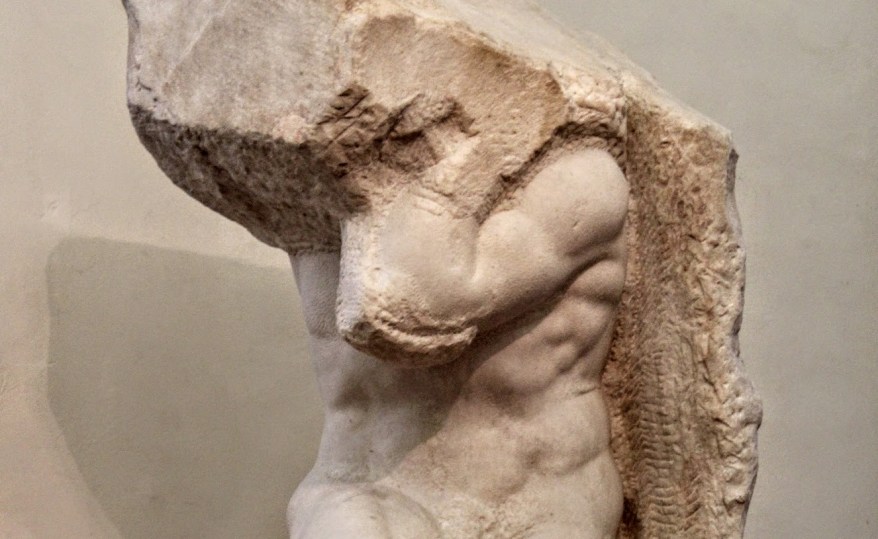
Il tormento del mio marmo ha stregato il Novecento: la nuova mostra a Firenze
🇮🇹Dal 15 dicembre 2026 la Galleria dell’Accademia di Firenze ospita “L’anima dei marmi”. Rodin, Bourdelle e i maestri del Simbolismo rileggono il mio genio… 🇬🇧Starting December 15, 2026, the Galleria dell’Accademia in Florence will host “The Soul of Marble.” Rodin, Bourdelle, and the masters of Symbolism reinterpret my genius…
-
18 ottobre 1634: nasce Luca Giordano, il pittore che dipingeva così in fretta da essere chiamato «Luca fa’ presto»
🇮🇹Luca Giordano nacque a Napoli il 18 ottobre 1634. Scopri perché era chiamato «Luca fa’ presto» e i suoi capolavori, dalla Galleria degli Specchi alla corte di Spagna… 🇬🇧Luca Giordano was born in Naples on October 18, 1634. Discover why he was nicknamed “Luca fa’ presto” (“Luca, hurry up!”) and explore his masterpieces—from the Hall…
Condividi:


Questo sono io




sostienici

Sostienici – Support Us
Se questo blog ti piace e ti appassiona, puoi aiutarci a farlo crescere sempre più sostenendoci in modo concreto condividendo i post, seguendo le pagine social e con un contributo che ci aiuta ad andare avanti con il nostro lavoro di divulgazione. . ENGLISH: If you like and are passionate about this blog, you can help us make it grow more and more by supporting us in a concrete way by sharing posts, following social pages and with a contribution that helps us to move forward with our dissemination work.
€10,00


