

29 giugno: la vestizione della scultura di San Pietro
Ogni 29 giugno, in occasione delle celebrazioni di San Pietro e Paolo, la scultura in bronzo di San Pietro attribuita ad Arnolfo di Cambio viene vestita con abiti pontificali.
La vestizione con il piviale e la tiara viene effettuata anche il 22 febbraio, in occasione della festa della Cattedra di San Pietro.

E’ una tradizione che ha origini assai remote. Sembra risalire al Medioevo quando alla scultura veniva abbigliata con i paramenti che erano stati donati da papa Innocenzo VI, al secolo Étienne Aubert che rimase sul trono di Pietro fino al 1352, anno della sua morte.
Di questa usanza ne fa menzione il Torrigio in un suo volume dato alle stampe nel 1644. Racconta che, il giorno 29 giugno, per “cagionare nel popolo maggiore riverenza e venerazione” veniva posta sul capo dell’opera la mitra vescovile e gli si faceva indossare un camice bianco, la stola ricamata e un antico piviale che era stato donato alla Basilica di San Pietro trecento anni prima.

Degli elaborati paramenti si notano i colori rosso porpora e oro: non solo simboli della magnificenza dell’Apostolo ma anche i colori di Cristo. Il porpora infatti evoca la Passione mentre l’oro la regalità.
Nei primi anni del Seicento fu sostituita la mitra che metteva in luce il ruolo episcopale del pontefice con il triregno che tutt’oggi gli viene posto sul capo.

Per il momento il vostro Michelangelo Buonarroti vi saluta dandovi appuntamento ai prossimi post e sui social.

June 29: dressing of the sculpture of St. Peter
Every 29 June, on the occasion of the celebrations of Saint Peter and Paul, the bronze sculpture of Saint Peter attributed to Arnolfo di Cambio is dressed in pontifical robes.
The donning of the cope and tiara is also carried out on February 22, on the occasion of the feast of the Chair of St. Peter.
It is a tradition that has very remote origins. It seems to date back to the Middle Ages when the sculpture was dressed in the vestments that had been donated by Pope Innocent VI, born Étienne Aubert who remained on the throne of Peter until 1352, the year of his death.
Torrigio mentions this custom in a volume of his published in 1644. He recounts that, on June 29, to “cause greater reverence and veneration in the people” the bishop’s miter was placed on the head of the building and wearing a white coat, an embroidered stole and an ancient cope that had been donated to St. Peter’s Basilica three hundred years earlier.
Of the elaborate vestments we note the red, purple and gold colors: not only symbols of the magnificence of the Apostle but also the colors of Christ. In fact, purple evokes the Passion while gold, royalty.
In the early seventeenth century, the miter that highlighted the pontiff’s episcopal role was replaced with the tiara that is still placed on his head today.
For the moment, your Michelangelo Buonarroti greets you by making an appointment for the next posts and on social media.

Sostienici – Support Us
Se questo blog ti piace e ti appassiona, puoi aiutarci a farlo crescere sempre più sostenendoci in modo concreto condividendo i post, seguendo le pagine social e con un contributo che ci aiuta ad andare avanti con il nostro lavoro di divulgazione. . ENGLISH: If you like and are passionate about this blog, you can help us make it grow more and more by supporting us in a concrete way by sharing posts, following social pages and with a contribution that helps us to move forward with our dissemination work.
10,00 €
-
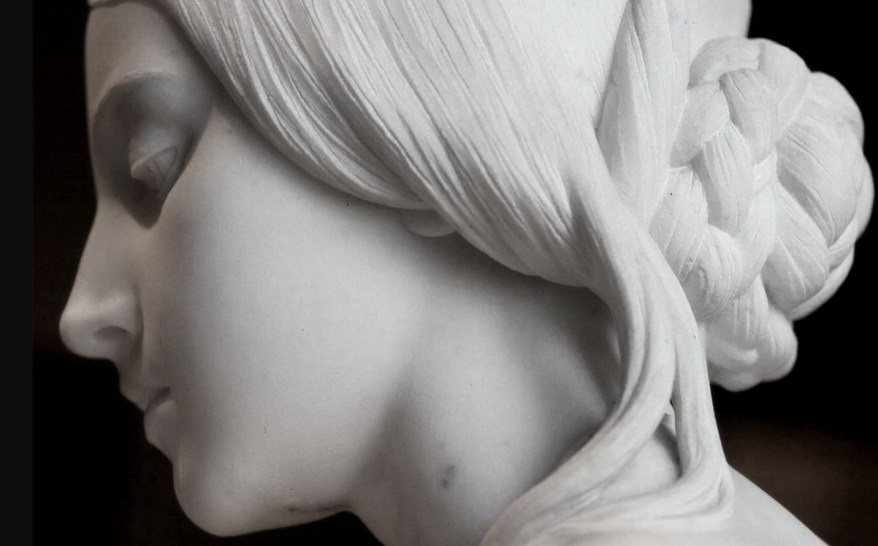
21 ottobre 1816: nasce Pietro Magni, lo scultore che trasformò una giovane lettrice in un capolavoro
🇮🇹Il 21 ottobre 1816 nasceva Pietro Magni, lo scultore della Giovane leggitrice. Scopri la storia dell’opera ignorata a Brera e diventata un successo nel 1861… 🇬🇧On October 21, 1816, Pietro Magni—the sculptor behind The Young Reader was born. Discover the story of this work, which was initially overlooked at the Brera Academy before becoming a…
-

21 ottobre 1556: muore Pietro Aretino, il ‘flagello dei principi’ che attaccò il mio Giudizio Universale
🇮🇹Il 21 ottobre 1556 moriva Pietro Aretino, poeta e polemista rinascimentale. Dopo aver chiesto invano un mio disegno, si scagliò contro il Giudizio Universale… 🇬🇧On October 21, 1556, Pietro Aretino—a Renaissance poet and polemicist—died. After having asked me in vain for a drawing, he lashed out against The Last Judgment…
-
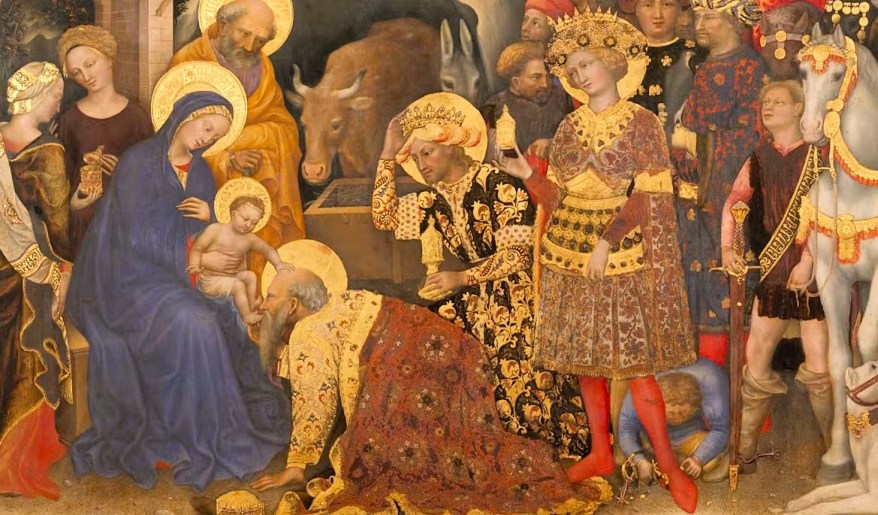
L’Adorazione dei Magi di Gentile da Fabriano: il Natale più ricco e spettacolare del Rinascimento
🇮🇹Oro, mantelli ricamati e un corteo di sovrani: scopri l’Adorazione dei Magi di Gentile da Fabriano, capolavoro del 1423 agli Uffizi… 🇬🇧Gold, embroidered cloaks, and a procession of sovereigns: discover the Adoration of the Magi by Gentile da Fabriano, a 1423 masterpiece housed at the Uffizi…
Condividi:


Questo sono io




sostienici

Sostienici – Support Us
Se questo blog ti piace e ti appassiona, puoi aiutarci a farlo crescere sempre più sostenendoci in modo concreto condividendo i post, seguendo le pagine social e con un contributo che ci aiuta ad andare avanti con il nostro lavoro di divulgazione. . ENGLISH: If you like and are passionate about this blog, you can help us make it grow more and more by supporting us in a concrete way by sharing posts, following social pages and with a contribution that helps us to move forward with our dissemination work.
€10,00


