

Ognor che l’idol mio si rappresenta
Torno alle radici, a proporvi i miei antichi versi.
Antichi perché scritti in tempi tempi remoti ma non per i concetti proposti.
Ognor che l’idol mio si rappresenta
agli occhi del mie cor debile e forte,
fra l’uno e l’altro obbietto entra la morte,
e più ‘l discaccia, se più mi spaventa.
L’alma di tale oltraggio esser contenta
più spera che gioir d’ogni altra sorte;
l’invitto Amor, con suo più chiare scorte,
a suo difesa s’arma e s’argomenta:
Morir, dice, si può sol una volta,
né più si nasce; e chi col mie ‘mor muore,
che fie po’, s’anzi morte in quel soggiorna?
L’acceso amor, donde vien l’alma sciolta,
s’è calamita al suo simile ardore,
com’or purgata in foco, a Dio si torna.
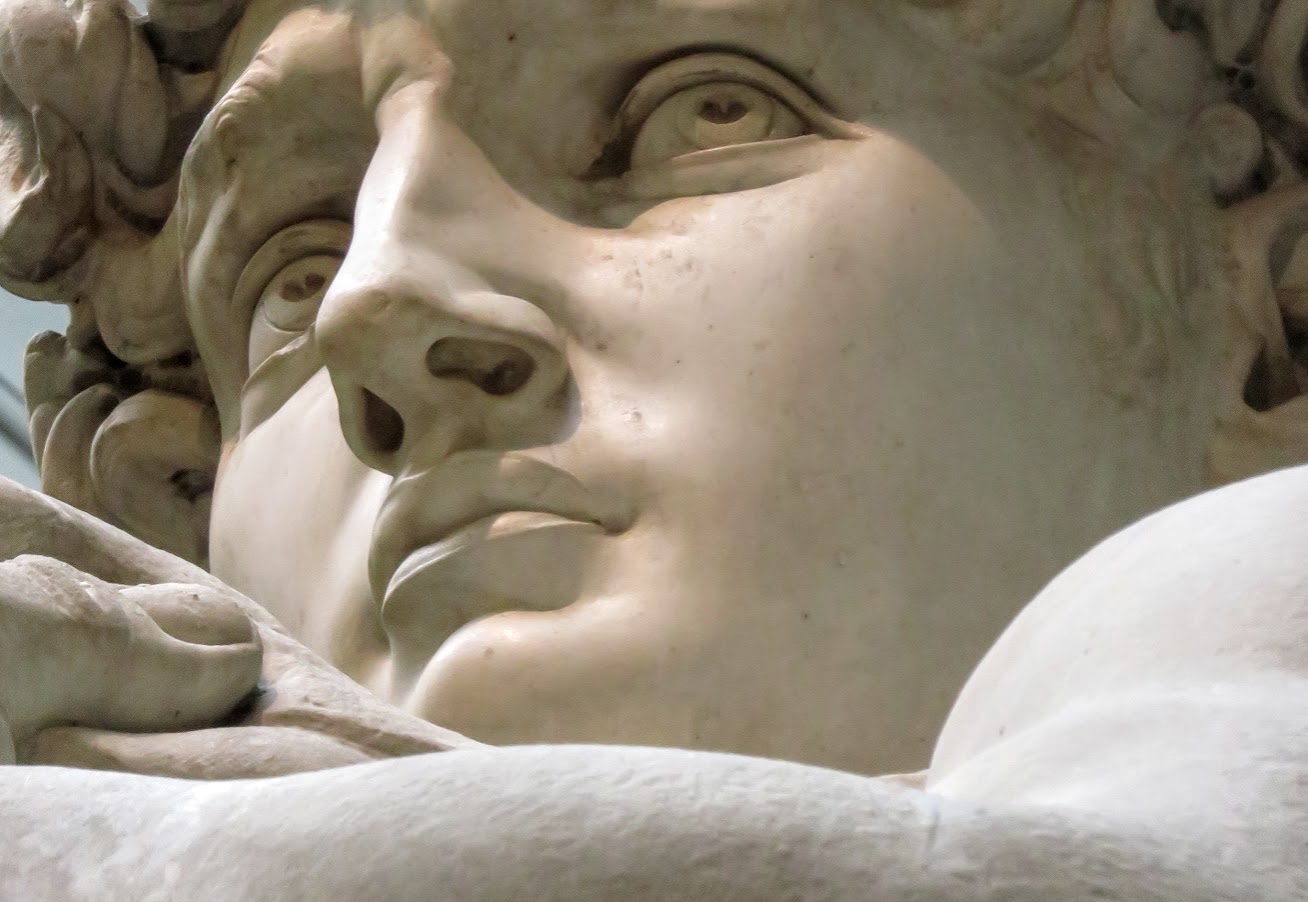
Per il momento il vostro Michelangelo Buonarroti vi saluta dandovi appuntamento ai prossimi post e sui social

Whene’er the idol of these eyes appears
I go back to the roots, to offer you my ancient verses. Ancient because written in remote times but not for the proposed concepts.
Whene’er the idol of these eyes appears
Unto my musing heart so weak and strong,
Death comes between her and my soul ere long
Chasing her thence with troops of gathering fears.
Nathless this violence my spirit cheers
With better hope than if she had no wrong;
While Love invincible arrays the throng
Of dauntless thoughts, and thus harangues his peers:
But once, he argues, can a mortal die;
But once be born: and he who dies afire,
What shall he gain if erst he dwelt with me?
That burning love whereby the soul flies free,
Doth lure each fervent spirit to aspire
Like gold refined in flame to God on high.
For the moment, your Michelangelo Buonarroti greets you by making an appointment for the next posts and on social media

Sostienici – Support Us
Se questo blog ti piace e ti appassiona, puoi aiutarci a farlo crescere sempre più sostenendoci in modo concreto condividendo i post, seguendo le pagine social e con un contributo che ci aiuta ad andare avanti con il nostro lavoro di divulgazione. . ENGLISH: If you like and are passionate about this blog, you can help us make it grow more and more by supporting us in a concrete way by sharing posts, following social pages and with a contribution that helps us to move forward with our dissemination work.
8,00 €
-
La donna morsa dal serpente nella Cappella Sistina
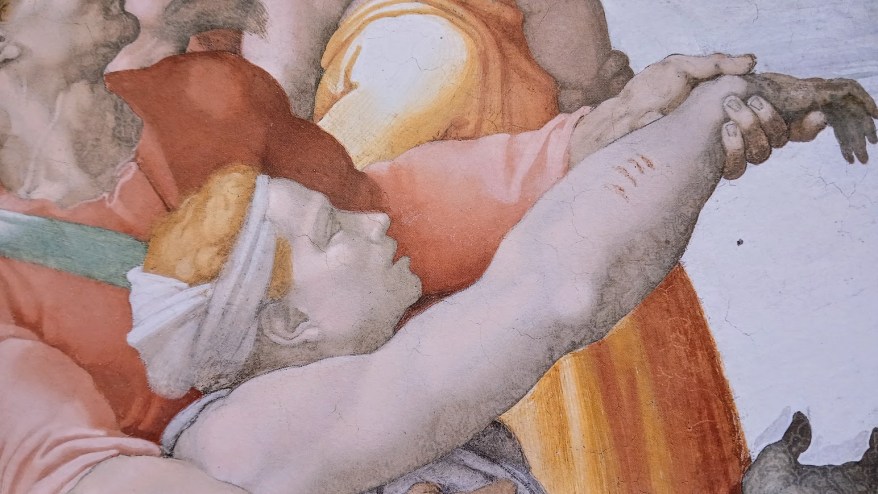
🇮🇹Quattro segni sul braccio. Nella volta della Cappella Sistina ho dipinto serpenti velenosi, corpi contorti e volti deformati dal terrore. Ma c’è un particolare che potrebbe sfuggirvi… 🇬🇧Four marks on the arm. On the ceiling of the Sistine Chapel, I painted venomous snakes, contorted bodies, and faces twisted by terror. But there is a detail…
-
Gian Lorenzo Bernini: l’uomo che fece muovere il marmo
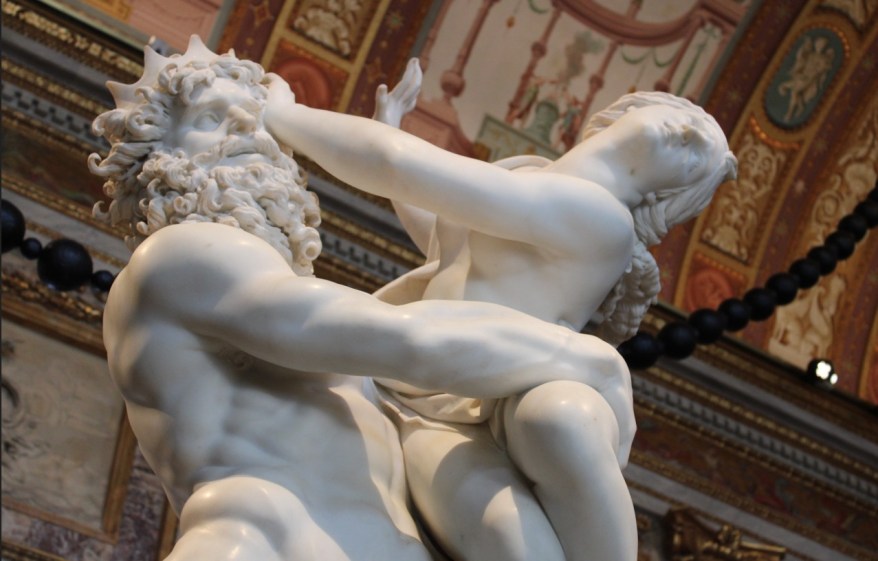
🇮🇹Davanti a una scultura di Gian Lorenzo Bernini, capita di avvicinarsi per osservare un dettaglio e ritrovarsi a seguire con lo sguardo l’intera scena. Una mano stringe una coscia, un volto si volta per sfuggire a uno sguardo, le dita si trasformano in foglie… 🇬🇧When standing before a sculpture by Gian Lorenzo Bernini, you might…
-
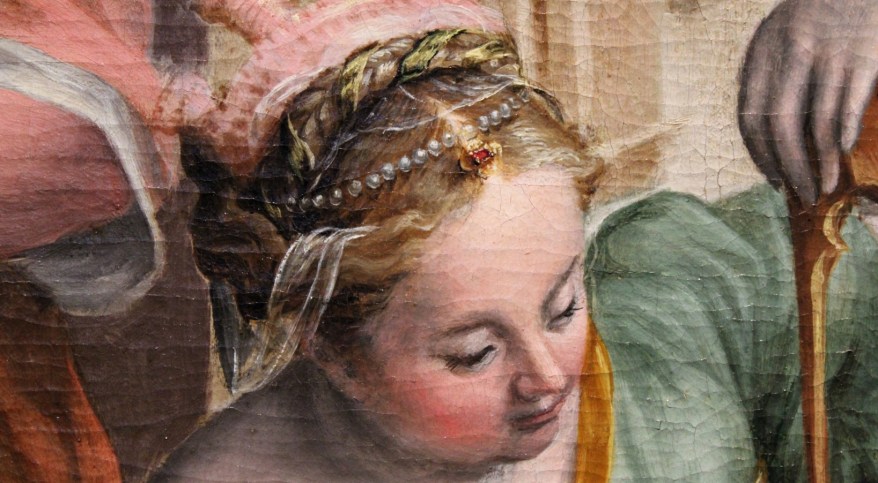
L’Allegoria della Geometria di Prospero Fontana: il dipinto attribuito per errore a Jacopo Coppi
🇮🇹L’Allegoria della Geometria, attribuita un tempo a Jacopo Coppi, è stata restituita a Prospero Fontana: storia, significato e segreti del dipinto… 🇬🇧The Allegory of Geometry, once attributed to Jacopo Coppi, has been reattributed to Prospero Fontana: the history, meaning, and secrets of the painting…
Condividi:


Questo sono io




sostienici

Sostienici – Support Us
Se questo blog ti piace e ti appassiona, puoi aiutarci a farlo crescere sempre più sostenendoci in modo concreto condividendo i post, seguendo le pagine social e con un contributo che ci aiuta ad andare avanti con il nostro lavoro di divulgazione. . ENGLISH: If you like and are passionate about this blog, you can help us make it grow more and more by supporting us in a concrete way by sharing posts, following social pages and with a contribution that helps us to move forward with our dissemination work.
€10,00


Che bella ❗❕
"Mi piace"Piace a 1 persona
davvero :-*
"Mi piace""Mi piace"
Bellissima
"Mi piace"Piace a 1 persona
:-*
"Mi piace""Mi piace"