
La Scultura del giorno: Amore Attis di Donatello
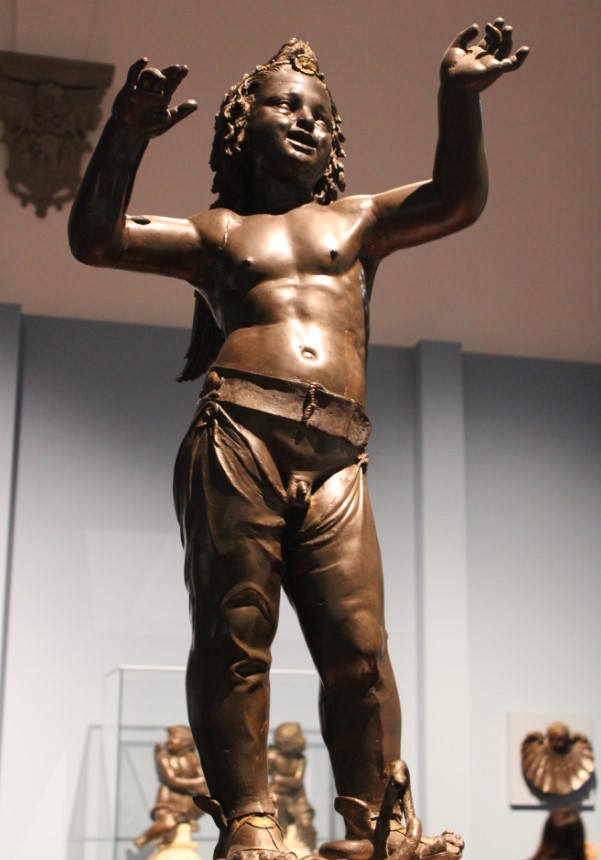
La scultura del giorno che vi propongo oggi è l’Amore Attis, una delle opere più celebri di Donatello.
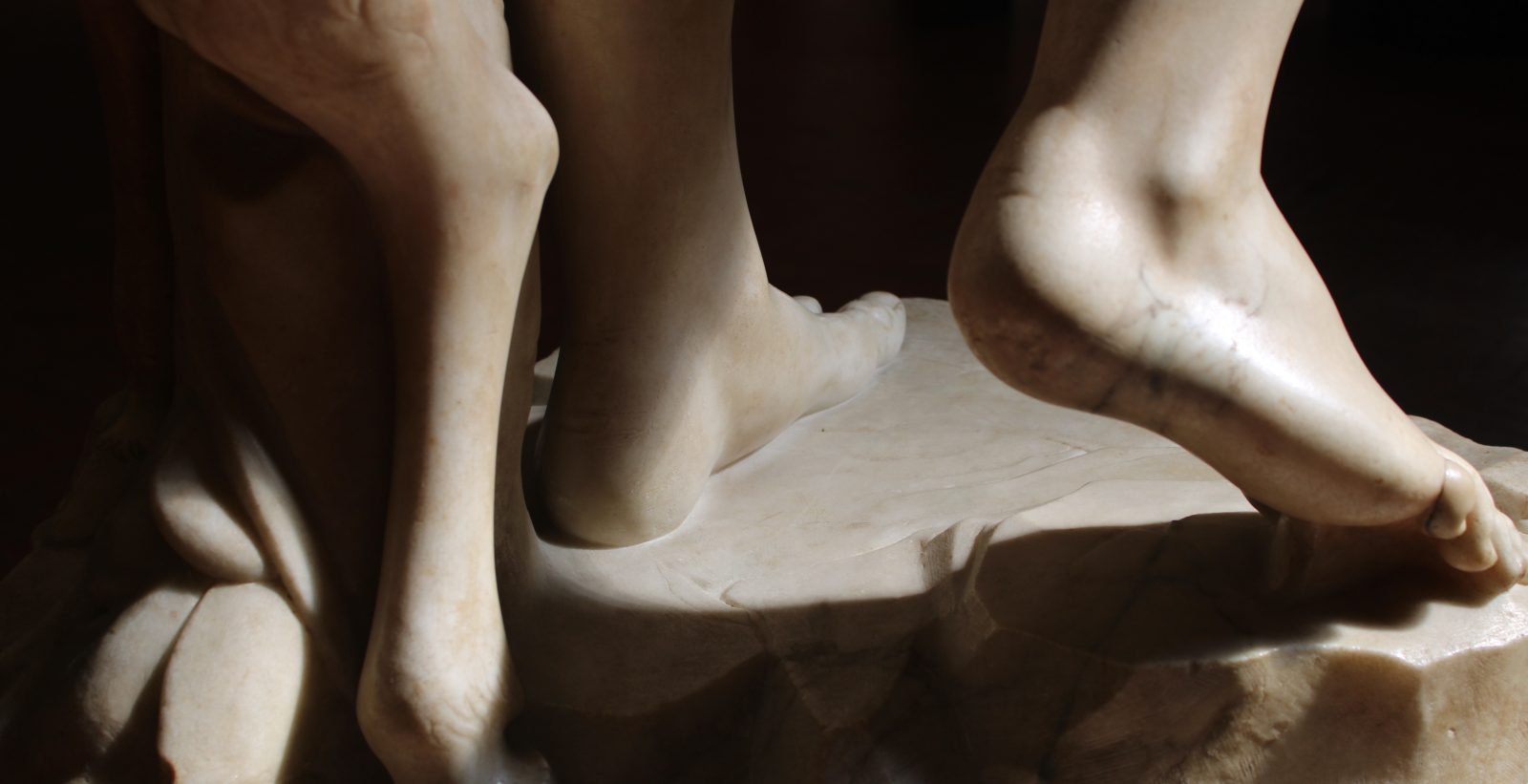
E’ la figura di un bambino alato in bronzo parzialmente dorato e abbigliato solo con ina cintura e un paio di pantaloni che lasciano scoperti i genitali e le chiappe. Indossa calzari alati e calpesta in serpe.
Mentre sorride giocondo, compie con braccia e mani un gesto assai misterioso e poco spiegabile.

Il Vasari descrisse l’opera come un “Mercurio vestito in certo modo bizzarro”. L’opera si trovava in casa di Angolo Doni mentre un centinaio di anni dopo veniva considerata opera antica.
Nel Seicento le interpretazioni dell’opera divennero sempre più incerte: oltre ad essere visto come un Mercurio o un Perseo, fu interpretato come il demonio mentre altri vollero vederci Attis, il dio frigio che veniva raffigurato sempre con pantaloni simili.

Le ali che ha sulla schiena ricordano il dio Amore mentre i calzari alati ricordano piuttosto Mercurio.
Fra tutte queste incertezze di interpretazione dell’Amore Attis però c’è una certezza ed è la cintura che indossa decorata con papaveri. Si tratta di una chiara allusione alla famiglia Bartolini Salimbeni, già committente di Donatello.

Questa singolare opera di Donatello è stata datata fra il 1435 e il 1440 e oggi fa parte delle collezioni del Museo Nazionale del Bargello.
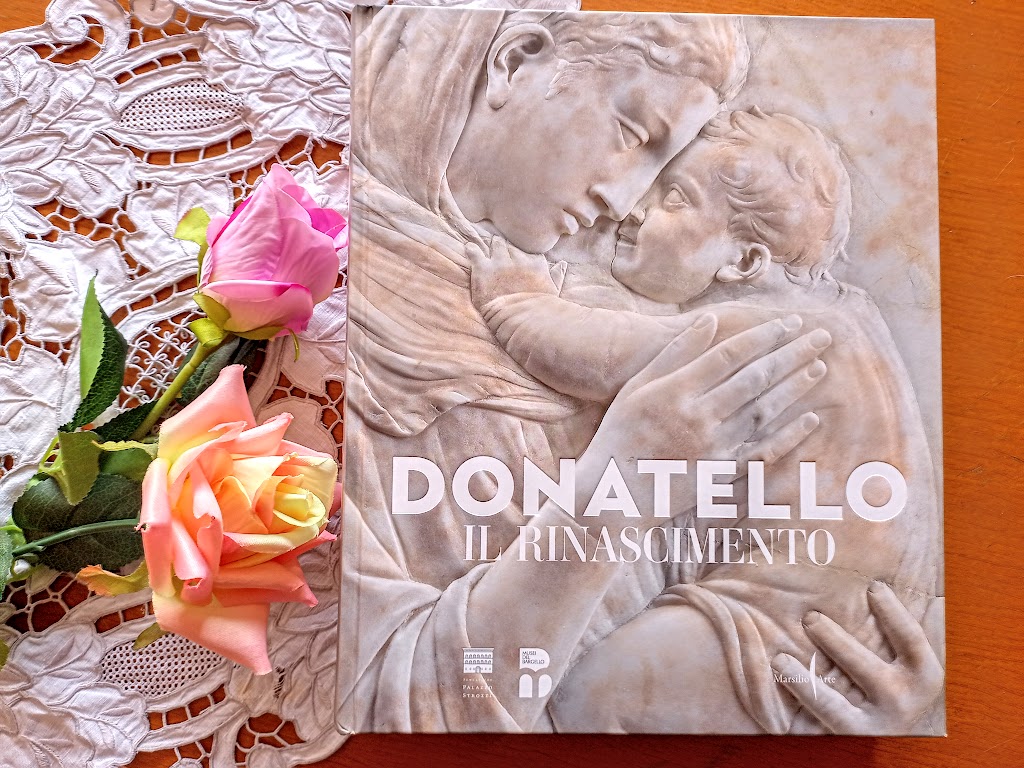
Se volete conoscere meglio il grande Donatello e le sue opere, vi consiglio appassionatamente il volume Donatello il Rinascimento che trovate QUA.
Edito da Marsilio Arte, il libro si apre con due testi del curatore Caglioti dal titolo “Donatello 2022” e “Vita di Donatello” per proseguire poi con una dettagliata descrizione dei vari periodi della sua vita e delle opere realizzate.
Per il momento il vostro Michelangelo Buonarroti vi saluta dandovi appuntamento ai prossimi post e sui social.
Sculpture of the day: Love Attis by Donatello
The sculpture of the day that I propose to you today is Love Attis, one of Donatello’s most famous works.
It is the figure of a winged child in partially gilded bronze and dressed only with a belt and a pair of trousers that leave the genitals and buttocks uncovered. He wears winged sandals and treads on a serpent.
While he smiles joyfully, he makes a very mysterious and difficult to explain gesture with his arms and hands.
Vasari described the work as a “Mercury dressed in a certain bizarre way”. The work was found in the house of Angolo Doni while a hundred years later it was considered an ancient work.
In the seventeenth century the interpretations of the work became increasingly uncertain: in addition to being seen as a Mercury or a Perseus, he was interpreted as the devil while others wanted to see Attis, the Phrygian god who was always depicted wearing similar trousers.
The wings on his back are reminiscent of the god Love while the winged sandals are more reminiscent of Mercury.
Among all these uncertainties of interpretation of Love Attis, however, there is one certainty and it is the belt he wears decorated with poppies. This is a clear allusion to the Bartolini Salimbeni family, former patrons of Donatello.
This singular work by Donatello has been dated between 1435 and 1440 and today is part of the collections of the Bargello National Museum.
If you want to learn more about the great Donatello and his works, I passionately recommend the volume Donatello the Renaissance which you can find HERE.
Published by Marsilio Arte, the book opens with two texts by the curator Caglioti entitled “Donatello 2022” and “Life of Donatello” to then continue with a detailed description of the various periods of his life and the works created.

For the moment, your Michelangelo Buonarroti greets you by making an appointment for the next posts and on social media.

Sostienici – Support Us
Se questo blog ti piace e ti appassiona, puoi aiutarci a farlo crescere sempre più sostenendoci in modo concreto condividendo i post, seguendo le pagine social e con un contributo che ci aiuta ad andare avanti con il nostro lavoro di divulgazione. . ENGLISH: If you like and are passionate about this blog, you can help us make it grow more and more by supporting us in a concrete way by sharing posts, following social pages and with a contribution that helps us to move forward with our dissemination work.
10,00 €
-
Tiepolo, 62 opere svelano il mondo segreto di padre e figlio: la mostra ai Musei Reali di Torino
🇮🇹Giambattista e Giandomenico Tiepolo in mostra a Torino: 62 disegni e incisioni, Pulcinella, opere inedite e visioni misteriose da oggi 15 ottobre 2026… 🇬🇧Giambattista and Giandomenico Tiepolo on display in Turin: 62 drawings and engravings, Pulcinella, previously unseen works, and mysterious visions—starting today, October 15, 2026…
-
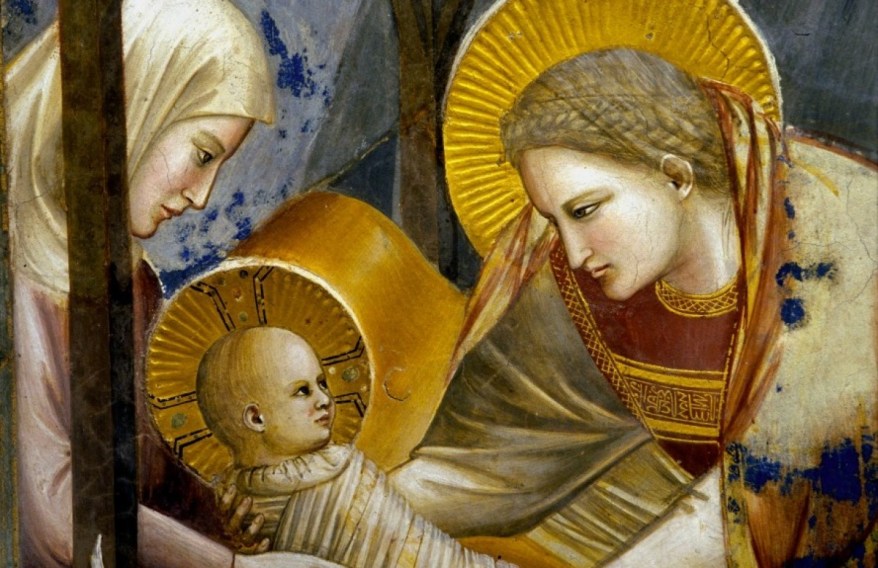
Come Giotto ha cambiato per sempre il modo di rappresentare la Natività
🇮🇹Nella Cappella degli Scrovegni a Padova, Giotto trasforma la nascita di Gesù in una scena piena di emozioni, gesti naturali e dettagli sorprendenti. Ecco perché la sua Natività ha segnato una svolta nella storia dell’arte… 🇬🇧In the Scrovegni Chapel in Padua, Giotto transforms the birth of Jesus into a scene filled with emotion, natural gestures,…
-
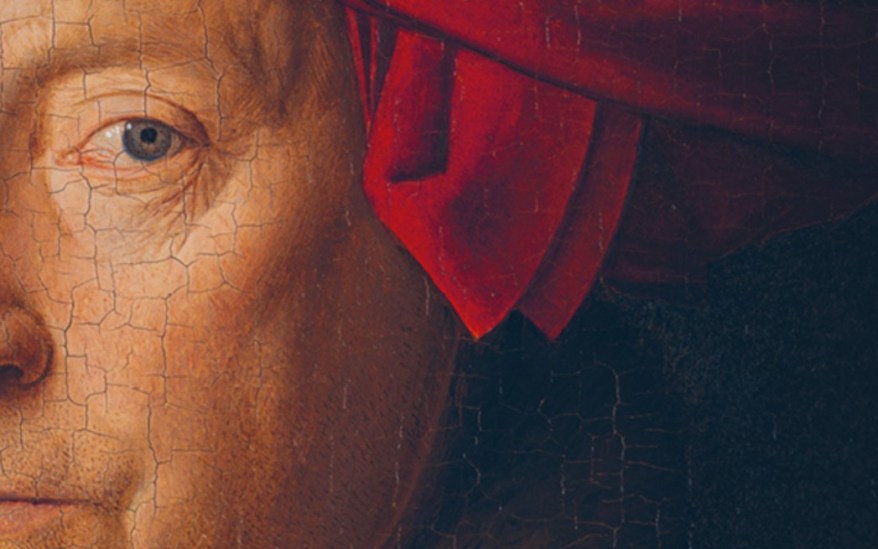
Van Eyck, i ritratti che sembrano vivi: a Londra una mostra irripetibile
🇮🇹Dal 21 novembre 2026 all’11 aprile 2027, la National Gallery ospiterà Van Eyck: The Portraits… 🇬🇧From November 21, 2026, to April 11, 2027, the National Gallery will host Van Eyck: The Portraits..
Condividi:


Questo sono io




sostienici

Sostienici – Support Us
Se questo blog ti piace e ti appassiona, puoi aiutarci a farlo crescere sempre più sostenendoci in modo concreto condividendo i post, seguendo le pagine social e con un contributo che ci aiuta ad andare avanti con il nostro lavoro di divulgazione. . ENGLISH: If you like and are passionate about this blog, you can help us make it grow more and more by supporting us in a concrete way by sharing posts, following social pages and with a contribution that helps us to move forward with our dissemination work.
€10,00


1 commento »