
Jingdezhen, la città della porcellana che sfida il tempo: viaggio nell’arte cinese dipinta a mano
Dalle antiche fornaci imperiali alle botteghe contemporanee: il valore delle porcellane realizzate interamente a mano
In un un momento in cui la produzione industriale impera, esistono ancora luoghi in cui il tempo sembra scorrere secondo ritmi antichi. Uno di questi è Jingdezhen, nella provincia cinese dello Jiangxi, universalmente conosciuta come la “Capitale della Porcellana”.
Da oltre 1.800 anni questa città rappresenta il cuore della più raffinata tradizione ceramica cinese, un patrimonio culturale che continua a vivere grazie a maestri artigiani capaci di trasformare argilla, fuoco e colore in autentiche opere d’arte.
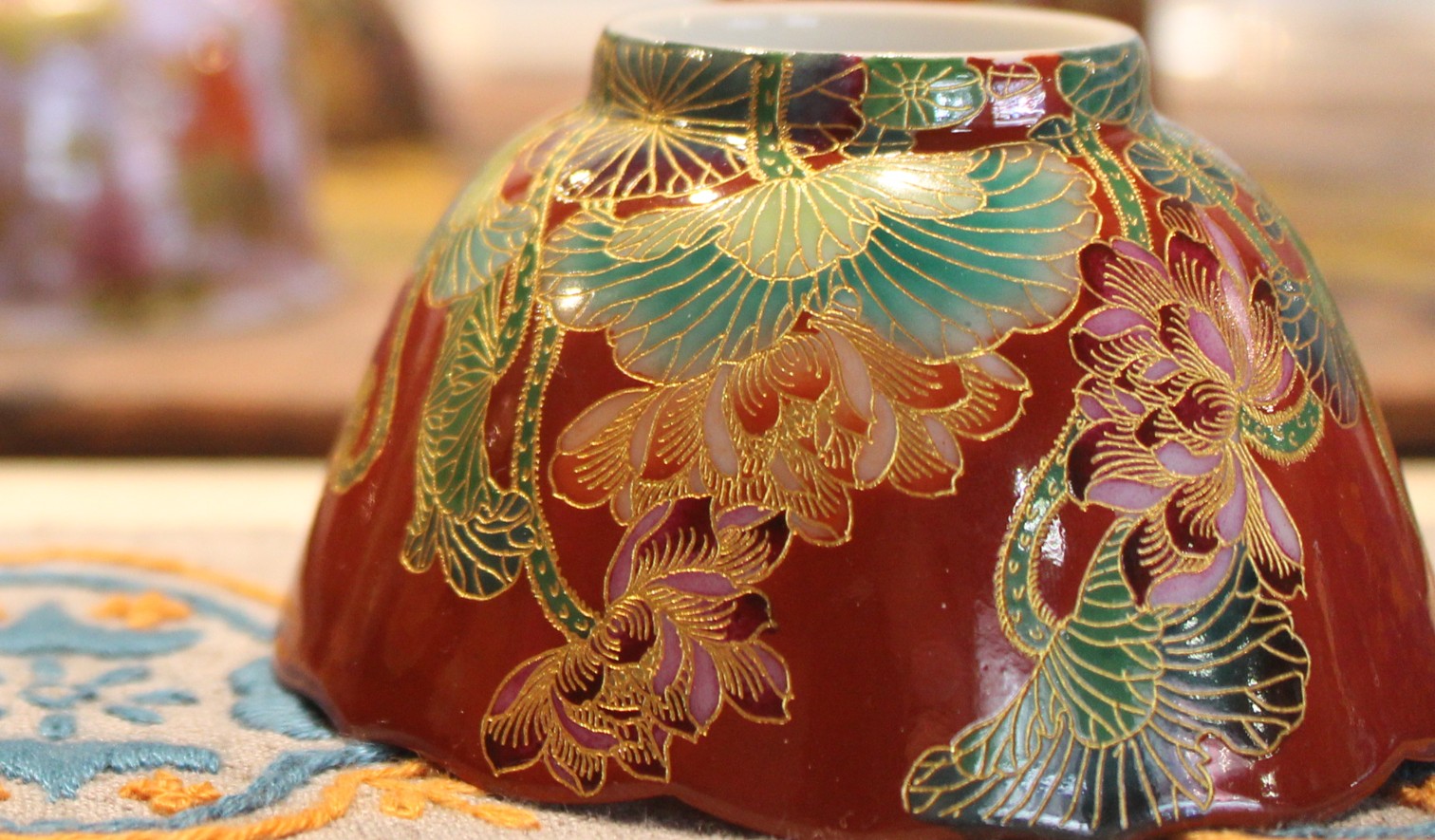
La fama di Jingdezhen affonda le proprie radici nell’epoca imperiale, quando le sue manifatture producevano porcellane destinate esclusivamente alla corte degli imperatori. Ancora oggi la città conserva un ruolo centrale nella produzione artistica cinese, ospitando scuole, laboratori e botteghe dove le tecniche tradizionali vengono tramandate alle nuove generazioni.
L’incontro al Salone dell’Artigianato di Firenze
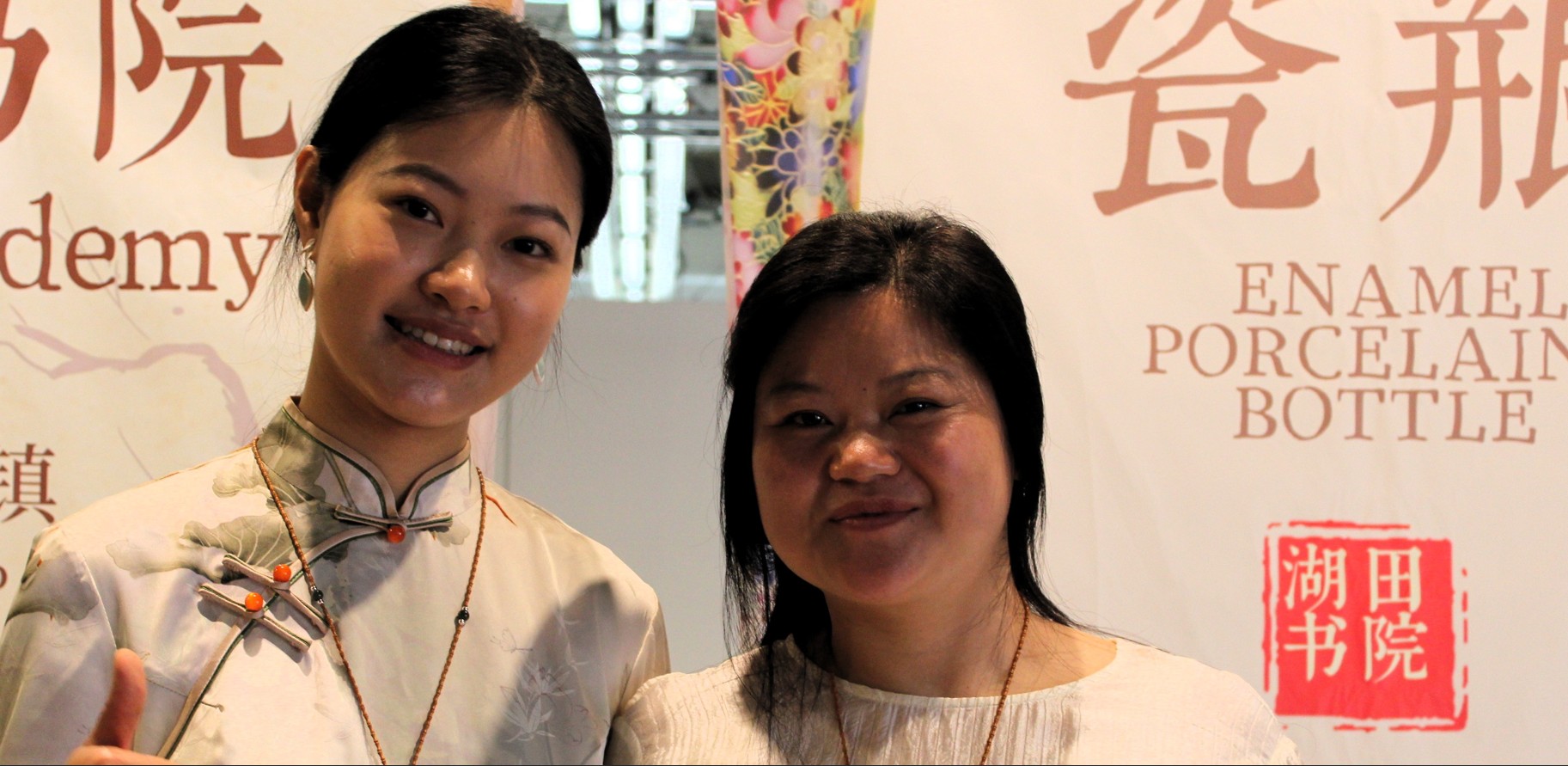
Durante il Salone dell’Artigianato di Firenze ho avuto l’opportunità di incontrare una straordinaria artista proveniente proprio dalla grande tradizione ceramica cinese. L’artista, che nel suo Paese dirige anche una scuola dedicata all’insegnamento della pittura su porcellana, ha portato in Italia alcune delle sue magnifiche creazioni realizzate interamente a mano.
La comunicazione non è stata semplice: l’artista parla esclusivamente cinese e per dialogare è stato necessario l’aiuto di una giovane studentessa cinese che studia italiano e che ha svolto il ruolo di interprete. Grazie alla sua mediazione è stato possibile conoscere più da vicino il lavoro che si cela dietro queste opere di straordinaria raffinatezza.
Quattro mesi di lavoro per una sola tazza
Tra gli aspetti più sorprendenti emersi durante la conversazione c’è il tempo necessario per completare un singolo oggetto.
L’artista ha spiegato di dedicare circa quattro ore di lavoro al giorno alla decorazione delle porcellane e che una tazza particolarmente elaborata può richiedere fino a quattro mesi per essere completata.
C’è un abisso tra la manifattura artistica e la produzione seriale. Ogni elemento decorativo viene eseguito manualmente con strumenti tradizionali e una precisione da miniaturisti.
Pennelli antichi e tecniche tramandate da generazioni
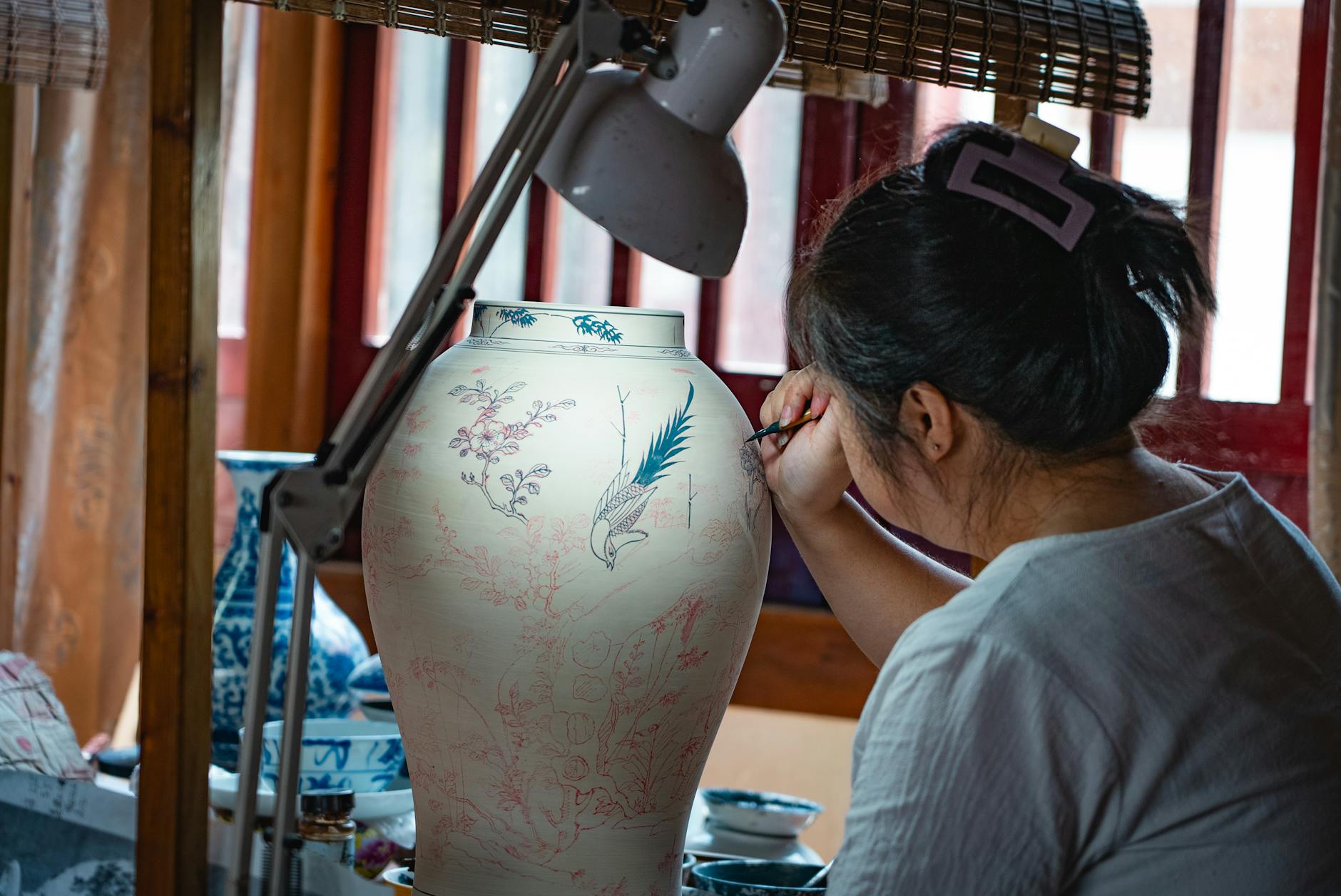
La pittura su porcellana rappresenta una delle forme più sofisticate dell’artigianato cinese. I pennelli utilizzati sono estremamente sottili e vengono realizzati con peli animali selezionati, come lupo, capra o tasso, capaci di garantire elasticità e un controllo assoluto del tratto.
Ogni linea, ogni sfumatura e ogni dettaglio floreale richiede anni di pratica. Il gesto dell’artista non può essere improvvisato: il colore deve essere applicato con precisione millimetrica prima delle successive cotture che fisseranno definitivamente il decoro sulla superficie.
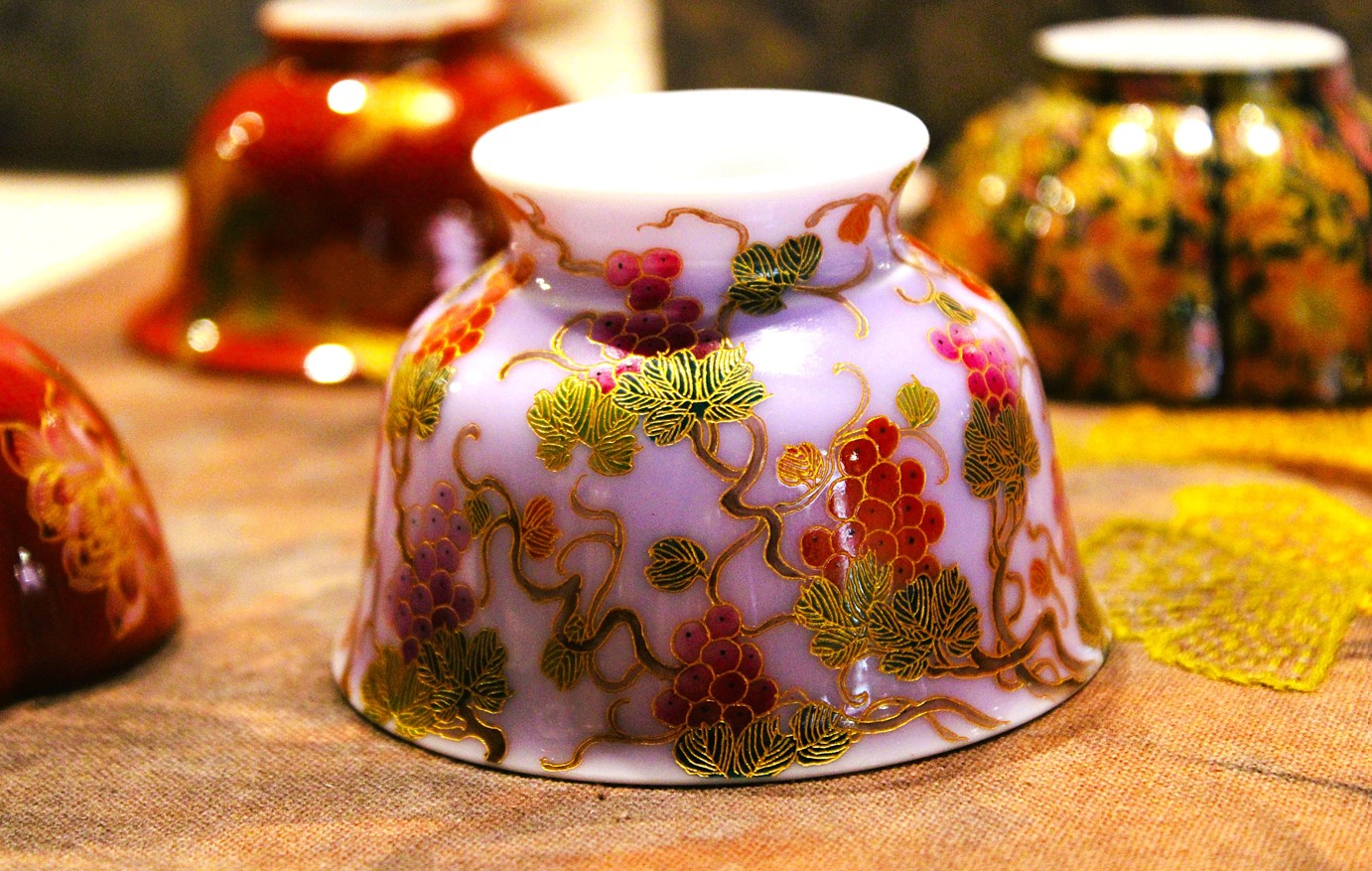
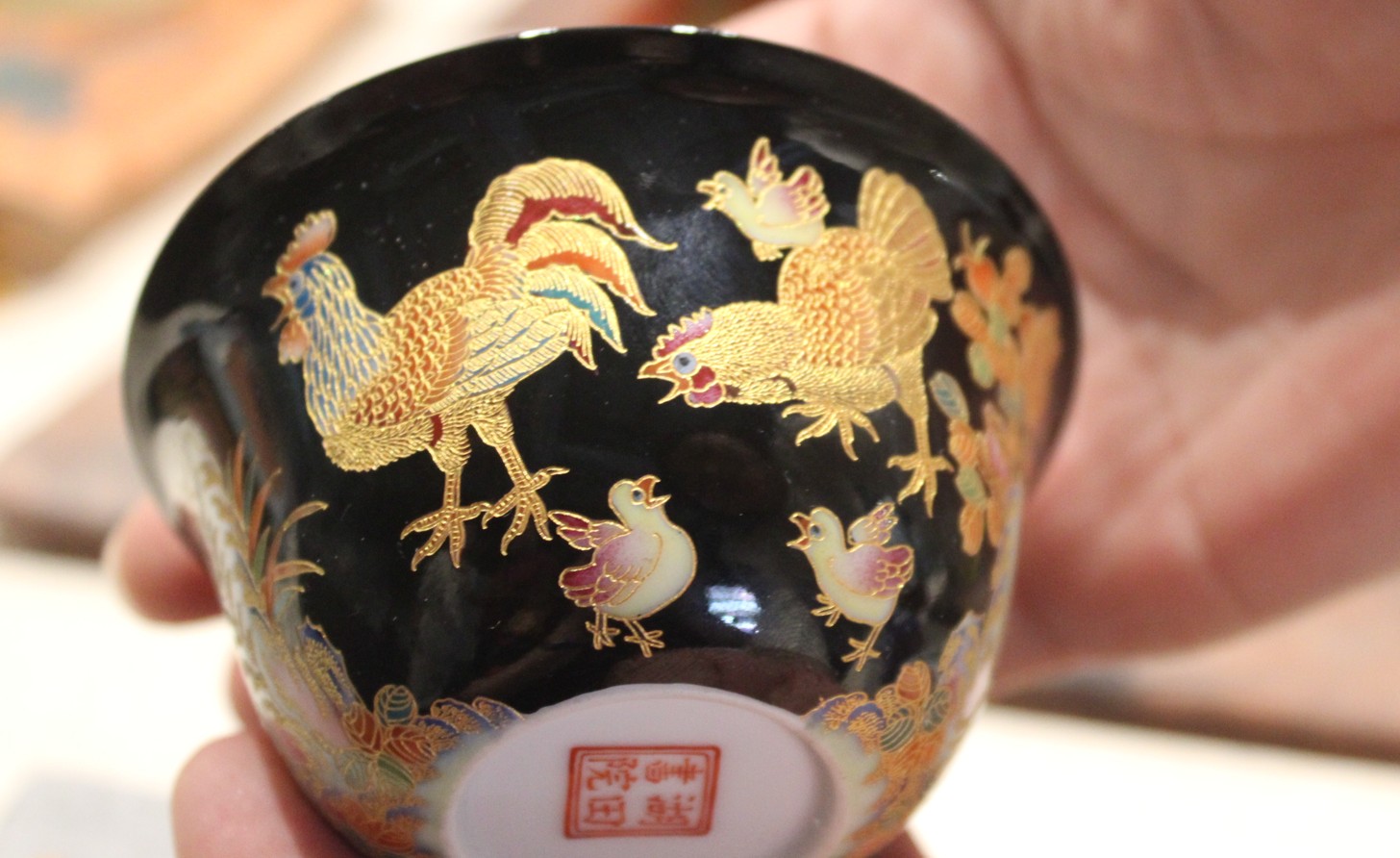
E’ incredibile vedere con quanta attenzione vengono decorate tazze e altre porcellane con smalti policromi e dettagli in filo d’oro, una tecnica complessa che mette assieme pittura, rilievo e lavorazioni preziose.
Il valore dell’artigianato autentico
Osservando da vicino le tazze e i piatti esposti si comprende immediatamente perché queste opere raggiungano quotazioni importanti. Alcuni pezzi presentati alla mostra avevano un valore compreso tra 380 e 400 euro, prezzi che riflettono le centinaia di ore di lavoro necessarie alla loro realizzazione.
Dietro ogni oggetto vi è una lunga filiera di competenze: dalla preparazione dell’impasto alla modellazione, dalla prima cottura alla decorazione pittorica, fino all’applicazione degli smalti e delle finiture preziose.
Le manifatture di Jingdezhen oggi
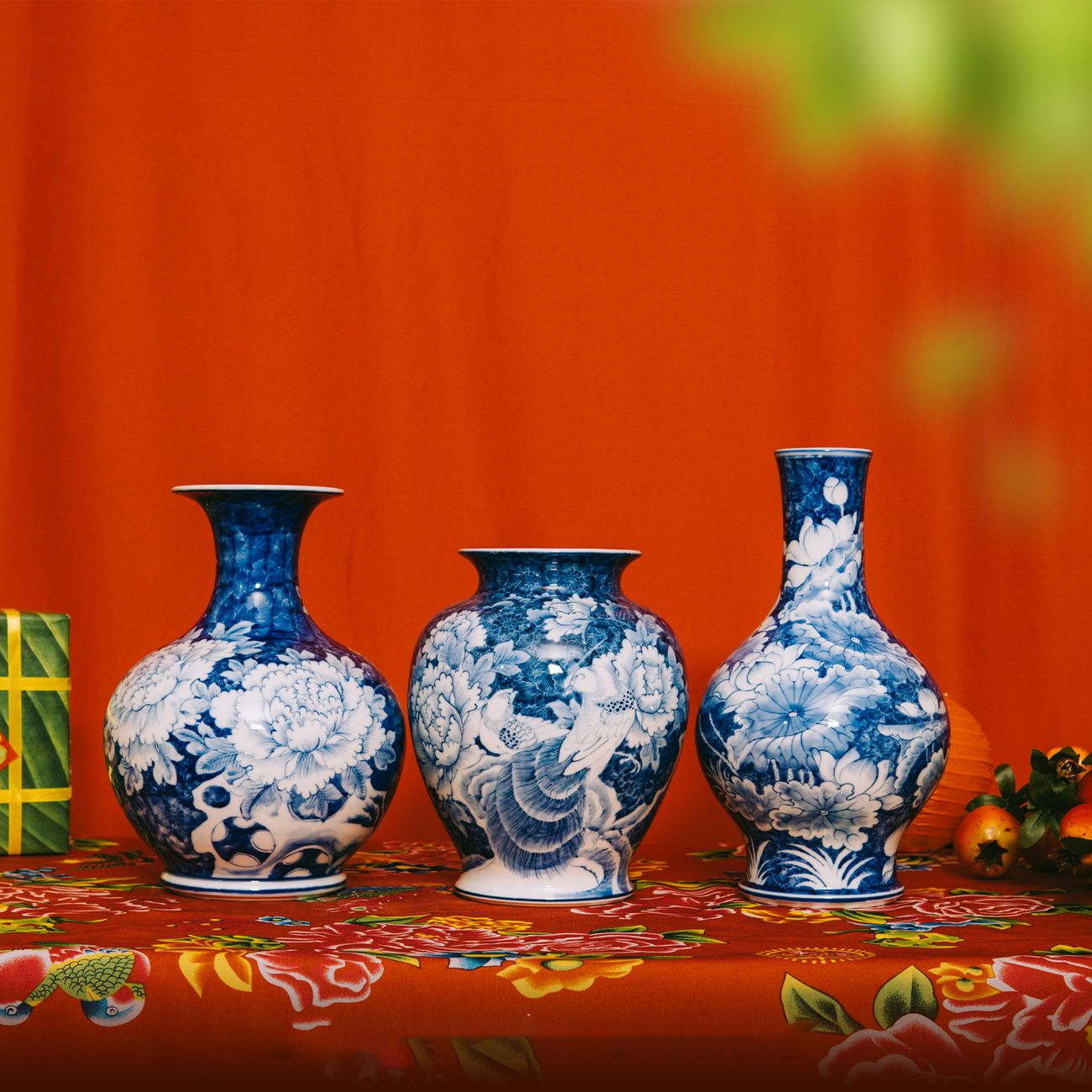
Le manifatture contemporanee di Jingdezhen continuano a essere rinomate in tutto il mondo. Accanto a produzioni più moderne, operano laboratori familiari e scuole d’arte che custodiscono tecniche antiche tramandate da secoli.
Molti maestri ceramisti scelgono ancora di lavorare secondo metodi tradizionali, privilegiando la qualità rispetto alla quantità. È proprio questo approccio a rendere le porcellane di Jingdezhen oggetti ricercati da collezionisti, musei e appassionati d’arte in tutto il mondo.
La città è oggi uno dei principali centri internazionali per la ricerca artistica sulla ceramica, attirando studenti, artisti e designer provenienti da ogni continente. Qui la tradizione imperiale non è un semplice ricordo del passato, ma una realtà viva che continua a evolversi senza perdere la propria identità.
Una semplice tazza da tè può celare un universo fatto di storia, studio, tecnica e dedizione.
Le porcellane di Jingdezhen sono un patrimonio culturale che racconta secoli di civiltà e un sapere artigianale sempre più raro nel panorama contemporaneo.
In un mondo che corre veloce, queste opere ci ricordano il valore del tempo, della manualità e della bellezza costruita lentamente, pennellata dopo pennellata.
Per il momento il sempre vostro Michelangelo Buonarroti vi saluta dandovi appuntamento ai prossimi post e sui social.
Jingdezhen, the city of porcelain that defies time: a journey through hand-painted Chinese art
From ancient imperial kilns to contemporary workshops: the value of porcelain crafted entirely by hand
In an era of industrial production, there are still places where time seems to flow according to ancient rhythms. One such place is Jingdezhen, in the Chinese province of Jiangxi, universally known as the “Capital of Porcelain.”
For over 1,800 years, this city has represented the heart of the finest Chinese ceramic tradition, a cultural heritage that lives on thanks to master craftsmen capable of transforming clay, fire, and color into authentic works of art.
Jingdezhen’s fame dates back to the imperial era, when its factories produced porcelain exclusively for the emperors’ courts. Even today, the city maintains a central role in Chinese artistic production, hosting schools, workshops, and studios where traditional techniques are passed down to new generations.
The Meeting at the Florence Crafts Fair
During the Florence Crafts Fair, I had the opportunity to meet an extraordinary artist from the great Chinese ceramic tradition. The artist, who also runs a school in her country dedicated to teaching porcelain painting, brought some of her magnificent, entirely handcrafted creations to Italy.
Communication was not easy: the artist speaks only Chinese, and the dialogue required the assistance of a young Chinese student studying Italian, who acted as interpreter. Thanks to her guidance, it was possible to gain a closer look at the work behind these extraordinarily refined works.
Four Months of Work for a Single Cup
Among the most surprising aspects that emerged during the conversation was the time required to complete a single object.
The artist explained that she dedicates about four hours a day to decorating porcelain and that a particularly elaborate cup can take up to four months to complete.
There’s a gulf between artistic craftsmanship and mass production. Each decorative element is handcrafted with traditional tools and the precision of a miniaturist.
Ancient brushes and techniques passed down through generations
Porcelain painting represents one of the most sophisticated forms of Chinese craftsmanship. The brushes used are extremely thin and made from select animal hair, such as wolf, goat, or badger, ensuring elasticity and absolute control of the stroke.
Every line, every nuance, and every floral detail requires years of practice. The artist’s gesture cannot be improvised: the color must be applied with pinpoint precision before the subsequent firings that permanently fix the decoration to the surface.
It’s incredible to see the care with which cups and other porcelains are decorated with polychrome enamels and gold thread details, a complex technique that combines painting, relief, and precious workmanship.
The Value of Authentic Craftsmanship
A closer look at the cups and plates on display immediately reveals why these works command such high prices. Some pieces presented at the exhibition were valued between €380 and €400, prices that reflect the hundreds of hours of work required to create them.
Behind each object lies a long chain of expertise: from preparing the clay to modeling, from the first firing to the painted decoration, up to the application of glazes and precious finishes.
Jingdezhen Manufactures Today
Contemporary Jingdezhen manufactures continue to be renowned worldwide. Alongside more modern productions, family workshops and art schools preserve ancient techniques passed down for centuries.
Many master ceramists still choose to work according to traditional methods, prioritizing quality over quantity. It is precisely this approach that makes Jingdezhen porcelain sought-after by collectors, museums, and art enthusiasts around the world.
The city is now one of the leading international centers for artistic ceramic research, attracting students, artists, and designers from every continent. Here, the imperial tradition is not a mere memory of the past, but a living reality that continues to evolve without losing its identity.
A simple teacup can conceal a universe of history, study, technique, and dedication.
Jingdezhen porcelain is a cultural heritage that recounts centuries of civilization and a craftsmanship that is increasingly rare in the contemporary world.
In a fast-paced world, these works remind us of the value of time, craftsmanship, and beauty built slowly, brushstroke by brushstroke.
For now, yours truly, Michelangelo Buonarroti bids farewell and invites you to join him in future posts and on social media.

Sostienici – Support Us
Se questo blog ti piace e ti appassiona, puoi aiutarci a farlo crescere sempre più sostenendoci in modo concreto condividendo i post, seguendo le pagine social e con un contributo che ci aiuta ad andare avanti con il nostro lavoro di divulgazione. . ENGLISH: If you like and are passionate about this blog, you can help us make it grow more and more by supporting us in a concrete way by sharing posts, following social pages and with a contribution that helps us to move forward with our dissemination work.
10,00 €

Condividi:


Questo sono io




sostienici

Sostienici – Support Us
Se questo blog ti piace e ti appassiona, puoi aiutarci a farlo crescere sempre più sostenendoci in modo concreto condividendo i post, seguendo le pagine social e con un contributo che ci aiuta ad andare avanti con il nostro lavoro di divulgazione. . ENGLISH: If you like and are passionate about this blog, you can help us make it grow more and more by supporting us in a concrete way by sharing posts, following social pages and with a contribution that helps us to move forward with our dissemination work.
€10,00


