

L’amore che consuma l’anima
Molte volte il mio cuore ha conosciuto il fuoco dell’amore. Più volte si è acceso, consumato dalla passione, e altrettante volte si è spento, lasciando dietro di sé soltanto cenere e memoria. Eppure, nonostante gli anni trascorsi e i sentimenti ormai logorati dal tempo, esiste un tormento più forte di tutti gli altri.
È l’ultimo dolore d’amore, quello che sembra non concedere tregua. Un dolore così profondo che sarebbe davvero mortale se non intervenisse la morte stessa a liberarmene.
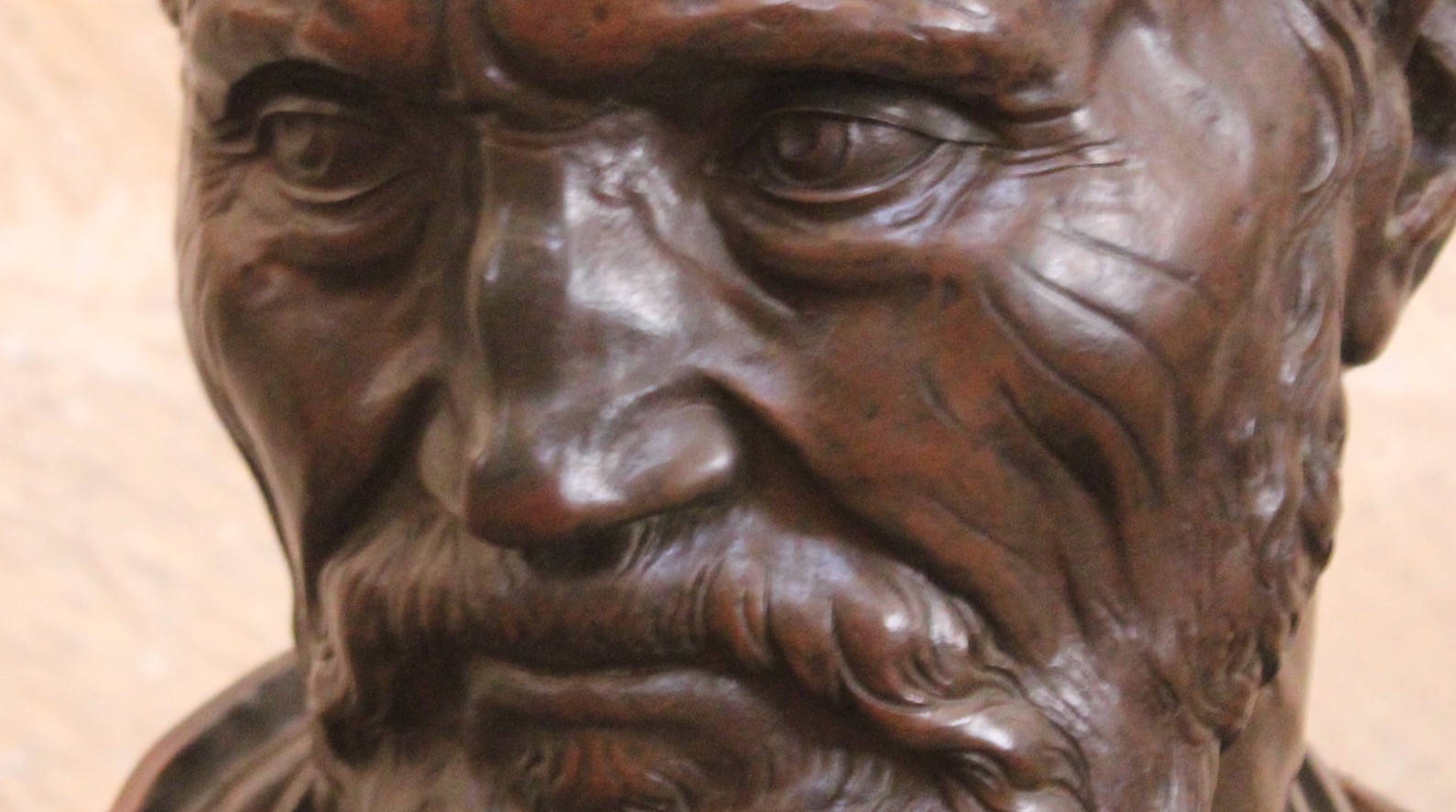
L’amore che consuma l’anima e il pensiero della morte
Nel mio animo convivono due morti diverse. Da una parte vi è la morte provocata dall’amore, quella sofferenza che lacera il cuore, svuota le forze e rende ogni giorno più gravoso del precedente. Dall’altra vi è la morte terrena, quella che pone fine all’esistenza umana.
Questo contrasto domina ogni mio pensiero. L’amore continua ad avvampare dentro di me come una fiamma che non si spegne e, proprio mentre mi consuma, spinge la mia anima a desiderare l’ultimo dei miei giorni.
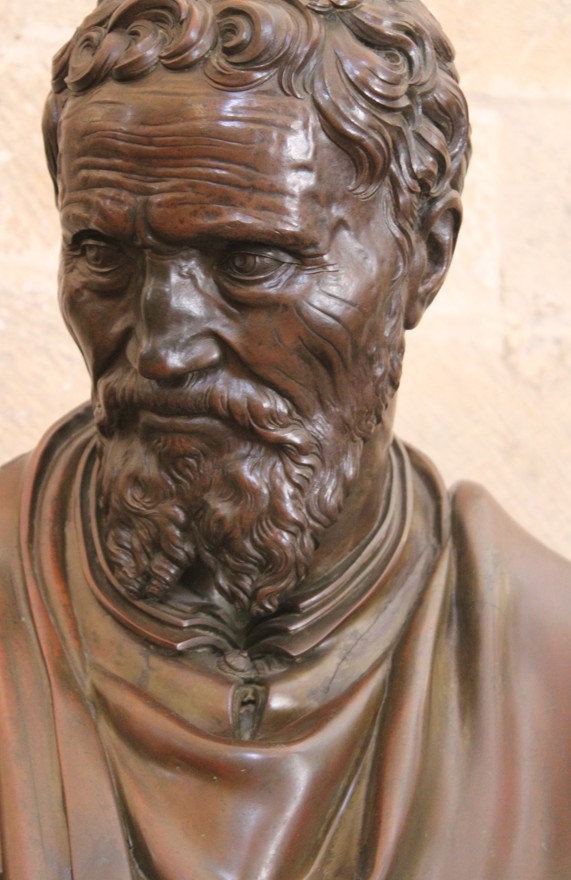
Il desiderio dell’ultimo giorno come inizio della vera serenità
Per molti l’ultimo giorno rappresenta una fine. Per me, invece, potrebbe essere un principio.
Se l’amore terreno genera sofferenza, allora la morte diventa la soglia di una condizione più serena. L’ultimo giorno della vita mortale coinciderebbe con il primo giorno trascorso nella pace eterna, in quella corte più tranquilla che la tradizione cristiana identifica con il Paradiso.
Non vi è disperazione in questo pensiero, ma la speranza di una quiete che il mondo terreno non riesce più a concedere.
Nessun rifugio può salvare chi soffre per amore
Ho cercato una via di fuga. Ho immaginato un rifugio capace di sottrarre la mia vita al lento morire imposto dalla passione. Ma nessuna strada sembra davvero efficace.
Non esiste riparo contro questo tormento. Nessuna consolazione, nessun conforto, nessuna distanza riesce a liberare l’anima da una sofferenza tanto radicata.
Per questo motivo giungo a una conclusione estrema: soltanto una morte aspra e crudele può interrompere quella morte interiore che l’amore infligge ogni giorno.
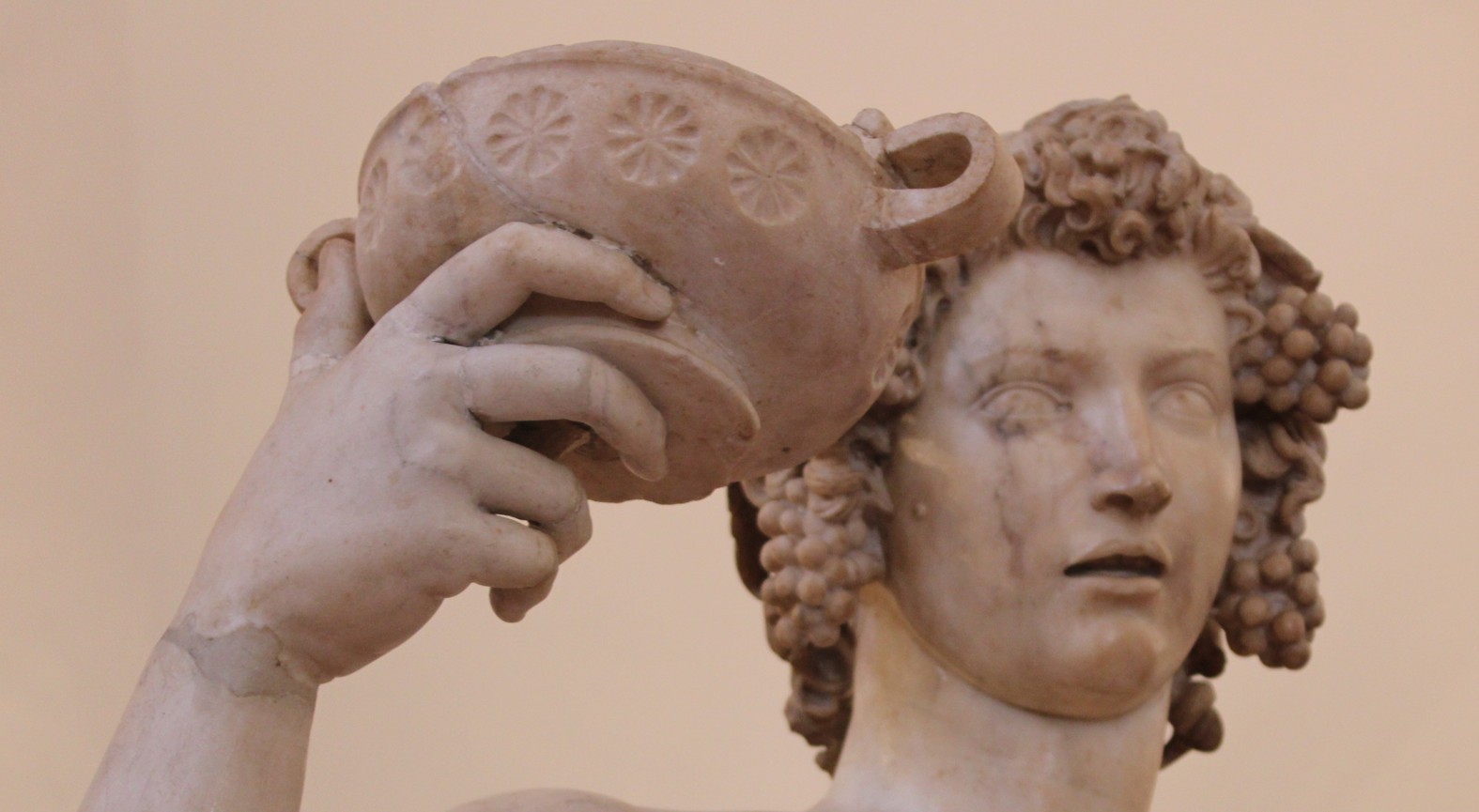
Contro la morte d’amore solo la morte può essere più forte
Il paradosso che emerge dai miei versi è terribilmente semplice. Contro la morte provocata dall’amore, soltanto la morte fisica possiede una forza superiore.
Ogni altro aiuto si rivela insufficiente. Persino la pietà della donna amata, che dovrebbe alleviare il dolore dell’amante, rischia di amplificarlo. Invece di guarire la ferita, la rende più profonda.
Così ciò che appare come conforto si trasforma in una seconda sofferenza, in una doppia morte per chi può ritrovare la vita soltanto attraverso la morte stessa.
Il significato profondo del madrigale
In questi versi ho voluto rappresentare il conflitto tra desiderio terreno e aspirazione spirituale. L’amore non è soltanto fonte di gioia: può diventare una prova capace di consumare l’uomo fino a spingerlo a guardare oltre la vita presente.
La continua ripetizione della parola “morte” non è casuale. Essa esprime l’ossessione di chi si sente prigioniero di un dolore senza rimedio e vede nella dimensione eterna l’unica possibilità di pace.
È un percorso che conduce dalla passione alla trascendenza, dalla sofferenza del cuore alla speranza di una serenità definitiva.
Ancor che ’l cor già molte volte sia
d’amore acceso e da troppi anni spento,
l’ultimo mie tormento
sarie mortal senza la morte mia.
Onde l’alma desia
de’ giorni mie, mentre c’amor m’avvampa,
l’ultimo, primo in più tranquilla corte.
Altro refugio o via
mie vita non iscampa
dal suo morir, c’un’aspra e crudel morte;
né contr’a morte è forte
altro che morte, sì c’ogn’altra aita
è doppia morte a chi per morte ha vita.
Per il momento il sempre vostro Michelangelo Buonarroti vi saluta dandovi appuntamento ai prossimi post e sui social.
The Love That Consumes the Soul
Many times my heart has known the fire of love. It has ignited, consumed by passion, and just as many times it has gone out, leaving behind only ashes and memories. Yet, despite the years that have passed and the feelings now worn down by time, there is a torment stronger than all others.
It is the ultimate pain of love, the one that seems to grant no respite. A pain so deep that it would be truly mortal if death itself did not intervene to free me.
The Love That Consumes the Soul and the Thought of Death
Two different deaths coexist in my soul. On the one hand, there is the death brought on by love, that suffering that tears the heart, drains strength, and makes each day more burdensome than the last. On the other, there is earthly death, the one that ends human existence.
This contrast dominates my every thought. Love continues to burn within me like an unquenchable flame, and even as it consumes me, it pushes my soul to long for my last day.
The longing for the last day as the beginning of true serenity
For many, the last day represents an end. For me, however, it could be a beginning.
If earthly love generates suffering, then death becomes the threshold to a more serene state. The last day of mortal life would coincide with the first day spent in eternal peace, in that more tranquil court that Christian tradition identifies with Heaven.
There is no despair in this thought, but the hope of a quiet that the earthly world can no longer grant.
No refuge can save those who suffer for love.
I have searched for an escape. I have imagined a refuge capable of saving my life from the slow death imposed by passion. But no path seems truly effective.
There is no refuge from this torment. No consolation, no comfort, no distance can free the soul from such deep-seated suffering.
For this reason, I come to an extreme conclusion: only a harsh and cruel death can interrupt the inner death that love inflicts every day.
Only death can be stronger against the death of love
The paradox that emerges from my verses is terribly simple. Against the death caused by love, only physical death possesses a superior strength.
All other help proves insufficient. Even the pity of the beloved woman, which should ease her lover’s pain, risks amplifying it. Instead of healing the wound, it deepens it.
Thus, what appears to be comfort turns into a second suffering, a double death for those who can only find life through death itself.
The profound meaning of the madrigal
In these verses, I wanted to represent the conflict between earthly desire and spiritual aspiration. Love is not only a source of joy: it can become a test capable of consuming a person to the point of pushing them to look beyond this present life.
The constant repetition of the word “death” is not accidental. It expresses the obsession of those who feel trapped in incurable pain and see eternal life as the only possibility of peace.
It is a journey that leads from passion to transcendence, from the suffering of the heart to the hope of definitive serenity.
Ancor che ’l cor già molte volte sia
d’amore acceso e da troppi anni spento,
l’ultimo mie tormento
sarie mortal senza la morte mia.
Onde l’alma desia
de’ giorni mie, mentre c’amor m’avvampa,
l’ultimo, primo in più tranquilla corte.
Altro refugio o via
mie vita non iscampa
dal suo morir, c’un’aspra e crudel morte;
né contr’a morte è forte
altro che morte, sì c’ogn’altra aita
è doppia morte a chi per morte ha vita.
For now, yours truly, Michelangelo Buonarroti, bids farewell and invites you to join him in future posts and on social media.

Sostienici – Support Us
Se questo blog ti piace e ti appassiona, puoi aiutarci a farlo crescere sempre più sostenendoci in modo concreto condividendo i post, seguendo le pagine social e con un contributo che ci aiuta ad andare avanti con il nostro lavoro di divulgazione. . ENGLISH: If you like and are passionate about this blog, you can help us make it grow more and more by supporting us in a concrete way by sharing posts, following social pages and with a contribution that helps us to move forward with our dissemination work.
10,00 €
Articoli
Condividi:


Questo sono io




sostienici

Sostienici – Support Us
Se questo blog ti piace e ti appassiona, puoi aiutarci a farlo crescere sempre più sostenendoci in modo concreto condividendo i post, seguendo le pagine social e con un contributo che ci aiuta ad andare avanti con il nostro lavoro di divulgazione. . ENGLISH: If you like and are passionate about this blog, you can help us make it grow more and more by supporting us in a concrete way by sharing posts, following social pages and with a contribution that helps us to move forward with our dissemination work.
€10,00


Che meraviglia questi versi. Fa sempre un certo effetto vedere la fragilità di un gigante come Michelangelo: un uomo immenso che però, davanti all’amore, si riscopre indifeso come tutti noi, anche se gli anni passano. Bellissimo post, grazie per averlo condiviso.
"Mi piace"Piace a 1 persona
Grazie Marco
"Mi piace""Mi piace"