
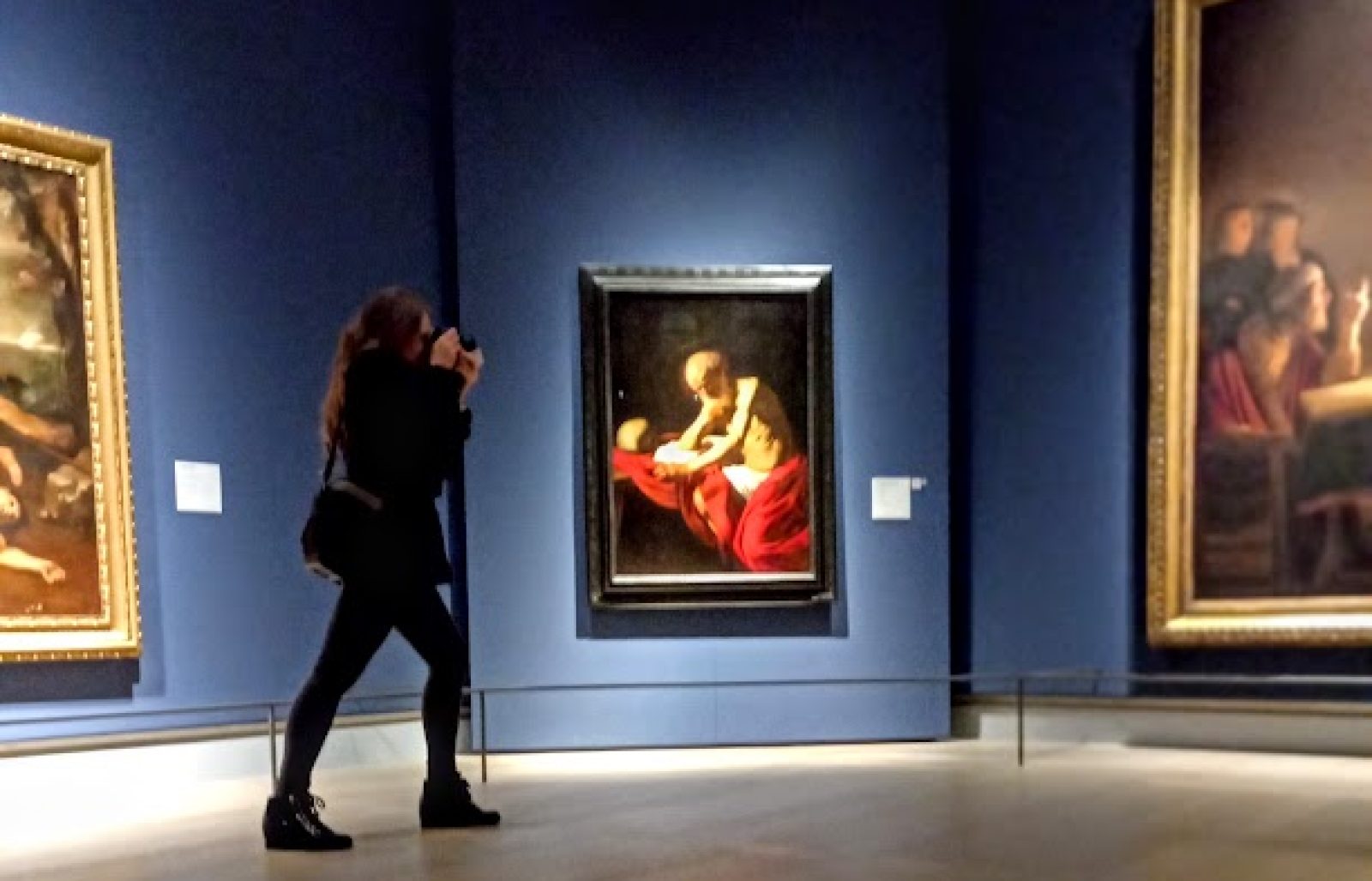
Museo Mitoraj a Pietrasanta: ecco com’è il nuovo spazio dedicato alla scultura contemporanea
Il nuovo museo nasce dall’eredità artistica di Igor Mitoraj e punta a diventare un punto di riferimento internazionale per la scultura contemporanea in Versilia. Chissà se ci riuscirà.
Museo Mitoraj: apre domani a Pietrasanta. Ecco l’anteprima
In quello che fino a pochi anni fa era il Mercato Coperto di Pietrasanta, da domani aprirà ufficialmente al pubblico il nuovo Museo Mitoraj.
Mancano ancora alcuni interventi da completare in vista dell’inaugurazione di sabato 6 giugno, alla quale prenderanno parte anche il ministro della Cultura Alessandro Giuli, il presidente della Regione Toscana Eugenio Giani e il sindaco di Pietrasanta Alberto Stefano Giovannetti.
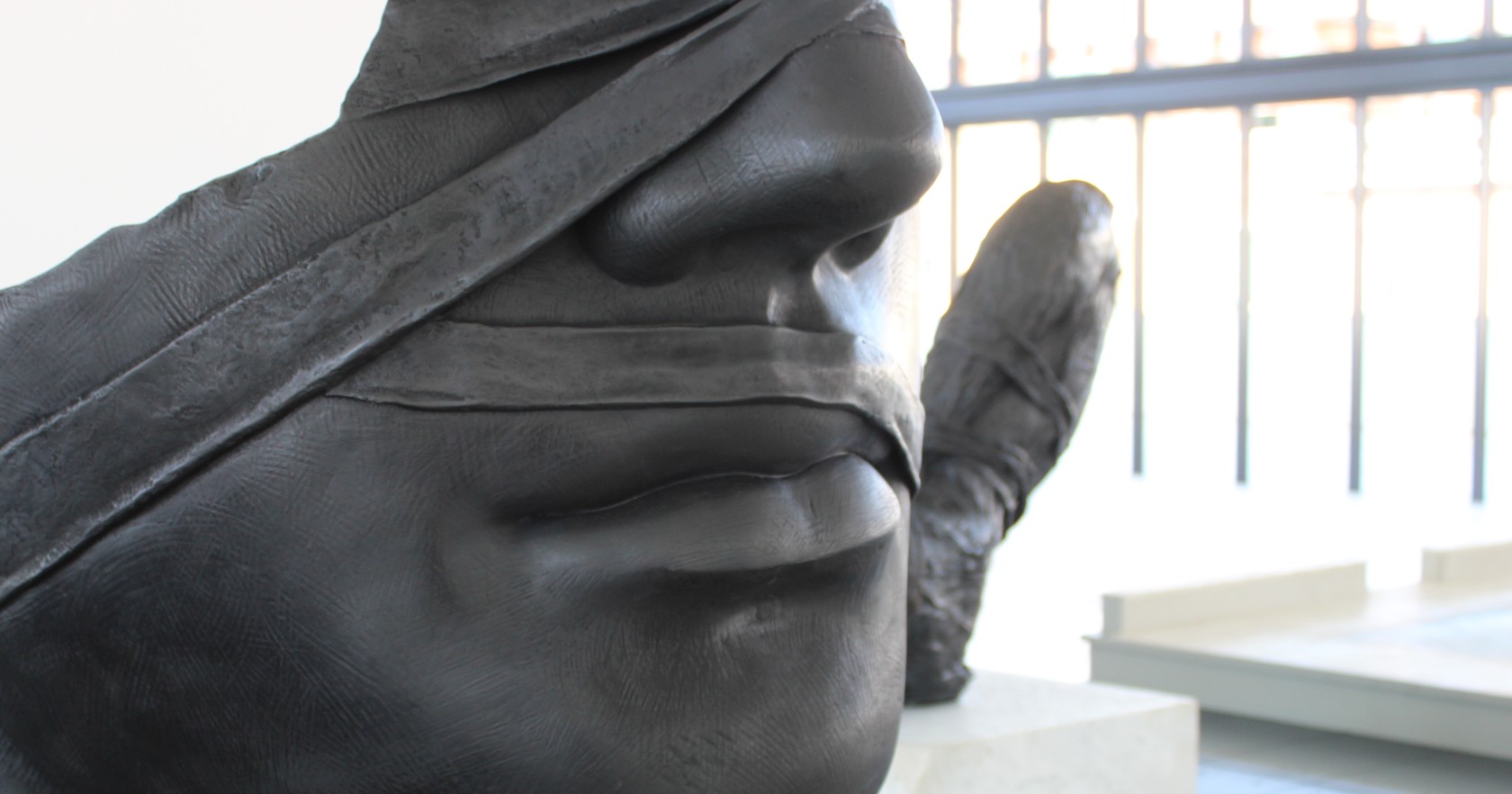
Ad accogliere oggi i giornalisti è stato l’architetto e curatore Frank Michael Boehm, direttore della Fondazione Museo Mitoraj. A lui è spettato il compito di raccontare cosa sarà il nuovo museo. Un progetto ancora in evoluzione, con diverse idee già delineate ma non ancora completate, come il giardino esterno e parte del piano inferiore, tuttora interessati da lavori e interventi di allestimento.
“L’edificio ricorda, per certi aspetti, alcune opere di Pier Luigi Nervi: una struttura molto particolare che, grazie al restauro dello studio OBR – Open Building Research, è diventata uno spazio splendido. Si percepisce ancora il suo passato funzionale, non industriale ma comunque legato a un utilizzo pratico. Allo stesso tempo appare come un edificio contemporaneo, nuovo, che pone anche delle sfide. Io considero questo un aspetto molto positivo”.
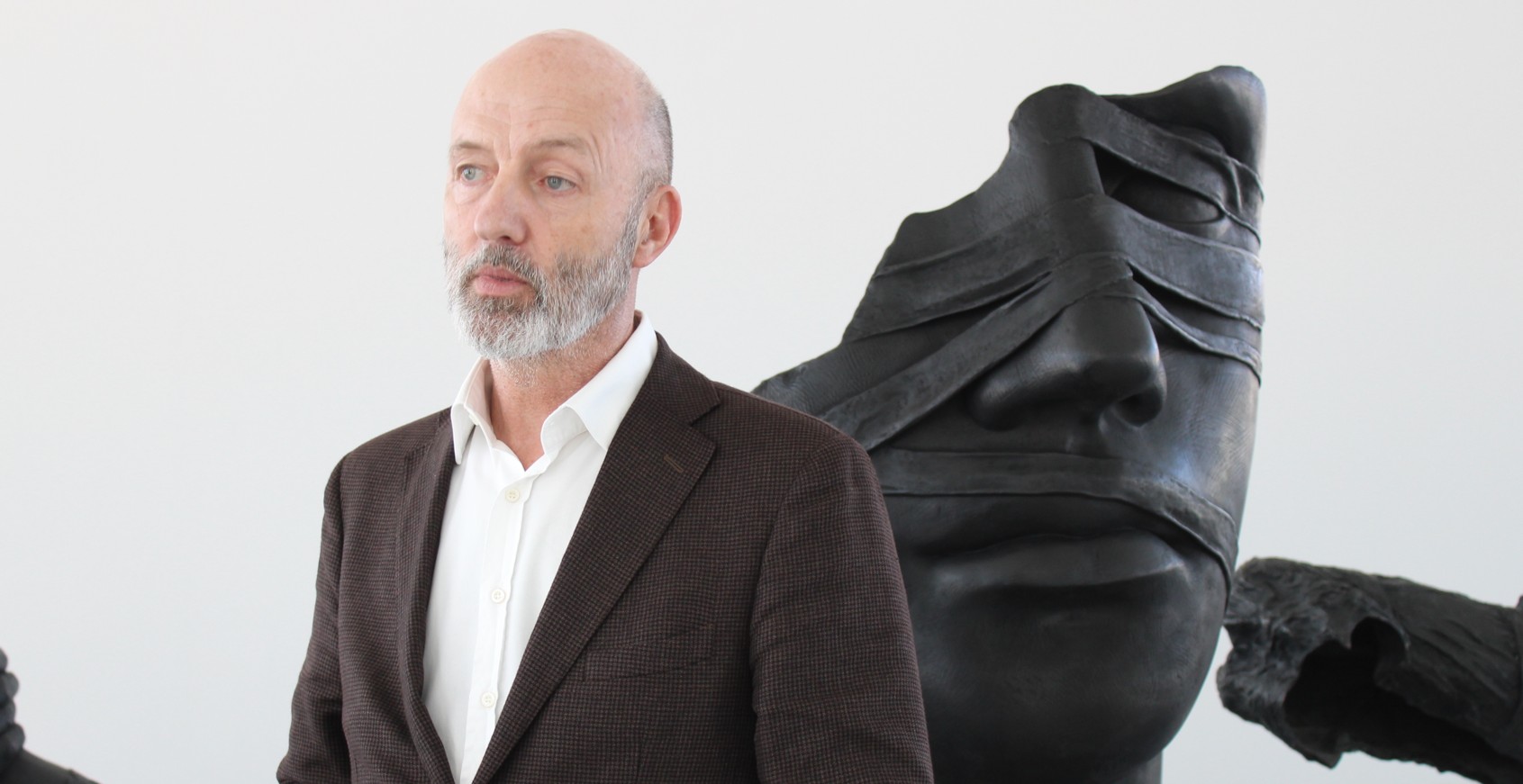
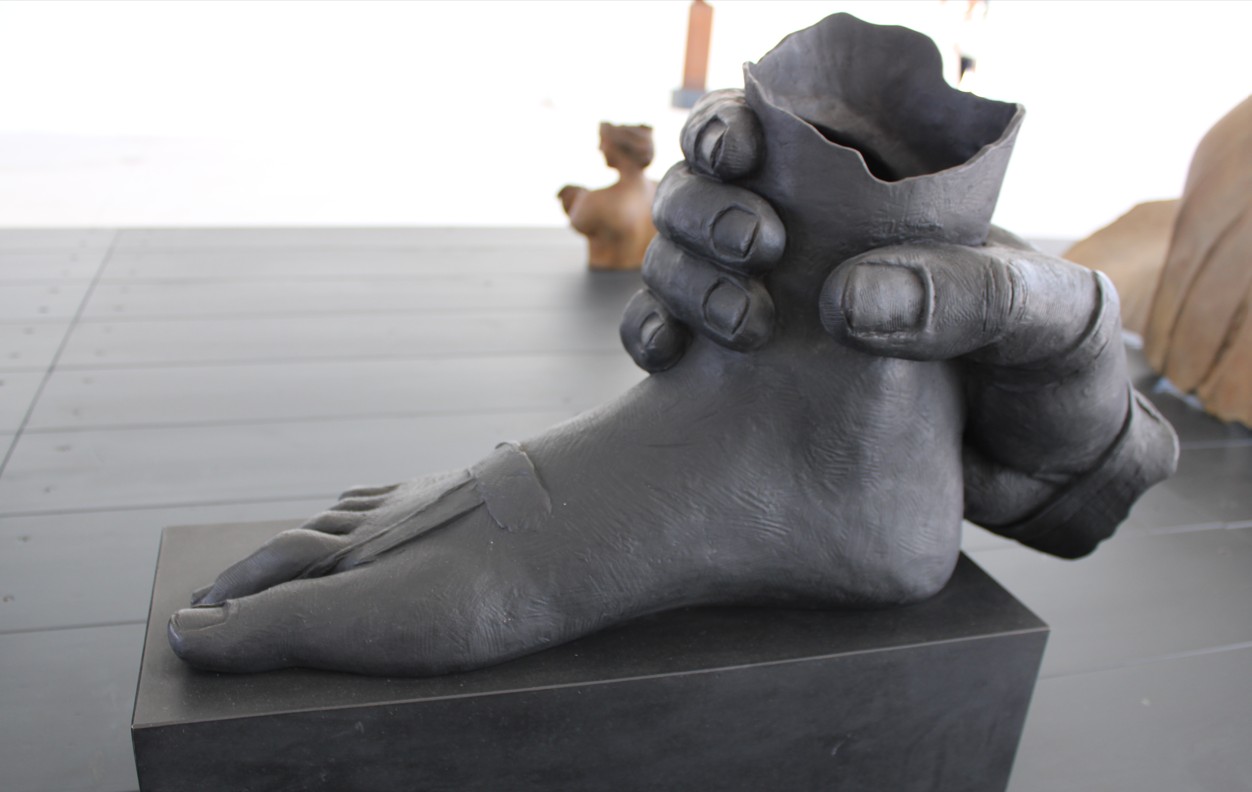
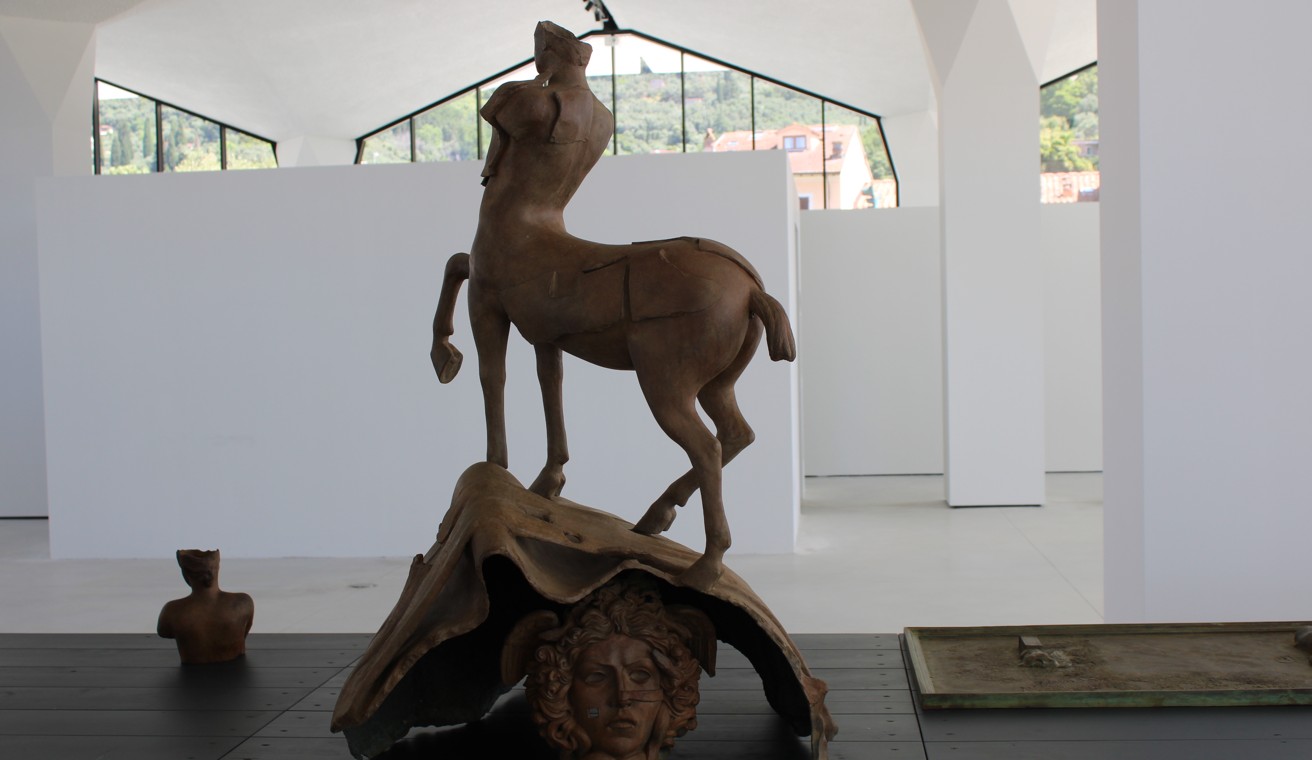
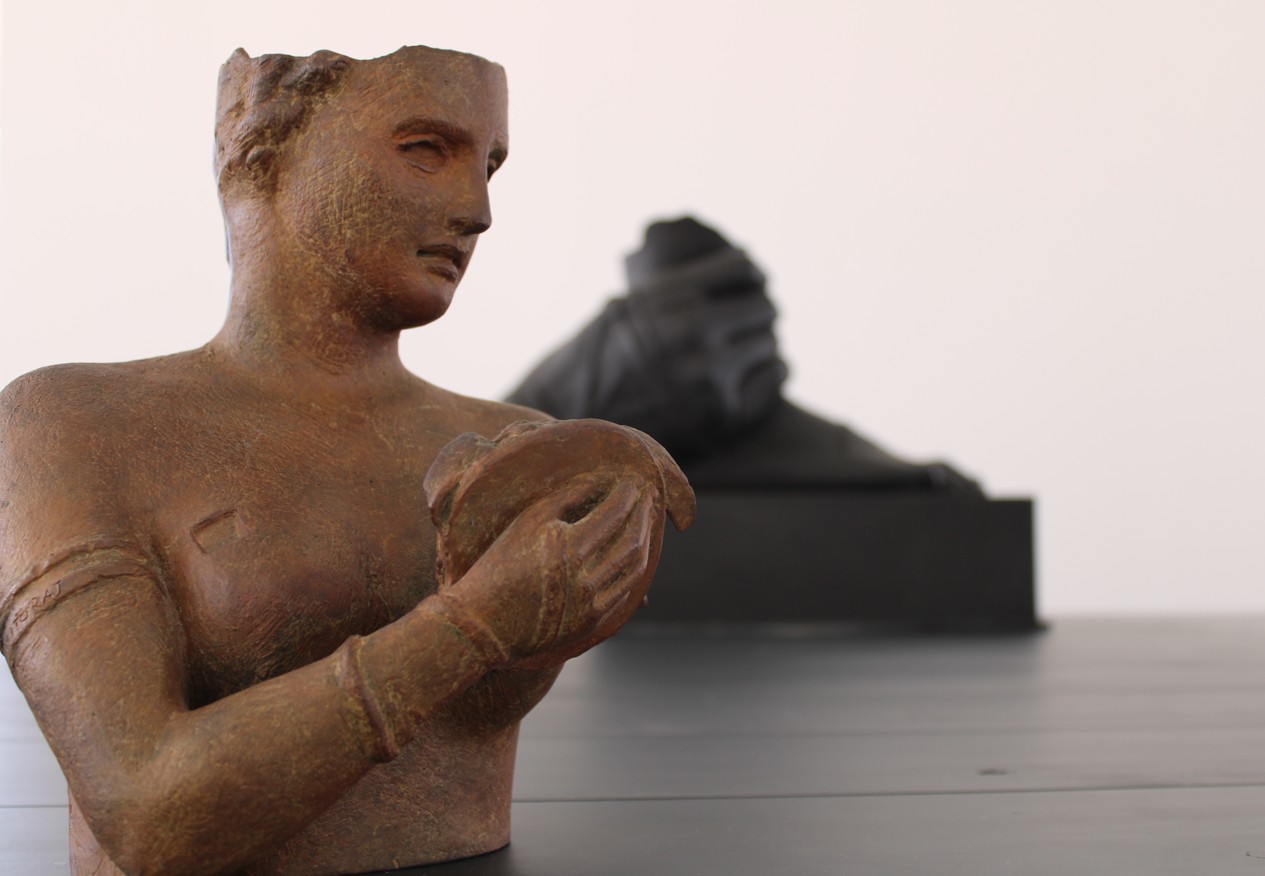
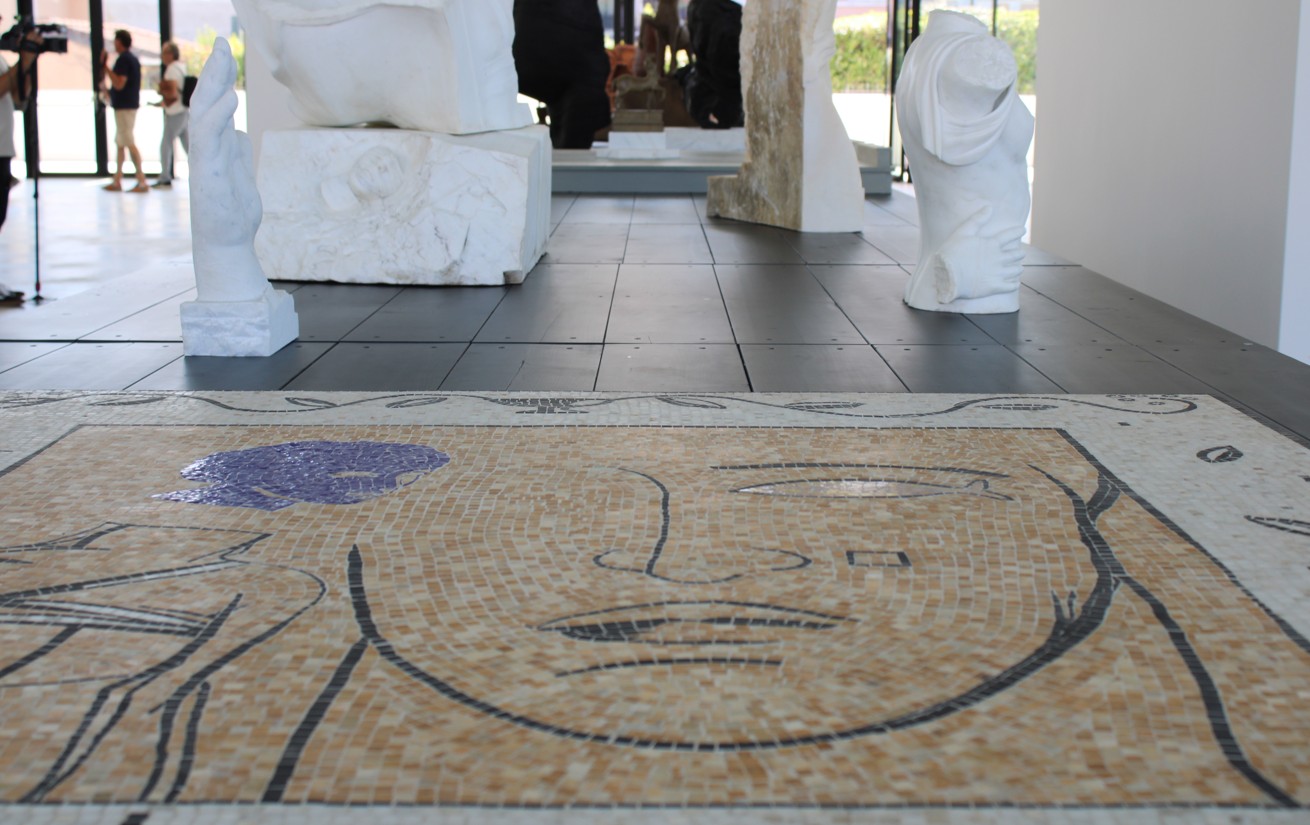
L’edificio vetrato prende luce da tutti e quattro i lati. Al centro sul grande piedistallo a forma di basso parallelepipedo, sono collocate la maggior parte delle opere di Mitoraj presenti nella mostra in corso ‘Mitoraj. Presente’.
Sono esposte lì in via temporanea ma poi gli stessi spazi verranno utilizzate per accogliere artisti contemporanei.
“Quando sono arrivato, era chiaro che questo museo dovesse diventare non solo un luogo dedicato a Mitoraj, ma anche uno spazio aperto a molti altri artisti – prosegue il presidente Boehm – Partiamo dalla donazione dell’erede di Igor Mitoraj John Paul Sabatier: 69 opere senza le quali non sarebbe successo nulla. Da quella donazione è nato poi un progetto più ampio, con l’ingresso della Regione e del Ministero. Non si è pensato semplicemente a uno spazio che esponesse queste opere, ma a un nuovo luogo culturale dedicato all’arte contemporanea”.
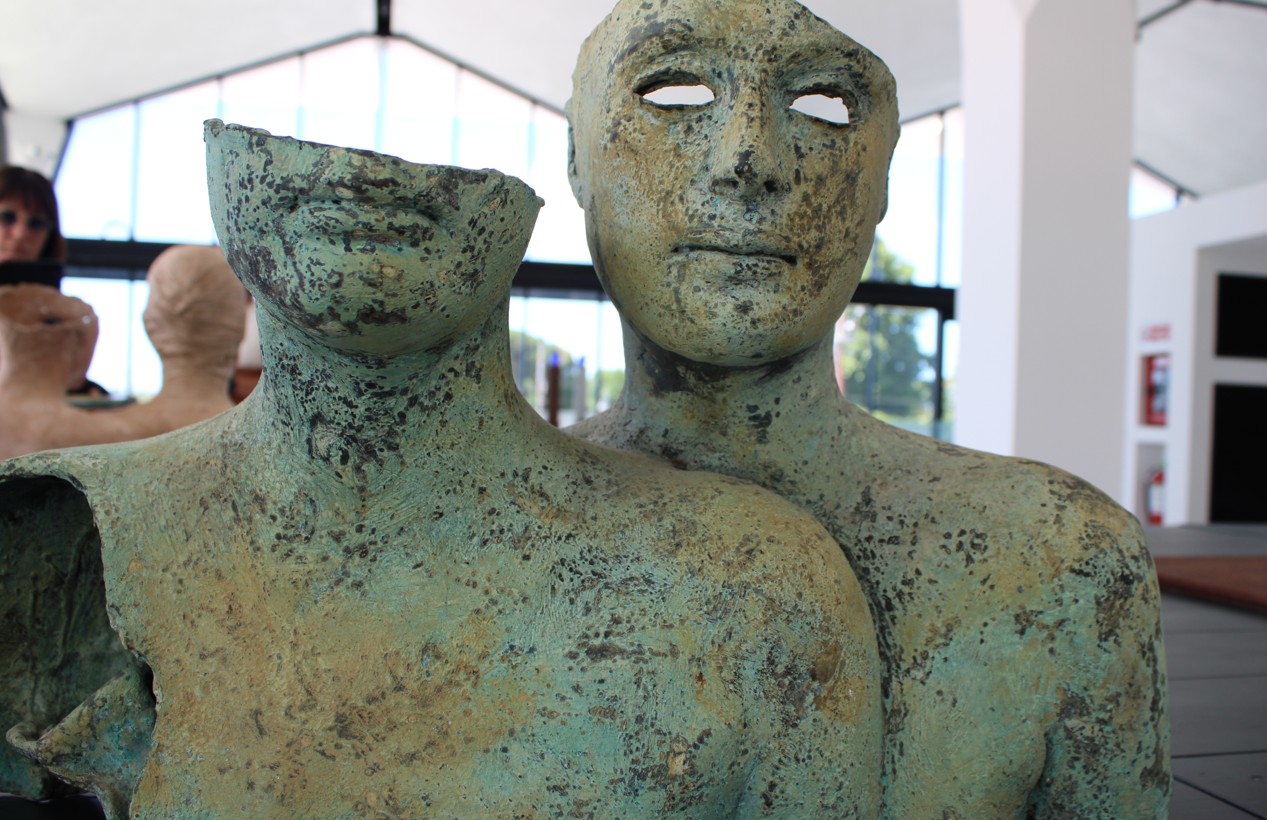
Capisco la scelta di non mettere didascalie alle opere ma non posso e nemmeno voglio condividerla. Per chi si approccia alle stesse senza conoscerle una a una o per chi vuole sapere magari l’anno di realizzazione, il luogo, il materiale con il quale sono state fatte o e altri dettagli significativi è un po’ poco esporle senza alcuna specifica del caso e senza nemmeno un ordine cronologico preciso.
Vero è che nel pieghevole della mostra che sarà in essere fino al 10 gennaio 2027 sono elencate le opere presenti con tanto di anno di realizzazione e materiale scelto dall’artista ma ogni volta dover prendere il dépliant e cercare il titolo dell’opera diventa poco poetico e distrae dalla visita del complesso museale.
In una giornata così importante mi sarei aspettata perlomeno la presenza dell’ufficio stampa e un maggior numero di testate giornalistiche sia generaliste che di settore.
“Lo statuto dice anche che dobbiamo essere consapevoli del nostro contesto: Pietrasanta e la Versilia, un territorio con una tradizione straordinaria legata alle arti e, in particolare, alla scultura. Mitoraj era principalmente uno scultore e la Versilia possiede competenze uniche in questo ambito – prosegue il direttore – per questo, nell’ultimo anno e mezzo, abbiamo definito in modo più preciso la nostra identità: vogliamo concentrarci sulla scultura contemporanea. Questo non significa che non ci saranno mai fotografia, performance o musica, ma che la scultura sarà il centro del progetto. Attorno ad essa dialogheranno altre discipline, come l’artigianato, il design e l’architettura“.
Insomma al Museo Mitoraj, come preannunciato fin dalle sue origini, non ci sarà solo l’artista che ha Pietrasanta ha trovato l’Eldorado ma ospiterà mostre di respiro internazionale dedicate all’arte contemporanea. Per reggere in piedi un museo del genere non mancheranno eventi privati a porte chiuse come riferito dallo stesso direttore, conferenze e altri happening.
Per aver accesso al Museo Mitoraj ci sarà una bigliettazione che al momento sarà di 8 euro per l’intero e 4 per il ridotto.
Ma dove verrà collocata la mirabile opera in bronzo di Marcello Tommasi ‘La Campagna va al mercato’ del 1968 che è stata rimossa per far spazio dinanzi al nuovo Museo? E’ quello che ho chiesto al direttore il quale si dice disponibilissimo a trovare una soluzione opportuna e adeguata per la sua nuova collocazione da discutere con il sindaco di Pietrasanta.
Come accennato prima, da domani il Museo Mitoraj sarà accessibile a tutti e per l’inaugurazione si prevede l’arrivo di circa 700 persone.
Per il momento il sempre vostro Michelangelo Buonarroti vi saluta dandovi appuntamento ai prossimi post e sui social.
Mitoraj Museum in Pietrasanta: Here’s What the New Space for Contemporary Sculpture Looks Like
The new museum builds on the artistic legacy of Igor Mitoraj and aims to become an international reference point for contemporary sculpture in Versilia. Who knows if it will succeed?
Mitoraj Museum: Opening Tomorrow in Pietrasanta. Here’s a Preview
In what until a few years ago was Pietrasanta’s Covered Market, the new Mitoraj Museum will officially open to the public tomorrow.
There are still some work to be completed before the inauguration on Saturday, June 6th, which will also be attended by the Minister of Culture Alessandro Giuli, the President of the Tuscany Region Eugenio Giani, and the Mayor of Pietrasanta Alberto Stefano Giovannetti.
Welcoming journalists today was architect and curator Frank Michael Boehm, director of the Mitoraj Museum Foundation. He was responsible for explaining the new museum’s vision. A project still evolving, with several ideas already outlined but not yet completed, such as the outdoor garden and part of the lower level, which are currently undergoing renovations and remodeling.
“The building is reminiscent, in some ways, of some of Pier Luigi Nervi’s works: a very distinctive structure that, thanks to the restoration by OBR – Open Building Research, has become a splendid space. Its functional past is still evident, not industrial but still connected to practical use. At the same time, it appears as a contemporary, new building that also poses challenges. I consider this a very positive aspect.”
The glass building is illuminated from all four sides. At the center, on a large pedestal shaped like a low parallelepiped, are most of Mitoraj’s works in the Museum. They are displayed there temporarily, but the same spaces will later be used to host contemporary artists.
“When I arrived, it was clear that this museum had to become not only a place dedicated to Mitoraj, but also a space open to many other artists,” President Boehm continues. “We began with the donation of Igor Mitoraj’s heir, John Paul Sabatier: 69 works without which nothing would have happened. From that donation, a broader project was born, with the involvement of the Region and the Ministry. The idea was not simply to create a space to exhibit these works, but a new cultural venue dedicated to contemporary art.”
I understand the choice not to include captions for the works, but I cannot and do not want to share it. For those approaching them without knowing them individually, or for those who want to know the year they were created, the location, the materials they were made from, or other significant details, it is a bit unrealistic to display them without any specifics or even in precise chronological order.
It is true that the brochure for the exhibition, which will run until January 10, 2027, lists the works featured, including the year they were created and the material chosen by the artist, but having to pick up the brochure and search for the title of the work every time becomes unpoetic and distracts from the visit to the museum complex.
On such an important day, I would have expected at least the presence of the press office and a greater number of both general and specialized newspapers.
“The statute also states that we must be aware of our context: Pietrasanta and Versilia, a region with an extraordinary tradition linked to the arts, and sculpture in particular. Mitoraj was primarily a sculptor, and Versilia possesses unique expertise in this field,” the director continues. “That’s why, over the last year and a half, we’ve more precisely defined our identity: we want to focus on contemporary sculpture. This doesn’t mean there will never be photography, performance, or music, but rather that sculpture will be the center of the project. Other disciplines, such as craftsmanship, design, and architecture, will dialogue around it.”
In short, the Mitoraj Museum, as announced from its inception, will not only showcase the artist who found his Eldorado in Pietrasanta, but will also host international exhibitions dedicated to contemporary art. To sustain such a museum, there will be plenty of private events behind closed doors, as the director himself noted, as well as conferences and other happenings.
Admission to the Mitoraj Museum will cost €8 for a full ticket and €4 for a reduced ticket.
But where will Marcello Tommasi’s magnificent 1968 bronze sculpture “The Countryside Goes to Market,” which was removed to make room in front of the new museum, be relocated? This is what I asked the director, who said he was very willing to find a suitable and appropriate solution for its new location, to be discussed with the mayor of Pietrasanta.
As mentioned earlier, starting tomorrow, the Mitoraj Museum will be accessible to all, and approximately 700 people are expected to attend the inauguration.
For now, yours truly, Michelangelo Buonarroti bids you farewell and says he will see you in future posts and on social media.

Sostienici – Support Us
Se questo blog ti piace e ti appassiona, puoi aiutarci a farlo crescere sempre più sostenendoci in modo concreto condividendo i post, seguendo le pagine social e con un contributo che ci aiuta ad andare avanti con il nostro lavoro di divulgazione. . ENGLISH: If you like and are passionate about this blog, you can help us make it grow more and more by supporting us in a concrete way by sharing posts, following social pages and with a contribution that helps us to move forward with our dissemination work.
10,00 €
Articoli
Condividi:


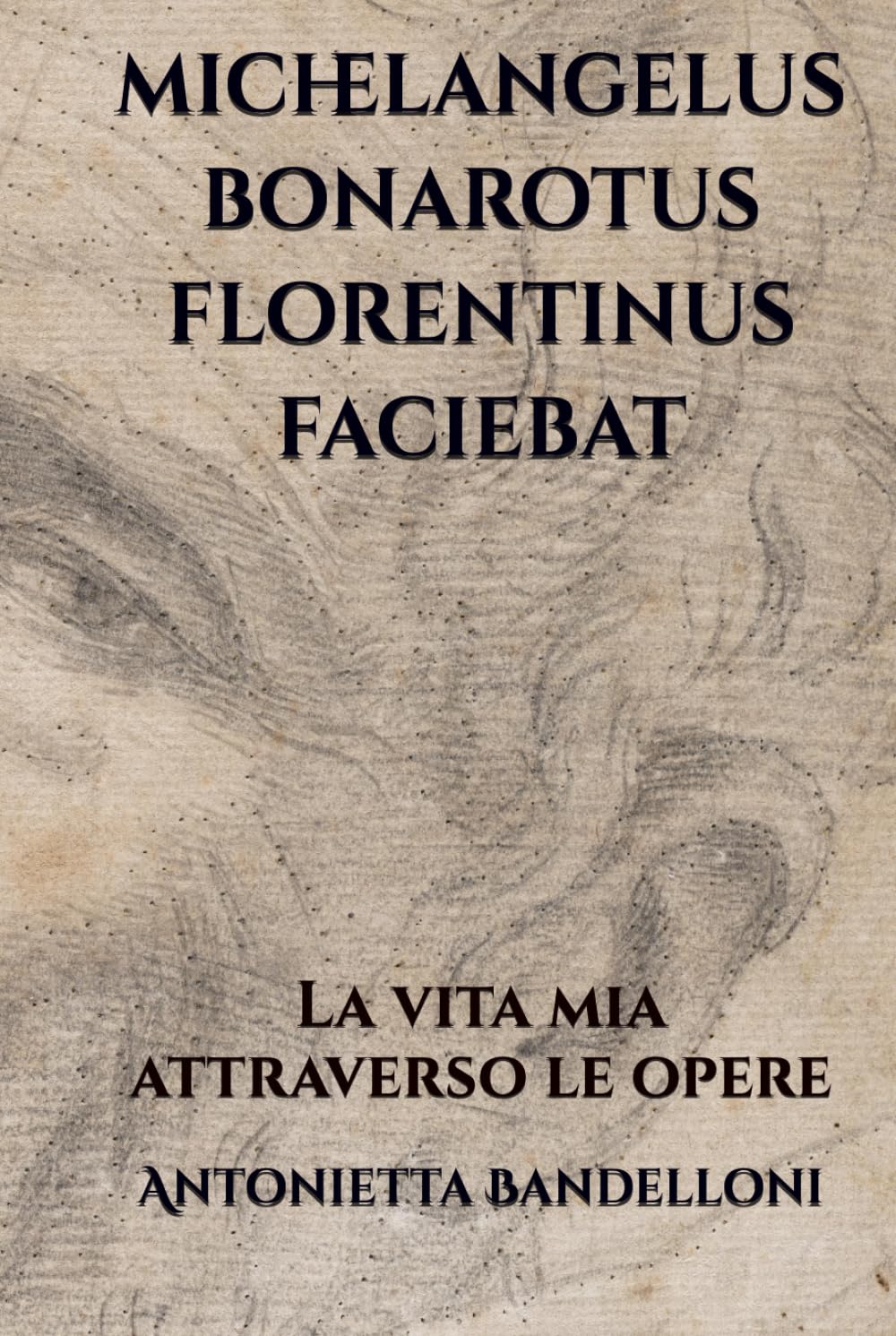
Questo sono io




sostienici

Sostienici – Support Us
Se questo blog ti piace e ti appassiona, puoi aiutarci a farlo crescere sempre più sostenendoci in modo concreto condividendo i post, seguendo le pagine social e con un contributo che ci aiuta ad andare avanti con il nostro lavoro di divulgazione. . ENGLISH: If you like and are passionate about this blog, you can help us make it grow more and more by supporting us in a concrete way by sharing posts, following social pages and with a contribution that helps us to move forward with our dissemination work.
€10,00


1 commento »