
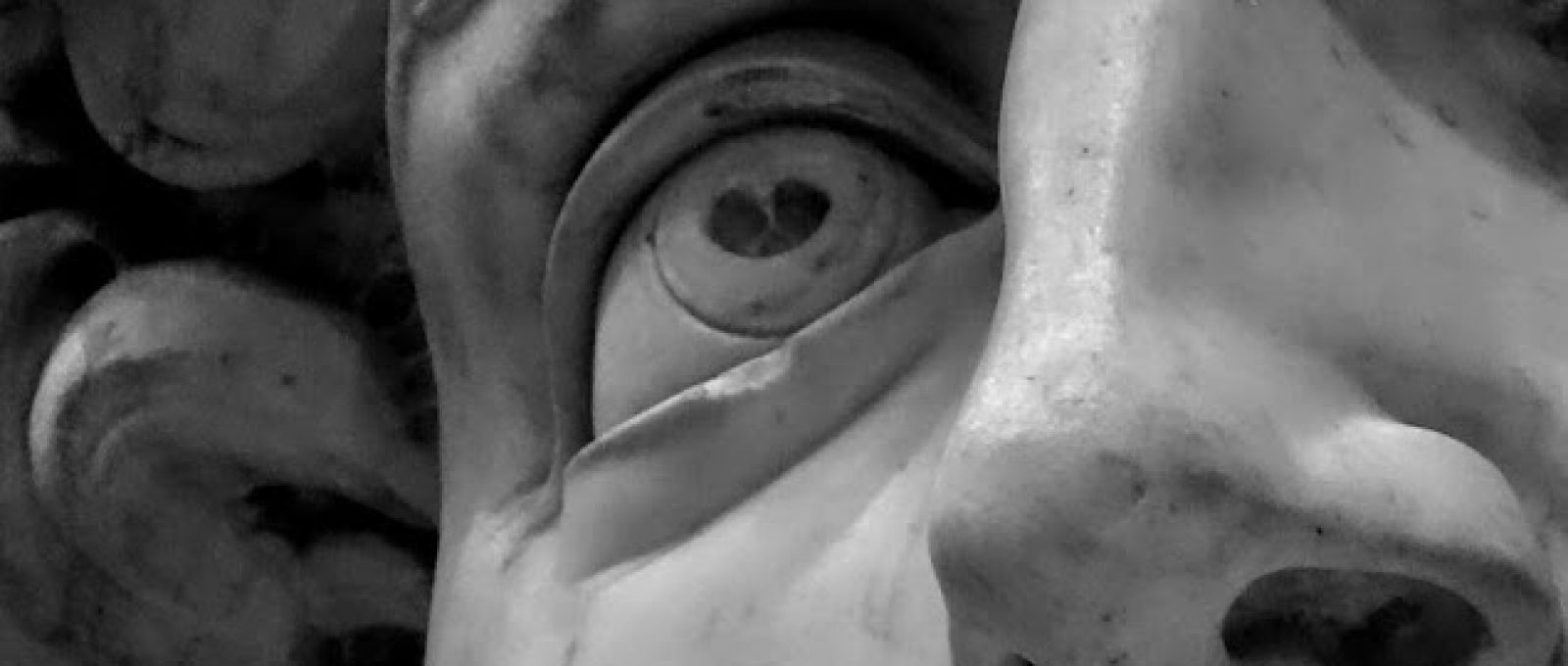
Il Prigione Atlante
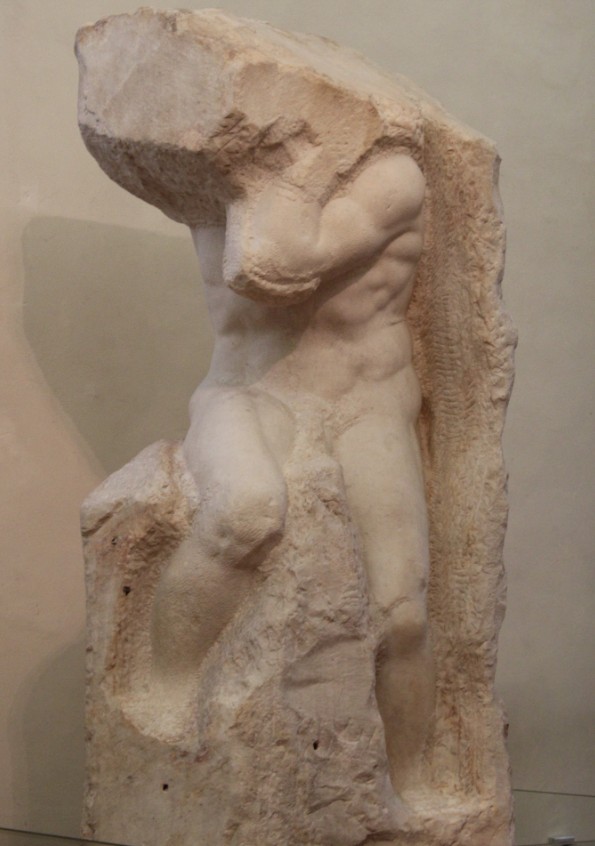
Il Prigione Atlante, destinato in origine alla maestosa Tomba di Giulio II, è uno degli schiavi più particolari. Ha ancora il volto e la parte alta del corpo intrappolata nel blocco di marmo grezzo tanto da farlo sembrare Atlante, piegato sotto il peso del cielo che Zeus condannò a sostenere per l’eternità.
Le gambe della figura sono una flessa in avanti. Il busto è in torsione e le braccia sono contrapposte al movimento delle gambe.
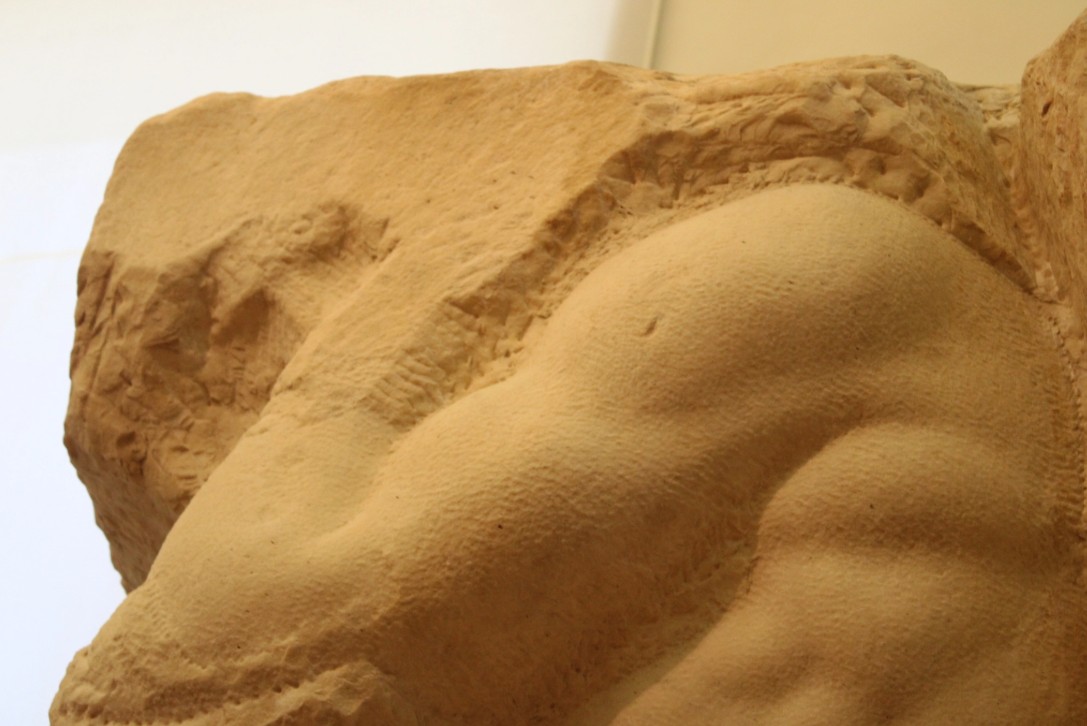
La cosa che rende ancora più particolare questa opera incompiuta, sono i segni identificativi sul blocco di marmo. Erano sigle che apponevo o facevo apporre a tutti i blocchi che avevo acquistato per i miei progetti, prima di essere caricati sui bastimenti.
Nella parte più alta dello schiavo, quella rivolta verso il soffitto per intenderci e che abitualmente non è visibile al pubblico, ci sono scalpellati i tre cerchi che sono la mia firma, la lettera L che sta per il capo cava Leone, una navicella stilizzata e un tridente.
Lo Schiavo Atlante fu donato a Cosimo I dal mio nipote Lionardo assieme agli altri prigioni appartenenti oggi alla Galleria dell’Accademia e al Genio della Vittoria, ubicato nel Salone de’ Cinquecento a Palazzo Vecchio.
Il figliolo di Cosimo I, il granduca Francesco I, fece collocare lo Schiavo Atlante e gli altri tre Prigioni nella Grotta del Buontalenti dove rimasero per secoli, prima di essere collocati definitivamente presso la Galleria dell’Accademia.
Per il momento il vostro Michelangelo Buonarroti vi saluta dandovi appuntamento ai prossimi post e sui social.
The Atlas Prison
The Atlante Prison, originally intended for the majestic Tomb of Julius II, is one of the most particular slaves. He still has his face and upper body trapped in the rough marble block so much that he looks like Atlas, bent under the weight of the sky that Zeus condemned to support for eternity.
The legs of the figure are bent forward. The torso is twisted and the arms are opposed to the movement of the legs.
The thing that makes this unfinished work even more special are the identifying marks on the block of marble. They were initials that I affixed or had affixed to all the blocks I had purchased for my projects, before being loaded onto the ships.
In the highest part of the slave, the one facing the ceiling to be clear and which is not usually visible to the public, there are chiseled the three circles which are my signature, the letter L which stands for the Capo Cava Leone, a stylized ship and a trident.
The Slave Atlas was donated to Cosimo I by my nephew Lionardo together with the other prisons belonging today to the Galleria dell’Accademia and to the Genius of Victory, located in the Salone de’ Cinquecento in Palazzo Vecchio.
The son of Cosimo I, the Grand Duke Francesco I, had the Slave Atlas and the other three Prisoners placed in the Grotta del Buontalenti where they remained for centuries, before being placed definitively in the Galleria dell’Accademia.
For the moment, your Michelangelo Buonarroti greets you by making an appointment for the next posts and on social media.

Sostienici – Support Us
Se questo blog ti piace e ti appassiona, puoi aiutarci a farlo crescere sempre più sostenendoci in modo concreto condividendo i post, seguendo le pagine social e con un contributo che ci aiuta ad andare avanti con il nostro lavoro di divulgazione. . ENGLISH: If you like and are passionate about this blog, you can help us make it grow more and more by supporting us in a concrete way by sharing posts, following social pages and with a contribution that helps us to move forward with our dissemination work.
10,00 €
-
Tiepolo, 62 opere svelano il mondo segreto di padre e figlio: la mostra ai Musei Reali di Torino
🇮🇹Giambattista e Giandomenico Tiepolo in mostra a Torino: 62 disegni e incisioni, Pulcinella, opere inedite e visioni misteriose da oggi 15 ottobre 2026… 🇬🇧Giambattista and Giandomenico Tiepolo on display in Turin: 62 drawings and engravings, Pulcinella, previously unseen works, and mysterious visions—starting today, October 15, 2026…
-
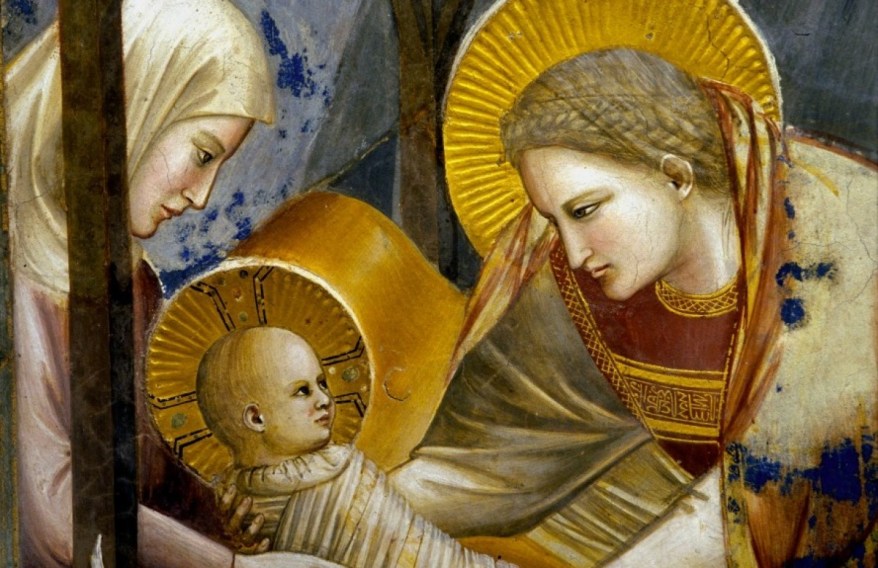
Come Giotto ha cambiato per sempre il modo di rappresentare la Natività
🇮🇹Nella Cappella degli Scrovegni a Padova, Giotto trasforma la nascita di Gesù in una scena piena di emozioni, gesti naturali e dettagli sorprendenti. Ecco perché la sua Natività ha segnato una svolta nella storia dell’arte… 🇬🇧In the Scrovegni Chapel in Padua, Giotto transforms the birth of Jesus into a scene filled with emotion, natural gestures,…
-
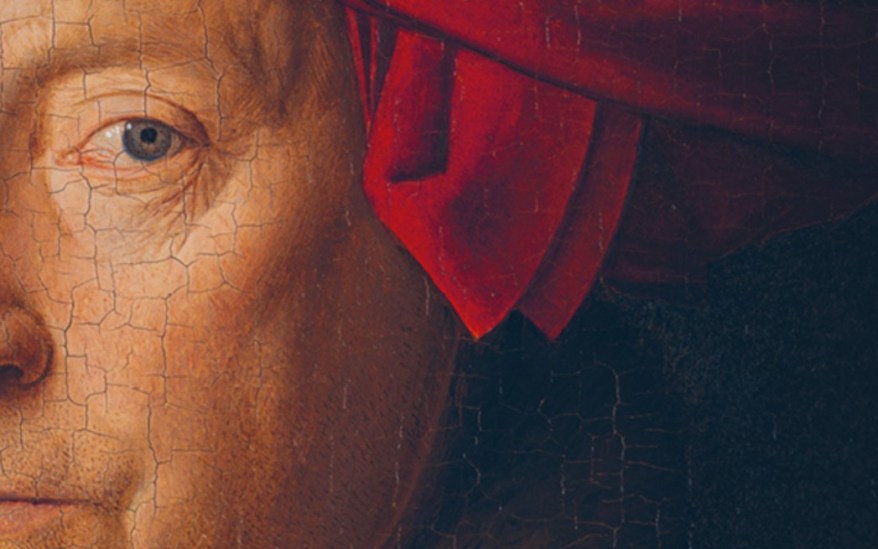
Van Eyck, i ritratti che sembrano vivi: a Londra una mostra irripetibile
🇮🇹Dal 21 novembre 2026 all’11 aprile 2027, la National Gallery ospiterà Van Eyck: The Portraits… 🇬🇧From November 21, 2026, to April 11, 2027, the National Gallery will host Van Eyck: The Portraits..
Condividi:


Questo sono io




sostienici

Sostienici – Support Us
Se questo blog ti piace e ti appassiona, puoi aiutarci a farlo crescere sempre più sostenendoci in modo concreto condividendo i post, seguendo le pagine social e con un contributo che ci aiuta ad andare avanti con il nostro lavoro di divulgazione. . ENGLISH: If you like and are passionate about this blog, you can help us make it grow more and more by supporting us in a concrete way by sharing posts, following social pages and with a contribution that helps us to move forward with our dissemination work.
€10,00


