
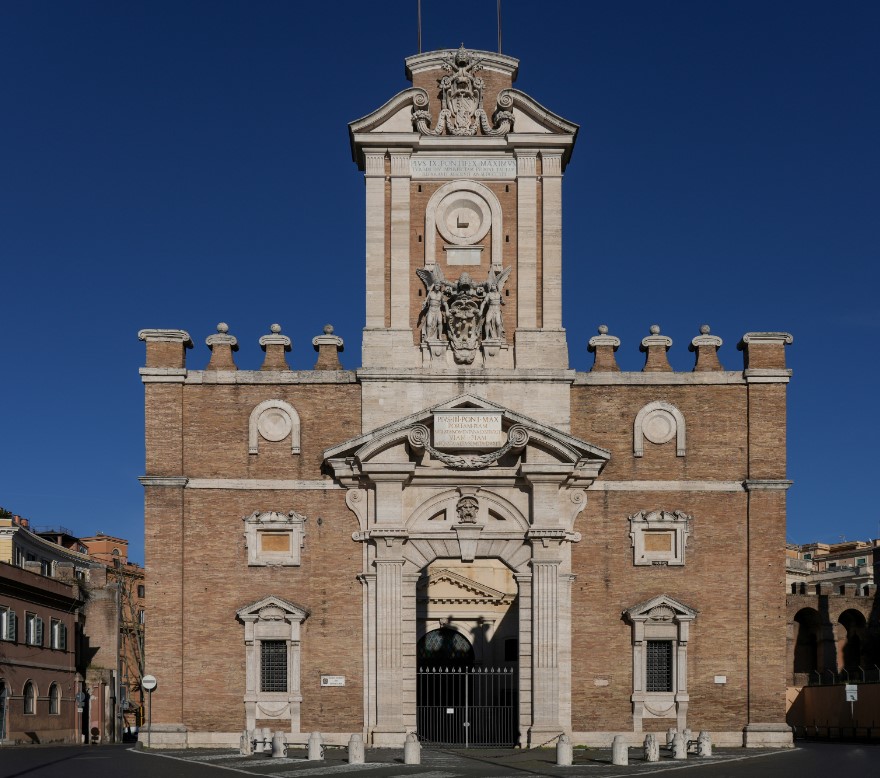
20 settembre 1870: la mia Porta Pia divenne protagonista della storia d’Italia
Il 20 settembre del 1870 la Porta Pia che avevo progettato quando avevo oltrepassato gli ottantaquattro anni di età, divenne la protagonista del Risorgimento e della storia d’Italia.
L’esercito piemontese entrò a Roma aprendosi una breccia proprio a Porta Pia, determinando così la fine dello Stato della Chiesa. Al tempo lo stato pontificio aveva un proprio contingente militare ma di fatto era Napoleone III, imperatore dei francesi a proteggere il papato.

Il progetto di Porta Pia mi fu affidato da papa Pio IV fra il 1561 e il 1565. Quell’imponente costruzione avrebbe dovuto sostituire la vecchia porta Nomentana che si trovava più spostata verso est.
Proposi al pontefice tre differenti disegni e alla fine, senza pensarci troppo su, scelse il meno costoso. Il Vasari scrisse che i progetti della porta erano “tutti stravaganti e bellissimi“.
L’impatto estetico attuale di Porta Pia è un po’ alterato rispetto alla mia idea originale a causa di alcune modifiche apportate in epoche successive.
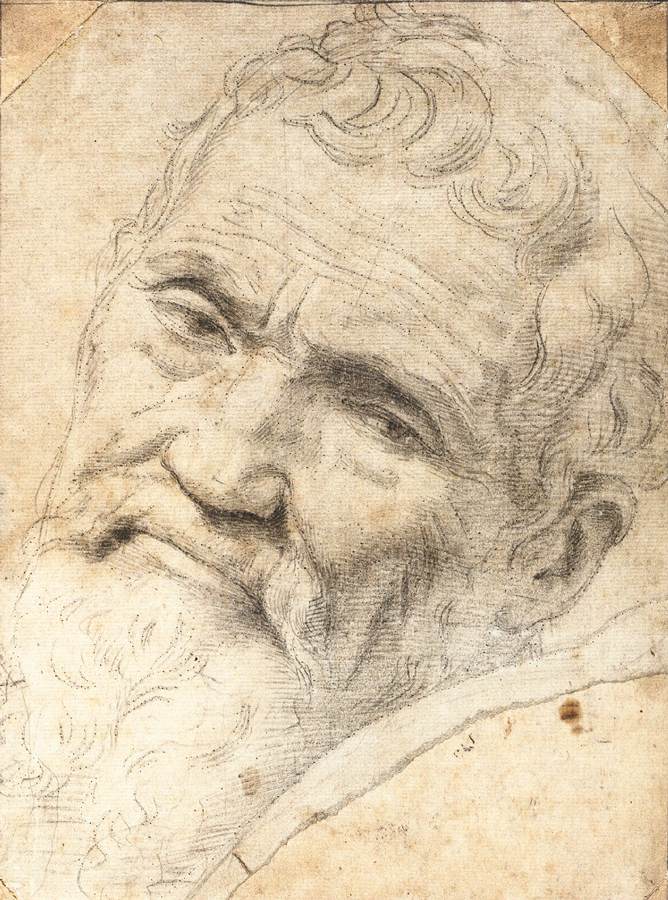
Per il momento il vostro Michelangelo Buonarroti vi saluta dandovi appuntamento ai prossimi post e sui social.
20 September 1870: my Porta Pia became the protagonist of the history of Italy
On 20 September 1870, the Porta Pia which I had designed when I was over eighty-four years of age, became the protagonist of the Risorgimento and of the history of Italy.
The Piedmontese army entered Rome, opening a breach right at Porta Pia, thus determining the end of the Papal State. At the time the papal state had its own military contingent but in fact it was Napoleon III, emperor of the French who protected the papacy.
The project of Porta Pia was entrusted to me by Pope Pius IV between 1561 and 1565. That imposing construction was supposed to replace the old Porta Nomentana which was further east.
I proposed three different designs to the pontiff and in the end, without thinking too much about it, he chose the least expensive one. Vasari wrote that the door designs were “all extravagant and beautiful.”
The current aesthetic impact of Porta Pia is somewhat altered compared to my original idea due to some changes made in later periods.
For the moment, your Michelangelo Buonarroti greets you and will meet you in future posts and on social media.
Sostienici – Support Us
Se questo blog ti piace e ti appassiona, puoi aiutarci a farlo crescere sempre più sostenendoci in modo concreto condividendo i post, seguendo le pagine social e con un contributo che ci aiuta ad andare avanti con il nostro lavoro di divulgazione. . ENGLISH: If you like and are passionate about this blog, you can help us make it grow more and more by supporting us in a concrete way by sharing posts, following social pages and with a contribution that helps us to move forward with our dissemination work.
8,00 €
-
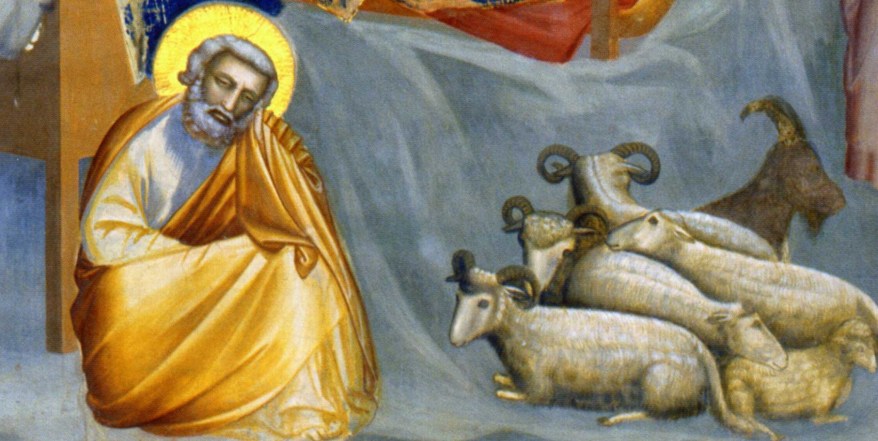
Perché San Giuseppe dorme nei dipinti della Natività?
🇮🇹Perché San Giuseppe dorme in tanti dipinti della Natività? Da Giotto a Bosch, vi porto alla scoperta di questo dettaglio… 🇬🇧Why is Saint Joseph asleep in so many paintings of the Nativity? From Giotto to Bosch, let me take you on a journey to discover this detail…
-
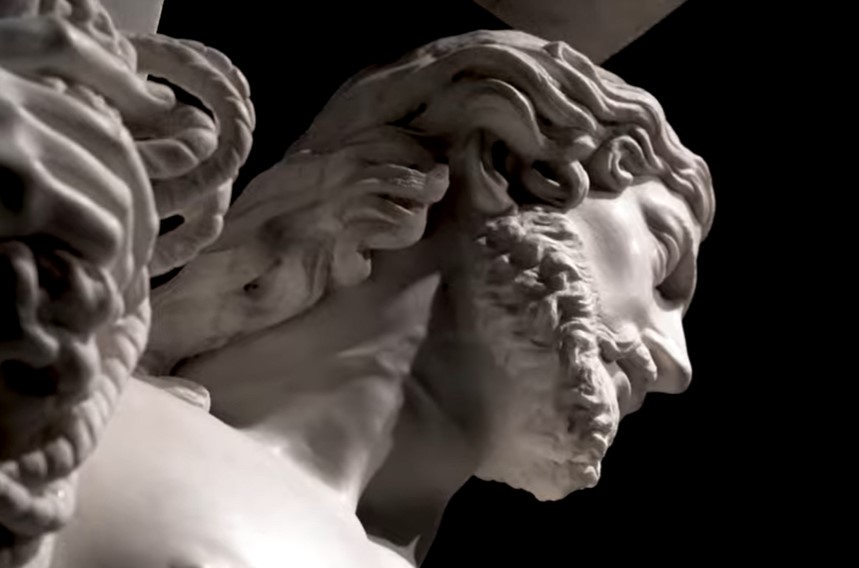
Il Cristo Portacroce col volto venato arriva al Forte di Bard, in Valle d’Aosta
🇮🇹La prima versione del mio Cristo Portacroce sta per compiere l’ennesimo viaggio. Dopo Palermo e Osaka, giungerà in Valle d’Aosta… 🇬🇧The first version of my *Christ Carrying the Cross* is about to embark on yet another journey. After Palermo and Osaka, it will arrive in the Aosta Valley…
-
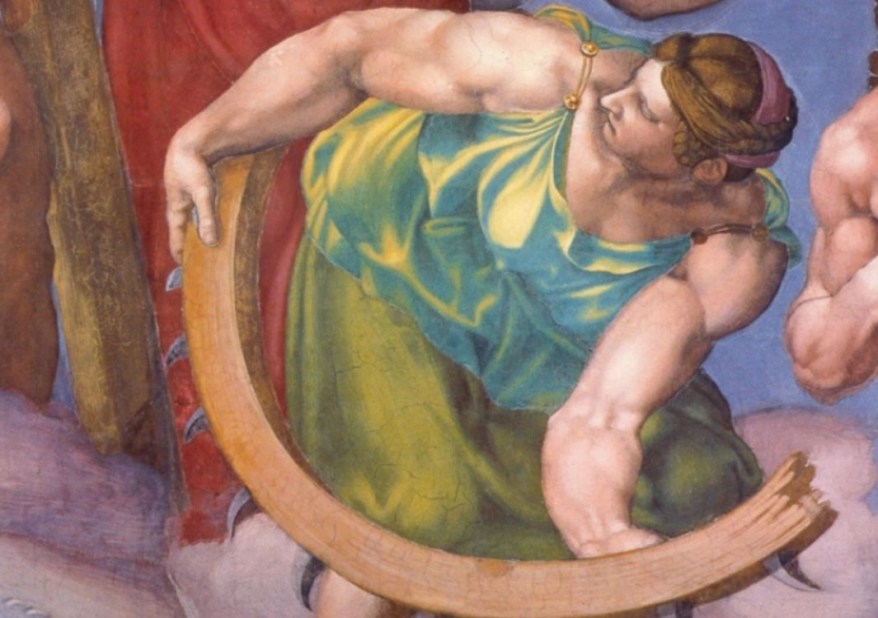
25 novembre, Santa Caterina d’Alessandria nell’arte: la santa censurata nel mio Giudizio Universale
🇮🇹Il 25 novembre si celebra Santa Caterina d’Alessandria, giovane martire cristiana diventata nei secoli una delle figure più rappresentate nella storia dell’arte. Da Raffaello a Caravaggio, fino al mio Giudizio Universale, ecco come gli artisti hanno raccontato la sua storia e il suo martirio… 🇬🇧November 25th marks the feast of Saint Catherine of Alexandria, a…
Condividi:


Questo sono io



sostienici

Sostienici – Support Us
Se questo blog ti piace e ti appassiona, puoi aiutarci a farlo crescere sempre più sostenendoci in modo concreto condividendo i post, seguendo le pagine social e con un contributo che ci aiuta ad andare avanti con il nostro lavoro di divulgazione. . ENGLISH: If you like and are passionate about this blog, you can help us make it grow more and more by supporting us in a concrete way by sharing posts, following social pages and with a contribution that helps us to move forward with our dissemination work.
€10,00


