
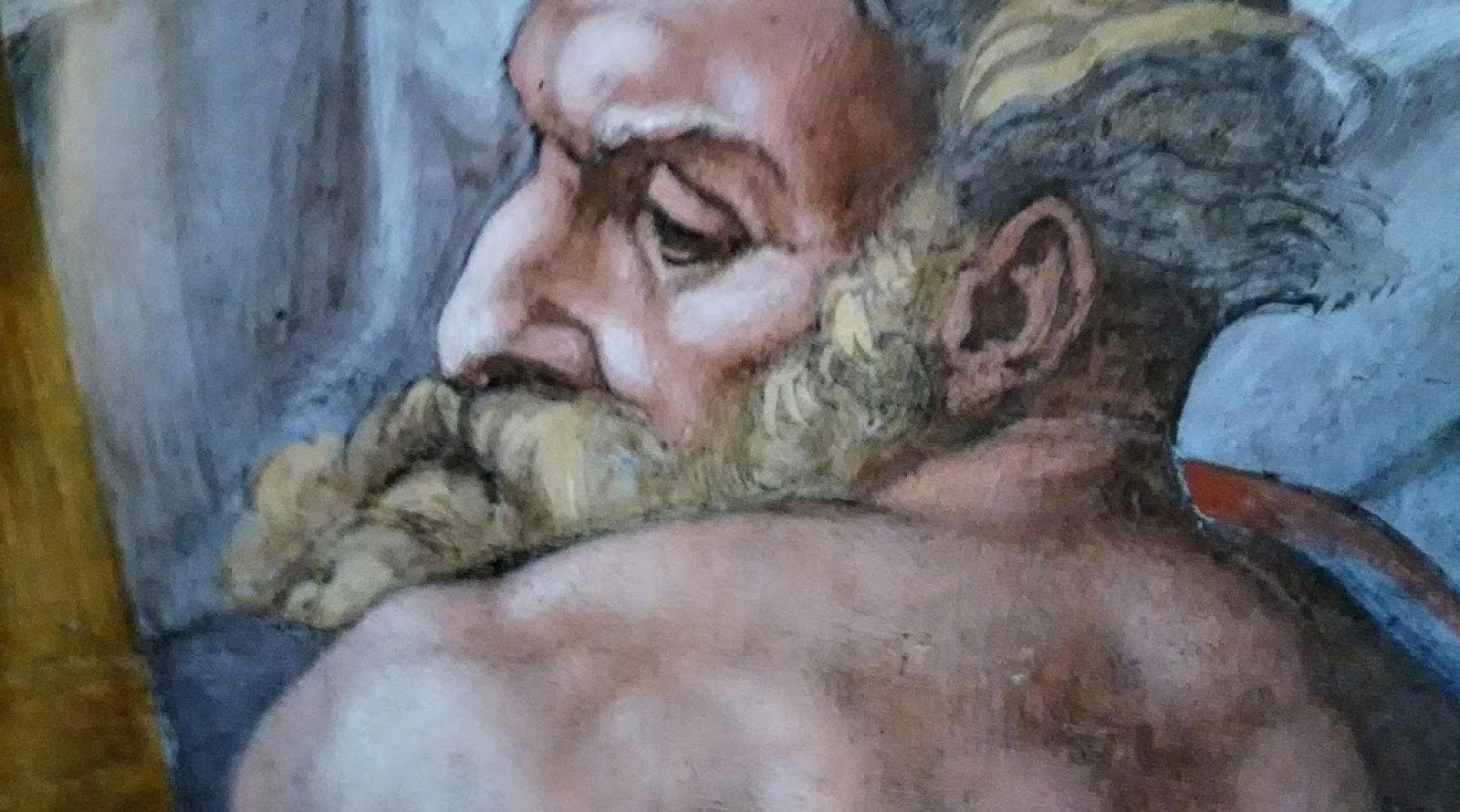
L’irresistibile fascino della Sibilla Delfica
La Sibilla Delfica è una delle figure più suggestive e affascinanti che affrescai. Basta entrare nella Cappella Sistina e guardare in alto: la sua presenza scenica non passa inosservata. Lo sguardo, la postura e quella sua veste verde avvolta in parte dal mantello celeste e arancione: impossibile non rimanere incantati da questa figura enigmatica.
Chi era la Sibilla Delfica?
Un tempo, nella Grecia continentale, si narrava la presenza di una profetessa che dimorava presso il santuario di Delfi: la Pizia. Lei, posseduta dal dio Apollo, prevedeva il futuro. Raccontano della Delfica e delle sue affascinanti premonizioni diversi autori, sia latini che greci.

La Sibilla Delfica fu una delle figure che dipinsi nel primo blocco, terminato nel 1510. Dietro di lei ci sono i due assistenti: uno sorregge un libro e l’altro lo legge. Lei invece svolge il rotolo tenuto sulla sinistra mentre volge il corpo in quella direzione con il braccio sinistro sollevato. Ha uno sguardo sorpreso per metà in luce e per metà in ombra. La sua meraviglia è forse causata dalla venuta di Cristo, predetta anche da lei?
Se aguzzate la vista su una foto scattata a distanza ravvicinata potrete notare una croce incisa nell’intonaco fra i due occhi: mi servì per allinearli bene e per affrescarli in maniera simmetrica.
Il sempre vostro Michelangelo Buonarroti con i suoi racconti

The irresistible charm of the Sibyl Delfica
The Sibyl Delfica is one of the most suggestive and fascinating figures that I frescoed. Just enter the Sistine Chapel and look up: its stage presence does not go unnoticed. The look, the posture and that green robe wrapped in part by the blue and orange mantle: impossible not to be enchanted by this enigmatic figure.

Who was the Sibyl Delfica?
Once upon a time, in the Greek mainland, the presence of a prophetess who lived near the sanctuary of Delphi was told: the Pythia. She, possessed by the god Apollo, foresaw the future. Different Latin and Greek authors tell of Delfica and her fascinating premonitions.
The Delphic Sibyl was one of the figures I painted in the first block, completed in 1510. Behind her are the two assistants: one holds a book and the other reads it. Instead she holds the roll held to the left as she turns her body in that direction with her left arm raised. He has a look half surprised in light and half in shadow. Is his wonder caused by the coming of Christ, also predicted by her?
If you sharpen the view on a photo taken at close range you will notice a cross engraved in the plaster between the two eyes: it served me to align them well and to fresco them in a symmetrical manner.
Your always Michelangelo Buonarroti with his stories
Sostienici – Support Us
Se questo blog ti piace e ti appassiona, puoi aiutarci a farlo crescere sempre più sostenendoci in modo concreto condividendo i post, seguendo le pagine social e con un contributo che ci aiuta ad andare avanti con il nostro lavoro di divulgazione. . ENGLISH: If you like and are passionate about this blog, you can help us make it grow more and more by supporting us in a concrete way by sharing posts, following social pages and with a contribution that helps us to move forward with our dissemination work.
5,00 €
ULTIMI ARTICOLI
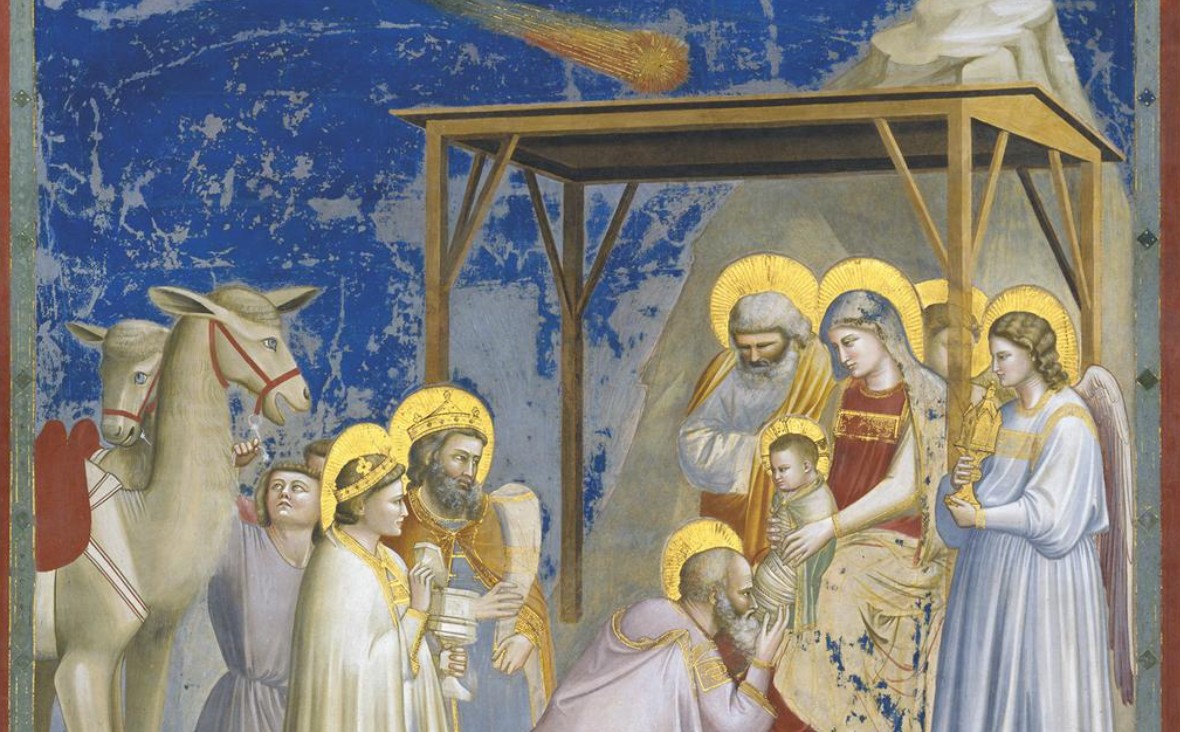
La stella di Betlemme nei dipinti: com’era rappresentata la luce che guidò i Magi
🇮🇹Come veniva rappresentata la stella di Betlemme nei dipinti? Da Giotto ai grandi maestri del Rinascimento, scopri il significato della luce che guidò i Re Magi verso Gesù Bambino… 🇬🇧How was the Star of Bethlehem depicted in paintings? From Giotto to the great masters of the Renaissance, discover the meaning of the light that guided…
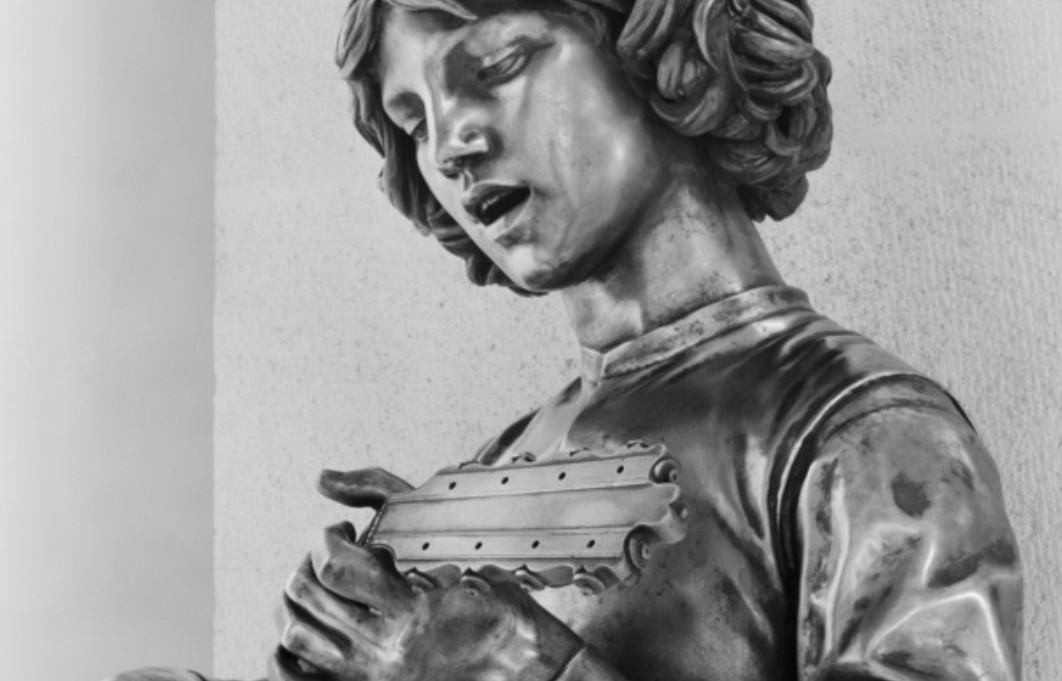
Paul Dubois e il Cantore fiorentino: la scultura in bronzo argentato del 1865 che conquistò il pubblico
🇮🇹Paul Dubois, il Cantore fiorentino del Quattrocento: la raffinata scultura in bronzo argentato del 1865 che conquistò Parigi con dettagli straordinari… 🇬🇧Paul Dubois, the 15th-century Florentine singer: an exquisite silvered bronze sculpture from 1865 that captivated Paris with its extraordinary detail…

11 novembre 1789: nasceva Pietro Tenerani, lo scultore di Carrara che conquistò Roma
🇮🇹 L’11 novembre 1789 nasceva Pietro Tenerani, lo scultore di Carrara che conquistò Roma. Cresciuto fra i marmi delle Apuane, diventò allievo prediletto di Bertel Thorvaldsen e uno dei protagonisti della scultura italiana dell’Ottocento… 🇬🇧On November 11, 1789, Pietro Tenerani was born—the sculptor from Carrara who conquered Rome. Having grown up among the marbles of…

Alphonse Mucha, ad Asti oltre 110 opere in mostra: a Palazzo Mazzetti i capolavori dell’Art Nouveau
🇮🇹Alphonse Mucha in mostra ad Asti a Palazzo Mazzetti dall’11 novembre 2026 al 2 maggio 2027. Oltre 110 opere, manifesti celebri ed Epopea Slava… 🇬🇧Alphonse Mucha on display in Asti at Palazzo Mazzetti from November 11, 2026, to May 2, 2027. Featuring over 110 works, including famous posters and the Slav Epic…
Si è verificato un problema. Aggiorna la pagina e/o riprova in seguito.
Condividi:


Questo sono io



sostienici

Sostienici – Support Us
Se questo blog ti piace e ti appassiona, puoi aiutarci a farlo crescere sempre più sostenendoci in modo concreto condividendo i post, seguendo le pagine social e con un contributo che ci aiuta ad andare avanti con il nostro lavoro di divulgazione. . ENGLISH: If you like and are passionate about this blog, you can help us make it grow more and more by supporting us in a concrete way by sharing posts, following social pages and with a contribution that helps us to move forward with our dissemination work.
€10,00


Il suo terzo incisivo, Maestro, colpisce sempre.
"Mi piace"Piace a 1 persona
più che il terzo il quinto 😉
"Mi piace""Mi piace"
Giustamente, mi perdoni
"Mi piace""Mi piace"