

Venditori di fiori di Londra di Gustave Doré: il lato nascosto della città vittoriana
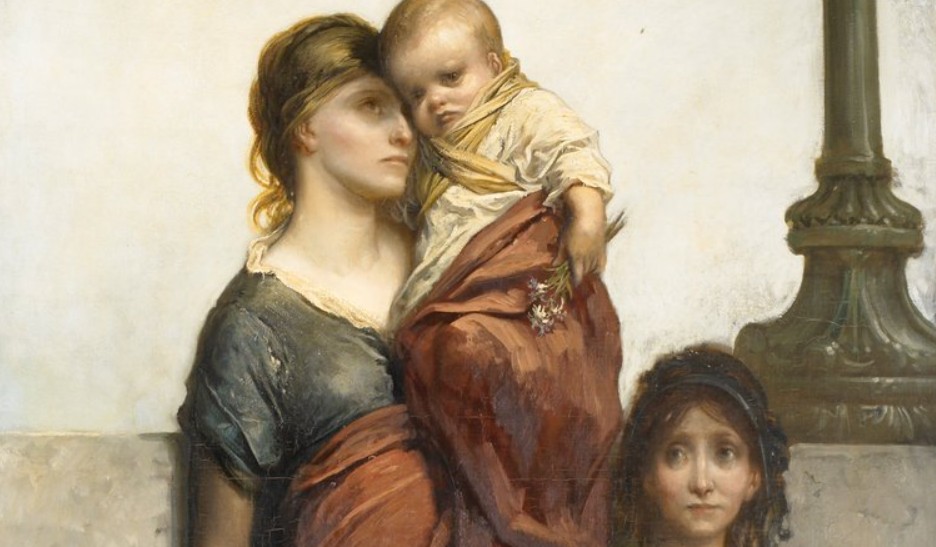
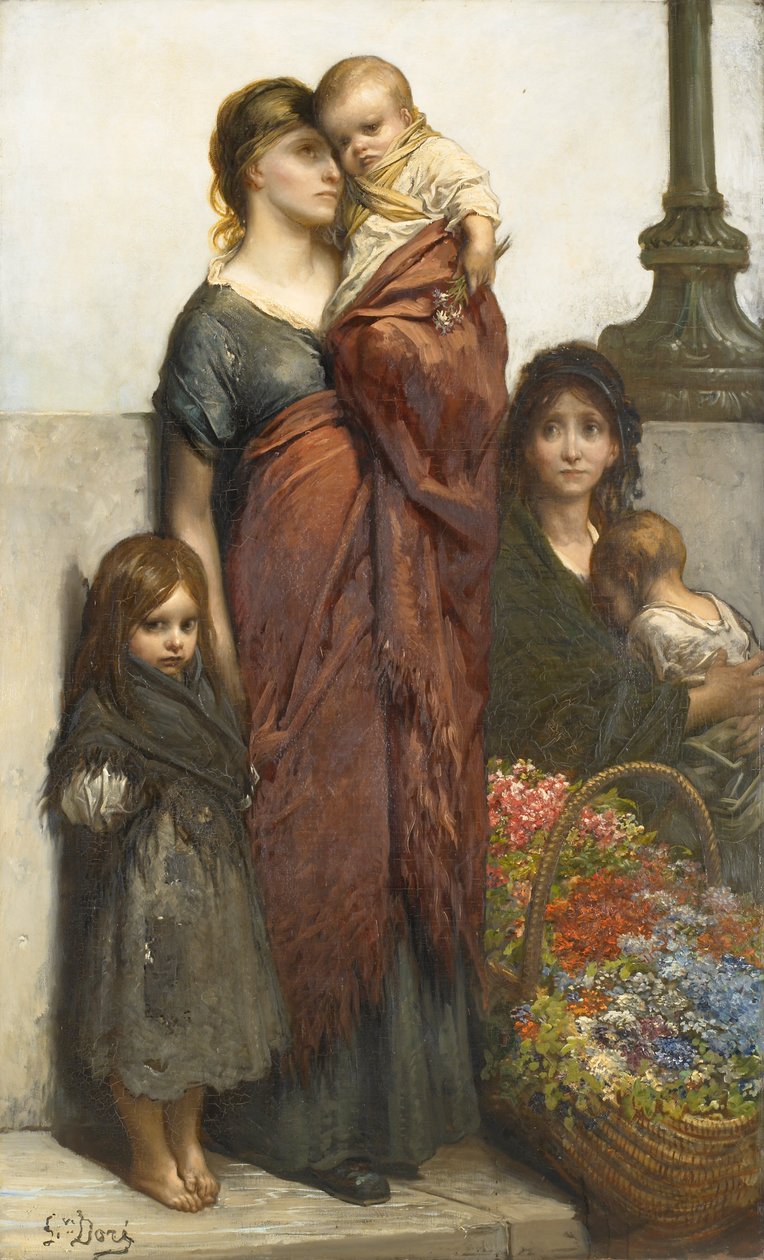
Nella nebbia di una Londra ottocentesca attraversata da carrozze, pioggia e povertà, una giovane madre con i suoi quattro figli vende fiori ai passanti.
Il suo volto è fragile, il suo sguardo sembra chiedere attenzione in un mondo che corre veloce.
Con Venditori di fiori di Londra, Gustave Doré realizza una delle immagini più potenti e umane della sua carriera: un’opera che non racconta solo la strada, ma la dignità invisibile degli ultimi.
Oggi, a oltre un secolo di distanza, questo dipinto continua a emozionare perché parla di qualcosa di universale: la solitudine nelle grandi città, l’infanzia dimenticata e la bellezza che sopravvive anche nella miseria.
Gustave Doré e la Londra che nessuno voleva vedere
Quando si pensa a Gustave Doré, vengono subito in mente le incisioni monumentali della Divina Commedia, della Bibbia o del Don Chisciotte. Ma nella seconda metà dell’Ottocento l’artista francese decide di osservare un altro inferno: quello reale.
Durante i suoi viaggi a Londra, Doré rimane profondamente colpito dalle condizioni di vita dei quartieri popolari. Le sue opere dedicate alla capitale inglese non celebrano l’eleganza vittoriana, ma mostrano fame, lavoro minorile e disuguaglianze sociali.
Venditori di fiori di Londra nasce proprio da questa sensibilità. Non è una scena costruita per idealizzare la povertà ma un frammento di vita urbana che trasforma persone anonime in protagoniste assolute.
Un dipinto che sembra una fotografia dell’anima
Osservando l’opera si percepisce immediatamente il contrasto tra delicatezza e durezza.
La povera famiglia occupana il centro della scena, ma intorno a quelle figure la città appare fredda, quasi indifferente. I vestiti consumati, la luce soffusa e quegli sguardi: ogni dettaglio contribuisce a creare un’atmosfera malinconica e profondamente cinematografica.
Doré utilizza la luce in modo straordinario. I fiori diventano quasi simboli di speranza, piccoli frammenti di colore e vita in un ambiente dominato dal grigio urbano. È proprio questa opposizione a rendere l’opera così moderna.
Molti storici dell’arte vedono in questo dipinto un’anticipazione del realismo sociale del Novecento e persino della fotografia documentaria contemporanea.
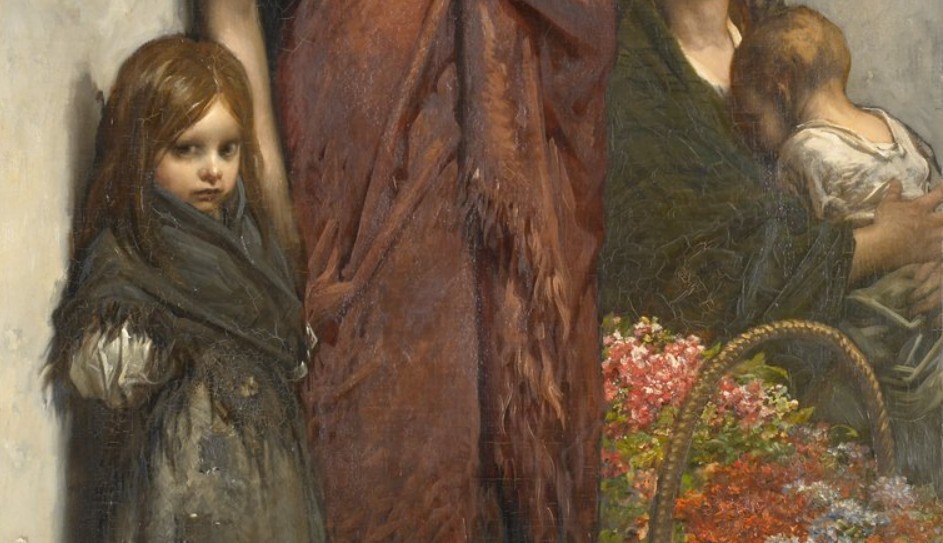
Chi guarda il dipinto vede vulnerabilità, resistenza e umanità.
Doré riesce ancora a fermare lo sguardo di chi osserva ed è un po’ questo il potere delle grandi opere: raccontare il passato parlando direttamente al presente. L’emozionante opera è custodita alla Walker Art Gallery di Liverpool.
Per il momento il sempre vostro Michelangelo Buonarroti vi saluta dandovi appuntamento ai prossimi post e sui social.
Gustave Doré’s Flower Sellers of London: The Hidden Side of the Victorian City
In the fog of a 19th-century London crisscrossed by carriages, rain, and poverty, a young mother and her four children sell flowers to passersby.
Her face is fragile, her gaze seems to demand attention in a fast-paced world.
With Flower Sellers of London, Gustave Doré creates one of the most powerful and human images of his career: a work that depicts not only the street, but the invisible dignity of the poorest.
Today, over a century later, this painting continues to move because it speaks to something universal: loneliness in big cities, forgotten childhood, and the beauty that survives even in poverty.
Gustave Doré and the London No One Wanted to See
When you think of Gustave Doré, the monumental engravings of the Divine Comedy, the Bible, or Don Quixote immediately come to mind. But in the second half of the 19th century, the French artist decided to observe another hell: the real one.
During his travels in London, Doré was deeply moved by the living conditions in the working-class neighborhoods. His works dedicated to the English capital do not celebrate Victorian elegance, but instead depict hunger, child labor, and social inequality.
Flower Sellers of London was born from this very sensitivity. It is not a scene constructed to idealize poverty, but a fragment of urban life that transforms anonymous people into protagonists.
A painting that seems like a photograph of the soul
Looking at the work, one immediately perceives the contrast between delicacy and harshness.
The poor family occupies the center of the scene, but around those figures the city appears cold, almost indifferent. The worn clothes, the soft light, and those gazes: every detail contributes to creating a melancholic and profoundly cinematic atmosphere.
Doré uses light in an extraordinary way. The flowers almost become symbols of hope, small fragments of color and life in an environment dominated by urban gray. It is precisely this contrast that makes the work so modern.
Many art historians see in this painting a foreshadowing of twentieth-century social realism and even contemporary documentary photography.
Those who look at the painting see vulnerability, resistance, and humanity.
Doré still manages to capture the gaze of the viewer, and this is the power of great works: to narrate the past while speaking directly to the present. This moving work is housed at the Walker Art Gallery in Liverpool.
For now, yours truly, Michelangelo Buonarroti bids farewell and invites you to join him in future posts and on social media.

Sostienici – Support Us
Se questo blog ti piace e ti appassiona, puoi aiutarci a farlo crescere sempre più sostenendoci in modo concreto condividendo i post, seguendo le pagine social e con un contributo che ci aiuta ad andare avanti con il nostro lavoro di divulgazione. . ENGLISH: If you like and are passionate about this blog, you can help us make it grow more and more by supporting us in a concrete way by sharing posts, following social pages and with a contribution that helps us to move forward with our dissemination work.
10,00 €
Condividi:


Questo sono io




sostienici

Sostienici – Support Us
Se questo blog ti piace e ti appassiona, puoi aiutarci a farlo crescere sempre più sostenendoci in modo concreto condividendo i post, seguendo le pagine social e con un contributo che ci aiuta ad andare avanti con il nostro lavoro di divulgazione. . ENGLISH: If you like and are passionate about this blog, you can help us make it grow more and more by supporting us in a concrete way by sharing posts, following social pages and with a contribution that helps us to move forward with our dissemination work.
€10,00


Bellissimo questo dipinto e la meravigliosa descrizione che ne hai dato 👏👏👏👏👏👏👏👌👍👍👍👍👍👍
"Mi piace"Piace a 1 persona
grazie, piace molto anche a me
"Mi piace"Piace a 1 persona