
Il Viandante sul Mare di Nebbia di Caspar David Friedrich: il capolavoro romantico che guarda dentro l’anima
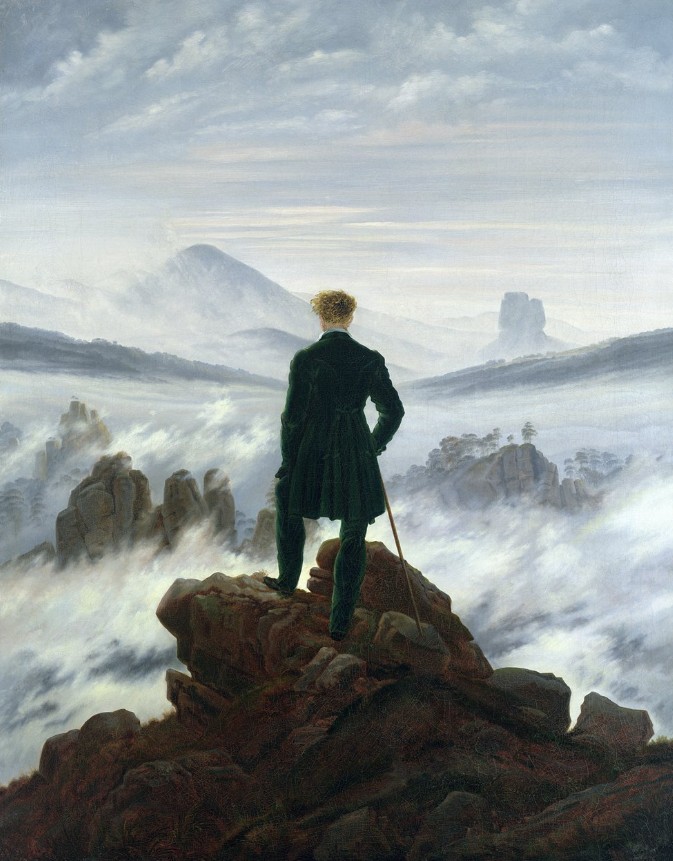
Tra le immagini più iconiche della storia dell’arte, oggi voglio proporvi Il Viandante sul Mare di Nebbia di Caspar David Friedrich.
Realizzato intorno al 1818, il quadro è diventato il simbolo assoluto del Romanticismo tedesco: un’opera capace di trasformare un paesaggio naturale in una profonda riflessione sull’esistenza umana.
L’uomo ritratto di spalle osserva un mare di nebbia che avvolge montagne e rocce. Non vediamo il suo volto, e proprio questa scelta rende il dipinto universale: quel viandante può essere chiunque. Siamo noi davanti all’infinito, alla natura, al mistero della vita.
Dove si trova Il Viandante sul Mare di Nebbia
Il celebre dipinto è custodito nella Hamburger Kunsthalle, uno dei musei più importanti d’Europa per l’arte dell’Ottocento. Qui l’opera continua ad attirare visitatori provenienti da tutto il mondo.
Nonostante le dimensioni relativamente contenute, il quadro riesce a trasmettere una sensazione di immensità. Friedrich costruisce uno spazio che sembra infinito, dove la natura domina la scena e l’essere umano appare fragile ma profondamente consapevole.
Il significato nascosto del Viandante sul Mare di Nebbia
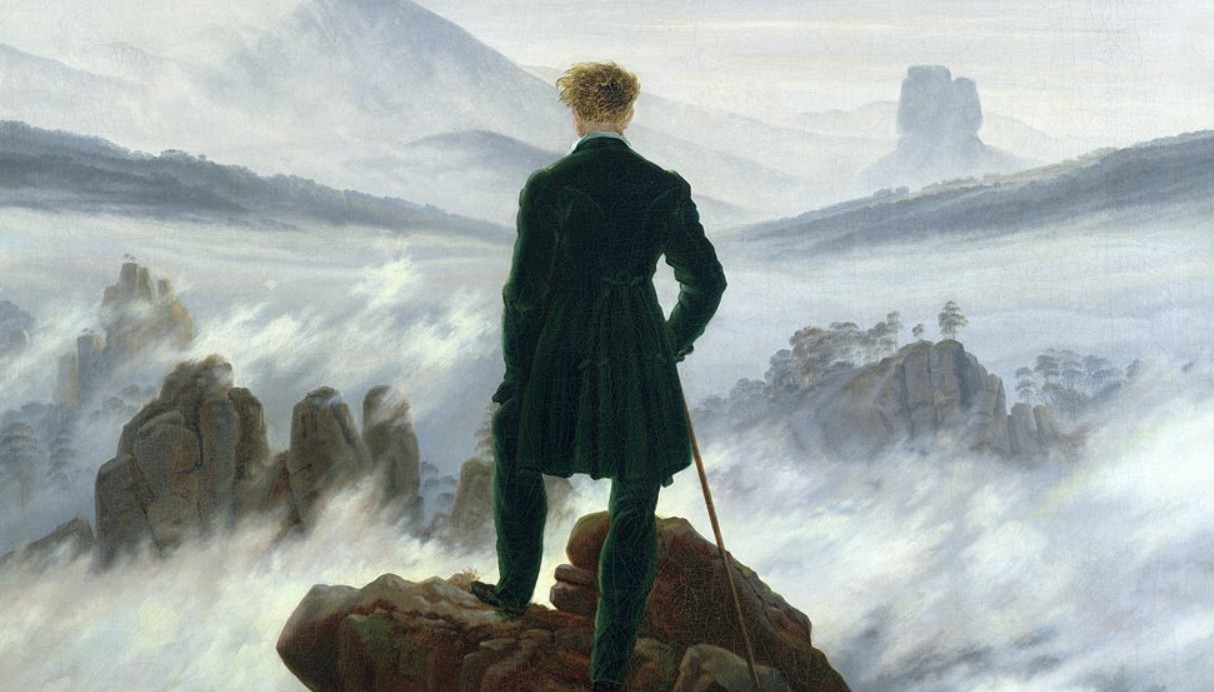
Dietro l’apparente semplicità dell’immagine si nasconde una delle riflessioni più profonde della pittura romantica. Il protagonista del dipinto si trova davanti a un mare di nebbia che cancella ogni certezza visiva. Le montagne emergono appena, l’orizzonte sfuma nel vuoto e il paesaggio sembra appartenere più alla dimensione spirituale che a quella reale.
Per i romantici, la natura rappresentava qualcosa di immenso e incontrollabile, capace di suscitare paura, meraviglia e contemplazione. Questa esperienza prende il nome di “sublime”, un sentimento che nasce quando l’uomo si confronta con qualcosa di infinitamente più grande di lui.
Nel quadro di Friedrich il sublime diventa immagine. Il viandante domina la scena dall’alto di una roccia, ma allo stesso tempo appare minuscolo di fronte alla vastità della natura. È una figura sospesa tra forza e fragilità, tra conquista e smarrimento.
Perché il personaggio è ritratto di spalle
Uno degli elementi più affascinanti del dipinto è la scelta di rappresentare il protagonista di spalle. Friedrich utilizzava spesso questa tecnica, nota come Rückenfigur, per coinvolgere direttamente lo spettatore.
Non vedendo il volto dell’uomo, chi osserva il quadro è portato a immedesimarsi in lui. È come se il pittore invitasse ciascuno di noi a salire su quella roccia e a guardare oltre la nebbia.
Questa scelta rende il dipinto incredibilmente moderno. Non racconta una storia precisa, ma lascia spazio all’interpretazione personale, trasformando l’opera in un’esperienza emotiva unica per ogni osservatore.
Caspar David Friedrich e la poesia del paesaggio
Caspar David Friedrich è considerato il più importante pittore del Romanticismo tedesco. Nato nel 1774, dedicò gran parte della sua carriera alla rappresentazione di paesaggi silenziosi e contemplativi, capaci di esprimere stati d’animo profondi.
Nelle sue opere la natura non è mai semplice decorazione. Alberi spogli, cieli tempestosi, rovine gotiche e montagne diventano simboli della spiritualità umana, della solitudine e della ricerca di senso.
Anche in opere come Monaco in riva al mare o Abbazia nel Querceto emerge la stessa tensione emotiva che rende Il Viandante sul Mare di Nebbia un’immagine immortale.
I simboli
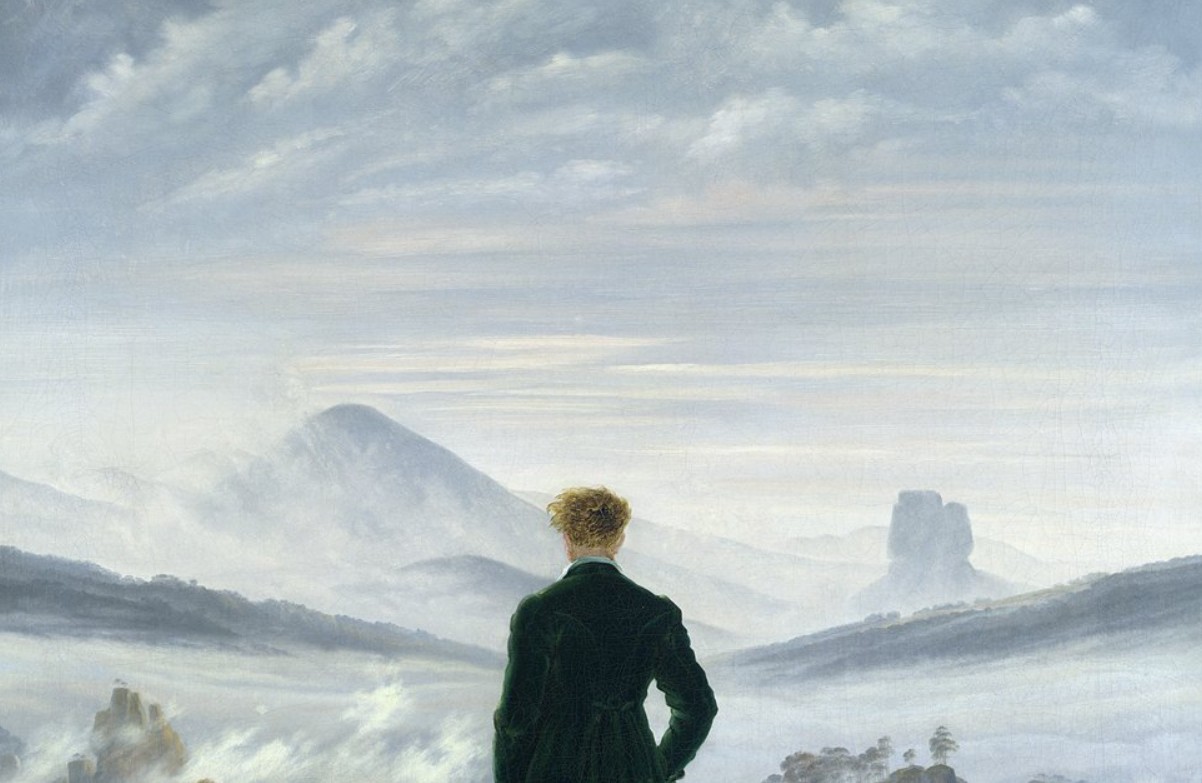
Ogni elemento del quadro sembra carico di significato. La nebbia rappresenta l’incertezza dell’esistenza e il limite della conoscenza umana. Le montagne evocano il desiderio di elevazione spirituale, mentre il bastone da viaggio richiama l’idea del cammino interiore.
Il paesaggio indefinito suggerisce che la vera meta non sia fisica ma spirituale. Friedrich trasforma così un semplice panorama in una riflessione universale sulla vita, sul destino e sul rapporto tra uomo e infinito.
Davanti a Il Viandante sul Mare di Nebbia non osserviamo soltanto un uomo immerso nella natura. Guardiamo noi stessi, le nostre domande, le nostre paure e il desiderio di andare oltre ciò che possiamo vedere.
Quel viandante fermo sulla roccia non smette mai di contemplare l’ignoto. E forse, da oltre due secoli, continua a invitare anche noi a fare lo stesso.
Per il momento il sempre vostro Michelangelo Buonarroti vi saluta dandovi appuntamento ai prossimi post e sui social.
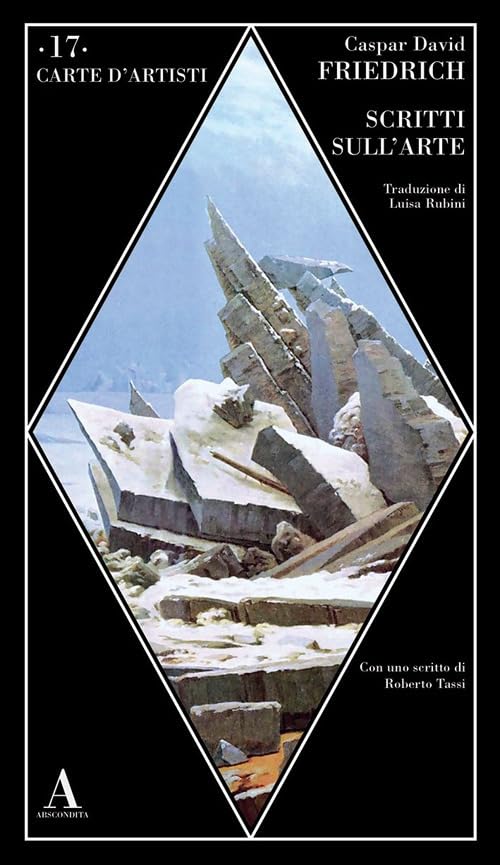
Caspar David Friedrich’s Wanderer Above the Sea of Fog: A Romantic Masterpiece That Looks Inside the Soul
Among the most iconic images in the history of art, today I’d like to present Caspar David Friedrich’s Wanderer Above the Sea of Fog.
Created around 1818, the painting has become the absolute symbol of German Romanticism: a work capable of transforming a natural landscape into a profound reflection on human existence.
The man depicted from behind gazes at a sea of fog enveloping mountains and rocks. We don’t see his face, and this very choice makes the painting universal: that wanderer could be anyone. It is us, faced with infinity, with nature, with the mystery of life.
Where is Wanderer Above the Sea of Fog located?
The famous painting is housed in the Hamburger Kunsthalle, one of Europe’s most important museums for 19th-century art. Here, the work continues to attract visitors from around the world.
Despite its relatively small size, the painting manages to convey a sense of immensity. Friedrich constructs a seemingly infinite space, where nature dominates the scene and the human being appears fragile yet profoundly aware.
The hidden meaning of Wanderer Above the Sea of Fog
Behind the apparent simplicity of the image lies one of the most profound reflections of Romantic painting. The painting’s protagonist stands before a sea of fog that obliterates all visual certainty. The mountains barely emerge, the horizon fades into the void, and the landscape seems more spiritual than real.
For the Romantics, nature represented something immense and uncontrollable, capable of inspiring fear, wonder, and contemplation. This experience is called the “sublime,” a feeling that arises when man confronts something infinitely greater than himself.
In Friedrich’s painting, the sublime becomes image. The wanderer dominates the scene from atop a rock, yet at the same time appears tiny in the face of nature’s vastness. It is a figure suspended between strength and fragility, between conquest and loss.
Why the character is depicted from behind
One of the most fascinating elements of the painting is the choice to depict the protagonist from behind. Friedrich often used this technique, known as the Rückenfigur, to directly engage the viewer.
By not seeing the man’s face, the viewer is led to identify with him. It is as if the painter were inviting each of us to climb onto that rock and look beyond the fog.
This choice makes the painting incredibly modern. It doesn’t tell a specific story, but leaves room for personal interpretation, transforming the work into a unique emotional experience for each viewer.
Caspar David Friedrich and the Poetry of Landscape
Caspar David Friedrich is considered the most important painter of German Romanticism. Born in 1774, he dedicated much of his career to the depiction of silent, contemplative landscapes, capable of expressing profound states of mind.
In his works, nature is never simply decoration. Bare trees, stormy skies, Gothic ruins, and mountains become symbols of human spirituality, solitude, and the search for meaning.
Even in works such as Monk by the Sea or Abbey in the Oak Grove, the same emotional tension that makes Wanderer Above the Sea of Fog an immortal image emerges.
The Symbols
Every element of the painting seems charged with meaning. The fog represents the uncertainty of existence and the limits of human knowledge. The mountains evoke the desire for spiritual elevation, while the traveling stick evokes the idea of an inner journey.
The undefined landscape suggests that the true goal is not physical but spiritual. Friedrich thus transforms a simple panorama into a universal reflection on life, destiny, and the relationship between humanity and the infinite.
Before The Wanderer Above the Sea of Fog, we don’t just observe a man immersed in nature. We look at ourselves, our questions, our fears, and the desire to go beyond what we can see.
That wanderer standing on the rock never stops contemplating the unknown. And perhaps, for over two centuries, he continues to invite us to do the same.
For now, yours truly, Michelangelo Buonarroti bids you farewell, saying he’ll see you in future posts and on social media.

Sostienici – Support Us
Se questo blog ti piace e ti appassiona, puoi aiutarci a farlo crescere sempre più sostenendoci in modo concreto condividendo i post, seguendo le pagine social e con un contributo che ci aiuta ad andare avanti con il nostro lavoro di divulgazione. . ENGLISH: If you like and are passionate about this blog, you can help us make it grow more and more by supporting us in a concrete way by sharing posts, following social pages and with a contribution that helps us to move forward with our dissemination work.
10,00 €
Articoli

Condividi:


Questo sono io





sostienici

Sostienici – Support Us
Se questo blog ti piace e ti appassiona, puoi aiutarci a farlo crescere sempre più sostenendoci in modo concreto condividendo i post, seguendo le pagine social e con un contributo che ci aiuta ad andare avanti con il nostro lavoro di divulgazione. . ENGLISH: If you like and are passionate about this blog, you can help us make it grow more and more by supporting us in a concrete way by sharing posts, following social pages and with a contribution that helps us to move forward with our dissemination work.
€10,00


