
25 ottobre 1815: le opere rubate da Napoleone tornarono in Italia, ma 248 rimasero in Francia
Il 25 ottobre 1815 partì da Parigi un convoglio di 41 carri trainati da circa 200 cavalli, con 249 opere d’arte destinate a tornare in Italia.
Dopo anni di spoliazioni napoleoniche, dipinti, sculture e altri capolavori lasciavano finalmente il Louvre per raggiungere i luoghi dai quali erano stati sottratti. A rendere possibile questa storica restituzione fu soprattutto Antonio Canova che seppe mettere il proprio prestigio artistico al servizio di una delicatissima missione diplomatica.
Ma non tutto tornò a casa. Secondo il catalogo storico delle requisizioni, 248 opere rimasero in Francia e altre nove risultarono disperse. Una ferita ancora aperta nella storia del patrimonio artistico italiano.
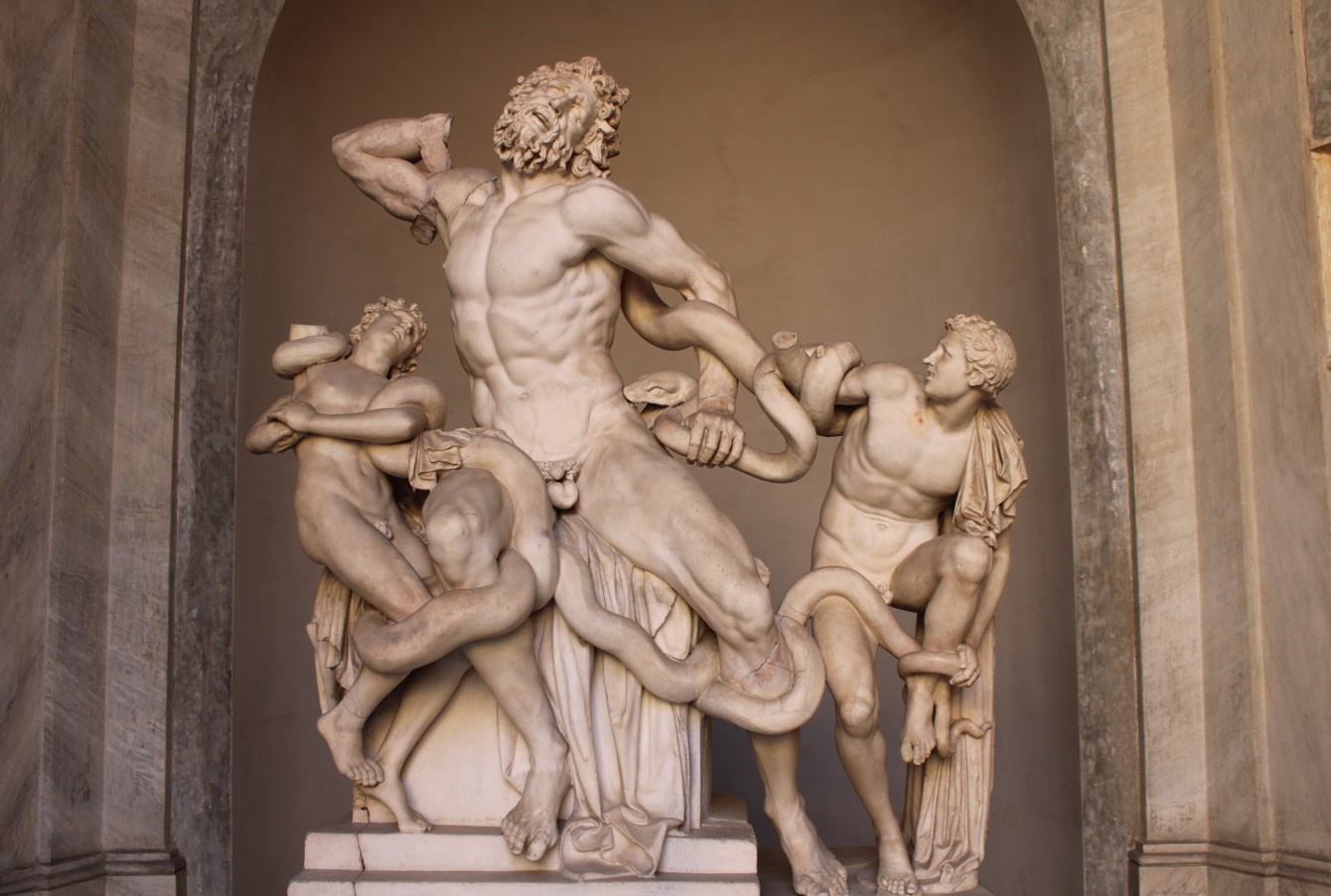
Antonio Canova, lo scultore che si trasformò in diplomatico
Quando Napoleone Bonaparte fu sconfitto e il suo potere tramontò definitivamente nel 1815, si aprì la possibilità di recuperare almeno una parte delle opere d’arte sottratte ai territori conquistati dalle armate francesi.
A sostenere questa impresa fu papa Pio VII, che affidò ad Antonio Canova un incarico particolarmente difficile. Il pontefice e il suo Segretario di Stato, il cardinale Ercole Consalvi, avevano compreso che per affrontare le autorità francesi serviva una persona capace di muoversi nelle corti europee, conoscesse il valore delle opere e sapesse trattare con i rappresentanti delle potenze vincitrici.
Canova possedeva tutte queste qualità. Era uno degli scultori più celebri del suo tempo, godeva di grande considerazione internazionale e conosceva profondamente il patrimonio artistico romano. La sua fama, però, non gli avrebbe risparmiato ostacoli e trattative estenuanti.
Consalvi difese la scelta con parole rimaste celebri: «Vale più in queste cose il nome di Canova, che tutti noi».
Una frase che restituisce bene la fiducia riposta nell’artista, chiamato a difendere testimonianze fondamentali della storia e dell’identità culturale italiana.
Perché Napoleone aveva portato in Francia le opere d’arte italiane?
Le requisizioni napoleoniche si intensificarono durante le campagne militari della fine del Settecento. Tra il 1796 e il 1798, in particolare, numerose opere furono prelevate da chiese, conventi, palazzi e collezioni pubbliche e private della penisola.
Milano, Monza, Parma, Bologna, Ferrara, Mantova, Verona, Venezia e Roma furono tra i centri coinvolti in queste spoliazioni. Dipinti, sculture antiche, manoscritti e altri oggetti di grande valore vennero trasferiti in Francia per arricchire le collezioni del museo parigino, allora conosciuto come Musée Napoléon, oggi Museé du Louvre.
Il progetto aveva anche un significato politico. Riunire a Parigi le opere più celebri dei territori conquistati significava presentare la capitale francese come il centro universale delle arti, capace di raccogliere e mostrare le testimonianze delle grandi civiltà.
Per l’Italia, che custodiva una parte straordinaria del patrimonio artistico europeo, le conseguenze furono enormi. Intere collezioni vennero smembrate e opere destinate alla devozione religiosa furono allontanate dalle chiese per le quali erano state realizzate.
La difficile missione di Canova al Louvre
Canova arrivò a Parigi nell’agosto del 1815. La sua missione consisteva nel riconoscere le opere provenienti dai territori italiani, sostenerne la restituzione e organizzare il loro rientro.
Ad attenderlo trovò una resistenza tenace. Dominique Vivant Denon, direttore del Louvre, era contrario a rinunciare ai capolavori entrati nelle collezioni francesi e cercava di ostacolare le richieste di restituzione.
Non bastava, infatti, rivendicare la provenienza delle opere. Occorreva individuarle, riconoscerle, dimostrare da dove arrivassero e convincere le autorità a consentirne la partenza.
Canova dovette fare affidamento sulla propria memoria, sulle conoscenze storico-artistiche e sull’aiuto di persone disposte a sostenere la causa. Tra gli alleati più importanti ci fu William Richard Hamilton, sottosegretario agli Esteri britannico. Anche il sostegno militare delle potenze alleate, tra cui britannici, austriaci e prussiani, contribuì a rendere concretamente possibile l’operazione.
Con la caduta definitiva di Napoleone e il nuovo equilibrio europeo sancito dal Congresso di Vienna, la Francia si trovò a dover affrontare le richieste di restituzione delle opere sottratte durante le campagne militari.
Canova si occupò personalmente di riconoscere, catalogare e preparare i capolavori destinati al viaggio di ritorno. Un lavoro minuzioso, che richiedeva attenzione sia per la documentazione sia per la conservazione materiale delle opere.
Da «Monsieur l’Ambassadeur» a «Monsieur l’Emballeur»
La dedizione con cui Canova seguiva ogni fase della restituzione non passò inosservata.
Il principe Talleyrand, diplomatico francese protagonista della politica europea del tempo, scherzò sul fatto che lo scultore fosse passato dal ruolo di ambasciatore a quello di imballatore. Da Monsieur l’Ambassadeur a Monsieur l’Emballeur: un gioco di parole che racconta, con una punta d’ironia, quanto Canova fosse coinvolto anche negli aspetti più pratici della missione.

Preparare casse, verificare gli elenchi e controllare che le opere fossero trasportate con la dovuta cura era essenziale. Un dipinto o una scultura potevano aver superato indenni anni di guerra, ma un imballaggio sbagliato o un viaggio affrontato senza le necessarie precauzioni rischiavano di comprometterne la conservazione.
La missione richiese inoltre risorse economiche considerevoli. Il generale britannico Arthur Wellesley, duca di Wellington, contribuì a sostenere le spese del trasporto, permettendo a numerosi capolavori di affrontare il lungo viaggio verso l’Italia.
Il 25 ottobre 1815: 249 opere lasciano Parigi
Il convoglio partito da Parigi il 25 ottobre 1815 rappresentò il risultato concreto di mesi di trattative e di lavoro. I 41 carri, trainati da circa 200 cavalli secondo le ricostruzioni storiche più diffuse, trasportavano 249 opere destinate a essere restituite ai territori italiani.
Il viaggio fu seguito con grande interesse e le opere vennero accolte con entusiasmo nelle città di destinazione. Non si trattava soltanto di riavere dipinti e sculture famosi: per molte comunità significava recuperare una parte della propria memoria.
Anche Giacomo Leopardi espresse la propria soddisfazione per il ritorno dei capolavori, un avvenimento che ebbe una risonanza culturale e civile ben oltre gli ambienti artistici.
Le restituzioni non avvennero tutte nello stesso momento né seguirono un unico itinerario. Le opere furono distribuite tra le diverse città e istituzioni di provenienza, in un processo che proseguì anche dopo la partenza del convoglio.
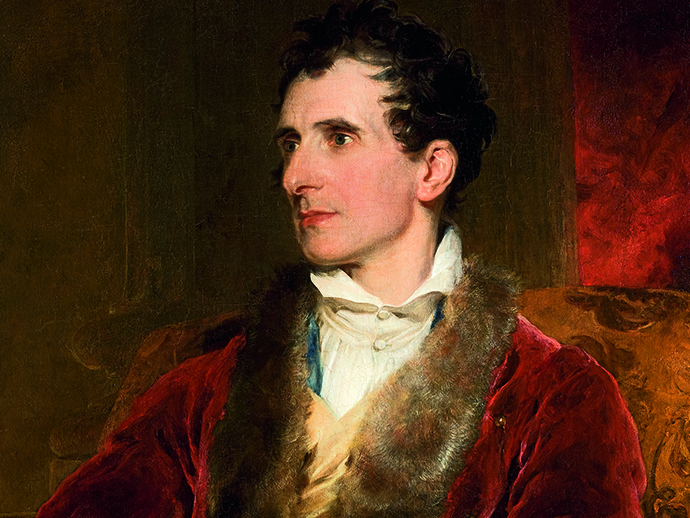
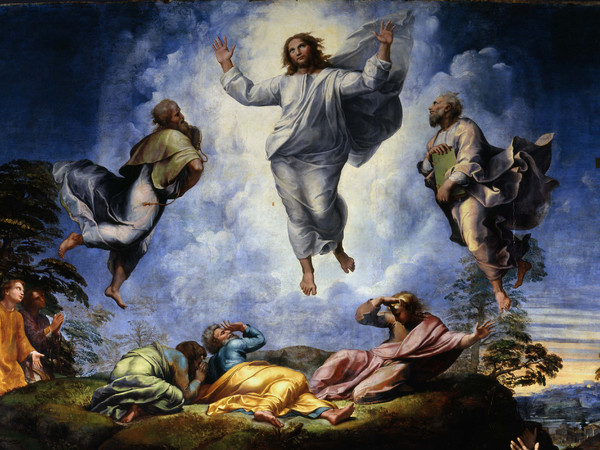
Tra i capolavori recuperati figuravano la Trasfigurazione di Raffaello, l’Apollo del Belvedere, il Laocoonte, la Strage degli innocenti di Guido Reni e la Venere de’ Medici, tornata a Firenze.
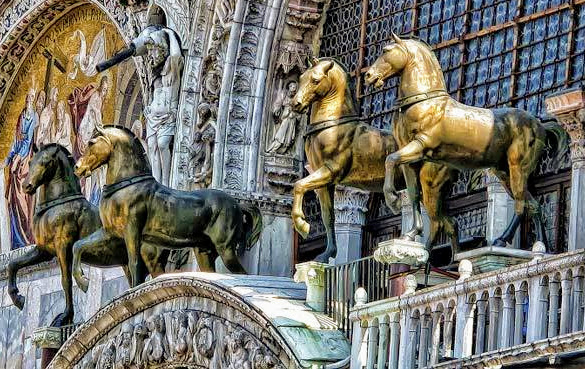
Anche la celebre quadriga bronzea della basilica di San Marco a Venezia, trasferita a Parigi dopo la conquista napoleonica, fu restituita. Prima della requisizione, i cavalli erano stati collocati sulla facciata della basilica; dopo il rientro ripresero il loro posto, mentre all’Arco di Trionfo del Carrousel rimasero copie.
Il ritorno di questi capolavori fu una vittoria importante, ma non completa.
Le opere d’arte italiane che non tornarono dalla Francia
Quante opere d’arte sottratte durante le campagne napoleoniche non furono restituite all’Italia?
La risposta dipende dal perimetro del censimento utilizzato. Secondo il catalogo storico delle requisizioni compilato sulla base dell’inventario di Antonio Canova e ripreso negli studi successivi, il bilancio è di 506 opere registrate: 249 restituite nel 1815, 248 rimaste in Francia e nove indicate come disperse. Si tratta di un inventario storico, non di un censimento esaustivo di ogni oggetto sottratto durante le campagne napoleoniche.
Tra i dipinti che non fecero ritorno figurano opere di alcuni dei più importanti maestri della pittura italiana.
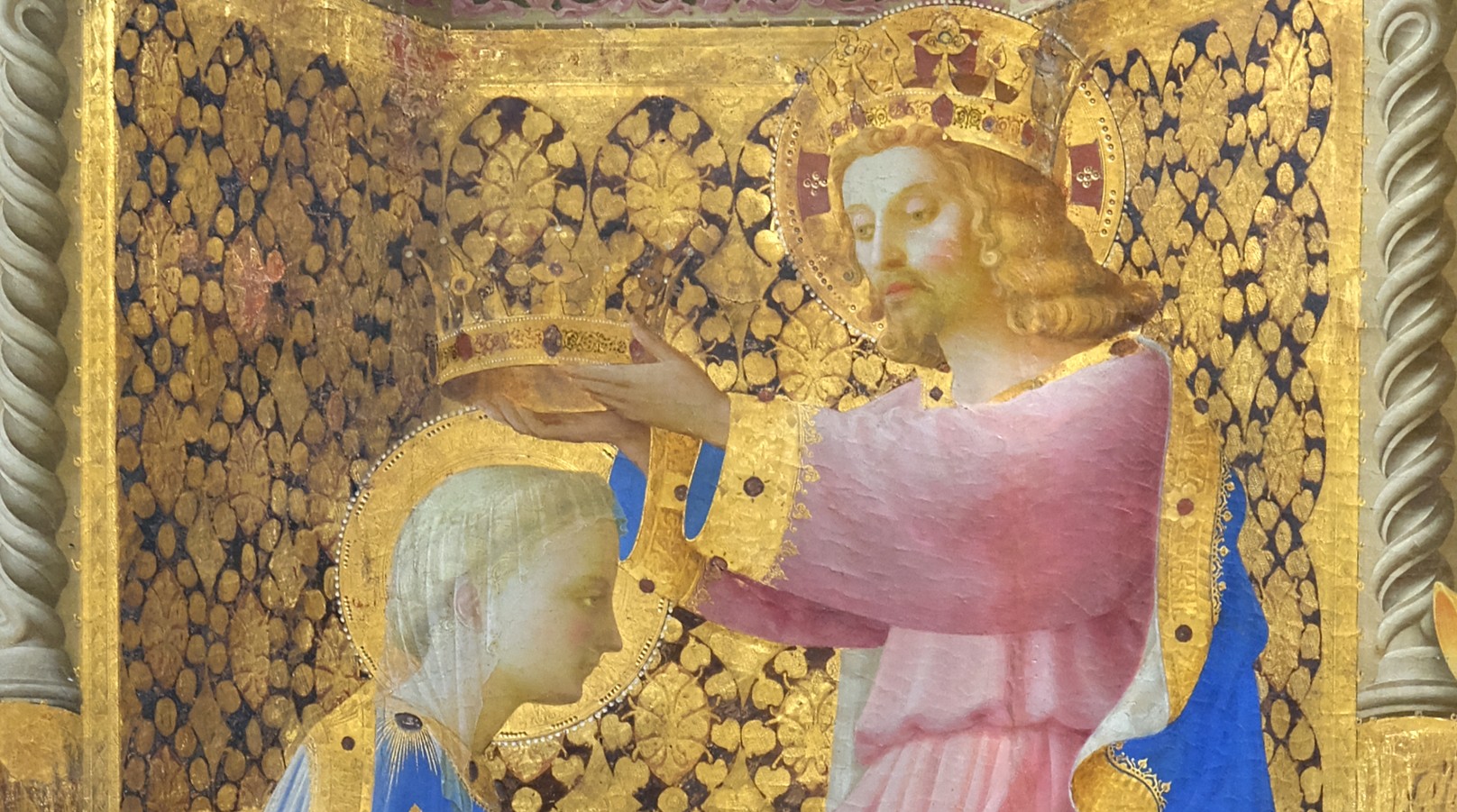
L’Incoronazione della Vergine del Beato Angelico è uno degli esempi più significativi. A essa si aggiungono le Stigmate di san Francesco attribuite a Giotto, la Maestà di Cimabue, la Pala Barbadori di Filippo Lippi e la Madonna col Bambino, sant’Anna e quattro santi di Pontormo.
Anche il Sposalizio della Vergine di Perugino, la Madonna col Bambino in trono tra i santi Giovanni Battista e Maria Maddalena di Cima da Conegliano, la Visitazione di Ghirlandaio e la Madonna della colomba di Piero di Cosimo rientrano tra le opere che non tornarono nei luoghi di origine.
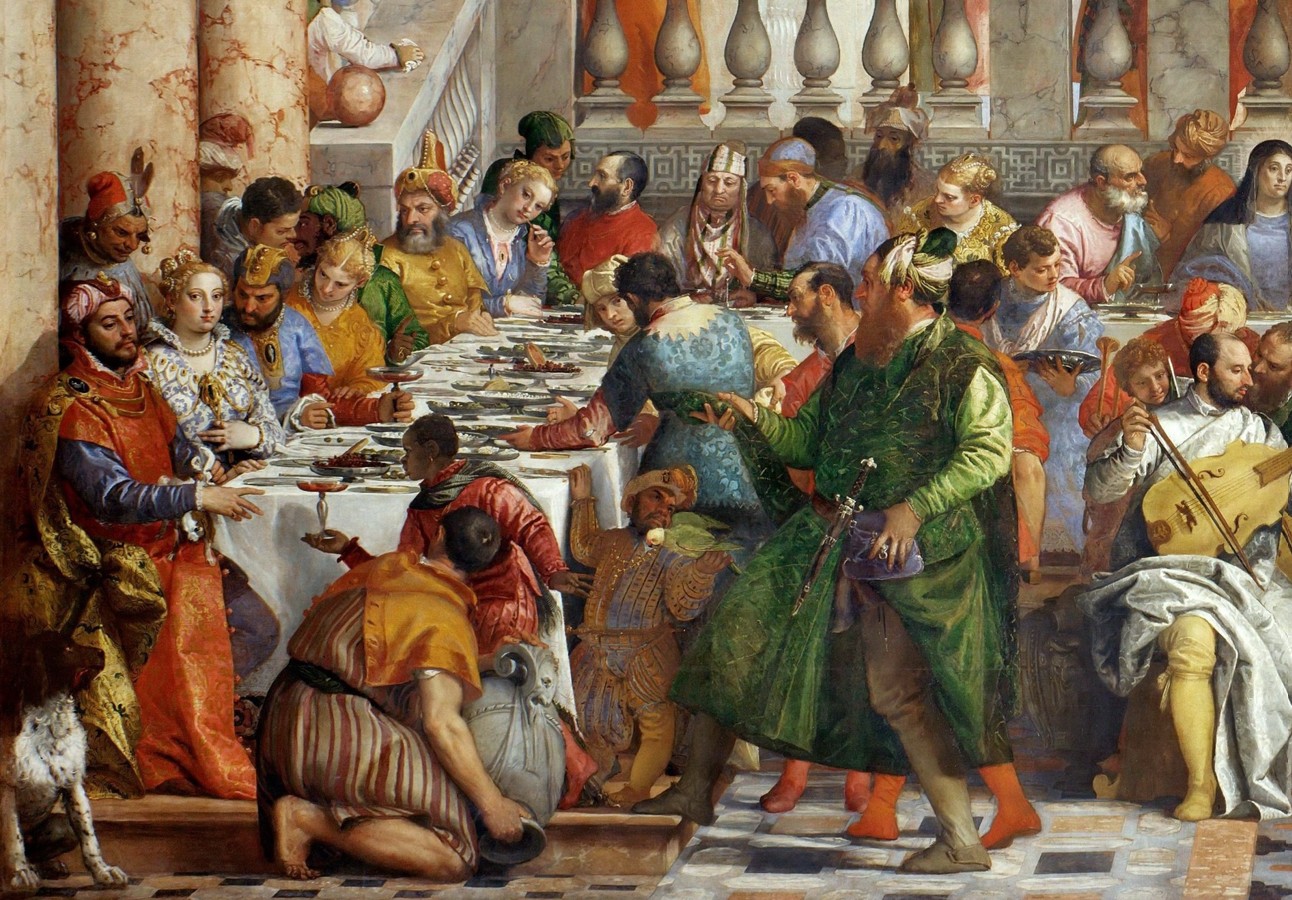
Un caso particolarmente noto è quello delle Nozze di Cana di Paolo Veronese, realizzate per il refettorio benedettino di San Giorgio Maggiore a Venezia. La tela monumentale si trova ancora al Louvre. Le sue dimensioni eccezionali e le difficoltà tecniche legate alla rimozione e al trasporto contribuirono a rendere particolarmente complessa la possibilità di riportarla a Venezia.

Non tutti i mancati rientri ebbero, tuttavia, le stesse ragioni. In alcuni casi pesarono le decisioni politiche dei governi, in altri le difficoltà logistiche, le condizioni delle opere o il fatto che determinate richieste non vennero avanzate con la stessa efficacia diplomatica.
Il ritorno delle opere e una questione ancora attuale
Le restituzioni del 1815 rappresentarono un passaggio importante nella storia della tutela del patrimonio culturale. La vicenda mostrò quanto fosse fragile la sorte delle opere d’arte nei conflitti e quanto la loro conservazione dipendesse anche dalle decisioni dei governi e dagli equilibri internazionali.
Antonio Canova è ricordato soprattutto come uno dei grandi protagonisti della scultura neoclassica, autore di capolavori in marmo che ancora oggi ammiriamo nei musei di tutto il mondo. La missione parigina permette però di conoscere un altro lato della sua personalità: quello dell’uomo che mise la propria autorevolezza al servizio della difesa del patrimonio artistico.
La storia non si concluse con quei carri in viaggio verso la penisola. Molti capolavori rimasero in Francia e altri andarono dispersi, mentre le spoliazioni napoleoniche continuarono a influenzare il modo in cui oggi discutiamo di provenienza, proprietà e restituzione delle opere d’arte.
Per il momento il sempre vostro Michelangelo Buonarroti vi saluta dandovi appuntamento ai prossimi post e sui social.
October 25, 1815: Artworks stolen by Napoleon returned to Italy, but 248 remained in France
On October 25, 1815, a convoy of 41 wagons, pulled by approximately 200 horses, departed from Paris, carrying 249 works of art destined to return to Italy.
After years of Napoleonic plunder, paintings, sculptures, and other masterpieces were finally leaving the Louvre to return to the places from which they had been taken. This historic restitution was made possible primarily by Antonio Canova, who leveraged his artistic prestige in the service of a highly delicate diplomatic mission.
However, not everything returned home. According to the historical catalog of the requisitions, 248 works remained in France, and another nine were lost. It remains an open wound in the history of Italy’s artistic heritage.
Antonio Canova: The sculptor who became a diplomat
When Napoleon Bonaparte was defeated and his power came to a definitive end in 1815, an opportunity arose to recover at least a portion of the artworks that had been seized from territories conquered by the French armies.
This endeavor was championed by Pope Pius VII, who entrusted Antonio Canova with an exceptionally difficult task. The Pope and his Secretary of State, Cardinal Ercole Consalvi, realized that dealing with the French authorities required someone capable of navigating European royal courts—someone who understood the value of the artworks and knew how to negotiate with representatives of the victorious powers.
Canova possessed all these qualities. He was one of the most celebrated sculptors of his time, enjoyed great international esteem, and possessed a profound knowledge of Rome’s artistic heritage. Yet, his fame would not spare him from encountering obstacles and enduring exhausting negotiations. Consalvi defended the decision with words that have since become famous: “In matters such as these, the name of Canova carries more weight than all of us combined.”
This statement perfectly captures the trust placed in the artist, who was called upon to safeguard vital evidence of Italy’s history and cultural identity.
Why did Napoleon bring Italian works of art to France?
Napoleonic requisitions intensified during the military campaigns of the late 18th century. Between 1796 and 1798, in particular, numerous works were seized from churches, convents, palaces, and both public and private collections across the Italian peninsula.
Milan, Monza, Parma, Bologna, Ferrara, Mantua, Verona, Venice, and Rome were among the centers affected by these acts of plunder. Paintings, ancient sculptures, manuscripts, and other highly valuable objects were transported to France to enrich the collections of the Parisian museum—known at the time as the Musée Napoléon, and today as the Musée du Louvre.
The project also carried political significance. By gathering the most celebrated works from the conquered territories in Paris, the French capital sought to establish itself as the universal center of the arts—a place capable of assembling and showcasing the legacy of great civilizations.
For Italy, which held an extraordinary portion of Europe’s artistic heritage, the consequences were profound. Entire collections were dismantled, and works intended for religious devotion were removed from the very churches for which they had been created.
Canova’s difficult mission at the Louvre
Canova arrived in Paris in August 1815. His mission was to identify works originating from Italian territories, advocate for their restitution, and organize their return.
He was met with tenacious resistance. Dominique Vivant Denon, director of the Louvre, was opposed to relinquishing the masterpieces that had entered the French collections and sought to obstruct requests for their restitution.
Simply asserting the provenance of the works was not enough; they had to be located, identified, traced to their origins, and the authorities had to be persuaded to authorize their departure.
Canova had to rely on his own memory, his art-historical knowledge, and the assistance of individuals willing to support the cause. Among his most important allies was William Richard Hamilton, a British Under-Secretary of State for Foreign Affairs. Furthermore, the military backing of the Allied powers—including the British, Austrians, and Prussians—helped make the operation a practical reality.
Following the final fall of Napoleon and the establishment of a new European balance of power by the Congress of Vienna, France found itself compelled to address demands for the return of artworks seized during its military campaigns.
Canova personally oversaw the identification, cataloging, and preparation of the masterpieces for their return journey—a meticulous task that demanded careful attention to both documentation and the physical preservation of the works.
From “Monsieur l’Ambassadeur” to “Monsieur l’Emballeur”
The dedication with which Canova managed every stage of the restitution process did not go unnoticed.
Prince Talleyrand, a French diplomat and a key figure in the European politics of the era, quipped that the sculptor he had shifted from the role of ambassador to that of packer. From Monsieur l’Ambassadeur to Monsieur l’Emballeur—a play on words that illustrates, with a touch of irony, just how deeply involved Canova was in the practical aspects of the mission.
Preparing crates, verifying inventories, and ensuring that the artworks were transported with the utmost care was essential. A painting or sculpture might have survived years of war unscathed, but improper packing or a journey undertaken without the necessary precautions could easily jeopardize its preservation.
The mission also required significant financial resources. The British general Arthur Wellesley, Duke of Wellington, helped cover the costs of transport, enabling numerous masterpieces to make the long journey back to Italy.
October 25, 1815: 249 works leave Paris
The convoy that departed from Paris on October 25, 1815, was the tangible result of months of negotiation and hard work. According to the most widely accepted historical accounts, 41 wagons—drawn by approximately 200 horses—carried 249 artworks destined to be returned to Italian territories.
The journey was followed with great interest, and the works were welcomed with enthusiasm in their destination cities. This was not merely a matter of reclaiming famous paintings and sculptures; for many communities, it meant recovering a part of their own collective memory.
Even Giacomo Leopardi expressed his satisfaction at the return of these masterpieces—an event that resonated on a cultural and civic level, reaching far beyond artistic circles.
The restitutions did not all take place at the same time, nor did they follow a single route. The works were distributed among the various cities and institutions from which they had originally come, in a process that continued even after the departure of the convoy. Among the recovered masterpieces were Raphael’s Transfiguration, the Apollo Belvedere, the Laocoön, Guido Reni’s Massacre of the Innocents, and the Medici Venus, which returned to Florence.
The famous bronze quadriga (four-horse chariot) from St. Mark’s Basilica in Venice—transferred to Paris following the Napoleonic conquest—was also returned. Before their seizure, the horses had been positioned on the basilica’s façade; upon their return, they were restored to their original location, while copies remained at the Arc de Triomphe du Carrousel.
The return of these masterpieces was a significant victory, yet an incomplete one.
Italian works of art that did not return from France
How many works of art, taken during the Napoleonic campaigns, were never returned to Italy?
The answer depends on the scope of the survey used. According to a historical catalog of the requisitions—compiled based on an inventory by Antonio Canova and referenced in subsequent studies—there are 506 recorded works: 249 were returned in 1815, 248 remained in France, and nine are listed as lost. This is a historical inventory, not an exhaustive census of every single object taken during the Napoleonic campaigns.
Among the paintings that did not return are works by some of the most important masters of Italian painting.
Fra Angelico’s Coronation of the Virgin is one of the most notable examples. Other works include the Stigmatization of Saint Francis (attributed to Giotto), Cimabue’s Maestà, Filippo Lippi’s Barbadori Altarpiece, and Pontormo’s Madonna and Child with Saint Anne and Four Saints. Works such as Perugino’s Marriage of the Virgin, Cima da Conegliano’s Madonna and Child Enthroned with Saints John the Baptist and Mary Magdalene, Ghirlandaio’s Visitation, and Piero di Cosimo’s Madonna of the Dove are also among those that never returned to their places of origin.
A particularly well-known case is that of Paolo Veronese’s The Wedding Feast at Cana, created for the Benedictine refectory of San Giorgio Maggiore in Venice. This monumental canvas remains in the Louvre today. Its exceptional dimensions, combined with the technical challenges involved in its removal and transport, made the prospect of returning it to Venice especially complex.
However, the reasons for these works not returning varied. In some instances, political decisions by governments played a role; in others, the obstacles were logistical, related to the condition of the artworks, or stemmed from the fact that certain requests were not pursued with sufficient diplomatic effectiveness.
The return of artworks remains a relevant issue today
The restitutions of 1815 marked a significant milestone in the history of cultural heritage preservation. This episode revealed just how precarious the fate of artworks can be during conflicts, and demonstrated that their survival often depends on government decisions and the shifting landscape of international relations.
Antonio Canova is primarily remembered as a leading figure in Neoclassical sculpture—the creator of marble masterpieces that we still admire in museums across the globe. Yet, his mission to Paris sheds light on another facet of his figure who placed his own authority at the service of protecting artistic heritage.
The story did not end with those wagons traveling toward the Italian peninsula. Many masterpieces remained in France, while others were lost or scattered; meanwhile, the Napoleonic spoliations have continued to shape how we discuss the provenance, ownership, and restitution of works of art today.
For now, yours truly, Michelangelo Buonarroti, bids you farewell—until the next posts and over on social media.
Sostienici – Support Us
Se questo blog ti piace e ti appassiona, puoi aiutarci a farlo crescere sempre più sostenendoci in modo concreto condividendo i post, seguendo le pagine social e con un contributo che ci aiuta ad andare avanti con il nostro lavoro di divulgazione. . ENGLISH: If you like and are passionate about this blog, you can help us make it grow more and more by supporting us in a concrete way by sharing posts, following social pages and with a contribution that helps us to move forward with our dissemination work.
10,00 €
Condividi:


Questo sono io



sostienici

Sostienici - Support Us
Se questo blog ti piace e ti appassiona, puoi aiutarci a farlo crescere sempre più sostenendoci in modo concreto condividendo i post, seguendo le pagine social e con un contributo che ci aiuta ad andare avanti con il nostro lavoro di divulgazione. . ENGLISH: If you like and are passionate about this blog, you can help us make it grow more and more by supporting us in a concrete way by sharing posts, following social pages and with a contribution that helps us to move forward with our dissemination work.
€10,00


