

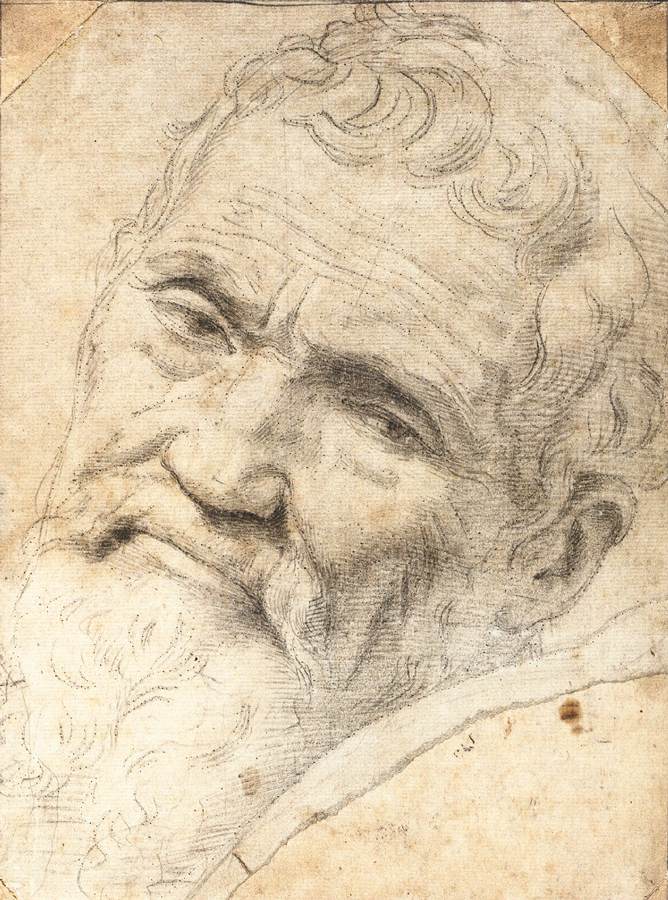
21 ottobre 1556: muore Pietro Aretino, il ‘flagello dei principi’ che attaccò il mio Giudizio Universale
Il 21 ottobre 1556 moriva a Venezia Pietro Aretino, uno degli uomini più discussi del suo tempo. Scrittore, poeta, cortigiano e polemista formidabile, aveva fatto della parola un’arma con cui conquistare favori, mettere in difficoltà i potenti e guadagnarsi una fama che, ancora oggi, non lascia indifferenti.
Per ricordarlo, lo studioso Paolo Giovio gli dedicò un’epigrafe rimasta celebre:
Qui giace l’Aretin, poeta Tosco,
che d’ognun disse mal, fuorché di Cristo,
scusandosi col dir: «Non lo conosco»!
Come dargli torto? Pietro Aretino aveva una lingua affilata e non si faceva certo scrupoli quando si trattava di dire la sua sugli altri. Anch’io finii nel suo mirino. A dire il vero però la nostra storia cominciò molto prima delle sue critiche al mio Giudizio Universale.
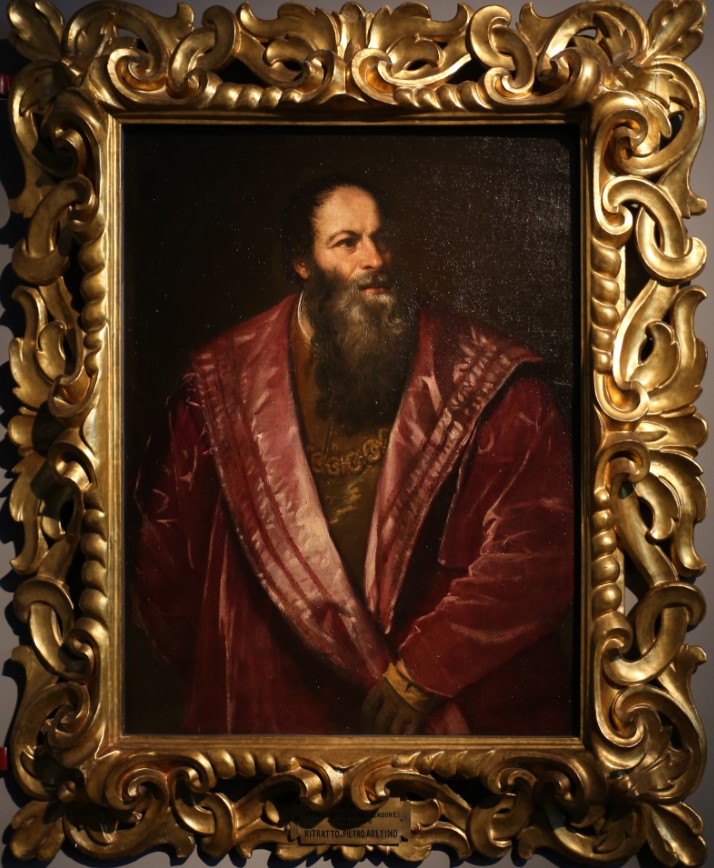
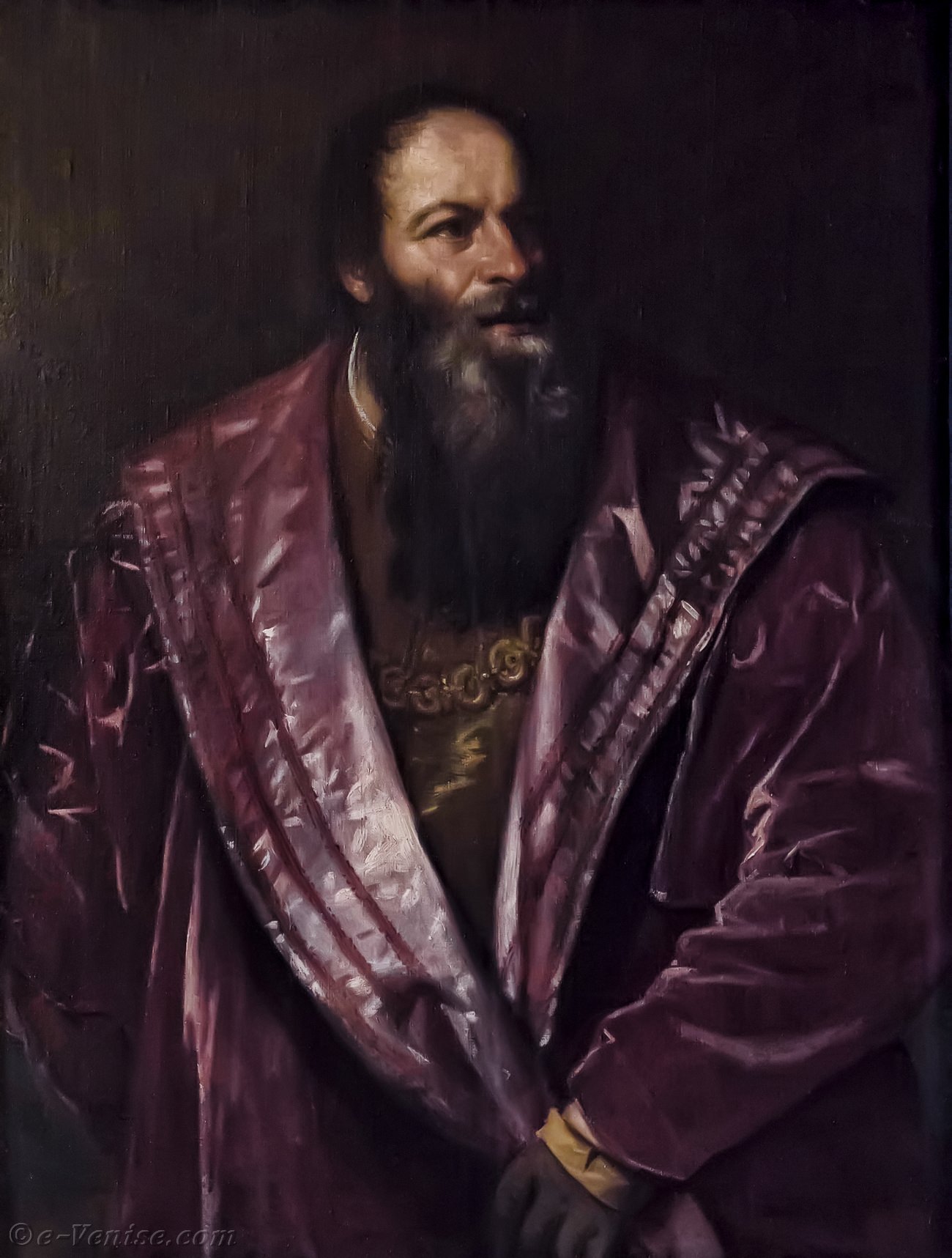
Pietro Aretino, lo scrittore che sapeva farsi temere
Pietro Aretino era nato ad Arezzo nel 1492 e si era fatto strada in un mondo nel quale la penna poteva aprire porte importanti quanto il denaro e le conoscenze giuste. Non apparteneva a una famiglia particolarmente potente e dovette costruirsi da sé la propria posizione, imparando presto quanto potesse valere una parola ben assestata.
Passò per Roma, dove entrò negli ambienti della corte papale e si fece conoscere per i suoi scritti satirici. Conobbe cardinali, principi, artisti e uomini di potere, diventando un interlocutore ricercato ma anche temuto. Perché Pietro aveva un talento particolare: sapeva lodare quando gli conveniva e colpire quando gli sembrava più utile.
Nel 1527 si stabilì a Venezia, città nella quale visse fino alla morte. Qui costruì una rete di rapporti con personaggi illustri e consolidò la propria reputazione di uomo capace di influenzare, con i suoi scritti, la considerazione pubblica di chiunque gli capitasse a tiro.
Era un uomo che aveva capito quanto contassero la fama, le relazioni e la capacità di far parlare di sé. Credetemi, in questo campo sapeva il fatto suo.
Scrisse commedie, dialoghi, lettere, testi religiosi e componimenti licenziosi, fra i quali i famosi Sonetti lussuriosi, accompagnati dalle incisioni erotiche di Marcantonio Raimondi tratte da disegni attribuiti a Giulio Romano. Una personalità difficile da ricondurre a una sola definizione, capace di passare dalla satira più feroce alla scrittura spirituale.
Quel disegno che non volli regalargli
Con me, Pietro Aretino ebbe una questione che non riuscì mai a digerire. S’era messo in testa di ottenere a tutti i costi un mio disegno e mi scriveva insistentemente per convincermi a cedergliene uno. I disegni miei li davo a chi volevo io, non a chi pensava di poterseli procurare a forza di richieste.
Non avevo alcun obbligo d’i ‘accontentarlo. Quel suo modo di fare non m’andava proprio a genio. Non mi piacevano le persone che cercavano di ottenere qualcosa attraverso la pressione, la lusinga o il ricatto delle parole.
Non gli diedi quello che voleva.
Potrete immaginare quanto la cosa l’avesse turbato.
Pietro Aretino era abituato a muoversi fra personaggi importanti, a trattare con loro e a far pesare la propria influenza. Ma con me non riuscì a ottenere ciò che desiderava. Quando un uomo del genere si vede chiudere una porta in faccia, c’è sempre il rischio che decida di farsi sentire in un altro modo.
Nel mio caso, scelse di attaccare il Giudizio Universale, il grande affresco che avevo dipinto sulla parete dell’altare della Cappella Sistina.
Il Giudizio Universale e le critiche velenose dell’Aretino
Il Giudizio Universale era stato inaugurato nel 1541, dopo anni di lavoro e di fatica. Avevo rappresentato Cristo nel momento in cui il destino delle anime si compie, con corpi che si torcono, figure che precipitano e altre che cercano di salire verso la salvezza.
Avevo affrontato un tema immenso, nel quale la fragilità del corpo umano e il peso del giudizio divino si incontravano senza sconti.
L’opera suscitò ammirazione, ma anche critiche e discussioni. Pietro Aretino non si lasciò sfuggire l’occasione di intervenire.
Nel 1545 mi scrisse una lettera nella quale contestava il modo in cui avevo rappresentato alcune figure, giudicando sconvenienti certe nudità in un luogo sacro. Le sue obiezioni si inserivano in una polemica più ampia sul decoro delle immagini religiose, ma il tono e le circostanze del nostro rapporto rendevano difficile ignorare il sospetto che ci fosse anche dell’altro.
L’Aretino arrivò persino a contrapporre il mio affresco alle immagini della Passione di Cristo, sostenendo che avrei dovuto trattare il soggetto con maggiore rispetto della sensibilità dei fedeli.
Ora, non sarò certo io a negare che un’opera possa essere discussa. Ma una cosa è criticare ciò che si vede, un’altra è pretendere di dettare a un artista come debba lavorare, soprattutto quando quell’artista ha dedicato anni della propria vita a un’impresa tanto difficile.
Se davvero gli premeva tanto il mio lavoro, perché tutta quella insistenza per ottenere un disegno da me?
Una lettera che non ebbe la risposta che sperava
Pietro Aretino amava presentarsi come un uomo libero, capace di parlare apertamente anche ai più potenti. E in parte lo era davvero: non aveva paura di attaccare personaggi illustri e sapeva usare la scrittura per conquistarsi uno spazio che pochi avrebbero potuto occupare come lui.
La libertà di parola, quando viene esercitata soltanto per ottenere vantaggi o per colpire chi non ci accontenta, rischia di diventare un’altra cosa.
Nnon gli diedi la soddisfazione di rispondere alle sue provocazioni come forse avrebbe desiderato. Non avevo intenzione di alimentare una disputa epistolare con lui, né di mettermi a giustificare ogni scelta del mio lavoro davanti a chi si era già costruito la propria opinione.
Iil silenzio è una risposta assai più efficace di una pagina piena d’inchiostro. La vicenda rimase lì, con il suo carico di risentimento e di parole velenose. Se ripenso a quella storia, mi viene in mente la favola della volpe e dell’uva: quando non si riesce a ottenere ciò che si desidera, si finisce talvolta per sostenere che non valesse poi tanto.
L’Aretino come San Bartolomeo che tiene in mano la propria pelle
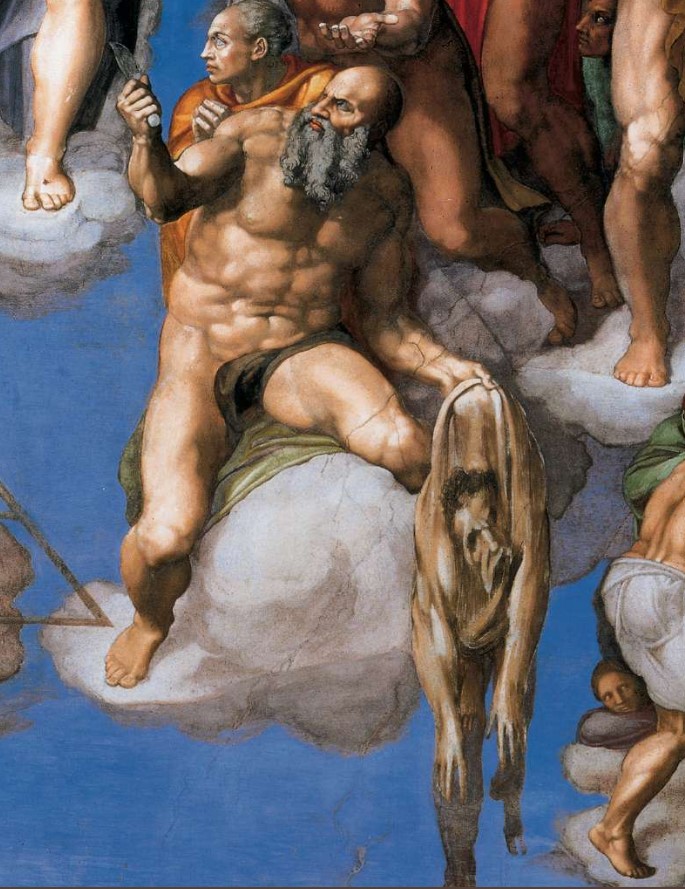
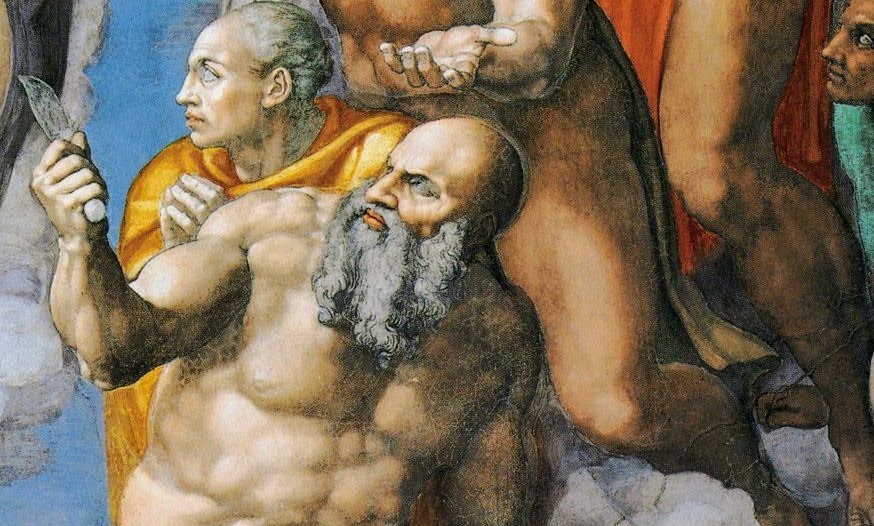
Guardate attentamente il Giudizio Universale. San Bartolomeo appare con la pelle che gli fu strappata di dosso. La tiene sospesa nella mano, come una sorta di involucro vuoto, mentre nell’altra stringe il coltello del suo martirio.
Ma quella pelle racconta qualcos’altro. In quel volto deformato, allungato e quasi svuotato dalla vita volli lasciare un’immagine di me stesso. E’ l’immagine di un uomo consumato, quasi sconfitto dal peso della propria esistenza.
Perché avrei dovuto raffigurarmi proprio così? Beh chiedetelo all’Aretino visto che in San Bartolomeo volli rappresentare il suo volto, colui che Ludovico Ariosto definì «il flagello dei principi»
La morte a Venezia e la fama di un uomo controverso
Pietro Aretino morì a Venezia il 21 ottobre 1556, a sessantaquattro anni. Attorno alla sua morte si è tramandato anche un racconto secondo il quale sarebbe morto per una risata eccessiva, ma si tratta di un aneddoto leggendario, non di un fatto accertato.
La sua figura continuò a dividere anche dopo la scomparsa. Per alcuni fu un grande scrittore, capace di rinnovare il linguaggio della satira e della letteratura di corte; per altri rimase soprattutto un uomo spregiudicato, abilissimo nel coltivare amicizie e nel trasformare le parole in uno strumento di potere.
Le sue lettere, le commedie e i dialoghi restituiscono il ritratto di un autore dalla personalità complessa, capace di cogliere con acutezza i meccanismi della società del Cinquecento.
L’Aretino sapeva usare la penna come pochi altri. Io, invece, preferivo rispondere con il mio lavoro.
Per il momento il sempre vostro Michelangelo Buonarroti vi saluta dandovi appuntamento ai prossimi post e sui social.


October 21, 1556: The death of Pietro Aretino, the ‘scourge of princes’ who attacked my Last Judgment
On October 21, 1556, Pietro Aretino—one of the most controversial figures of his time—died in Venice. A writer, poet, courtier, and formidable polemicist, he wielded words as a weapon to gain favors, unsettle the powerful, and forge a reputation that, even today, continues to provoke strong reactions.
In his memory, the scholar Paolo Giovio composed a famous epitaph:
Here lies Aretino, the Tuscan poet,
who spoke ill of everyone—except for Christ—
excusing himself by saying: “I do not know Him!”
And who could blame him? Pietro Aretino possessed a razor-sharp tongue and felt no qualms about voicing his opinions on others. I, too, found myself in his crosshairs. In truth, however, our history began long before his criticisms of my Last Judgment.
Pietro Aretino: the writer who knew how to command fear
Born in Arezzo in 1492, Pietro Aretino carved out a path for himself in a world where a pen could open doors just as effectively as money or the right connections. Coming from a family of no great influence, he had to build his own standing, quickly learning the immense value of a well-placed word.
He spent time in Rome, where he entered the circles of the papal court and gained notoriety for his satirical writings. He rubbed shoulders with cardinals, princes, artists, and men of power, becoming a sought-after—yet feared—figure. For Pietro possessed a unique talent: he knew exactly when to offer praise, and when it was more advantageous to strike. In 1527, he settled in Venice, the city where he would live until his death. There, he built a network of connections with illustrious figures and solidified his reputation as a man capable of shaping—through his writings—the public perception of anyone who crossed his path.
He was a man who understood the true value of fame, social connections, and the art of keeping oneself in the public eye. Believe me, he knew exactly what he was doing in that regard.
He wrote comedies, dialogues, letters, religious texts, and licentious works—most notably his infamous Sonetti lussuriosi (“Lustful Sonnets”), accompanied by erotic engravings by Marcantonio Raimondi, based on drawings attributed to Giulio Romano. He was a man who defied simple categorization, capable of shifting seamlessly from the most savage satire to spiritual prose.
The drawing I refused to give him
Pietro Aretino had a bone to pick with me—one he could never quite swallow. He had set his mind on obtaining one of my drawings at any cost, and he wrote to me persistently, trying to persuade me to hand one over. I gave my drawings only to those I chose, not to someone who thought he could secure them simply by pestering me with requests.
I was under no obligation to indulge him. I truly disliked his way of doing things; I had no patience for people who sought to get what they wanted through pressure, flattery, or the blackmail of words.
I did not give him what he wanted.
You can well imagine how much this upset him.
Pietro Aretino was accustomed to moving among the powerful, dealing with them, and wielding his own influence. But with me, he failed to get what he desired. When a man like that finds a door slammed in his face, there is always a risk that he might decide to make his voice heard in some other way. In my case, he chose to attack The Last Judgment—the great fresco I had painted on the altar wall of the Sistine Chapel.
The Last Judgment and Aretino’s venomous criticisms
The Last Judgment was unveiled in 1541, following years of labor and toil. I had depicted Christ at the moment when the fate of souls is sealed: bodies twisting, figures plunging downward, and others striving to ascend toward salvation.
I had tackled an immense theme, in which the frailty of the human body and the weight of divine judgment met, unsparing and absolute.
The work drew admiration, but also sparked criticism and debate. Pietro Aretino did not miss the chance to weigh in.
In 1545, he wrote me a letter challenging the way I had rendered certain figures, deeming the nudity—in such a sacred space—to be improper. His objections were part of a broader controversy regarding the decorum of religious imagery; yet, given the tone and the nature of our relationship, it was hard not to suspect that there was something more at play.
Aretino even went so far as to contrast my fresco with depictions of the Passion of Christ, arguing that I ought to have treated the subject with greater regard for the sensibilities of the faithful.
Now, I would certainly not deny that a work of art is open to discussion. But it is one thing to critique what one sees, and quite another to presume to dictate how an artist should work—especially when that artist has devoted years of his life to such a formidable undertaking.
If he was truly so concerned about my work but why all that insistence on getting a drawing from me?
A letter that did not receive the response he had hoped for
Pietro Aretino liked to present himself as a free man, capable of speaking openly even to the most powerful. And, in a sense, he truly was: he was not afraid to attack illustrious figures, and he knew how to use his writing to carve out a space for himself—a space few others could have occupied as he did.
Yet, when freedom of speech is exercised solely to gain advantages or to strike out at those who do not grant us what we want, it risks becoming something else entirely.
I did not give him the satisfaction of responding to his provocations as he might have wished. I had no intention of fueling an epistolary dispute with him, nor did I care to justify every creative choice I made to someone who had already firmly made up his own mind.
Silence is a far more effective response than a page full of ink. The matter ended there, left with its heavy burden of resentment and poisonous words. When I look back on that episode, I am reminded of the fable of the fox and the grapes: when one cannot obtain what one desires, one often ends up claiming that it was not worth having in the first place.
Aretino as Saint Bartholomew
Saint Bartholomew holding his own skin.
Look closely at The Last Judgment. Saint Bartholomew appears holding the skin that was flayed from his body. He drapes it from his hand like an empty shell, while in his other hand, he clutches the knife used for his martyrdom.
But that skin tells another story. In that distorted, elongated face—a face almost drained of life—I chose to leave an image of myself. It is the image of a man worn down, nearly defeated by the weight of his own existence.
Why would I choose to depict myself in such a way? Well, ask Aretino himself—after all, I chose to include his face in the San Bartolomeo [altarpiece]; he is the man whom Ludovico Ariosto dubbed “the scourge of princes.”
Death in Venice and the reputation of a controversial man
Pietro Aretino died in Venice on October 21, 1556, at the age of sixty-four. A story has been passed down suggesting he died from laughing too hard, but this is a legendary anecdote, not an established fact.
He remained a divisive figure even after his passing. To some, he was a great writer who revitalized the language of satire and courtly literature; to others, he was, above all, an unscrupulous man—highly skilled at cultivating friendships and wielding words as an instrument of power.
His letters, comedies, and dialogues reveal an author with a complex personality, one capable of keenly grasping the inner workings of sixteenth-century society.
Aretino knew how to wield a pen like few others. I, for my part, preferred to respond through my work.
For now, yours truly, Michelangelo Buonarroti, bids you farewell—until the next posts and over on social media.
Sostienici – Support Us
Se questo blog ti piace e ti appassiona, puoi aiutarci a farlo crescere sempre più sostenendoci in modo concreto condividendo i post, seguendo le pagine social e con un contributo che ci aiuta ad andare avanti con il nostro lavoro di divulgazione. . ENGLISH: If you like and are passionate about this blog, you can help us make it grow more and more by supporting us in a concrete way by sharing posts, following social pages and with a contribution that helps us to move forward with our dissemination work.
10,00 €

Condividi:


Questo sono io



sostienici

Sostienici - Support Us
Se questo blog ti piace e ti appassiona, puoi aiutarci a farlo crescere sempre più sostenendoci in modo concreto condividendo i post, seguendo le pagine social e con un contributo che ci aiuta ad andare avanti con il nostro lavoro di divulgazione. . ENGLISH: If you like and are passionate about this blog, you can help us make it grow more and more by supporting us in a concrete way by sharing posts, following social pages and with a contribution that helps us to move forward with our dissemination work.
€10,00


