

Van Gogh da record: i castagni in fiore venduti a 190 milioni di dollari, è il nuovo primato dell’artista
Un paesaggio dipinto negli ultimi mesi di vita di Vincent van Gogh ha conquistato il mercato internazionale dell’arte. Châtaigniers en fleurs, realizzato nel 1890 ad Auvers-sur-Oise, è stato venduto da Sotheby’s a New York per 190,43 milioni di dollari. Una cifra straordinaria che stabilisce il nuovo record d’asta per il pittore olandese e colloca il dipinto al quarto posto tra le opere più costose mai vendute all’incanto.
Van Gogh, i castagni in fiore venduti per 190,43 milioni di dollari da Sotheby’s
La vendita è stata effettuata ieri 18 novembre 2026 nella sede newyorkese di Sotheby’s, al Breuer Building di Madison Avenue, durante l’asta serale dedicata alla collezione Blaquier-Arrieta.
Le aspettative erano altissime. La stima di partenza si aggirava intorno ai 180 milioni di dollari, ma le previsioni degli operatori lasciavano aperta la possibilità di raggiungere cifre ancora maggiori.
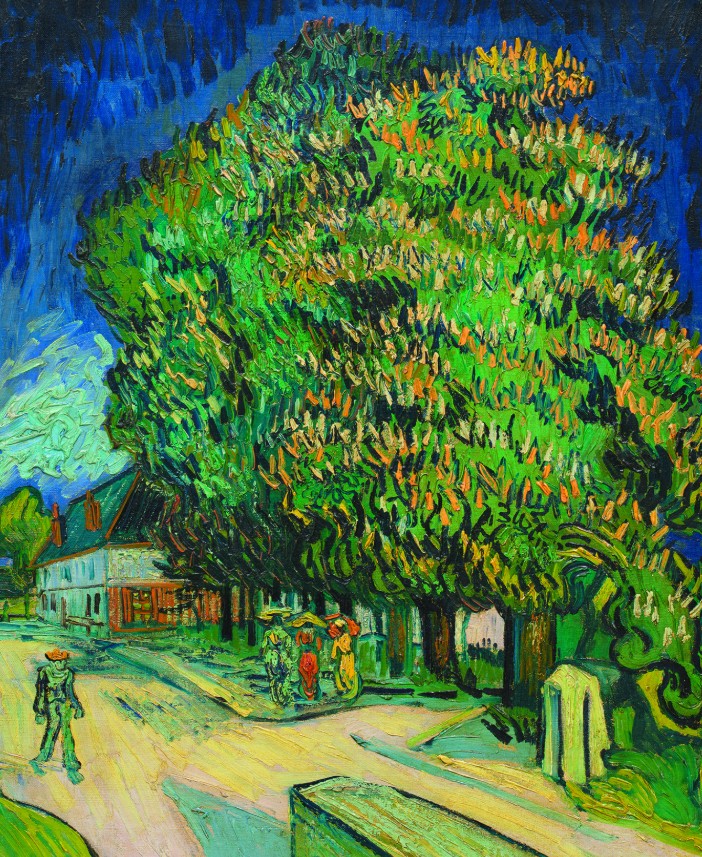

Alla fine, Châtaigniers en fleurs (1890), un olio su tela di 70 × 58 centimetri, è stato aggiudicato per 165 milioni di dollari. Con le commissioni e i diritti d’asta, il prezzo finale ha raggiunto 190,43 milioni di dollari.
Un risultato che supera ampiamente il precedente primato di Van Gogh: nel novembre 2022, Verger avec cyprès (1888), proveniente dalla collezione di Paul G. Allen, era stato venduto da Christie’s a New York per 117,2 milioni di dollari.
Il nuovo risultato rappresenta un incremento di oltre 73 milioni rispetto al precedente record dell’artista.
Con questa aggiudicazione, il dipinto entra anche nella ristretta classifica delle opere più costose mai vendute all’asta, collocandosi al quarto posto, dopo il Salvator Mundi, attribuito a Leonardo da Vinci, il Ritratto di Elisabeth Lederer di Gustav Klimt e Shot Sage Blue Marilyn di Andy Warhol.
La vendita dell’intera raccolta Blaquier-Arrieta ha raggiunto complessivamente circa 412 milioni di dollari. Tra gli altri protagonisti della serata anche Paul Cézanne con Arlequin (1888-1890), aggiudicato per 110 milioni di dollari.
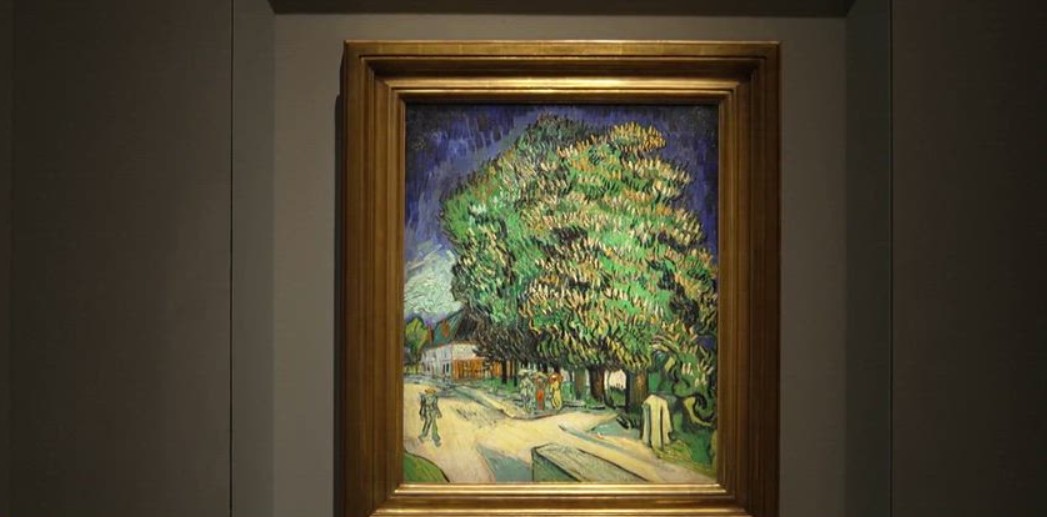
Una primavera ad Auvers-sur-Oise, negli ultimi mesi di vita di Van Gogh
Per comprendere il valore di questo dipinto bisogna tornare al 1890, uno degli anni più intensi e complessi della vita di Vincent van Gogh.
Dopo il periodo trascorso nella struttura psichiatrica di Saint-Rémy-de-Provence e una breve sosta a Parigi dal fratello Theo, il pittore si trasferisce ad Auvers-sur-Oise, un piccolo villaggio a nord della capitale francese. Qui rimane fino alla morte, avvenuta il 29 luglio 1890, a soli 37 anni.
Auvers è un luogo frequentato da artisti, immerso in un paesaggio che offre al pittore nuovi soggetti e nuove possibilità espressive. A seguirlo è il dottor Paul Gachet, medico, collezionista e appassionato d’arte, con il quale Van Gogh entra in contatto durante questo periodo.
La produzione degli ultimi mesi è straordinariamente intensa. Campi, giardini, strade, case e alberi diventano protagonisti di una pittura sempre più personale, nella quale il colore assume un ruolo fondamentale.
In tale contesto che nasce Châtaigniers en fleurs. In una lettera del 25 maggio 1890 indirizzata al fratello Theo e alla cognata Johanna, Van Gogh racconta di aver appena terminato uno studio di castagni in fiore.
Il dipinto: alberi in fiore, parasoli e colori vibranti
Osservando Châtaigniers en fleurs si viene immediatamente catturati dalla presenza degli alberi, che occupano gran parte della composizione.
La scena raffigura un tratto della strada di Auvers-sur-Oise, dominato da grandi castagni dalla vegetazione rigogliosa. I tronchi si innalzano verso le chiome, mentre i fiori bianchi e rosati si mescolano alle diverse tonalità di verde.
Sul fondo si apre un cielo azzurro intenso, che crea un contrasto luminoso con la vegetazione. Le pennellate, brevi e corpose, restituiscono la sensazione di una natura in movimento, attraversata dalla luce e dal vento.
Van Gogh interpreta ciò che vede attraverso il proprio linguaggio pittorico, trasformando alberi, fiori e cielo in una composizione ritmica e vibrante.
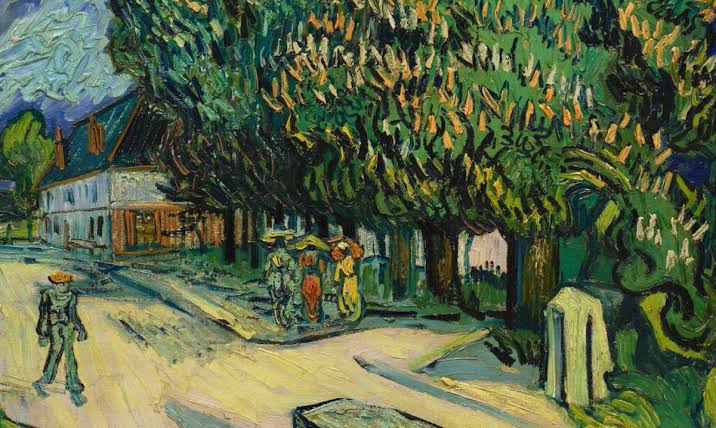

In primo piano compaiono alcune figure femminili con i parasoli, piccoli personaggi che introducono una dimensione quotidiana nella scena. La loro presenza richiama anche l’interesse dell’artista per le stampe giapponesi, conosciute e studiate fin dagli anni del soggiorno parigino.
Qui la natura esplode di luce e colore. I castagni sono in fiore e la pittura sembra voler trattenere tutta la vitalità di quella primavera.
La storia del dipinto e il passaggio nella collezione Blaquier-Arrieta
La provenienza di Châtaigniers en fleurs racconta una lunga storia di collezionismo internazionale.
Dopo la morte di Vincent van Gogh, avvenuta nel luglio 1890, il dipinto entrò nell’eredità del fratello Theo e successivamente nella disponibilità della vedova Johanna van Gogh-Bonger, figura essenziale per la conservazione e la diffusione dell’opera dell’artista.
Nei primi decenni del Novecento la tela passò attraverso importanti raccolte europee. Tra i suoi proprietari figurò anche il collezionista Gustave Fayet, mentre nel 1909 entrò nella collezione dell’editore berlinese Samuel Fischer e della sua famiglia.
Proprio questo capitolo della provenienza ha riportato l’opera al centro dell’attenzione nelle settimane precedenti la vendita.
Gli eredi di Samuel Fischer avevano infatti sollevato questioni relative alla cessione del dipinto nel 1936, sostenendo che la famiglia fosse stata costretta a venderlo in un contesto di persecuzione e difficoltà economiche legate al regime nazista.
La vicenda si è risolta alla vigilia dell’asta, quando Sotheby’s ha annunciato il raggiungimento di un accordo tra la famiglia Blaquier-Arrieta e tutti i discendenti legali di Hedwig e Samuel Fischer. L’intesa ha permesso di procedere con la vendita, riconoscendo al tempo stesso la complessa storia dell’opera e le sofferenze subite dalla famiglia Fischer durante il periodo nazista.
Nel 1975 il dipinto era stato acquistato dai collezionisti argentini Nelly Arrieta de Blaquier e Carlos Pedro Blaquier, nella cui raccolta è rimasto per oltre cinquant’anni.
La sua storia espositiva comprende inoltre importanti appuntamenti internazionali, dalle mostre parigine della Galerie Vollard alla Nationalgalerie di Berlino, fino alle grandi retrospettive americane del secondo dopoguerra.
Quegli alberi carichi di fiori, le figure che attraversano la strada, il cielo azzurro e le pennellate che sembrano vibrare sulla tela ci restituiscono un Van Gogh capace di guardare ancora alla bellezza del mondo con una straordinaria intensità.
Per il momento il sempre vostro Michelangelo Buonarroti vi saluta dandovi appuntamento ai prossimi post e sui social.

Record-breaking Van Gogh: Blossoming Chestnut Trees sells for $190 million, setting a new high for the artist
A landscape painted during the final months of Vincent van Gogh’s life has taken the international art market by storm. Châtaigniers en fleurs (Blossoming Chestnut Trees), created in 1890 in Auvers-sur-Oise, was sold at Sotheby’s in New York for $190.43 million. This extraordinary sum sets a new auction record for the Dutch painter and places the work as the fourth most expensive piece ever sold at auction.
Van Gogh’s Blossoming Chestnut Trees sold for $190.43 million at Sotheby’s
The sale took place yesterday, November 18, 2026, at Sotheby’s New York headquarters—the Breuer Building on Madison Avenue—during an evening auction dedicated to the Blaquier-Arrieta collection.
Expectations were exceptionally high. The initial estimate hovered around $180 million, though market experts suggested the possibility of reaching an even higher figure.
Ultimately, Châtaigniers en fleurs (1890)—an oil on canvas measuring 70 × 58 centimeters—was hammered down at $165 million. Including commissions and auction fees, the final price reached $190.43 million.
This result far surpasses Van Gogh’s previous record: in November 2022, Verger avec cyprès (1888), from the collection of Paul G. Allen, was sold at Christie’s in New York for $117.2 million.
This new figure represents an increase of more than $73 million over the artist’s previous record. With this sale, the painting joins the exclusive list of the most expensive works ever sold at auction, taking fourth place—following the Salvator Mundi (attributed to Leonardo da Vinci), Gustav Klimt’s Portrait of Elisabeth Lederer, and Andy Warhol’s Shot Sage Blue Marilyn.
The sale of the entire Blaquier-Arrieta collection reached a total of approximately $412 million. Another highlight of the evening was Paul Cézanne’s Arlequin (1888–1890), which fetched $110 million.
A spring in Auvers-sur-Oise: Van Gogh’s final months
To understand the significance of this painting, one must look back to 1890—one of the most intense and complex years in the life of Vincent van Gogh.
Following his time in a psychiatric facility in Saint-Rémy-de-Provence and a brief stop in Paris to visit his brother, Theo, the painter moved to Auvers-sur-Oise, a small village north of the French capital. He remained there until his death on July 29, 1890, at the age of just 37.
Auvers was a destination for artists, set within a landscape that offered the painter new subjects and fresh expressive possibilities. During this period, Van Gogh came into contact with Dr. Paul Gachet—a physician, art collector, and enthusiast—who provided him with medical care.
His output during these final months was extraordinarily intense. Fields, gardens, streets, houses, and trees became the focal points of an increasingly personal style of painting, in which color played a fundamental role.
It was against this backdrop that Châtaigniers en fleurs (Chestnut Trees in Blossom) was created. In a letter dated May 25, 1890, addressed to his brother Theo and his sister-in-law Johanna, Van Gogh mentioned that he had just completed a study of chestnut trees in bloom.
The painting: blossoming trees, parasols, and vibrant colors
Upon observing Châtaigniers en fleurs (Chestnut Trees in Blossom), one is immediately struck by the presence of the trees, which occupy a large portion of the composition.
The scene depicts a stretch of road in Auvers-sur-Oise, dominated by large chestnut trees with lush foliage. Their trunks reach upward toward the canopy, where white and pink blossoms mingle with various shades of green.
In the background, an intense blue sky unfolds, creating a luminous contrast with the vegetation. The short, thick brushstrokes convey a sense of nature in motion, animated by light and wind.
Van Gogh interprets what he sees through his own unique pictorial language, transforming trees, flowers, and sky into a rhythmic, vibrant composition.
In the foreground, several female figures appear carrying parasols—small, human elements that introduce a touch of everyday life to the scene. Their presence also reflects the artist’s interest in Japanese prints, which he had discovered and studied during his time in Paris.
Here, nature bursts with light and color. The chestnut trees are in bloom, and the painting seems to capture the full vitality of that spring.
The history of the painting and its inclusion in the Blaquier-Arrieta collection
The provenance of Châtaigniers en fleurs reveals a long history of international collecting.
Following the death of Vincent van Gogh in July 1890, the painting became part of the estate of his brother, Theo, and subsequently passed to Theo’s widow, Johanna van Gogh-Bonger—a pivotal figure in the preservation and promotion of the artist’s work.
In the early decades of the 20th century, the canvas passed through several significant European collections. Its owners included the collector Gustave Fayet, and in 1909, it entered the collection of the Berlin-based publisher Samuel Fischer and his family.
It was precisely this chapter of its provenance that brought the work into the spotlight in the weeks leading up to the sale.
The heirs of Samuel Fischer had raised questions regarding the painting’s disposal in 1936, arguing that the family had been forced to sell it amidst the persecution and economic hardship brought about by the Nazi regime.
The matter was resolved on the eve of the auction, when Sotheby’s announced that an agreement had been reached between the Blaquier-Arrieta family and all the legal descendants of Hedwig and Samuel Fischer. This settlement allowed the sale to proceed, while simultaneously acknowledging the complex history of the work and the suffering endured by the Fischer family during the Nazi era.
In 1975, the painting was acquired by the Argentine collectors Nelly Arrieta de Blaquier and Carlos Pedro Blaquier, remaining in their collection for over fifty years.
Its exhibition history includes major international events—from shows at the Galerie Vollard in Paris and the Nationalgalerie in Berlin to significant American retrospectives held in the post-war period.
With its blossom-laden trees, figures crossing the street, a blue sky, and brushstrokes that seem to vibrate upon the canvas, the painting reveals a Van Gogh still capable of beholding the beauty of the world with extraordinary intensity.
For now, yours truly, Michelangelo Buonarroti, bids you farewell—until the next post, and see you on social media.
Sostienici – Support Us
Se questo blog ti piace e ti appassiona, puoi aiutarci a farlo crescere sempre più sostenendoci in modo concreto condividendo i post, seguendo le pagine social e con un contributo che ci aiuta ad andare avanti con il nostro lavoro di divulgazione. . ENGLISH: If you like and are passionate about this blog, you can help us make it grow more and more by supporting us in a concrete way by sharing posts, following social pages and with a contribution that helps us to move forward with our dissemination work.
10,00 €

Condividi:


Questo sono io



sostienici

Sostienici - Support Us
Se questo blog ti piace e ti appassiona, puoi aiutarci a farlo crescere sempre più sostenendoci in modo concreto condividendo i post, seguendo le pagine social e con un contributo che ci aiuta ad andare avanti con il nostro lavoro di divulgazione. . ENGLISH: If you like and are passionate about this blog, you can help us make it grow more and more by supporting us in a concrete way by sharing posts, following social pages and with a contribution that helps us to move forward with our dissemination work.
€10,00


