

Il Louvre rischia la chiusura? Ecco cosa sta succedendo al museo dopo il furto da 88 milioni
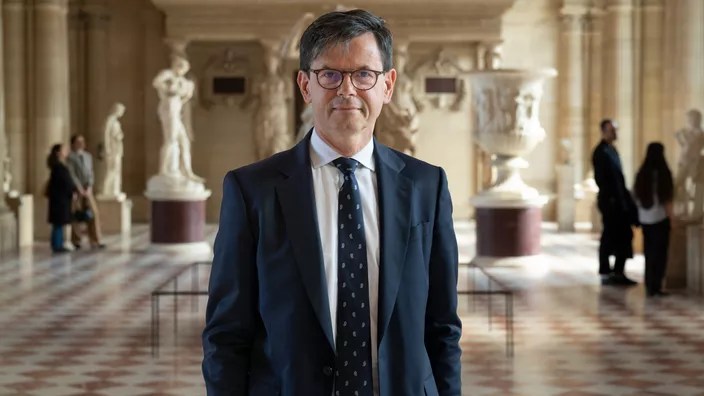
Il Louvre potrebbe arrivare a chiudere le porte al pubblico se non verrà sottoposto a una profonda opera di ristrutturazione e modernizzazione. Non è la trama di un film ambientato nelle sale del museo parigino, ma l’allarme lanciato da Christophe Leribault, presidente-direttore dell’istituzione, in un’intervista esclusiva pubblicata dal quotidiano francese Le Figaro il 14 ottobre 2026.
Le sue parole arrivano a pochi giorni dal primo anniversario di uno degli episodi più clamorosi nella storia recente dei furti d’arte: il colpo messo a segno il 19 ottobre 2025 nella Galleria di Apollo, da cui furono sottratti otto gioielli della Corona francese, per un danno stimato dal museo in 88 milioni di euro.
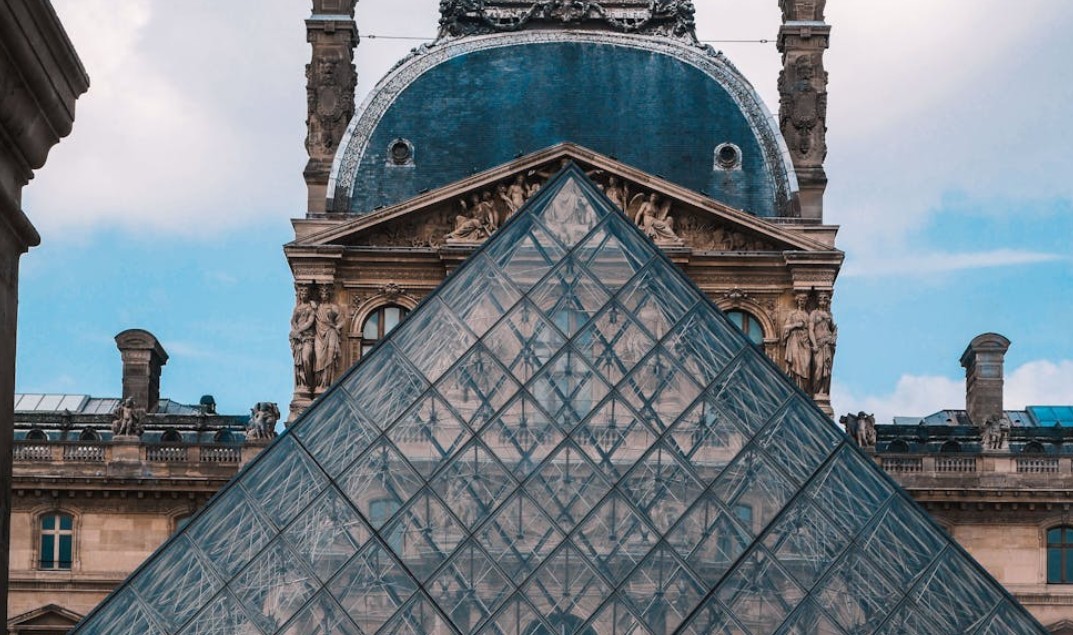
Quell’irruzione ha portato sotto i riflettori le vulnerabilità della sicurezza del Louvre. Ma, secondo Leribault, il problema è molto più ampio e non può essere risolto installando qualche nuova telecamera o rafforzando le porte. A preoccupare il direttore sono anche le condizioni dell’edificio, le infrastrutture ormai obsolete e gli spazi sempre più congestionati da un afflusso di visitatori che mette sotto pressione uno dei luoghi culturali più frequentati del pianeta.
Perché il Louvre potrebbe essere costretto a chiudere
“Se il Louvre non viene riparato, adeguato e trasformato, dovrà chiudere i battenti”: è questo il senso dell’avvertimento di Leribault, che invita a considerare il futuro del museo una priorità nazionale, indipendentemente da quale sarà il prossimo governo francese.
Il rischio evocato non riguarda una chiusura già decisa né un provvedimento imminente. È la prospettiva estrema delineata dal suo presidente se non verranno affrontate le criticità accumulate nel tempo.
Il Louvre è un complesso monumentale che si è sviluppato attraverso secoli di trasformazioni, da residenza reale a museo pubblico, fino a diventare un simbolo culturale della Francia. Adeguare un edificio di questa complessità alle esigenze di un grande museo contemporaneo significa intervenire su impianti, percorsi, accessi, protezione delle collezioni e accoglienza dei visitatori, senza compromettere il patrimonio architettonico.
Già nel giugno 2026, durante un’audizione al Senato francese, Leribault aveva descritto una situazione particolarmente difficile, parlando di infrastrutture e attrezzature arrivate alla fine del loro ciclo di vita. Tra i problemi segnalati figuravano infiltrazioni dai tetti, scale mobili in panne e la necessità di rinnovare la rete elettrica.
Non si tratta, dunque, soltanto di proteggere meglio le opere d’arte, ma di garantire la funzionalità quotidiana di un complesso storico che deve rispondere a esigenze enormemente diverse da quelle per cui era stato costruito.
Il furto del 19 ottobre 2025: otto gioielli spariti in pochi minuti
Un gruppo di ladri raggiunse il museo dal lato della Senna utilizzando un camion con piattaforma elevatrice. Fingendosi addetti a un intervento di manutenzione, gli uomini riuscirono a raggiungere un balcone della Galleria di Apollo e a forzare una porta-finestra.
Una volta all’interno, presero di mira due vetrine che custodivano preziosi appartenenti alle collezioni storiche francesi. Gli oggetti furono sottratti in pochi minuti, mentre i responsabili riuscirono a fuggire prima dell’arrivo delle forze dell’ordine.
Il bottino comprendeva otto gioielli di valore storico inestimabile, fra cui diademi, collane e orecchini appartenuti a regine e imperatrici francesi. Tra i pezzi sottratti figuravano gioielli legati a Maria Amelia, Ortensia, Maria Luisa e all’imperatrice Eugenia.
Durante la fuga, i ladri abbandonarono la corona dell’imperatrice Eugenia, che venne recuperata danneggiata. Gli altri otto oggetti rubati non devono essere confusi con il numero complessivo dei gioielli custoditi nella collezione: il furto riguardò precisamente otto pezzi.
Il valore stimato di 88 milioni di euro, comunicato dal museo, restituisce solo una parte della portata del danno. Quei gioielli rappresentano testimonianze materiali della storia dinastica e politica francese, oggetti la cui importanza non può essere misurata esclusivamente attraverso una valutazione economica.
La sicurezza del museo sotto accusa
Dopo il furto, le verifiche hanno fatto emergere problemi che andavano ben oltre il singolo episodio.
Nel corso delle audizioni parlamentari, la direzione del Louvre aveva riconosciuto l’insufficienza e l’obsolescenza di parte del sistema di videosorveglianza. Nell’area interessata dall’irruzione, una delle due telecamere considerate non copriva il balcone attraverso il quale i ladri riuscirono a entrare.
Le criticità erano state affrontate anche in precedenti verifiche: il rapporto amministrativo reso pubblico nell’ottobre 2025 e le successive audizioni al Senato avevano evidenziato carenze persistenti nella protezione del museo e la necessità di rimediare senza ulteriori ritardi.
Il problema, quindi, non consisteva soltanto nel comportamento dei responsabili del furto, ma anche nella capacità del sistema di individuare tempestivamente un’intrusione e garantire una risposta coordinata.
A un anno di distanza, Leribault afferma che sono stati compiuti progressi. Sono state avviate nuove installazioni di telecamere, introdotte protezioni fisiche supplementari, fra cui dissuasori e barriere anti-sfondamento, e avviato il rifacimento delle cancellate che delimitano il complesso. Nel luglio 2026, inoltre, è entrato in servizio un nuovo coordinatore della sicurezza che risponde direttamente al presidente-direttore.
Il lavoro, però, è tutt’altro che concluso. Come ha spiegato Leribault a Le Figaro, il Louvre è contemporaneamente un monumento storico e una porzione di città: riorganizzare la sicurezza di un insieme tanto vasto richiede tempo e il coordinamento di numerose squadre.
L’obiettivo non è trasformare il museo in una fortezza inaccessibile. È trovare un equilibrio fra la protezione delle opere, la sicurezza delle persone e la possibilità di continuare a visitare liberamente uno dei luoghi fondamentali della cultura europea.
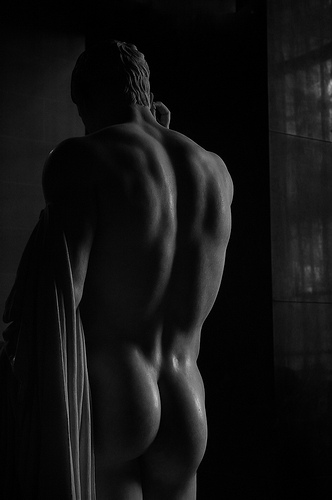
La Galleria di Apollo e i gioielli che non possono più essere esposti come prima
La Galleria di Apollo è uno degli ambienti più spettacolari del Louvre. Le sue decorazioni monumentali, il soffitto dipinto e la collezione di oggetti preziosi la rendono una tappa importante per chi visita il museo.
Proprio qui si è consumato il furto che ha scosso la Francia. Dopo l’irruzione, la gestione dei gioielli rimasti ha richiesto nuove precauzioni. Nell’intervista a Le Figaro, alla domanda sullo svuotamento della galleria dalle collezioni, Leribault ha risposto che gli altri gioielli della Corona sono stati ritirati.
La scelta mette in evidenza un dilemma difficile: da una parte c’è il dovere di proteggere oggetti fragili e insostituibili, dall’altra la missione del museo, che consiste nel conservarli ma anche nel renderli accessibili al pubblico.
Rimuovere temporaneamente i pezzi più preziosi può ridurre alcuni rischi, ma non rappresenta una soluzione definitiva. Perché una collezione storica possa essere nuovamente presentata in condizioni adeguate occorrono spazi, vetrine, sistemi di allarme e procedure di sicurezza commisurati al valore dei beni custoditi.
Louvre Nouvelle Renaissance: un miliardo di euro per salvare il museo
La risposta alle criticità strutturali dovrebbe arrivare attraverso il progetto Louvre Nouvelle Renaissance, presentato nel gennaio 2025 e destinato a ridisegnare parti importanti dell’organizzazione del museo.
Il piano, dal costo stimato di circa un miliardo di euro secondo le cifre riportate nell’attuale dibattito, prevede interventi di ammodernamento, un nuovo ingresso e una riorganizzazione degli spazi per migliorare l’accoglienza e la distribuzione dei visitatori.
Il progetto è pensato per rispondere a problemi che si intrecciano fra loro: la pressione esercitata dai flussi turistici, la necessità di rendere più funzionali i percorsi, l’invecchiamento delle infrastrutture e la protezione delle collezioni.
La trasformazione richiederebbe tempi lunghi. Leribault ha indicato una durata stimata fra dodici e quindici anni, un orizzonte che rende evidente la complessità dell’operazione. Non si tratta di un semplice restauro, ma di un intervento articolato che dovrebbe permettere al museo di continuare a svolgere la propria funzione anche nei decenni futuri.
Resta aperta la questione delle risorse. Il presidente è alla ricerca di 360 milioni di euro attraverso il mecenatismo francese e internazionale. Nell’intervista a Le Figaro ha spiegato che, al momento, non risultavano ancora firmati impegni per questa raccolta, pur manifestando fiducia nella disponibilità dei potenziali sostenitori.
Un progetto tanto ambizioso pone inevitabilmente anche domande sulle priorità di spesa pubblica, sul contributo dei privati e sul ruolo che dovrà avere il finanziamento statale.
Biglietti più cari per finanziare il futuro del Louvre?
Il costo degli interventi apre anche il tema del prezzo d’ingresso. Dal 2026 il biglietto per i visitatori provenienti da Paesi extraeuropei è passato da 22 a 32 euro, secondo le informazioni riportate nelle ricostruzioni sul piano di rinnovamento.
L’aumento si inserisce nel dibattito su come finanziare le esigenze di un museo che accoglie milioni di persone ogni anno e deve sostenere costi elevati per la manutenzione, la sicurezza e la conservazione delle proprie collezioni.
Da un lato, un’istituzione di questa portata ha bisogno di risorse adeguate per proteggere un patrimonio universale; dall’altro, il prezzo del biglietto incide sull’accessibilità e sulla possibilità di garantire a un pubblico ampio l’esperienza diretta delle opere.
Il nodo è trovare un modello sostenibile che non scarichi tutto il peso della trasformazione sui visitatori e che permetta di mantenere il Louvre un museo pubblico, aperto e capace di svolgere la propria missione culturale.
Le risorse necessarie non riguardano, del resto, soltanto le grandi novità architettoniche. Gli impianti devono funzionare, le coperture devono essere mantenute, le sale devono offrire condizioni adeguate e i sistemi di sicurezza devono essere aggiornati continuamente.
Il futuro del Louvre si giocherà anche su questa capacità di conciliare investimenti, accessibilità e tutela del patrimonio.

Un museo troppo affollato e infrastrutture al limite
La questione della sicurezza è solo una parte della sfida. Un altro problema è rappresentato dall’enorme concentrazione di visitatori in alcune aree del museo, mentre altre sezioni restano meno frequentate.
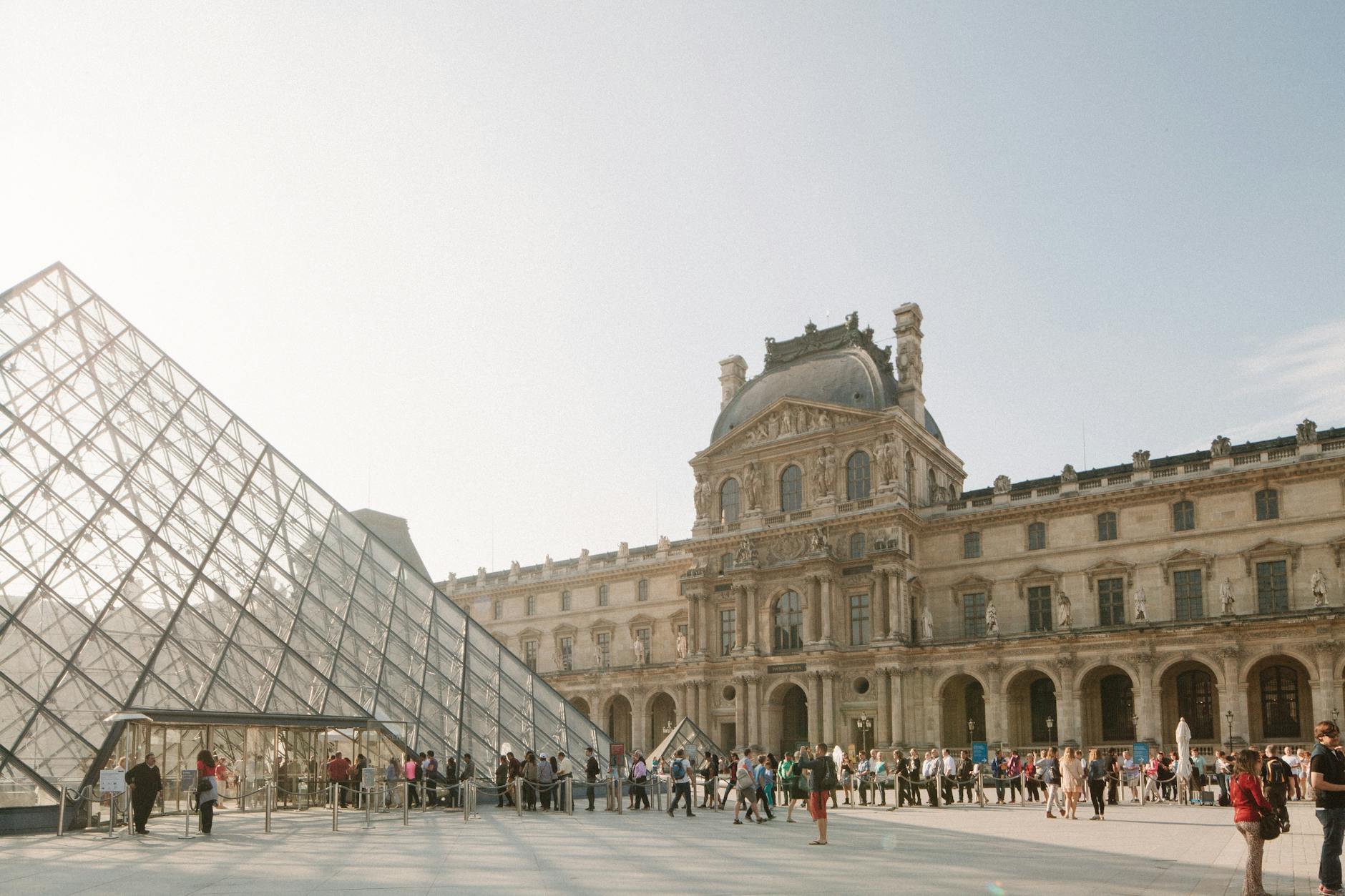
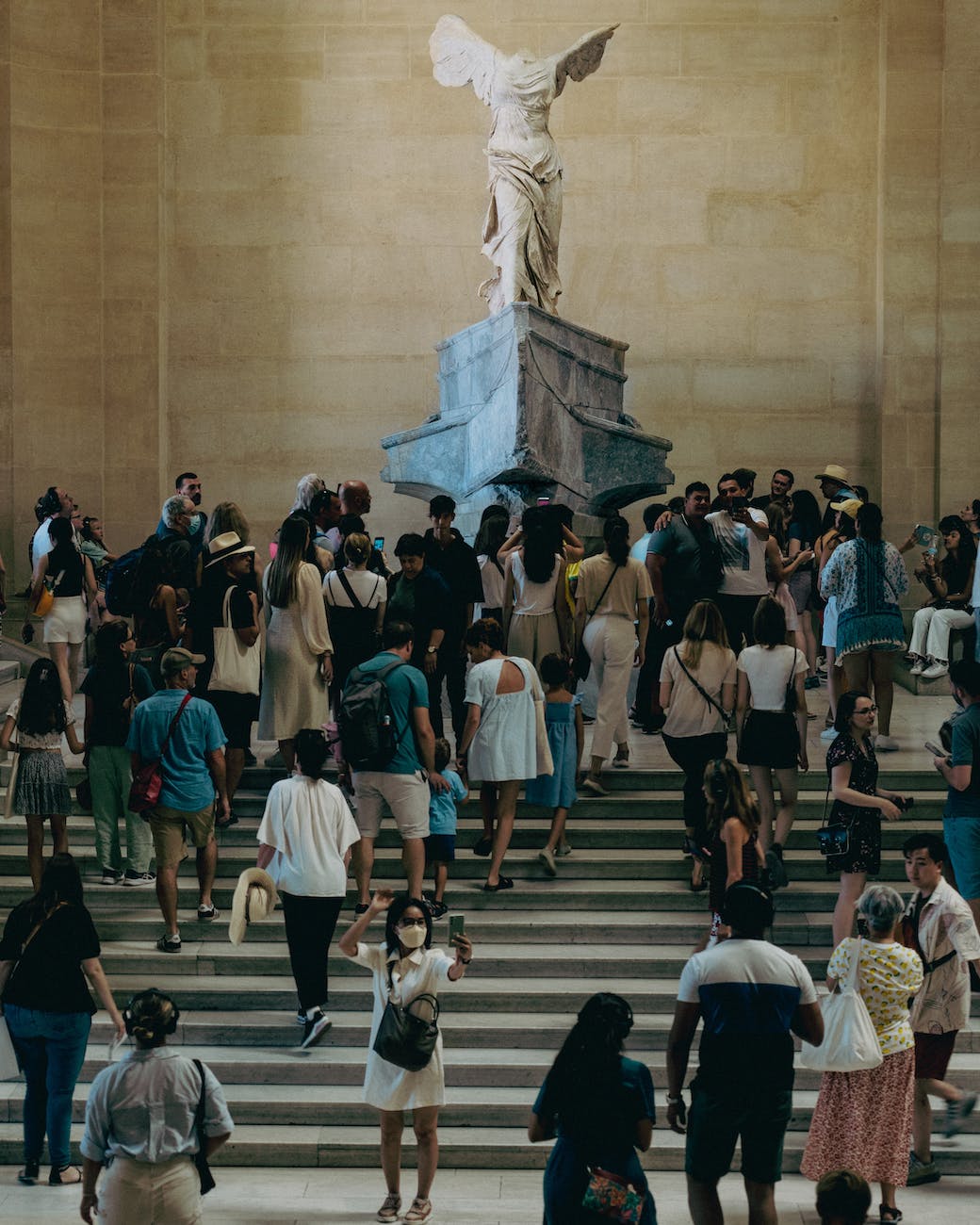
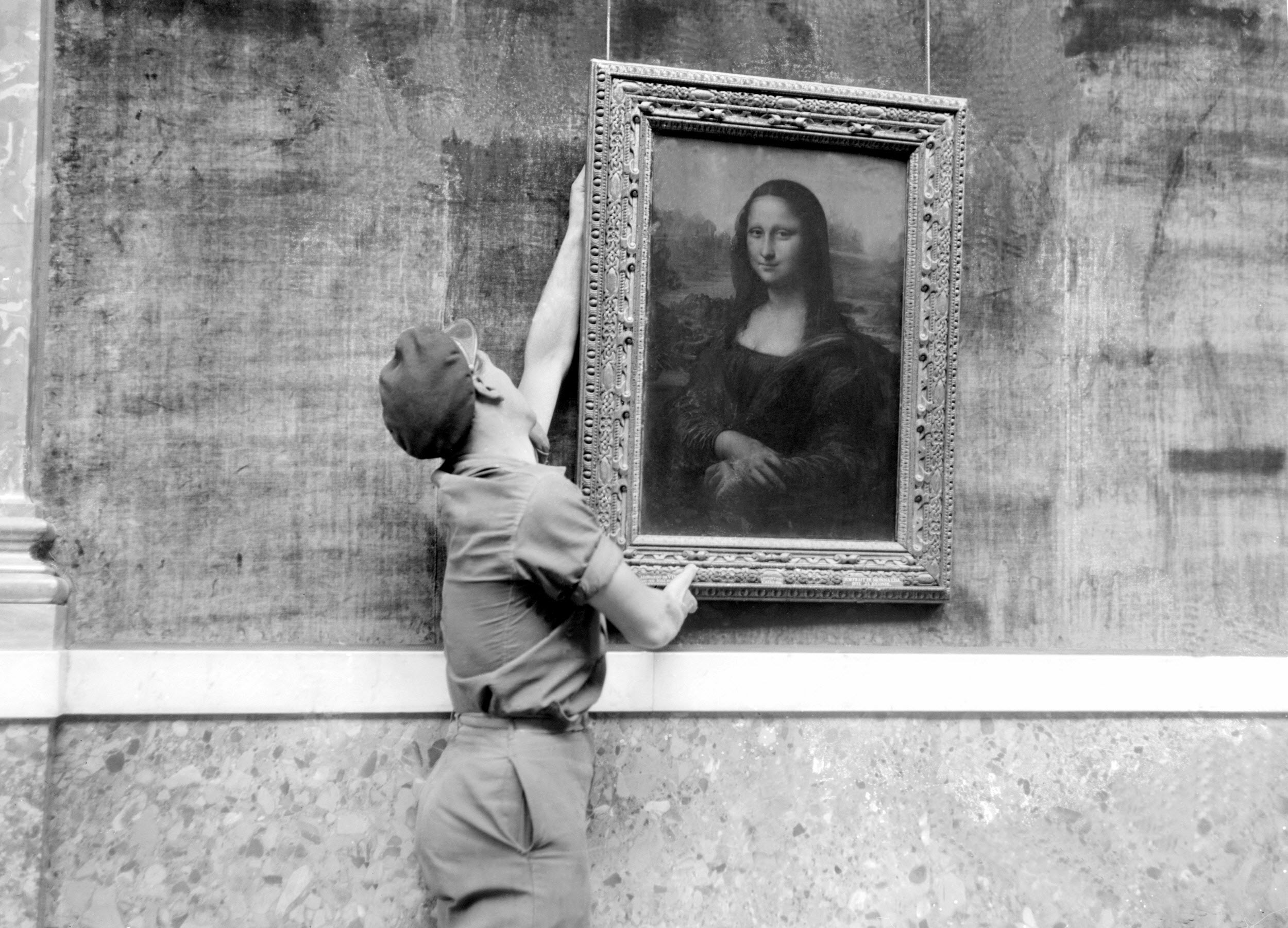
Nell’audizione del giugno 2026, Leribault aveva sottolineato lo squilibrio dei flussi: secondo i dati da lui citati, circa l’80% dei visitatori arriva con l’obiettivo di vedere la Gioconda, mentre ampie porzioni del museo rimangono poco frequentate.
La pressione su alcuni percorsi è quindi molto elevata, soprattutto nelle sale che ospitano le opere più celebri. Un nuovo ingresso e una migliore distribuzione dei visitatori potrebbero contribuire a rendere più agevole la visita, ma il cambiamento richiede una progettazione complessiva degli spazi.
Il Louvre deve riuscire a far convivere esigenze differenti: conservare dipinti e sculture, accogliere il pubblico, garantire la sicurezza, rendere accessibile un complesso monumentale e gestire infrastrutture che hanno bisogno di interventi profondi.
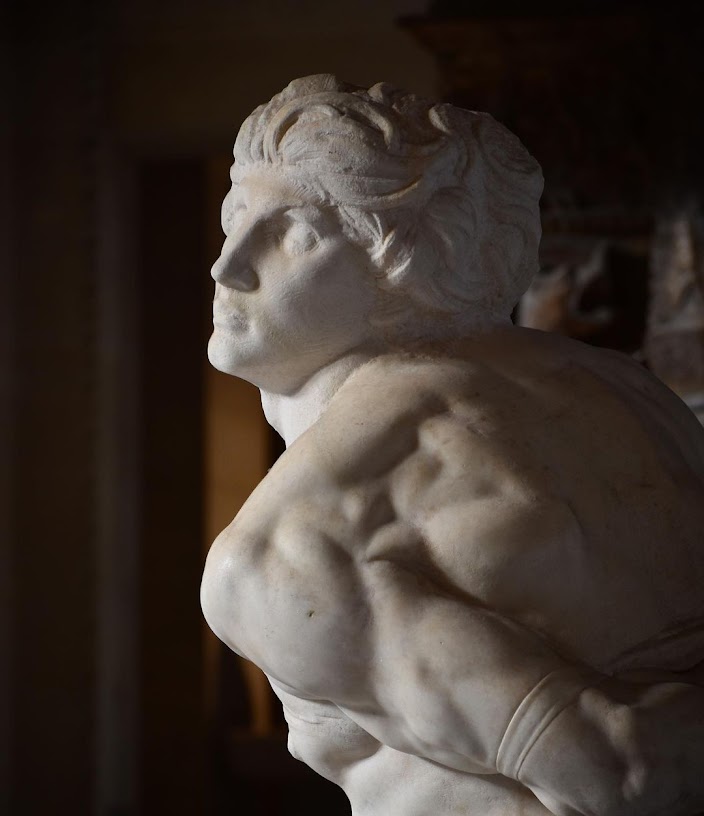
Il furto dei gioielli della Corona ha mostrato quanto possa essere fragile la sicurezza di un’istituzione considerata un simbolo della cultura francese. Ora l’avvertimento del suo presidente sposta l’attenzione su una questione ancora più ampia: non basta proteggere il Louvre da chi tenta di rubare i suoi tesori; occorre anche proteggere il museo dal deterioramento delle sue stesse strutture.
Per il momento il sempre vostro Michelangelo Buonarroti vi saluta dandovi appuntamento ai prossimi post e sui social.

Is the Louvre at risk of closing? Here is what is happening at the museum following an 88-million-euro theft.
The Louvre could eventually be forced to close its doors to the public if it does not undergo an extensive renovation and modernization project. This is not the plot of a film set within the halls of the Parisian museum, but rather an alarm raised by Christophe Leribault, the institution’s president-director, in an exclusive interview published by the French newspaper Le Figaro on October 14, 2026.
His remarks come just days before the first anniversary of one of the most sensational incidents in the recent history of art theft: the heist carried out on October 19, 2025, in the Galerie d’Apollon, from which eight French Crown jewels were stolen—a loss the museum estimates at 88 million euros.
That break-in brought the vulnerabilities of the Louvre’s security system into the spotlight. However, according to Leribault, the problem is much broader and cannot be solved simply by installing a few new cameras or reinforcing doors. The director is also concerned about the condition of the building, its now-obsolete infrastructure, and spaces that are increasingly congested by an influx of visitors—placing immense strain on one of the most-visited cultural sites on the planet.
Why the Louvre could be forced to close
“If the Louvre is not repaired, upgraded, and transformed, it will have to close its doors.” This is the essence of Leribault’s warning; he urges that the future of the museum be treated as a national priority, regardless of which administration may next lead the French government.
The risk he describes does not imply that a closure has already been decided, nor is it an imminent measure. Rather, it is an extreme scenario outlined by the president should the critical issues that have accumulated over time remain unaddressed. The Louvre is a monumental complex that has evolved through centuries of transformation—from a royal residence to a public museum—ultimately becoming a cultural symbol of France. Adapting a building of such complexity to the requirements of a major contemporary museum involves upgrading infrastructure, circulation paths, access points, collection protection, and visitor facilities, all while ensuring the architectural heritage remains uncompromised.
As early as June 2026, during a hearing at the French Senate, Leribault described a particularly challenging situation, noting that the facility’s infrastructure and equipment had reached the end of their operational lifespan. Among the issues highlighted were roof leaks, broken escalators, and the urgent need to renovate the electrical system.
The challenge, therefore, goes beyond simply providing better protection for the artworks; it is about ensuring the daily functionality of a historic complex that must now meet demands vastly different from those for which it was originally built.
The theft of October 19, 2025: eight pieces of jewelry vanished in minutes
A group of thieves approached the museum from the side facing the Seine, using a truck equipped with a hydraulic lift platform. Posing as maintenance workers, the men managed to reach a balcony of the Galerie d’Apollon (Gallery of Apollo) and force open a French door.
Once inside, they targeted two display cases containing precious items from the French historical collections. The objects were stolen in a matter of minutes, and the perpetrators managed to escape before law enforcement arrived.
The haul included eight pieces of jewelry of inestimable historical value, such as tiaras, necklaces, and earrings that had belonged to French queens and empresses. Among the stolen items were pieces associated with Marie-Amélie, Hortense, Marie-Louise, and Empress Eugénie. During their escape, the thieves abandoned Empress Eugénie’s crown, which was recovered in a damaged state. The eight other stolen items should not be confused with the total number of jewels held in the collection; the theft involved precisely eight pieces.
The estimated value of 88 million euros, as reported by the museum, conveys only a fraction of the true extent of the loss. These jewels serve as tangible evidence of French dynastic and political history—objects whose significance cannot be measured solely in terms of economic value.
Museum security under scrutiny
Following the theft, investigations revealed issues that extended well beyond this single incident.
During parliamentary hearings, the Louvre’s management acknowledged that parts of the video surveillance system were inadequate and obsolete. In the area where the break-in occurred, one of the two cameras failed to cover the balcony through which the thieves gained entry.
These critical vulnerabilities had been identified in earlier assessments: an administrative report made public in October 2025, along with subsequent Senate hearings, had highlighted persistent shortcomings in the museum’s security and the urgent need for immediate remedial action.
The problem, therefore, lay not only in the conduct of those responsible for the theft, but also in the system’s ability to detect an intrusion in a timely manner and ensure a coordinated response.
A year later, Leribault states that progress has been made. New security cameras have been installed, additional physical safeguards—such as bollards and anti-ram barriers—have been introduced, and the perimeter fencing surrounding the complex is being overhauled. Furthermore, in July 2026, a new security coordinator was appointed, reporting directly to the president-director.
The work, however, is far from complete. As Leribault explained to Le Figaro, the Louvre is simultaneously a historic monument and a part of the city itself; reorganizing security for such an expansive site requires time and the coordination of numerous teams.
The goal is not to transform the museum into an impenetrable fortress, but rather to strike a balance between protecting the artworks, ensuring the safety of visitors and staff, and maintaining the ability for the public to freely explore one of the cornerstones of European culture.
The Galerie d’Apollon and the jewels that can no longer be displayed as they once were
The Galerie d’Apollon is one of the most spectacular spaces in the Louvre. Its monumental decorations, painted ceiling, and collection of precious objects make it a key destination for museum visitors.
It was here that the theft—an event that shook France—took place. Following the break-in, the management of the remaining jewels necessitated new precautionary measures. In his interview with Le Figaro, when asked about the removal of the collections from the gallery, Leribault confirmed that the other Crown jewels had been taken off display. This choice highlights a difficult dilemma: on one hand, there is the duty to protect fragile and irreplaceable objects; on the other, the museum’s mission—which involves not only preserving these items but also making them accessible to the public.
Temporarily removing the most precious pieces may mitigate certain risks, but it is not a definitive solution. For a historical collection to be displayed once again under appropriate conditions, the museum requires spaces, display cases, alarm systems, and security procedures commensurate with the value of the items being housed.
Louvre Nouvelle Renaissance: One billion euros to save the museum
The response to these structural challenges is set to come through the “Louvre Nouvelle Renaissance” project, unveiled in January 2025, which aims to reshape significant aspects of the museum’s organization.
The plan—estimated to cost around one billion euros, according to figures cited in current discussions—includes modernization efforts, a new entrance, and a reorganization of spaces to improve visitor reception and flow.
The project is designed to address a set of interconnected issues: the pressure exerted by tourist traffic, the need for more functional visitor routes, aging infrastructure, and the protection of the collections.
This transformation would be a long-term undertaking. Leribault has estimated a timeline of twelve to fifteen years—a horizon that underscores the complexity of the operation. It is not merely a restoration, but a comprehensive initiative intended to ensure the museum can continue to fulfill its purpose for decades to come.
The question of funding remains open. The president is seeking to raise 360 million euros through French and international patronage. In an interview with Le Figaro, he explained that, at the moment, no formal commitments for this fundraising effort had yet been signed, though he expressed confidence in the willingness of potential supporters to contribute.
Such an ambitious project inevitably raises questions regarding public spending priorities, the contribution of private entities, and the role that state funding should play.
Higher ticket prices to fund the future of the Louvre?
The cost of these initiatives also brings the issue of admission prices to the fore. According to reports on the renovation plan, starting in 2026, the ticket price for visitors from outside Europe will increase from 22 to 32 euros.
This hike is part of a broader debate on how to fund the needs of a museum that welcomes millions of people each year and faces high costs for the maintenance, security, and preservation of its collections.
On one hand, an institution of this scale requires adequate resources to protect a universal heritage; on the other, ticket prices affect accessibility and the ability to ensure that a broad public can experience the artworks firsthand.
The challenge lies in finding a sustainable model—one that does not place the entire burden of this transformation on visitors, and that ensures the Louvre remains a public, open museum capable of fulfilling its role, its cultural mission.
Moreover, the necessary resources are not limited to major architectural innovations. Facilities must remain functional, roofs must be maintained, galleries must offer appropriate conditions, and security systems must be continuously updated.
The future of the Louvre will also depend on its ability to strike a balance between investment, accessibility, and the preservation of its heritage.
An overcrowded museum and infrastructure pushed to the limit
The issue of security is only one part of the challenge. Another problem is the massive concentration of visitors in certain areas of the museum, while other sections remain far less frequented.
During a hearing in June 2026, Leribault highlighted this imbalance in visitor flow: according to the data he cited, approximately 80% of visitors arrive with the sole intention of seeing the Mona Lisa, leaving large portions of the museum largely unvisited.
Consequently, there is immense pressure on specific routes, particularly in the galleries housing the most famous works. A new entrance and a better distribution of visitors could help make the experience more manageable, but such a change requires a comprehensive redesign of the museum’s spaces.
The Louvre must reconcile competing demands: preserving paintings and sculptures, welcoming the public, ensuring security, maintaining accessibility within a monumental complex, and managing infrastructure that is in need of extensive renovation.
The theft of the Crown Jewels demonstrated just how fragile security can be, even in an institution regarded as a symbol of French culture. Now, the warning issued by its president shifts the focus to a broader issue: it is not enough to protect the Louvre from those who would steal its treasures; the museum must also be protected from the deterioration of its own physical structure.
For now, yours truly, Michelangelo Buonarroti, bids you farewell—see you in future posts and on social media.

Sostienici – Support Us
Se questo blog ti piace e ti appassiona, puoi aiutarci a farlo crescere sempre più sostenendoci in modo concreto condividendo i post, seguendo le pagine social e con un contributo che ci aiuta ad andare avanti con il nostro lavoro di divulgazione. . ENGLISH: If you like and are passionate about this blog, you can help us make it grow more and more by supporting us in a concrete way by sharing posts, following social pages and with a contribution that helps us to move forward with our dissemination work.
10,00 €

Condividi:


Questo sono io





sostienici

Sostienici - Support Us
Se questo blog ti piace e ti appassiona, puoi aiutarci a farlo crescere sempre più sostenendoci in modo concreto condividendo i post, seguendo le pagine social e con un contributo che ci aiuta ad andare avanti con il nostro lavoro di divulgazione. . ENGLISH: If you like and are passionate about this blog, you can help us make it grow more and more by supporting us in a concrete way by sharing posts, following social pages and with a contribution that helps us to move forward with our dissemination work.
€10,00


