
Caravaggio dipinse questo San Girolamo mentre era in fuga: oggi il capolavoro è a Malta
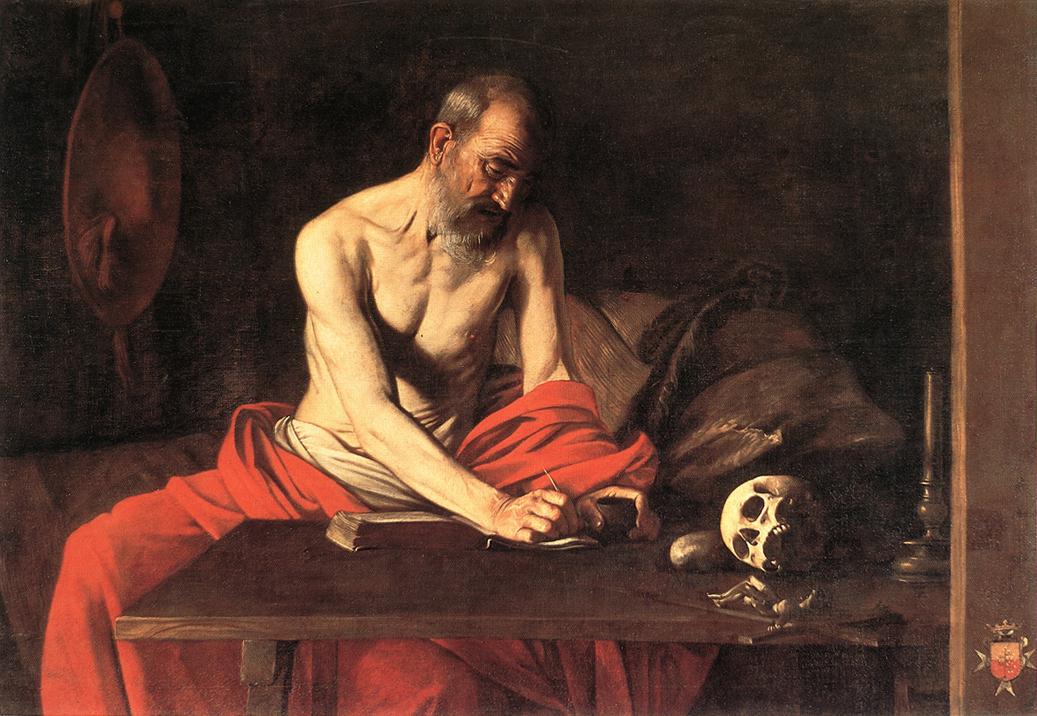
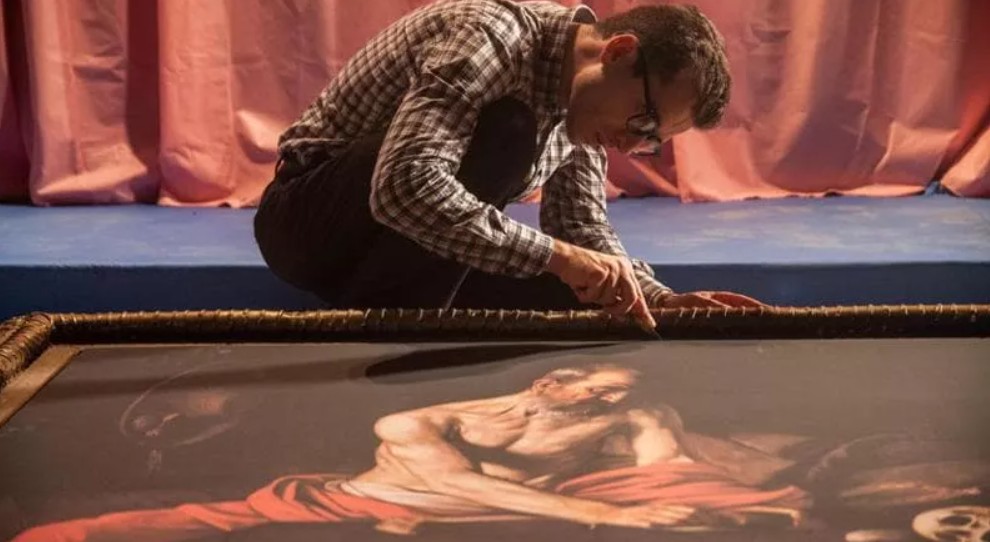
Realizzato nel 1608, il San Girolamo scrivente è uno dei capolavori più intensi della tarda produzione di Caravaggio. Conservato alla Concattedrale di San Giovanni a La Valletta, racconta il santo nell’atto di scrivere, ma anche la solitudine e la tensione spirituale dell’artista dopo la fuga da Roma.
C’è un uomo anziano, seminudo, curvo su un libro. La luce gli accarezza il volto, le mani e parte del corpo, mentre tutto intorno sprofonda nell’ombra.
Non c’è nulla di spettacolare nel gesto che sta compiendo. San Girolamo non predica, non compie un miracolo, non guarda verso chi osserva.
Scrive.
Proprio in questa azione Caravaggio concentra una delle rappresentazioni più intense della vecchiaia, della solitudine e della ricerca spirituale. È il San Girolamo scrivente, dipinto da Caravaggio nel 1608 e oggi conservato nella Concattedrale di San Giovanni a La Valletta, Malta.
Un’opera che appartiene alla stagione estrema della vita del pittore e che, osservata con attenzione, sembra raccontare un intero universo.
San Girolamo scrivente di Caravaggio: dove si trova
Il dipinto è conservato alla Concattedrale di San Giovanni a La Valletta, uno dei luoghi più importanti per comprendere la straordinaria esperienza maltese di Caravaggio.
La tela misura 117 × 157 centimetri ed è realizzata a olio su tela.
La sua storia è strettamente legata a Malta e alla presenza di Caravaggio nell’isola. A differenza di molte altre opere del pittore, il San Girolamo scrivente è rimasto sostanzialmente legato a questo territorio per secoli, fatta eccezione per alcune importanti occasioni espositive.
Proprio a Malta Caravaggio avrebbe realizzato alcune delle opere più drammatiche della sua produzione.
Chi era San Girolamo e perché Caravaggio lo dipinse?
San Girolamo è una delle figure più rappresentate nella storia dell’arte cristiana. Teologo, erudito e asceta, è ricordato soprattutto per la traduzione in latino della Bibbia, la celebre Vulgata, e per questo è stato proclamato Dottore della Chiesa.
Nell’iconografia tradizionale viene spesso rappresentato come un vecchio eremita, assorto nello studio delle Sacre Scritture. Caravaggio sceglie però di eliminare quasi tutto ciò che potrebbe rendere la scena solenne o spettacolare.
Nessun ambiente monumentale, nessun orpello: il Santo è solo. Davanti a lui c’è il libro mentre il reto viene inghiottito dal buio.
Un vecchio che scrive nel buio
Osservando il San Girolamo scrivente, la prima cosa che colpisce è il corpo del Santo.
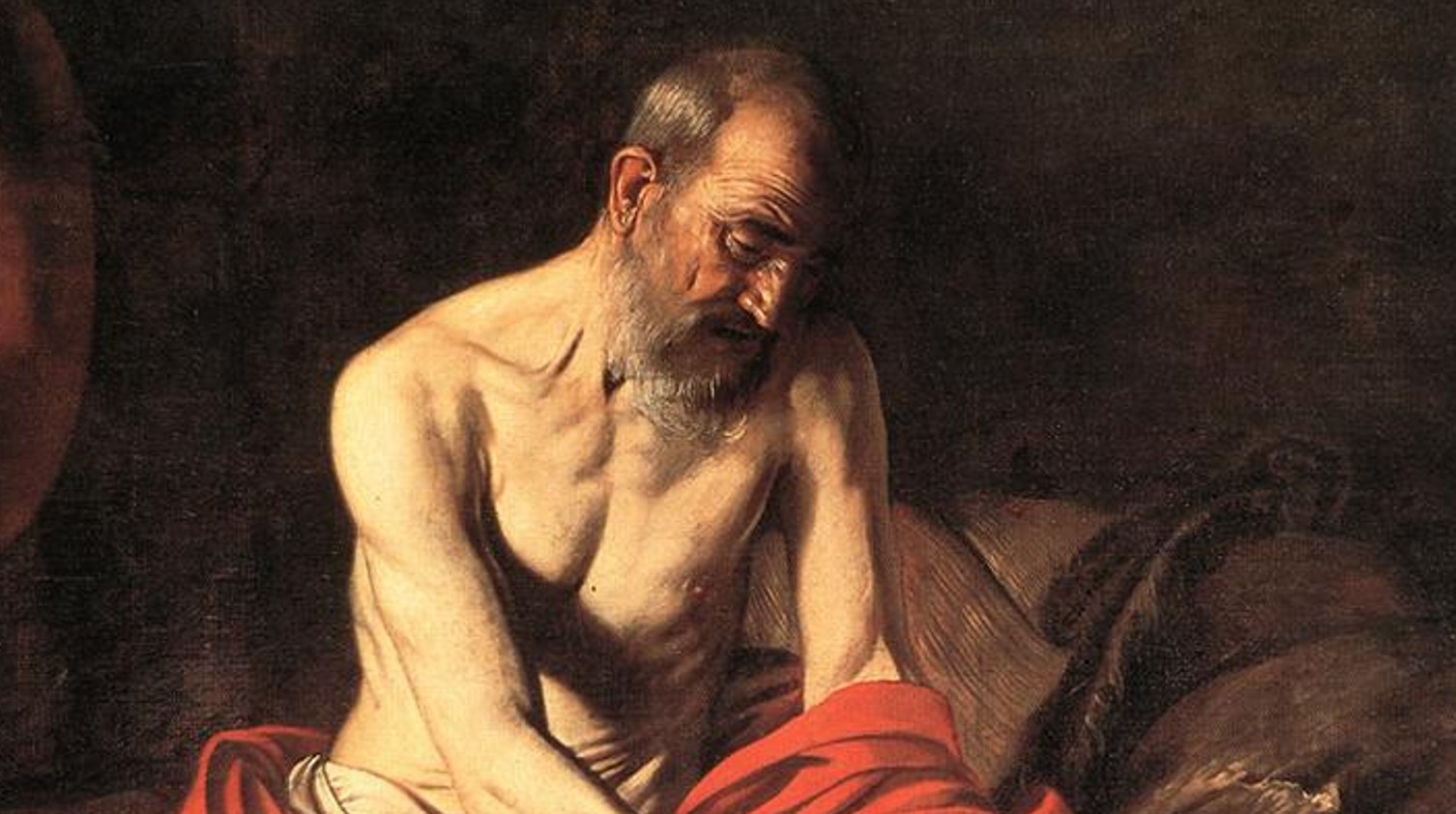
È anziano, magro, segnato dalle rughe. La barba è lunga e il volto appare concentrato sul lavoro che sta compiendo. È seminudo e una veste rossa gli copre parte del corpo un po’ come accade per tutti i soggetti principali delle opere dell’artista milanese. Fateci caso: i suoi protagonisti sono quasi sempre messi in evidenza da un panneggio rosso porpora.
La posizione di San Girolamo non è certo confortevole. E’ seduto sulla sporgenza di quello che sembra un letto e si protende verso il tavolo sul quale è aperto il grande libro. Il corpo assume una torsione molto accentuata: la gamba, il busto e la testa sembrano seguire direzioni differenti.
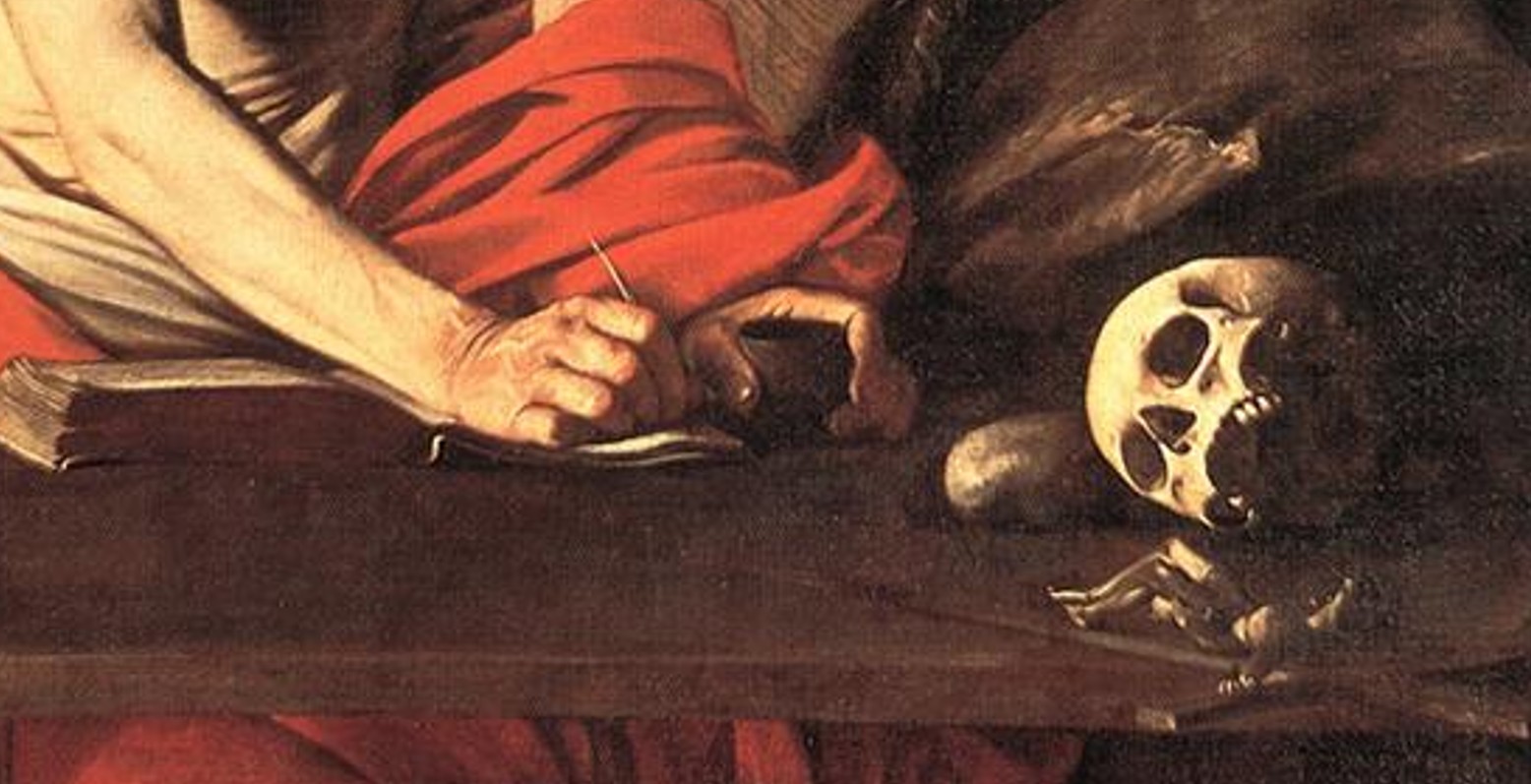
Caravaggio utilizza il corpo per costruire una linea di tensione che conduce lo sguardo verso il vero centro della scena: la scrittura. La mano che lavora sul foglio diventa quasi il punto di arrivo di tutta la composizione.
La luce di Caravaggio non illumina: seleziona
È impossibile parlare del San Girolamo scrivente senza parlare della luce. Caravaggio non riempie la stanza di luce anzi, fa proprio il contrario.
Lascia che sia l’ombra a dominare la scena. Una luce netta entra nello spazio e colpisce il corpo dell’anziano santo, facendo emergere il volto, la spalla, il braccio e le mani. Il resto rimane nell’oscurità.
La luce non serve a rendere visibili le figure ma a scegliere ciò che lo spettatore deve vedere: il volto, il corpo, le mani e il libro. Tutto ciò che è superfluo viene nascosto nel buio.
Il volto di San Girolamo e il mistero del modello
Secondo una tradizione legata alla storia dell’opera, Caravaggio avrebbe utilizzato le fattezze del Gran Maestro dell’Ordine di Malta Alof de Wignacourt per il volto di San Girolamo, come segno di riconoscenza per l’aiuto e la protezione ricevuti durante il soggiorno maltese.
Il dipinto fu infatti realizzato in un momento molto particolare della vita dell’artista. Caravaggio era arrivato a Malta dopo essere fuggito da Roma, dove era stato coinvolto nel processo per l’uccisione di Ranuccio Tomassoni.
La sua vita era ormai lontanissima dalla tranquillità ed è difficile non percepire, davanti a questo vecchio immerso nel silenzio, una particolare consonanza con la condizione dell’artista.
Un’opera dell’esilio?
Caravaggio si trova a Malta dopo aver lasciato Roma e ha bisogno di protezione, di un nuovo riconoscimento. Continua a dipingere mentre la sua vita è segnata dall’incertezza.
Davanti a lui c’è San Girolamo: un uomo anziano, isolato, completamente concentrato sulla propria attività intellettuale. La pittura sembra allora trasformare una scena religiosa in una meditazione sulla solitudine.
Il santo scrive, il pittore dipinge. Entrambi lavorano immersi in una situazione di forte tensione.
Il committente: Ippolito Malaspina
Il dipinto fu commissionato da Ippolito Malaspina, importante esponente dello Stato monastico dei Cavalieri di Malta. La scelta di San Girolamo non era casuale. Il santo rappresentava infatti valori come l’ascetismo, la penitenza, lo studio e la dedizione religiosa.
Attraverso la commissione, Malaspina poteva quindi legare la propria immagine a questi ideali. La tela nasce così dall’incontro tra esigenze devozionali, prestigio sociale e ricerca artistica.
La pittura tarda di Caravaggio
Il San Girolamo scrivente appartiene alla fase tarda della produzione dell’artista, quando la sua pittura tende progressivamente verso una maggiore essenzialità.
Le grandi composizioni affollate degli anni precedenti lasciano spazio a scene più concentrate. La luce diventa più selettiva mentre il fondo si oscura.
I personaggi occupano lo spazio con una presenza fisica fortissima e la narrazione viene ridotta all’indispensabile. È come se Caravaggio avesse sempre meno bisogno di raccontare attraverso molti elementi. Gli basta un corpo, una luce e un gesto per raccontare ciò che vuol dire.
Il furto del San Girolamo nel 1984
Il 29 dicembre del 1984, il San Girolamo scrivente venne rubato dal museo di San Giovanni alla Valletta e per quattro anni dell’opera non si seppe dove fosse.
Ben due anni dopo un ragazzo si palesò dinanzi a Padre Zerafa con una busta, una foto del dipinto e una cassetta registrata da ascoltare. Su quel nastro era incisa la richiesta di un riscatto di mezzo milione di lire maltesi dell’epoca.
Da quel giorno in poi al prete arrivavano quotidianamente telefonate e, purtroppo, pezzi di tela. Finalmente il 4 agosto 1987 il dipinto molto rovinato, fu rinvenuto e fu trasportato a Roma con un volo militare per il restauro.
Il restauro e la storia conservativa
Il San Girolamo scrivente aveva già conosciuto interventi e controlli in epoca precedente. In occasione della mostra di Firenze del 1922, la tela fu sottoposta a una pulitura leggera.
Nel 1956, in vista di una nuova esposizione, l’opera venne trasferita a Roma e sottoposta a esame presso l’Istituto Centrale del Restauro. In quella circostanza risultò che la tela non era mai stata rifoderata e che le condizioni erano nel complesso buone, con alcune abrasioni localizzate in corrispondenza dei punti di incontro tra la tela e il telaio originale.
Caravaggio ha dipinto più di un San Girolamo
Il soggetto di San Girolamo fu particolarmente importante per Caravaggio. Oltre alla versione maltese, sono note altre due celebri tele dedicate al santo. Una è conservata alla Galleria Borghese di Roma, l’altra si trova presso il Museo dell’Abbazia di Montserrat, in Catalogna.
Confrontare queste opere permette di capire quanto Caravaggio potesse modificare lo stesso tema nel corso degli anni.
Il San Girolamo scrivente di Malta dunque è l’ultima delle tre rappresentazioni del santo realizzate da Caravaggio.
Per il momento il sempre vostro Michelangelo Buonarroti vi saluta dandovi appuntamento ai prossimi post e sui social.
Caravaggio painted this Saint Jerome while on the run; today, the masterpiece is in Malta.
Created in 1608, Saint Jerome Writing is one of the most intense masterpieces of Caravaggio’s late period. Housed in St. John’s Co-Cathedral in Valletta, it depicts the saint in the act of writing, while also reflecting the artist’s own solitude and spiritual tension following his flight from Rome.
An elderly, semi-nude man is hunched over a book. Light caresses his face, hands, and part of his body, while everything around him sinks into shadow.
There is nothing spectacular about the action he is performing. Saint Jerome is not preaching, performing a miracle, or looking toward the viewer.
He is writing.
It is precisely in this action that Caravaggio captures one of the most intense portrayals of old age, solitude, and the spiritual quest. This is Saint Jerome Writing, painted by Caravaggio in 1608 and now housed in St. John’s Co-Cathedral in Valletta, Malta.
It is a work belonging to the final phase of the painter’s life—one that, when observed closely, seems to tell the story of an entire universe.
Caravaggio’s Saint Jerome Writing: Location
The painting is housed in St. John’s Co-Cathedral in Valletta, one of the most important sites for understanding Caravaggio’s extraordinary time in Malta.
The canvas measures 117 × 157 centimeters and is executed in oil on canvas.
Its history is closely tied to Malta and Caravaggio’s presence on the island. Unlike many of the painter’s other works, Saint Jerome Writing has remained essentially linked to this location for centuries, with the exception of a few significant exhibitions.
It was in Malta that Caravaggio created some of the most dramatic works of his career. Who was Saint Jerome, and why did Caravaggio paint him?
Saint Jerome is one of the most frequently depicted figures in the history of Christian art. A theologian, scholar, and ascetic, he is best remembered for his Latin translation of the Bible—the famous Vulgate—an achievement for which he was proclaimed a Doctor of the Church.
In traditional iconography, he is often portrayed as an elderly hermit engrossed in the study of the Holy Scriptures. Caravaggio, however, chooses to strip away almost everything that might lend the scene an air of solemnity or spectacle.
There is no monumental setting, no ornamentation: the Saint is alone. The book lies before him, while the background is swallowed by darkness.
An old man writing in the dark
When observing Saint Jerome Writing, the first thing that strikes the viewer is the Saint’s body.
He is elderly, gaunt, and deeply lined with age. He has a long beard, and his face is intent on the task at hand. He is semi-nude, with a red garment covering part of his body—a feature common to the main subjects in the Milanese artist’s works. Notice how his protagonists are almost always highlighted by crimson drapery.
Saint Jerome’s posture is far from comfortable. He sits on the edge of what appears to be a bed, leaning forward toward the table where the large book lies open. His body is sharply twisted; his legs, torso, and head seem to be angled in different directions.
Caravaggio uses the body to create a line of tension that draws the eye toward the true center of the scene: the act of writing. The hand working on the page becomes, in effect, the focal point of the entire composition.
Caravaggio’s light does not merely illuminate; it selects
It is impossible to discuss Saint Jerome Writing without addressing the light. Caravaggio does not fill the room with light; on the contrary, he does the exact opposite.
He allows shadow to dominate the scene. A sharp beam of light enters the space and strikes the elderly saint’s body, bringing his face, shoulder, arm, and hands into view. The rest remains shrouded in darkness.
The light serves not merely to make the figures visible, but to select what the viewer is meant to see: the face, the body, the hands, and the book. Everything superfluous is concealed in the dark.
Saint Jerome’s face and the mystery of the model
According to a tradition surrounding the work’s history, Caravaggio used the features of Alof de Wignacourt—Grand Master of the Order of Malta—for the face of Saint Jerome, as a gesture of gratitude for the help and protection he received during his time in Malta.
Indeed, the painting was created at a pivotal moment in the artist’s life. Caravaggio had arrived in Malta after fleeing Rome, where he had been implicated in the killing of Ranuccio Tomassoni.
His life was far removed from tranquility, and standing before this old man immersed in silence, it is hard not to sense a profound resonance with the artist’s own situation.
A work of exile?
Caravaggio was in Malta after leaving Rome; he was in need of protection and a chance to regain his standing. He continued to paint even as his life was marked by certainty.
Before him sits Saint Jerome: an elderly man, isolated, completely absorbed in his intellectual work. The painting thus seems to transform a religious scene into a meditation on solitude.
The saint writes; the painter paints. Both work amidst a state of intense tension.
The Patron: Ippolito Malaspina
The painting was commissioned by Ippolito Malaspina, a prominent figure within the monastic Order of the Knights of Malta. The choice of Saint Jerome was no coincidence; the saint embodied values such as asceticism, penance, scholarship, and religious devotion.
Through this commission, Malaspina could align his own image with these ideals. The canvas thus emerged from a convergence of devotional needs, social prestige, and artistic exploration.
Caravaggio’s Late Style
Saint Jerome Writing belongs to the artist’s late period, a time when his painting style was progressively moving toward greater simplicity and essentiality.
The large, crowded compositions of earlier years gave way to more focused scenes. The light became more selective, while the background grew darker.
The figures occupy the space with a powerful physical presence, and the narrative is stripped down to the essentials. It is as if Caravaggio felt less and less need to tell a story through a multitude of elements; a single body, a source of light, and a gesture were enough to convey his message.
The Theft of Saint Jerome in 1984
In 1984, Saint Jerome Writing was stolen, and the painting’s whereabouts remained unknown for four years.
However, in 1988, the painting was recovered and returned. Its recovery marked a crucial moment for the preservation of one of Caravaggio’s most important masterpieces in Malta. The work subsequently underwent a major restoration in the late 20th century.
Restoration and conservation history
The Saint Jerome Writing had already undergone interventions and inspections at an earlier date. In preparation for a 1922 exhibition in Florence, the canvas was lightly cleaned.
In 1956, ahead of another exhibition, the painting was moved to Rome and examined at the Central Institute for Restoration. The examination revealed that the canvas had never been relined and was generally in good condition, though there were some localized abrasions where the canvas met the original stretcher.
Caravaggio painted more than one Saint Jerome
The subject of Saint Jerome was particularly significant for Caravaggio. In addition to the Maltese version, two other famous canvases depicting the saint are known to exist: one is housed in the Galleria Borghese in Rome, while the other is located in the Museum of the Abbey of Montserrat in Catalonia.
Comparing these works offers insight into how Caravaggio adapted the same theme over the years.
The Maltese Saint Jerome Writing is, therefore, the last of the three depictions of the saint created by Caravaggio.
For now, yours truly, Michelangelo Buonarroti, bids you farewell and looks forward to seeing you in future posts and on social media.

Sostienici – Support Us
Se questo blog ti piace e ti appassiona, puoi aiutarci a farlo crescere sempre più sostenendoci in modo concreto condividendo i post, seguendo le pagine social e con un contributo che ci aiuta ad andare avanti con il nostro lavoro di divulgazione. . ENGLISH: If you like and are passionate about this blog, you can help us make it grow more and more by supporting us in a concrete way by sharing posts, following social pages and with a contribution that helps us to move forward with our dissemination work.
10,00 €
-

21 ottobre 1556: muore Pietro Aretino, il ‘flagello dei principi’ che attaccò il mio Giudizio Universale
🇮🇹Il 21 ottobre 1556 moriva Pietro Aretino, poeta e polemista rinascimentale. Dopo aver chiesto invano un mio disegno, si scagliò contro il Giudizio Universale… 🇬🇧On October 21, 1556, Pietro Aretino—a Renaissance poet and polemicist—died. After having asked me in vain for a drawing, he lashed out against The Last Judgment…
-
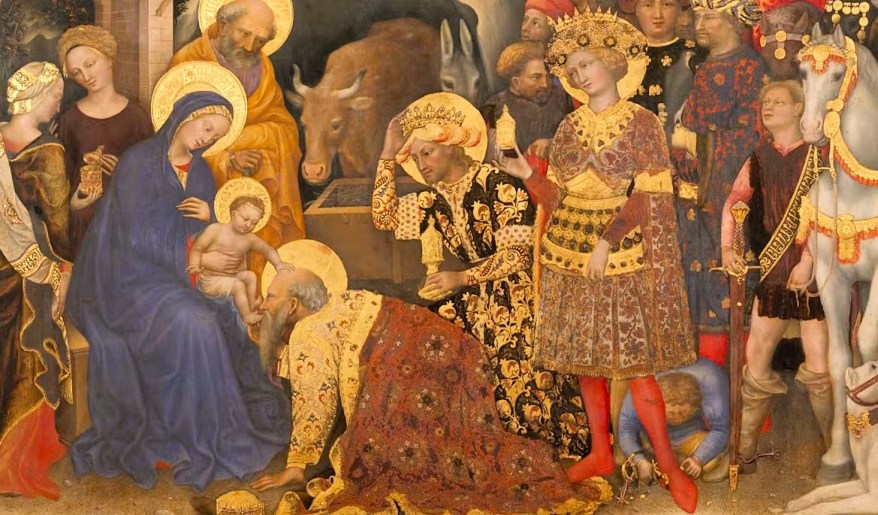
L’Adorazione dei Magi di Gentile da Fabriano: il Natale più ricco e spettacolare del Rinascimento
🇮🇹Oro, mantelli ricamati e un corteo di sovrani: scopri l’Adorazione dei Magi di Gentile da Fabriano, capolavoro del 1423 agli Uffizi… 🇬🇧Gold, embroidered cloaks, and a procession of sovereigns: discover the Adoration of the Magi by Gentile da Fabriano, a 1423 masterpiece housed at the Uffizi…
-
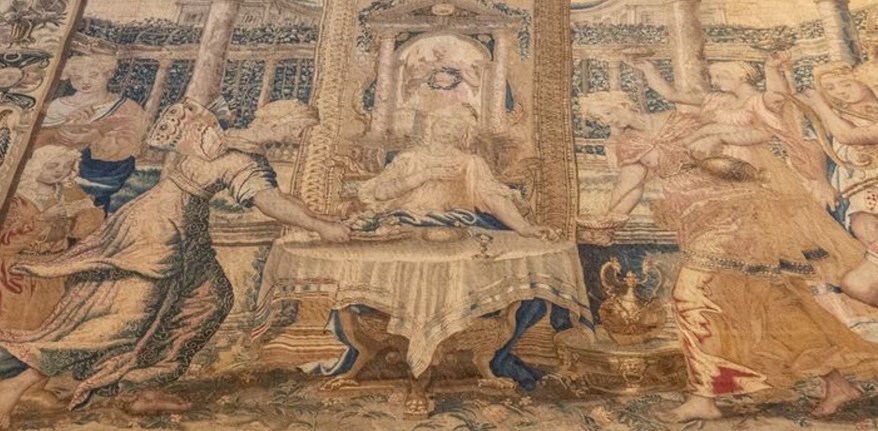
Dopo un secolo lontano dal pubblico, il Banchetto di Psiche torna a vivere: al via il restauro
🇮🇹Al via a Firenze il restauro del Banchetto di Psiche, l’arazzo seicentesco del Bargello rimasto nei depositi per un secolo. L’intervento durerà 30 mesi… 🇬🇧Restoration work has begun in Florence on *The Banquet of Psyche*, a 17th-century tapestry from the Bargello that had remained in storage for a century. The project will last 30 months…
Condividi:


Questo sono io




sostienici

Sostienici – Support Us
Se questo blog ti piace e ti appassiona, puoi aiutarci a farlo crescere sempre più sostenendoci in modo concreto condividendo i post, seguendo le pagine social e con un contributo che ci aiuta ad andare avanti con il nostro lavoro di divulgazione. . ENGLISH: If you like and are passionate about this blog, you can help us make it grow more and more by supporting us in a concrete way by sharing posts, following social pages and with a contribution that helps us to move forward with our dissemination work.
€10,00


