
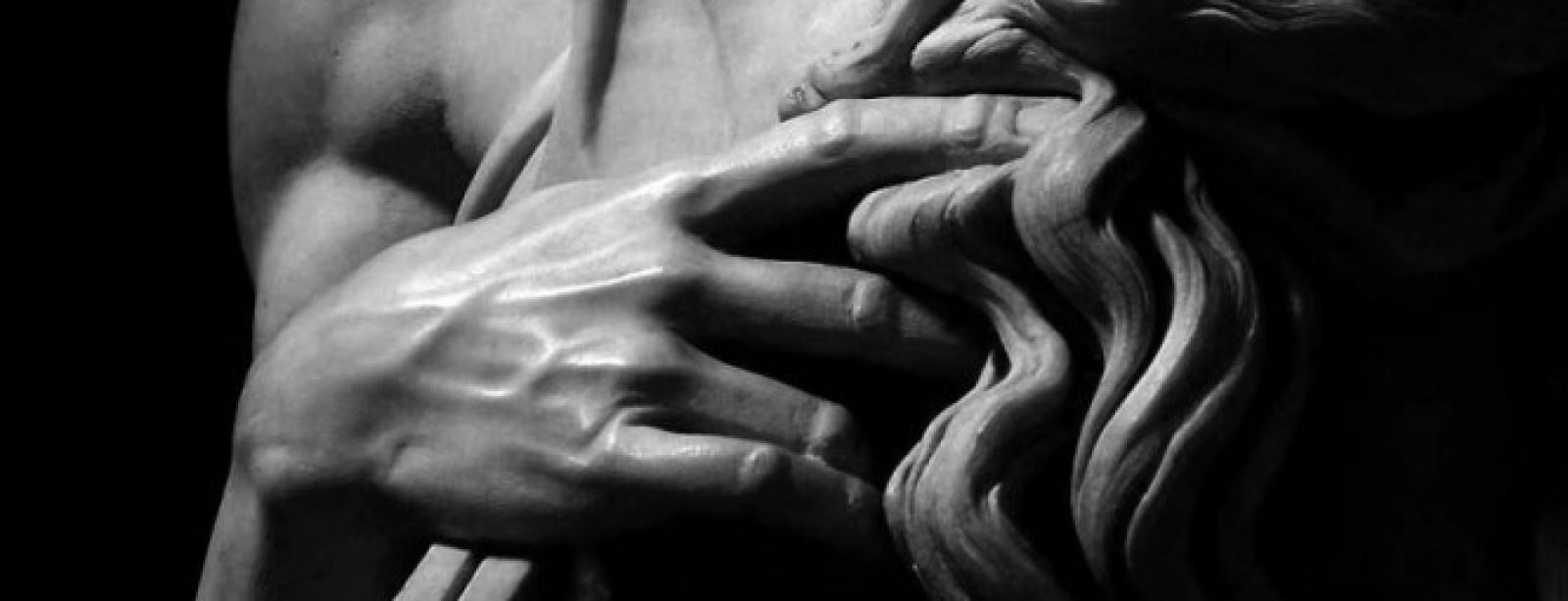
1 ottobre 1802: Canova diventa il custode delle Belle Arti di Roma. Il papa gli affida un incarico senza precedenti
Il 1° ottobre 1802 Antonio Canova ricevette da papa Pio VII un incarico destinato a segnare la storia della tutela del patrimonio artistico italiano: venne nominato Ispettore generale di tutte le Belle Arti per Roma e lo Stato Pontificio.
Non era un’onorificenza o solo un titolo da aggiungere a una carriera già costellata di successi ma una responsabilità enorme, affidata a uno degli artisti più celebri e influenti del suo tempo.
Ma perché proprio Canova? E soprattutto, che cosa significava diventare il principale responsabile della protezione delle opere d’arte in un territorio che custodiva alcuni dei più straordinari tesori della civiltà occidentale?
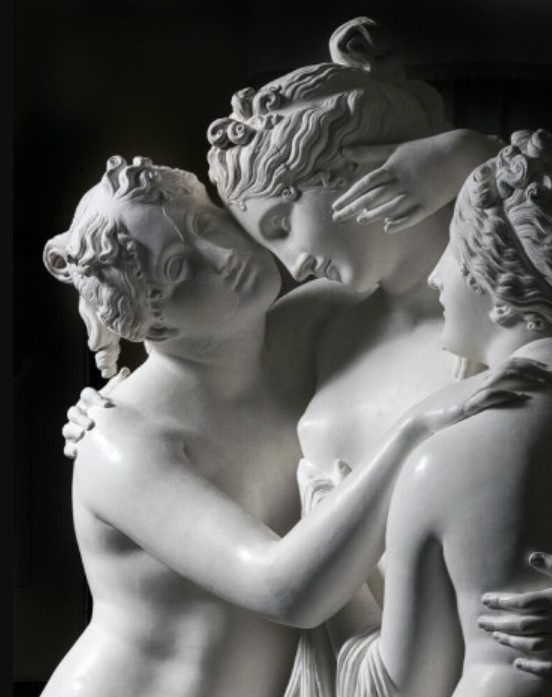
Canova, da scultore celebrato a custode del patrimonio artistico
Quando Pio VII affidò a Canova questo incarico, lo scultore veneto era già una personalità di assoluto rilievo nel panorama culturale europeo. Le sue opere avevano conquistato le corti, i collezionisti e gli intenditori, imponendolo come uno dei massimi interpreti del Neoclassicismo.
Il papa non gli chiedeva di scolpire un nuovo capolavoro in marmo. Gli affidava qualcosa di altrettanto importante: vigilare sulla conservazione, sulla protezione e sulla salvaguardia delle opere d’arte di Roma e dello Stato Pontificio.
L’incarico arrivava in un momento particolarmente delicato. Le spoliazioni napoleoniche avevano sottratto all’Italia una quantità impressionante di opere, molte delle quali erano finite in Francia. Dipinti, sculture, reperti archeologici e testimonianze artistiche di straordinario valore erano stati trasferiti oltre le Alpi.
Il patrimonio italiano rischiava di essere disperso.
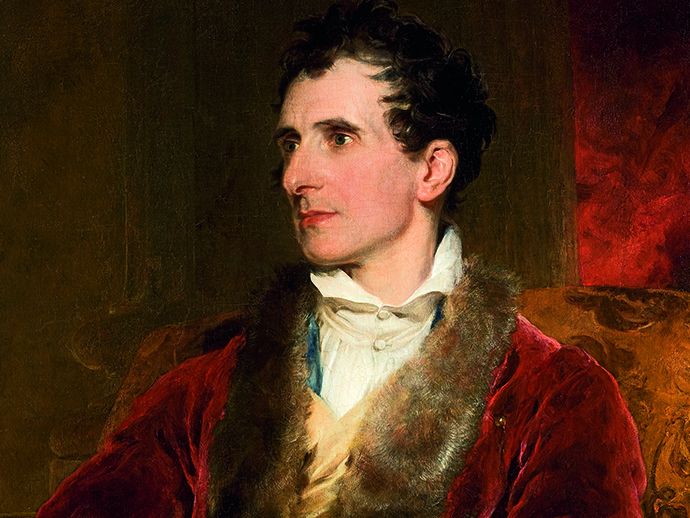
La battaglia di Canova contro le spoliazioni napoleoniche
Il ruolo di Canova nella tutela del patrimonio artistico non rimase confinato alle attività di sorveglianza e conservazione.
Nel 1802, il pontefice gli affidò anche importanti responsabilità nell’amministrazione delle Belle Arti, riconoscendogli l’autorevolezza necessaria per intervenire in una materia tanto delicata.
La sua missione avrebbe assunto un significato ancora più importante qualche anno dopo.
Nel 1815, infatti, Canova fu protagonista di una delle più importanti operazioni diplomatiche per il recupero delle opere d’arte sottratte durante le campagne napoleoniche. Inviato a Parigi da Pio VII, si impegnò per ottenere la restituzione dei capolavori appartenenti allo Stato Pontificio.
Le opere erano ormai entrate nelle collezioni francesi e la loro restituzione incontrava resistenze politiche e culturali. Canova riuscì tuttavia a ottenere risultati importanti, contribuendo al rientro in Italia di numerose opere.

Il 1° ottobre 1802, una data importante per la storia della tutela artistica
La nomina di Canova rappresenta un passaggio significativo nella storia della conservazione del patrimonio culturale.
La sua figura dimostra quanto fosse importante, già all’inizio dell’Ottocento, affidare la protezione delle opere d’arte a personalità dotate non soltanto di competenze artistiche, ma anche di autorevolezza, sensibilità e capacità di intervento istituzionale.
Canova era un uomo consapevole del valore storico e culturale delle testimonianze artistiche.
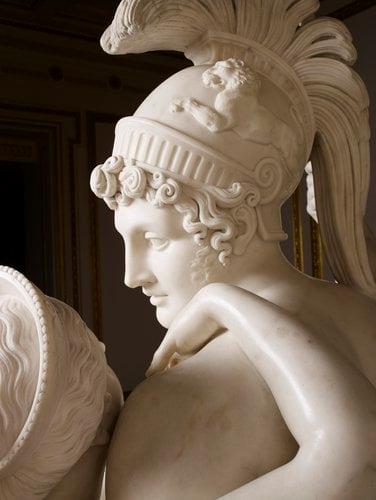
L‘artista che aveva dedicato la propria vita alla creazione della bellezza si trovò a dover difendere quella realizzata da altri.
Una responsabilità che avrebbe portato ben oltre i confini di Roma e dello Stato Pontificio, fino a Parigi, nel tentativo di riportare a casa una parte del patrimonio artistico italiano.
Per il momento il sempre vostro Michelangelo Buonarroti vi saluta dandovi appuntamento ai prossimi post e sui social.
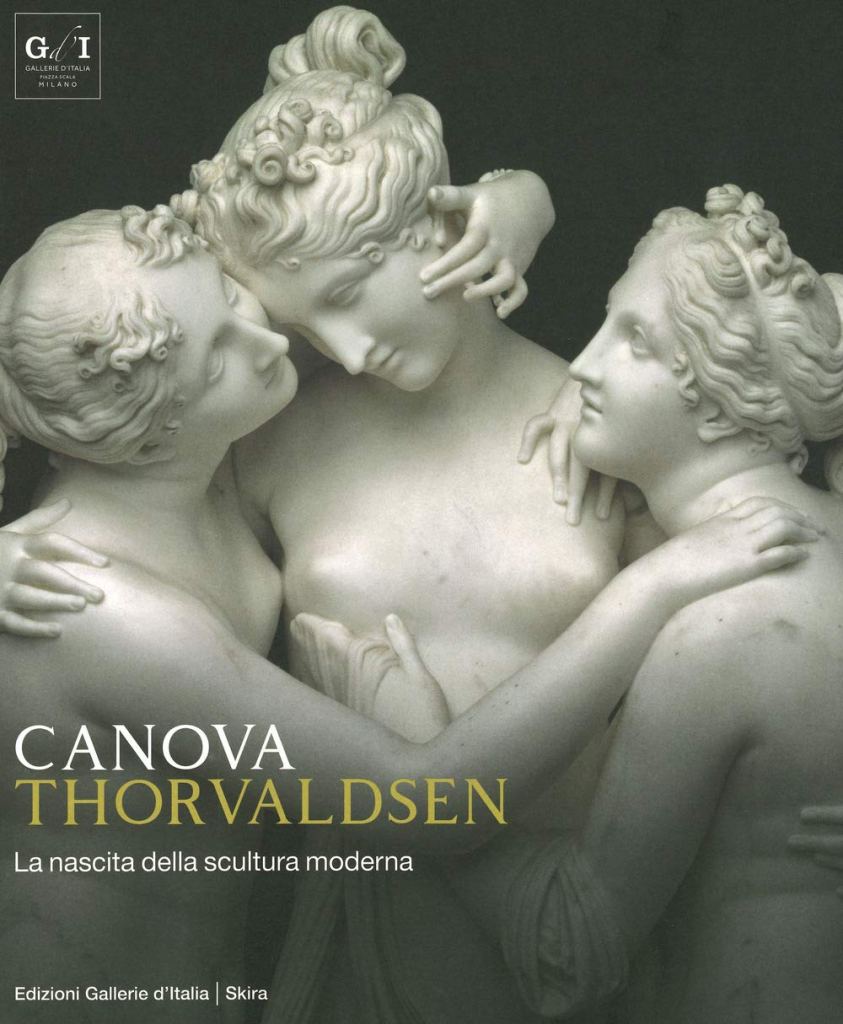



October 1, 1802: Canova becomes the guardian of Rome’s Fine Arts. The Pope entrusts him with an unprecedented role.
On October 1, 1802, Antonio Canova received an appointment from Pope Pius VII that would mark a turning point in the history of the preservation of Italy’s artistic heritage: he was named Inspector General of all Fine Arts for Rome and the Papal States. This was not merely an honor or a title to add to a career already studded with successes, but a massive responsibility entrusted to one of the most celebrated and influential artists of his time.
But why Canova? And above all, what did it mean to become the person primarily responsible for protecting artworks in a territory that housed some of Western civilization’s most extraordinary treasures?
Canova: from celebrated sculptor to guardian of artistic heritage
When Pius VII entrusted Canova with this role, the Venetian sculptor was already a figure of immense stature on the European cultural scene. His works had captivated courts, collectors, and connoisseurs alike, establishing him as one of the greatest exponents of Neoclassicism.
The Pope was not asking him to carve a new marble masterpiece. He was entrusting him with something equally important: overseeing the conservation, protection, and safeguarding of the artworks of Rome and the Papal States.
The appointment came at a particularly critical moment. The Napoleonic spoliations had stripped Italy of a staggering number of artworks, many of which had ended up in France. Paintings, sculptures, archaeological artifacts, and artistic treasures of extraordinary value had been transported across the Alps.
Italy’s heritage was at risk of being scattered and lost. Canova’s Battle Against Napoleonic Looting
Canova’s role in safeguarding artistic heritage was not limited to mere oversight and conservation.
In 1802, the Pope entrusted him with significant responsibilities regarding the administration of the Fine Arts, recognizing that he possessed the authority needed to intervene in such a delicate matter.
His mission would take on even greater significance a few years later.
In 1815, Canova played a pivotal role in a major diplomatic effort to recover artworks seized during the Napoleonic campaigns. Sent to Paris by Pius VII, he worked tirelessly to secure the return of masterpieces belonging to the Papal States.
The works had already been absorbed into French collections, and their restitution faced political and cultural resistance. Nevertheless, Canova achieved significant results, helping to bring numerous works back to Italy.
October 1, 1802: A Milestone in the History of Art Preservation
Canova’s appointment marks a significant moment in the history of cultural heritage conservation.
His example demonstrates the importance—even in the early 19th century—of entrusting the protection of art to individuals who possessed not only artistic expertise but also authority, sensitivity, and the ability to navigate institutional channels.
Canova was a man deeply aware of the historical and cultural value of artistic treasures.
The artist who had dedicated his life to creating beauty found himself defending the beauty created by others.
It was a responsibility that took him far beyond the borders of Rome and the Papal States—all the way to Paris—in an effort to bring a portion of Italy’s artistic heritage back home.
For now, your ever-faithful Michelangelo Buonarroti bids you farewell, looking forward to seeing you in future posts and on social media.

Sostienici – Support Us
Se questo blog ti piace e ti appassiona, puoi aiutarci a farlo crescere sempre più sostenendoci in modo concreto condividendo i post, seguendo le pagine social e con un contributo che ci aiuta ad andare avanti con il nostro lavoro di divulgazione. . ENGLISH: If you like and are passionate about this blog, you can help us make it grow more and more by supporting us in a concrete way by sharing posts, following social pages and with a contribution that helps us to move forward with our dissemination work.
10,00 €
Articoli

Condividi:


Questo sono io




sostienici

Sostienici – Support Us
Se questo blog ti piace e ti appassiona, puoi aiutarci a farlo crescere sempre più sostenendoci in modo concreto condividendo i post, seguendo le pagine social e con un contributo che ci aiuta ad andare avanti con il nostro lavoro di divulgazione. . ENGLISH: If you like and are passionate about this blog, you can help us make it grow more and more by supporting us in a concrete way by sharing posts, following social pages and with a contribution that helps us to move forward with our dissemination work.
€10,00


1 commento »