
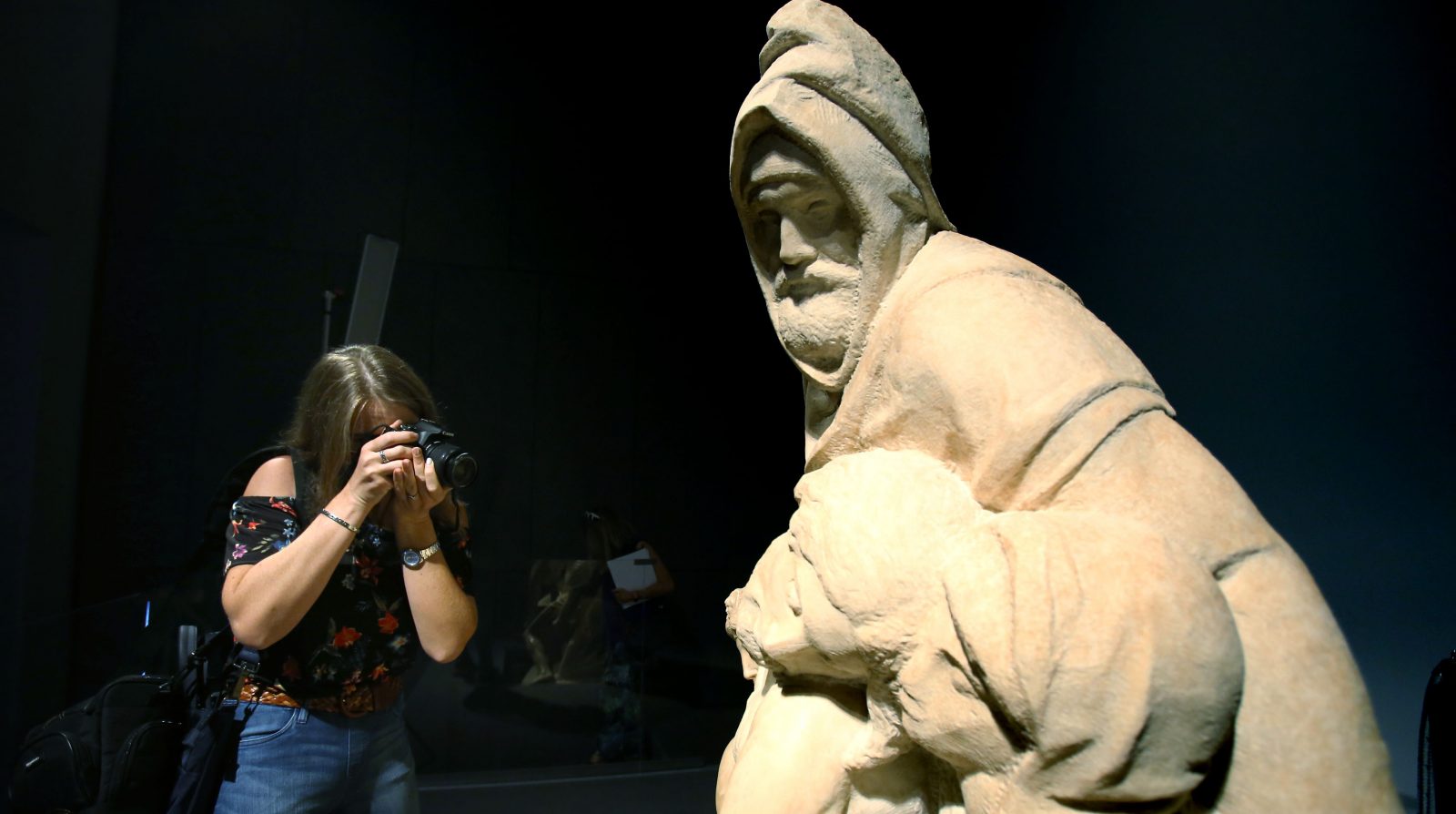
“Nuovo Apollo e nuovo Apelle”: le parole che celebrarono la mia arte
Mi chiamò “nuovo Apollo” e “nuovo Apelle”. Non sono parole che si ricevono ogni giorno, neppure quando si è abituati agli elogi.
A scriverle fu Francesco Benni, poeta che volle mettere nero su bianco la sua ammirazione per la mia arte in alcuni versi destinati a Sebastiano del Piombo. E non si limitò a dire che ero bravo: arrivò a sostenere che io dicevo cose, mentre gli altri artisti dicevano soltanto parole.
Benni scrisse:
“Ho visto qualche sua composizione: son ignorante, e pur direi d’avélle lette tutte nel mezzo di Platone; sì ch’egli è nuovo Apollo e nuovo Apelle: tacete unquanco, pallide viole e liquidi cristalli e fiere snelle: e’ dice cose e voi dite parole.”

Questi versi si trovano nelle Rime di Francesco Benni, nel Capitolo a fra Bastian dal Piombo, e sono rivolti proprio a Sebastiano del Piombo, artista con il quale ebbi un rapporto di amicizia e collaborazione.
“Nuovo Apollo e nuovo Apelle.”: non era un paragone da poco.
Apollo era il dio della bellezza, dell’armonia e delle arti; Apelle era invece il celebre pittore dell’antichità che la tradizione aveva consacrato come uno dei più grandi artisti di sempre.
Essere accostato a entrambi significava dunque essere considerato non soltanto un artista di valore, ma quasi una figura capace di incarnare nuovamente quei due ideali.
“E’ dice cose e voi dite parole.” Benni aveva colto qualcosa che per me ha sempre avuto grande importanza: l’arte non deve semplicemente mostrarsi, deve parlare.
Una scultura può raccontare senza pronunciare una sola parola. Un volto può esprimere paura, dolore, forza o determinazione. Un corpo può suggerire un movimento ancora prima che questo avvenga e il marmo stesso diventa linguaggio.
“Come conosce il vero, il bello e ’l bene”
Poco dopo scrisse:
“…poi voi sapete quanto egli è da bene, com’ha giudicio, ingegno e discrezione, come conosce il vero, il bello e ‘l bene…”
Giudizio, ingegno e discrezione ma soprattutto la capacità di conoscere “il vero, il bello e ’l bene”.
Direi che il buon Benni avesse una considerazione piuttosto alta della mia persona. Parole che molto dicono dell’intelligenza necessaria per comprendere ciò che si sta creando, della capacità di riconoscere il bello e di trasformare un’idea in qualcosa che possa vivere oltre il proprio tempo.
“Voi solo appresso a lui potete stare”
Nel dialogo poetico con Sebastiano del Piombo troviamo poi un altro passaggio particolarmente significativo:
“Così, moderni voi scarpellatori ed anche antichi, andate tutti al sole; e da voi, padre reverendo, in fuori chiunque vòle il mestier vostro fare, venda più presto alle donne e colori. Voi solo appresso a lui potete stare, e non senza ragion, sì ben v’appaia amicizia individua e singulare.”
“Voi solo appresso a lui potete stare.”
Benni riconosce così a Sebastiano una posizione particolare rispetto agli altri artisti, proprio per quella “amicizia individua e singulare” che ci legava.
Era un rapporto che andava oltre la semplice collaborazione tra artisti. Sebastiano era infatti una delle persone con cui potevo confrontarmi, discutere di arte e condividere idee.
Quelle parole di Benni restituiscono anche un’immagine interessante dell’ambiente artistico del Cinquecento, fatto di rivalità, amicizie, confronti e giudizi spesso molto netti.
“E’ dice cose e voi dite parole”
Io dicevo cose. Gli altri dicevano parole. Non so se Francesco Benni avesse ragione, non spetta a me dirlo.
Io ho sempre preferito lasciare che fossero le opere a parlare.
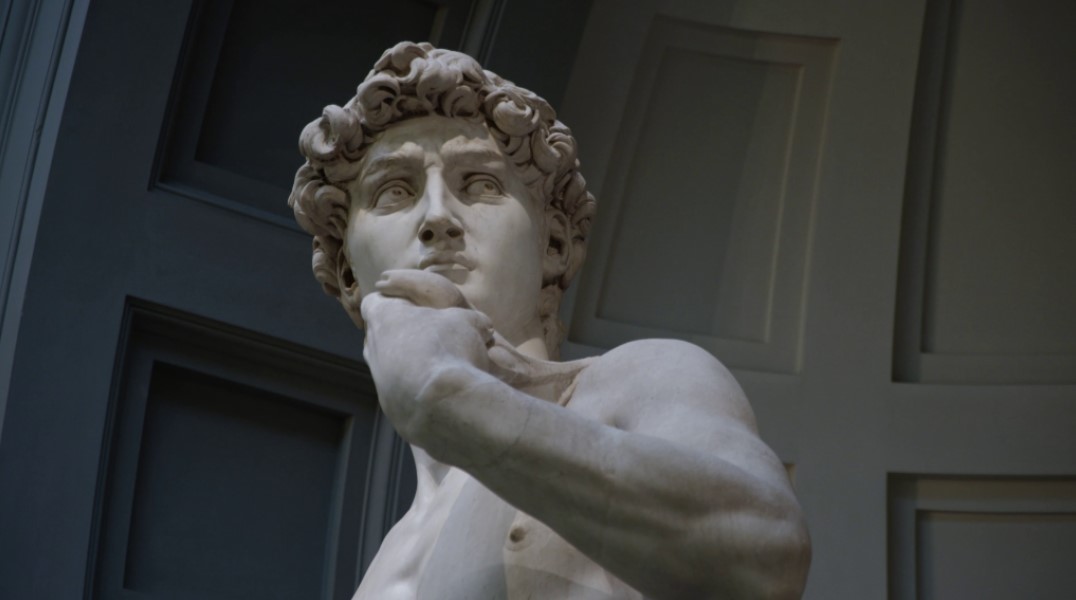
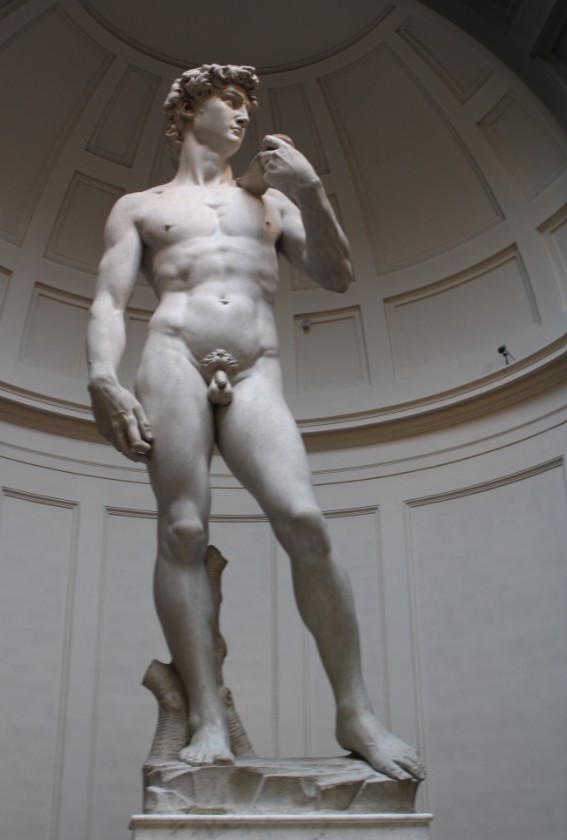
Prendete il mio David.
Guardatelo nel volto, nelle mani, nella torsione del corpo. Osservate la tensione che attraversa quella figura prima ancora che David affronti Golia. Non c’è bisogno che pronunci una sola parola.
Il marmo parla. Forse proprio questo che Francesco Benni aveva intuito quando decise di chiamarmi “nuovo Apollo e nuovo Apelle”.
Ora ditemi voi: quando guardate il mio David, vedete soltanto una splendida scultura oppure sentite che sta davvero dicendo qualcosa?
Il sempre vostro Michelangelo Buonarroti per il momento vi saluta dandovi appuntamento ai prossimi post e sui social.
“A new Apollo and a new Apelles”: the words that celebrated my art
He called me a “new Apollo” and a “new Apelles.” These are not words one hears every day—not even when one is accustomed to praise.
They were penned by Francesco Benni, a poet who wished to commit his admiration for my art to writing in verses addressed to Sebastiano del Piombo. And he did not merely call me skilled; he went so far as to claim that I conveyed things, whereas other artists spoke only words.
Benni wrote:
“I have seen some of his compositions: though unlearned, I would say I had read them all in the works of Plato; truly, he is a new Apollo and a new Apelles: fall silent now, pale violets, flowing waters, and graceful beasts—for he speaks of things, while you speak only words.”
These verses appear in the Rime of Francesco Benni—specifically in the Capitolo a fra Bastian dal Piombo—and are addressed to Sebastiano del Piombo, an artist with whom I shared a friendship and a professional collaboration.
“A new Apollo and a new Apelles”: it was no small comparison.
Apollo was the god of beauty, harmony, and the arts; Apelles was the celebrated painter of antiquity whom tradition had enshrined as one of the greatest artists of all time.
To be likened to both meant being regarded not merely as a talented artist, but almost as a figure capable of re-embodying those two ideals.
“He speaks of things, while you speak only words.” Benni had grasped something that has always been deeply important to me: art must not simply show itself; it must speak.
A sculpture can tell a story without uttering a single word. A face can express fear, pain, strength, or determination. A body can suggest movement before it even occurs, and the marble itself becomes a language. “How he recognizes the true, the beautiful, and the good”
Shortly thereafter, he wrote:
“…and you know what a fine man he is—possessing judgment, talent, and discernment—and how he recognizes the true, the beautiful, and the good…”
Judgment, talent, and discernment—but above all, the capacity to recognize “the true, the beautiful, and the good.”
I would say that good Benni held me in high regard. These words speak volumes about the intelligence required to grasp what is being created, the ability to recognize beauty, and the power to transform an idea into something that endures beyond its own time.
“You alone may stand beside him”
In the poetic dialogue with Sebastiano del Piombo, we find another particularly significant passage:
“Thus, you sculptors—modern and ancient alike—step into the light; and as for anyone else wishing to practice your craft—save for you, Reverend Father—they had best go sell paints to women instead. You alone may stand beside him, and rightly so, given the singular and unique friendship that binds you.”
“You alone may stand beside him.”
In this way, Benni acknowledges Sebastiano’s unique standing among other artists, precisely because of that “singular and unique friendship” that united us.
It was a relationship that went beyond mere collaboration between artists. Sebastiano was, in fact, someone with whom I could exchange views, discuss art, and share ideas.
Benni’s words also offer an intriguing glimpse into the artistic milieu of the sixteenth century—a world of rivalries, friendships, debates, and often stark judgments.
“He speaks of substance; the others speak mere words”
I spoke of substance. The others spoke mere words. I do not know if Francesco Benni was right; it is not for me to say.
I have always preferred to let the works themselves do the talking.
Take my David.
Look at his face, his hands, the twist of his body. Observe the tension coursing through that figure even before David confronts Goliath. There is no need for him to utter a single word.
The marble speaks. Perhaps this is precisely what Francesco Benni sensed when he decided to call me the “new Apollo and new Apelles.”
Now tell me: when you look at my David, do you see merely a magnificent sculpture, or do you sense that he is truly saying something?
Yours always, Michelangelo Buonarroti; for now, I bid you farewell and look forward to seeing you in future posts and on social media.

Sostienici – Support Us
Se questo blog ti piace e ti appassiona, puoi aiutarci a farlo crescere sempre più sostenendoci in modo concreto condividendo i post, seguendo le pagine social e con un contributo che ci aiuta ad andare avanti con il nostro lavoro di divulgazione. . ENGLISH: If you like and are passionate about this blog, you can help us make it grow more and more by supporting us in a concrete way by sharing posts, following social pages and with a contribution that helps us to move forward with our dissemination work.
10,00 €
-
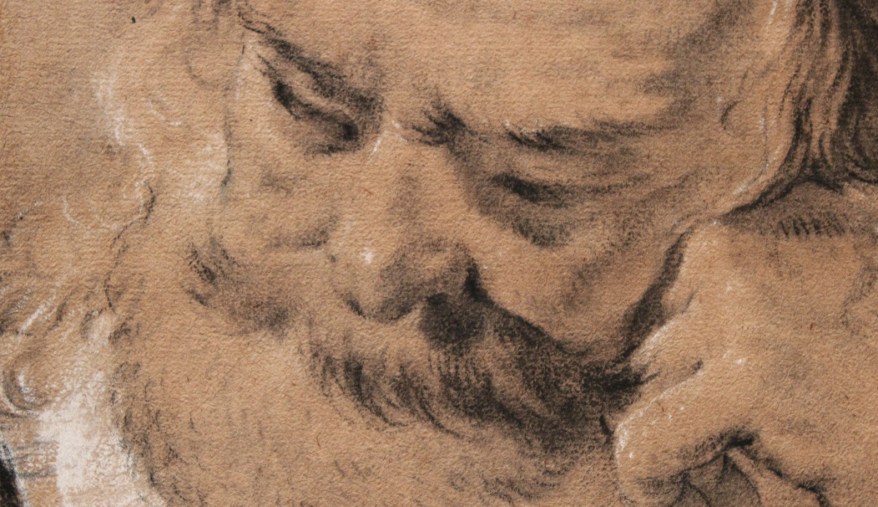
Giovanni Battista Piazzetta, il vecchio che sembra vivo: la poesia in un disegno
🇮🇹Una testa, una barba, due mani e una luce straordinaria: nella Testa di vecchio, Piazzetta trasforma gesso bianco e nero e carta bruna in un’immagine di incredibile intensità… 🇬🇧A head, a beard, two hands, and extraordinary light: in *Head of an Old Man*, Piazzetta transforms black and white chalk and brown paper into an image…
-
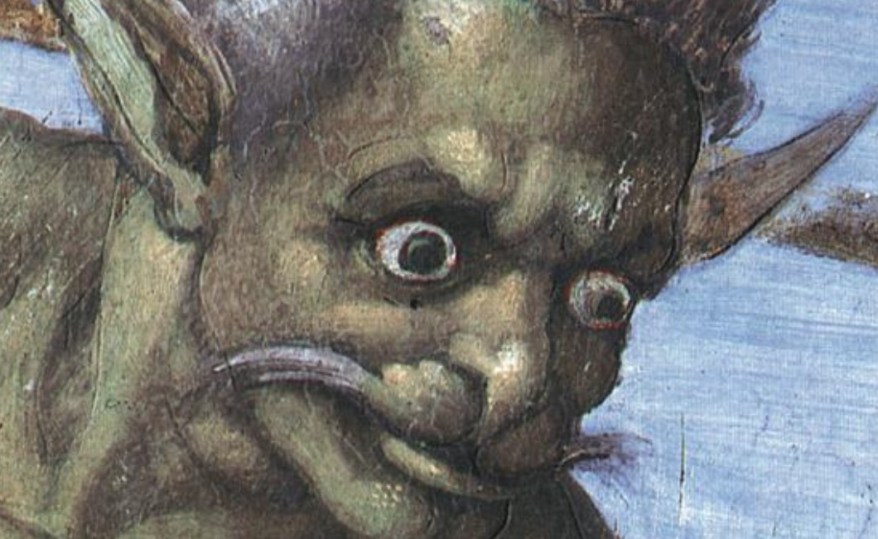
La firma nascosta nel Giudizio Universale: chi ha firmato sul remo di Caronte?
🇮🇹Sapete che nel Giudizio Universale c’è una firma non mia e che si trova proprio sul remo di Caronte?… 🇬🇧Did you know that in the *Last Judgment* there is a signature that isn’t mine, and that it is located right on Charon’s oar?…
-
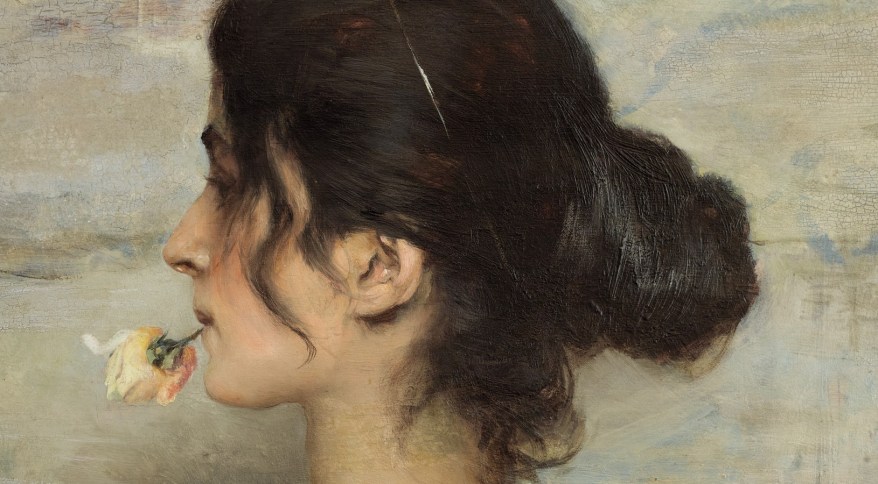
VANITAS a Ferrara: i fiori non sono mai stati così belli e inquietanti
🇮🇹VANITAS a Ferrara: oltre 40 opere da Hayez a Casorati raccontano fiori, bellezza, morte e simboli. La mostra apre l’8 ottobre 2026 e prosegue fino al 31 gennaio 2027… 🇬🇧VANITAS in Ferrara: over 40 works ranging from Hayez to Casorati explore themes of flowers, beauty, death, and symbolism. The exhibition opens on October 8, 2026,…
Condividi:


Questo sono io




sostienici

Sostienici – Support Us
Se questo blog ti piace e ti appassiona, puoi aiutarci a farlo crescere sempre più sostenendoci in modo concreto condividendo i post, seguendo le pagine social e con un contributo che ci aiuta ad andare avanti con il nostro lavoro di divulgazione. . ENGLISH: If you like and are passionate about this blog, you can help us make it grow more and more by supporting us in a concrete way by sharing posts, following social pages and with a contribution that helps us to move forward with our dissemination work.
€10,00


