
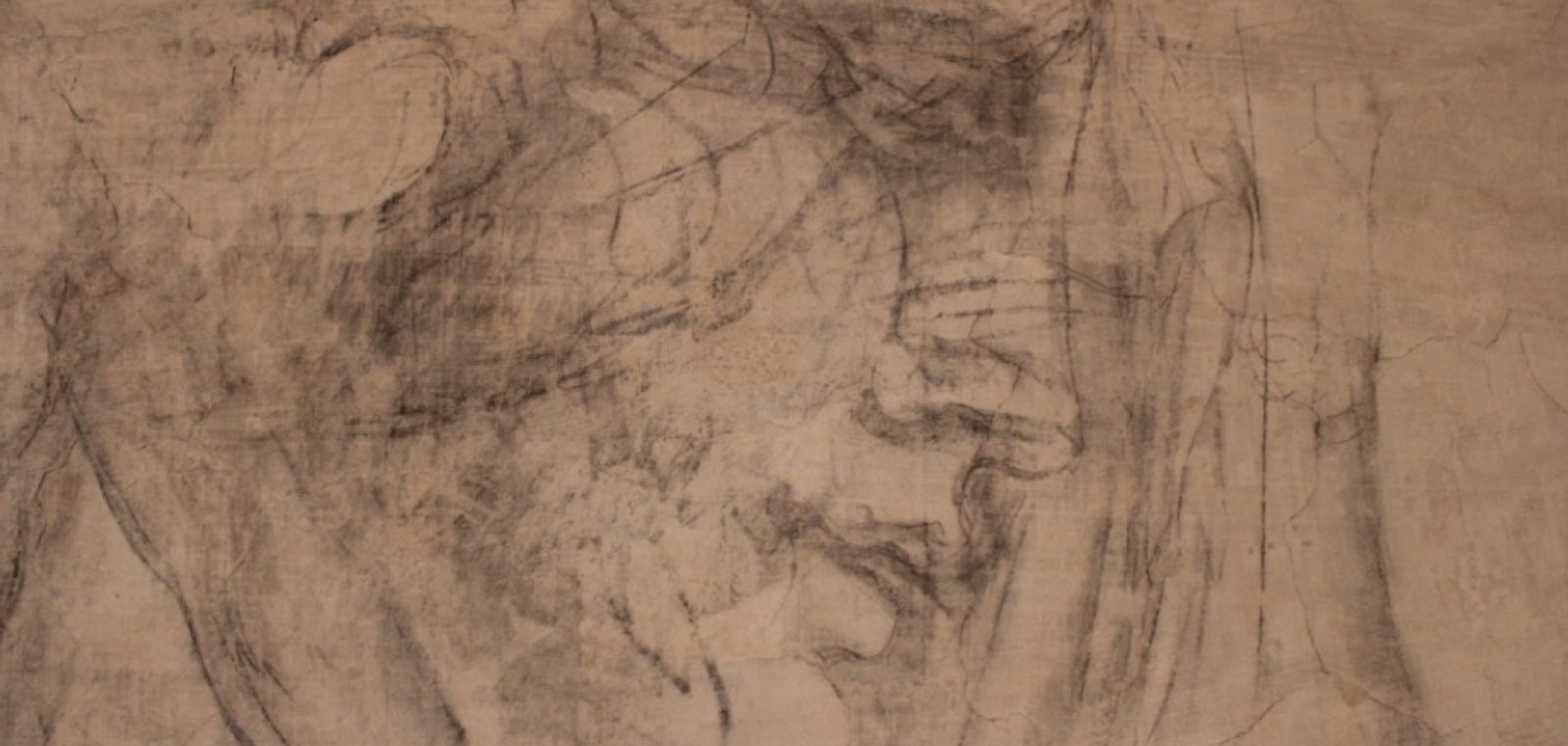
Il pianto d’amore: “L’alma, che sparge e versa”
C’è un peso molto più difficile da scolpire e da dominare che il marmo: quello dell’amore, del desiderio e della sofferenza che l’amore porta con sé quando diventa così profondo da non poter più essere separato dal dolore.
È questo sentire che cercai di mettere nero su bianco nei versi del madrigale che comincia con «L’alma, che sparge e versa / di fuor l’acque di drento». Il pianto non è solo sofferenza, ma diventava quasi uno strumento attraverso il quale riuscivo a mantenere vivo dentro di me quel fuoco d’amore che, nonostante tutto, continuava ad ardere.
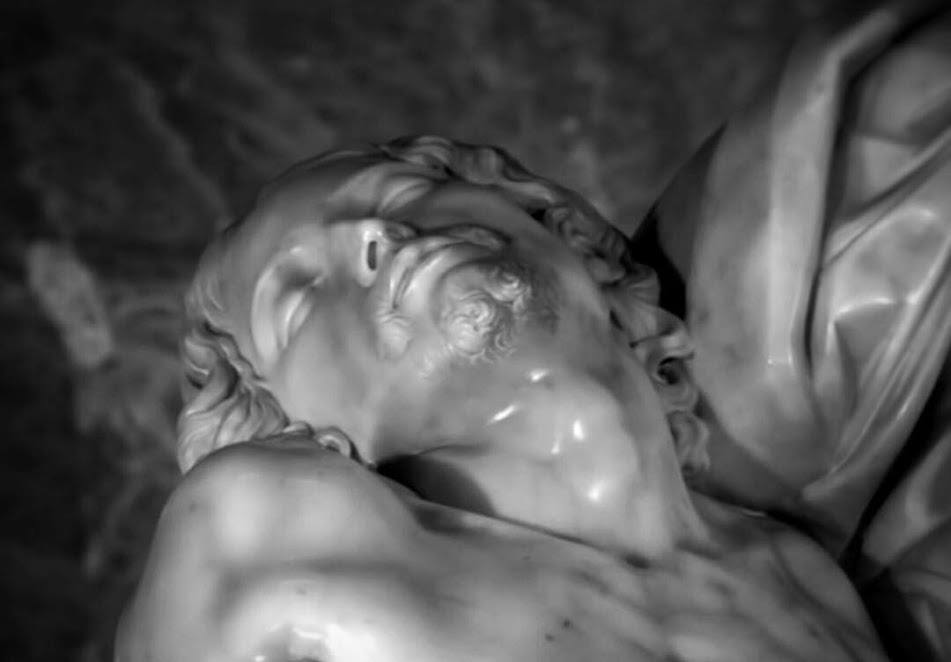
Quando scrivevo che la mia anima «sparge e versa di fuor l’acque di drento», immaginavo qualcosa che dal profondo dell’animo arriva fino al volto e agli occhi, perché le lacrime che versavo fuori erano l’acqua della sofferenza che portavo dentro.
Il mio dolore diventava visibile, prendendo forme concrete e scorrendo su volto. Non piangevo perché l’amore fosse morto, ma perché il mio pianto impediva che il fuoco dell’amore si spegnesse.
Piangere fuori, custodire dentro
In me custodivo gli «accesi sguardi» della persona amata mentre, all’esterno, continuavo a piangere.
Da una parte c’è ciò che gli altri potevano vedere, mentre dall’altra l’invisibile che custodivo nel cuore.
«E di quel c’altri muor sol godo e vivo»: ciò che per altri sarebbe motivo di morte, per me diventa motivo di vita.
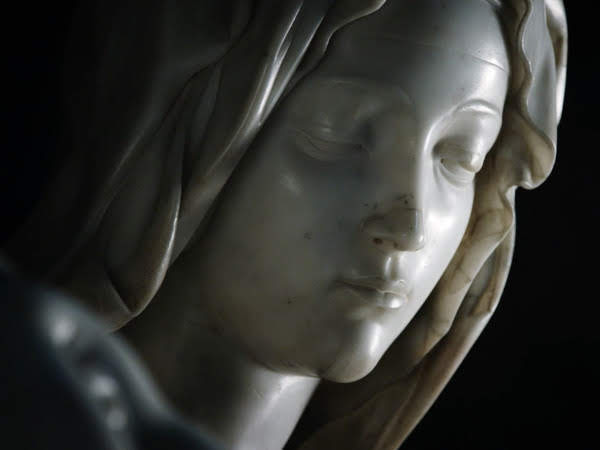
Un madrigale nato anche dal confronto con gli amici
Questo componimento conserva inoltre una testimonianza importante del modo in cui lavoravo sui miei versi e del rapporto che avevo con alcuni degli amici più vicini alla mia vita intellettuale, perché il manoscritto del madrigale è indirizzato a Luigi del Riccio, al quale chiedo di sottoporre a Donato Giannotti una variante degli ultimi due versi.
Avevo infatti proposto un’altra formulazione:
«tanto mi ciban, quant’i’ piango, il core;
e vivo sol di quel c’ogni altro muore».
E proprio alla fine del manoscritto lascio una frase che conserva anche una certa ironia: «Pigliate il manco tristo a giudicio di messer Donato». Affidavo a Donato la scelta della versione che ritenesse migliore.
L’alma, che sparge e versa
di fuor l’acque di drento,
il fa sol perché spento
non sie da loro il foco in ch’è conversa.
Ogni altra aita persa
saria, se ’l pianger sempre
mi resurge al tuo foco, vecchio e tardi.
Mie dura sorte e mie fortuna avversa
non ha sì dure tempre,
che non m’affligghin men, dove più m’ardi;
tal ch’e’ tuo accesi sguardi,
di fuor piangendo, dentro circumscrivo,
e di quel c’altri muor sol godo e vivo.
Per il momento il sempre vostro Michelangelo Buonarroti vi saluta dandovi appuntamento ai prossimi post e sui social.
The Tears of Love: “The Soul, Which Spreads and Pours”
There is a weight much more difficult to sculpt and master than marble: that of love, desire, and the suffering that love brings with it when it becomes so deep that it can no longer be separated from pain.
It is this feeling that I tried to put down on paper in the verses of the madrigal that begins, “The soul, which spreads and pours / out the waters within.” Tears are not just suffering, but became almost a tool through which I managed to keep alive within me that fire of love that, despite everything, continued to burn.
When I wrote that my soul “spreads and pours out the waters within,” I imagined something that reaches from the depths of my soul to my face and eyes, because the tears I shed were the water of the suffering I carried within.
My pain became visible, taking concrete form and flowing down my face. I cried not because love was dead, but because my tears prevented the fire of love from dying.
Crying on the outside, keeping it within
I kept the “burning gazes” of my beloved within me, while on the outside I continued to cry.
On the one hand, there is what others could see, while on the other, the invisible thing I kept in my heart.
“And of that which others die, I only enjoy and live”: what for others would be a reason for death, for me becomes a reason for life.
A madrigal also born from discussions with friends
This composition also preserves an important testimony to the way I worked on my verses and to the relationships I had with some of the friends closest to my intellectual life, because the manuscript of the madrigal is addressed to Luigi del Riccio, whom I asked to submit to Donato Giannotti a variant of the last two lines.
I had, in fact, proposed another formulation:
“My heart feeds me as much as I cry;
and I live only by that which all others die.”
And right at the end of the manuscript, I leave a sentence that also retains a certain irony: “Take the sad left at the discretion of Sir Donato.” I entrusted Donato with the choice of the version he deemed best.
L’alma, che sparge e versa
di fuor l’acque di drento,
il fa sol perché spento
non sie da loro il foco in ch’è conversa.
Ogni altra aita persa
saria, se ’l pianger sempre
mi resurge al tuo foco, vecchio e tardi.
Mie dura sorte e mie fortuna avversa
non ha sì dure tempre,
che non m’affligghin men, dove più m’ardi;
tal ch’e’ tuo accesi sguardi,
di fuor piangendo, dentro circumscrivo,
e di quel c’altri muor sol godo e vivo.
For now, yours truly, Michelangelo Buonarroti, bids farewell and invites you to join him in future posts and on social media.

Sostienici – Support Us
Se questo blog ti piace e ti appassiona, puoi aiutarci a farlo crescere sempre più sostenendoci in modo concreto condividendo i post, seguendo le pagine social e con un contributo che ci aiuta ad andare avanti con il nostro lavoro di divulgazione. . ENGLISH: If you like and are passionate about this blog, you can help us make it grow more and more by supporting us in a concrete way by sharing posts, following social pages and with a contribution that helps us to move forward with our dissemination work.
10,00 €
-
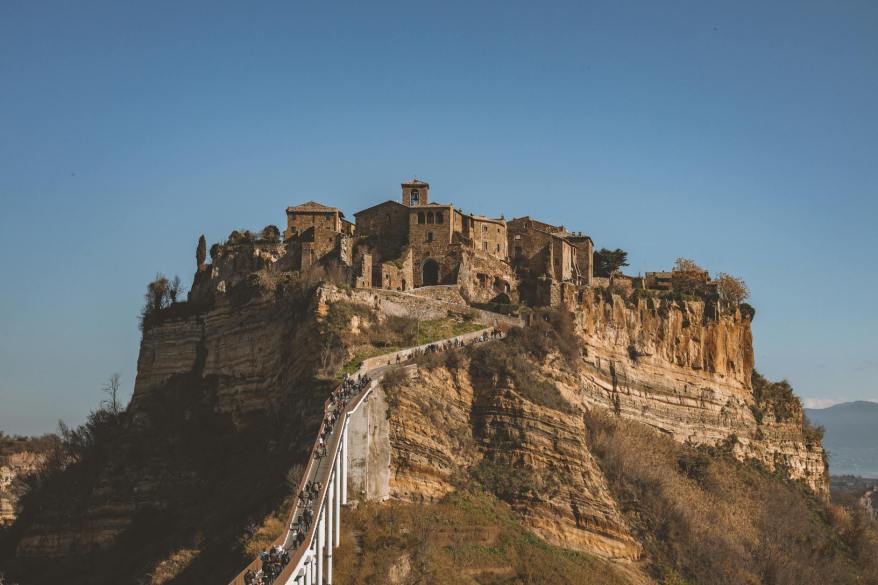
Civita di Bagnoregio e Bolsena Capitale italiana dell’Arte contemporanea 2028
🇮🇹Civita di Bagnoregio e Bolsena sono Capitale italiana dell’Arte contemporanea 2028 con il progetto Arte che viene, arte che va. Ecco cosa prevede… 🇬🇧Civita di Bagnoregio and Bolsena have been named the Italian Capital of Contemporary Art for 2028 with the project *Arte che viene, arte che va* (Art That Comes, Art That Goes). Here…
-
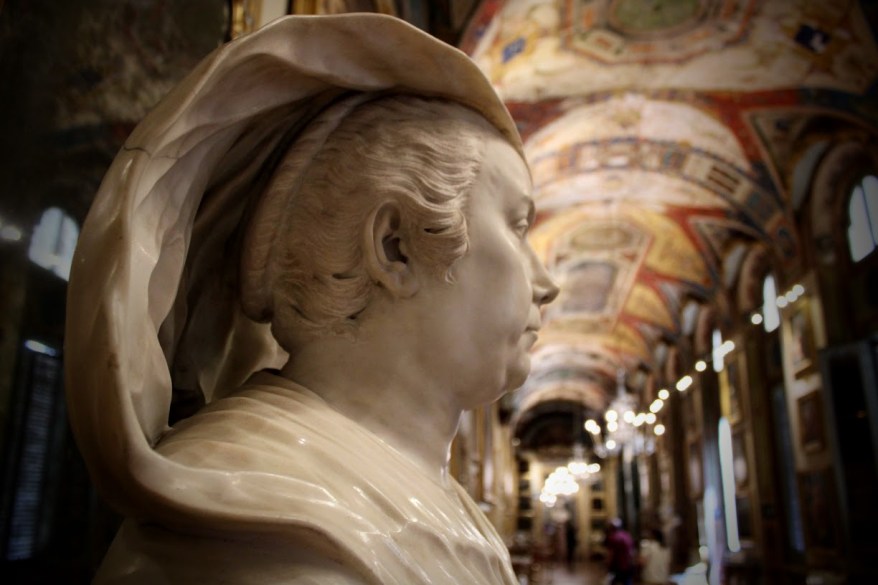
Alessandro Algardi: la risposta elegante al terremoto barocco
🇮🇹 Il Barocco non è solo movimento, spettacolo ed emozione portata all’estremo. Nella Roma del Seicento, mentre Gian Lorenzo Bernini trasformava il marmo in una materia capace di vibrare, Alessandro Algardi sceglieva una strada diversa: più misurata, elegante, legata all’equilibrio della tradizione classica… 🇬🇧The Baroque is not merely movement, spectacle, and emotion taken to the…
-
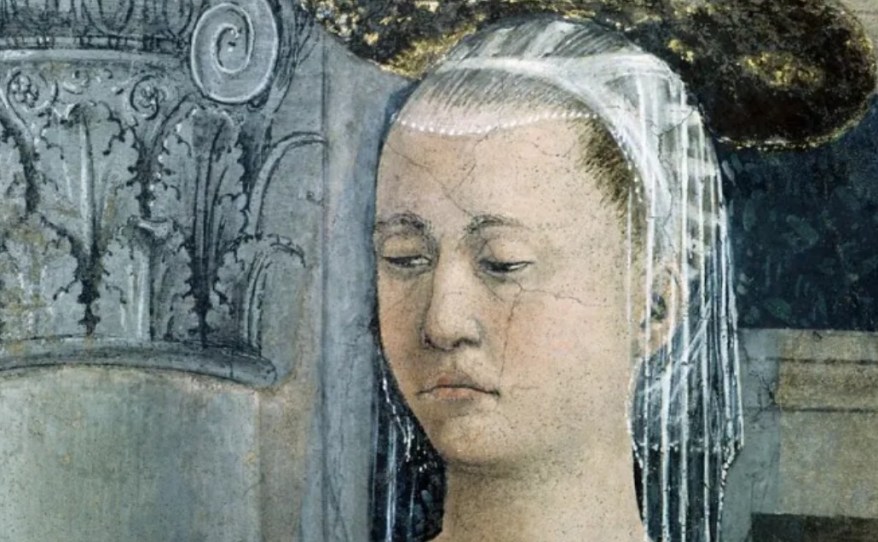
Piero della Francesca moriva il 12 ottobre 1492: il genio della prospettiva
🇮🇹Il 12 ottobre 1492, mentre Cristoforo Colombo approdava nel continente americano, a Sansepolcro si spegneva Piero della Francesca… 🇬🇧On October 12, 1492, while Christopher Columbus was landing on the American continent, Piero della Francesca passed away in Sansepolcro…
Condividi:


Questo sono io




sostienici

Sostienici – Support Us
Se questo blog ti piace e ti appassiona, puoi aiutarci a farlo crescere sempre più sostenendoci in modo concreto condividendo i post, seguendo le pagine social e con un contributo che ci aiuta ad andare avanti con il nostro lavoro di divulgazione. . ENGLISH: If you like and are passionate about this blog, you can help us make it grow more and more by supporting us in a concrete way by sharing posts, following social pages and with a contribution that helps us to move forward with our dissemination work.
€10,00


