
Lo studio del David in bronzo sul foglio del Louvre
Quando mi rigiro tra le mani questo foglio, ritorno con la mente a quando tracciai quegli studi. Erano una serie di pensieri che prendevano forma mentre cercavo di capire come quel corpo potesse sostenere un’idea, di come un braccio potesse dare forza a un gesto e come una figura giovane avesse la acoltà di divenire l’emblema stesso della vittoria.
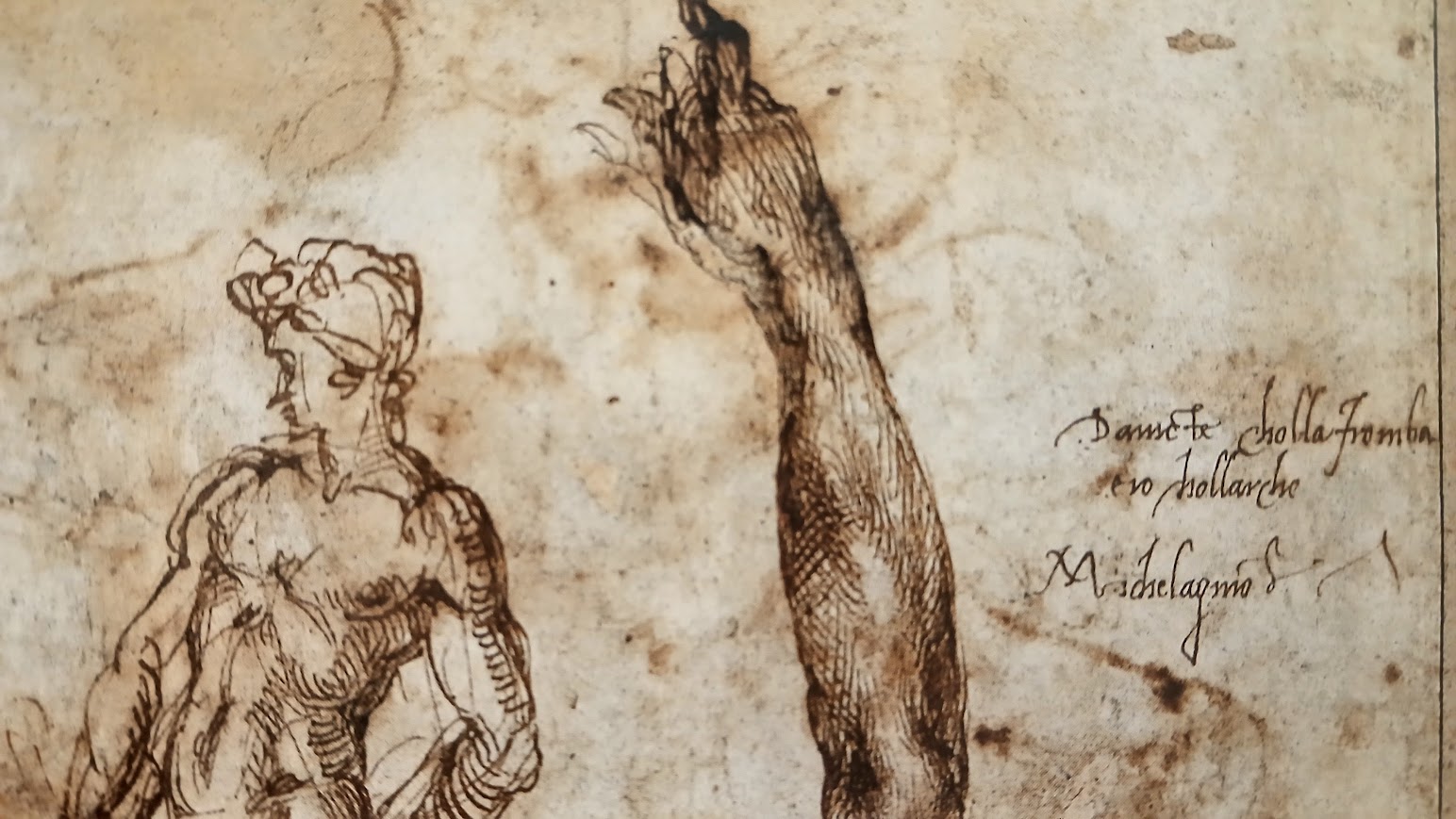
Il foglio, datato attorno al 1502, appartiene oggi alle collezioni del Museo del Louvre e riunisce sul recto e sul verso diversi studi. Vi sono schizzi legati al progetto di un David vittorioso, studi di un braccio e sul verso numerose ricerche anatomiche.
In quegli anni Firenze era attraversata da tensioni politiche e militari, e il David era un’immagine particolarmente adatta a rappresentare la forza di una città che cercava di difendere la propria libertà.
Il mio David nasce anche dentro questo clima, ma non volevo che fosse soltanto un simbolo politico. Volevo che la sua vittoria fosse leggibile nel corpo, nello sguardo e nell’atteggiamento.
Il mio David in bronzo e il confronto con Donatello
Il progetto al quale questi studi sono collegati è quello del David vittorioso in bronzo, destinato al maresciallo francese Pierre de Rohan, signore di Gié. La Signoria fiorentina aveva interesse a ottenere la sua protezione e quella delle truppe francesi e, per questo, nel 1502 mi affidò la sua esecuzione.
Il maresciallo di Gié era perdutamente innamorato del David in bronzo di Donatello e quell’omaggio, in qualche modo, avrebbe dovuto ricordargli quel capolavoro.
Il mio lavoro nasceva dunque da un confronto diretto con il modello di Donatello, ma non aevvo alcuna intenzione di farne una copia.
Il David che immaginavo aveva una presenza più forte e una muscolatura più evidente. La nudità eroica acquistava un ruolo centrale e il corpo del giovane vincitore diventava il luogo nel quale raccontare la trasformazione di un ragazzo in un uomo capace di governare il proprio destino.
Il giovane si curva leggermente all’indietro e appoggia il piede sul capo di Golia. Una mano cerca un punto di equilibrio mentre l’altra si protende in avanti, pronta a impugnare l’arma della vittoria.

Lo studio del braccio: capire il movimento attraverso l’anatomia
Sul recto del foglio ho studiato con attenzione un braccio e alcuni particolari della mano. Non mi interessava soltanto stabilire la forma esterna dell’arto: avevo bisogno di comprendere il modo nel quale ossa, muscoli e articolazioni partecipavano al movimento.
Un braccio disteso, piegato o contratto ha modi completamente differenti per essere raffigurato. Sotto la pelle cambiano le tensioni, si spostano i muscoli, le articolazioni determinano una diversa posizione della mano. Se voglio rappresentare un gesto convincente, devo prima comprenderne la struttura.
Nel piccolo studio della mano si può riconoscere l’indice ripiegato, un particolare che potrebbe essere collegato alla fionda di David. Il gesto non è ancora quello definitivo di una scultura compiuta, ma contiene già una possibilità.
Il disegno mi permetteva di provare quella possibilità senza ancora doverla rendere definitiva nella materia.
“Davitte cholla Fromba e io chollarcho”: il David e il mio arco
Accanto allo studio del braccio ho lasciato alcune parole: “Davitte cholla Fromba / e io chollarcho / Michelagniolo”.
Cosa significa? “David ha vinto con la fionda, io vincerò con l’arco“. Un gioco di parole certo, ma qualcosa che forse fa riferimento al mio David in marmo più che a quello in bronzo. Se David vinse il gigante con la fionda, io avrei dovuto vincere il gigante di marmo con l’arco, ovvero il trapano ad arco.

Dal David di bronzo al David di marmo
Il foglio del Louvre è particolarmente interessante anche perché si trova in una fase nella quale le idee intorno al David erano ancora in trasformazione.
Nel disegno il giovane appare più muscoloso e sicuro rispetto al fragile David della tradizione medievale e rispetto al modello bronzeo di Donatello. Ma alcuni dettagli, come la testa, le mani e i piedi, conservano ancora qualcosa della figura adolescente.
David da giovane affrontò un avversario molto più potente di lui. Io affrontai la materia, la difficoltà del disegno, il giudizio degli uomini e le aspettative che ogni opera porta con sé.
David doveva trovare il punto esatto nel quale colpire Golia. Io dovevo trovare il punto esatto nel quale intervenire sul disegno, sul modello sul bronzo e fianche sul marmo.
Per il momento il sempre vostro Michelangelo Buonarroti vi saluta dandovi appuntamento ai prossimi post e sui social.
The Study of the Bronze David on the Louvre Sheet
When I turn this sheet over in my hands, my mind goes back to when I first drew those studies. They were a series of thoughts that took shape as I tried to understand how that body could support an idea, how an arm could give strength to a gesture, and how a young figure had the power to become the very emblem of victory.
The sheet, dated around 1502, now belongs to the Louvre Museum collections and brings together several studies on the front and back. There are sketches related to the project of a victorious David, studies of an arm, and on the back numerous anatomical studies.
In those years, Florence was gripped by political and military tensions, and the David was a particularly apt image to represent the strength of a city striving to defend its freedom.
My David was also born within this climate, but I didn’t want it to be merely a political symbol. I wanted his victory to be legible in his body, his gaze, and his attitude.
My Bronze David and the Comparison with Donatello
The project to which these studies are linked is that of the Victorious David in bronze, intended for the French Marshal Pierre de Rohan, Lord of Gié. The Florentine Signoria was interested in obtaining his protection and that of the French troops, and for this reason, in 1502, they entrusted me with its execution.
The Marshal of Gié was madly in love with Donatello’s bronze David, and this homage was intended, in some way, to remind him of that masterpiece.
My work was therefore born from a direct comparison with Donatello’s model, but I had no intention of making a copy.
The David I imagined had a stronger presence and more evident musculature. Heroic nudity took on a central role, and the body of the young victor became the setting for the narrative of a boy’s transformation into a man capable of governing his own destiny.
The young man leans back slightly and places his foot on Goliath’s head. One hand searches for balance while the other reaches forward, ready to grasp the weapon of victory.
The study of the arm: understanding movement through anatomy
On the front of the sheet, I carefully studied an arm and some details of the hand. I wasn’t just interested in establishing the external shape of the limb: I needed to understand how bones, muscles, and joints participated in movement.
An arm, whether extended, bent, or contracted, can be depicted in completely different ways. Under the skin, tensions change, muscles shift, and joints determine a different position of the hand. If I want to represent a convincing gesture, I must first understand its structure.
In the small study of the hand, you can recognize the bent index finger, a detail that could be linked to David’s slingshot. The gesture isn’t yet the definitive one of a finished sculpture, but it already contains a possibility.
Drawing allowed me to test that possibility without having to make it definitive in the material.
“Davitte cholla Fromba and I chollarcho”: David and my bow
Next to the study of the arm, I left some words: “Davitte cholla Fromba / and I chollarcho / Michelagniolo.”
What does it mean? “David won with the sling, I will win with the bow.” A play on words, of course, but something that perhaps refers to my marble David rather than the bronze one. If David defeated the giant with the sling, I should have defeated the marble giant with the bow, or rather, the bow drill.
From the Bronze David to the Marble David
The Louvre drawing is particularly interesting because it dates from a period when ideas surrounding David were still evolving.
In the drawing, the young man appears more muscular and confident than the frail David of medieval tradition and Donatello’s bronze model. But some details, such as the head, hands, and feet, still retain something of the adolescent figure.
The young David faced a much more powerful opponent. I faced the material, the difficulty of drawing, the judgment of others, and the expectations that every work brings with it.
David had to find the exact point to strike Goliath. I had to find the exact point to intervene on the drawing, on the bronze model, and on the marble sides.
For now, yours truly, Michelangelo Buonarroti bids you farewell and invites you to join him in future posts and on social media.

Sostienici – Support Us
Se questo blog ti piace e ti appassiona, puoi aiutarci a farlo crescere sempre più sostenendoci in modo concreto condividendo i post, seguendo le pagine social e con un contributo che ci aiuta ad andare avanti con il nostro lavoro di divulgazione. . ENGLISH: If you like and are passionate about this blog, you can help us make it grow more and more by supporting us in a concrete way by sharing posts, following social pages and with a contribution that helps us to move forward with our dissemination work.
10,00 €
-
18 ottobre 1634: nasce Luca Giordano, il pittore che dipingeva così in fretta da essere chiamato «Luca fa’ presto»
🇮🇹Luca Giordano nacque a Napoli il 18 ottobre 1634. Scopri perché era chiamato «Luca fa’ presto» e i suoi capolavori, dalla Galleria degli Specchi alla corte di Spagna… 🇬🇧Luca Giordano was born in Naples on October 18, 1634. Discover why he was nicknamed “Luca fa’ presto” (“Luca, hurry up!”) and explore his masterpieces—from the Hall…
-

Incendio al municipio di Limoges, crolla la torre dell’orologio: distrutto storico palazzo dell’Ottocento
🇮🇹Incendio a Limoges, il municipio storico è devastato: crollano il tetto e la torre dell’orologio alta 43 metri. Che cosa resta del patrimonio artistico? 🇬🇧Fire in Limoges: the historic town hall is devastated, with its roof and 43-meter-tall clock tower having collapsed. What remains of its artistic heritage?
-
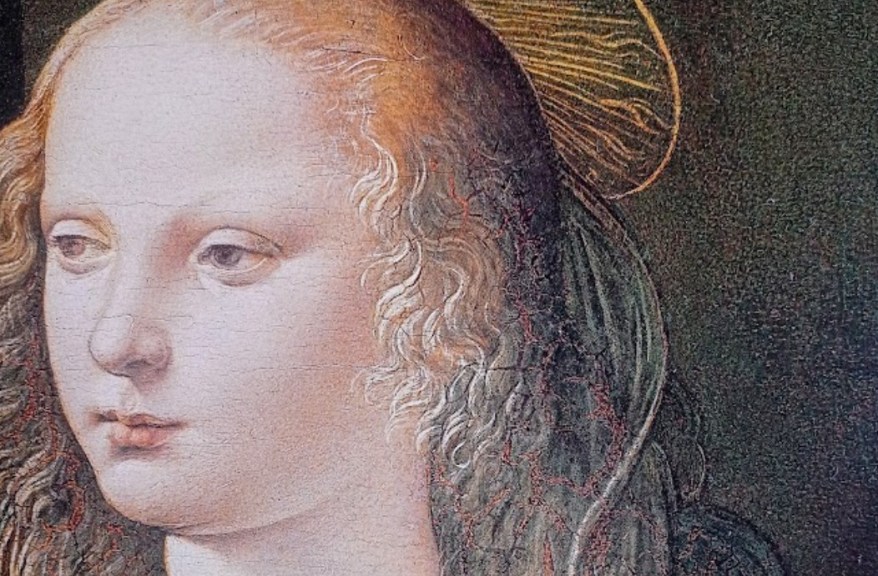
Prima di Gesù Bambino viene l’Annunciazione: i dipinti che raccontano l’inizio della storia di Natale
🇮🇹Prima di Gesù Bambino c’è l’Annunciazione: scopri i dipinti più celebri di Leonardo, Beato Angelico e Simone Martini e i simboli nascosti nell’arte cristiana… 🇬🇧Before the Christ Child comes the Annunciation: discover the most famous paintings by Leonardo, Fra Angelico, and Simone Martini, and the symbols hidden within Christian art…
Condividi:


Questo sono io




sostienici

Sostienici – Support Us
Se questo blog ti piace e ti appassiona, puoi aiutarci a farlo crescere sempre più sostenendoci in modo concreto condividendo i post, seguendo le pagine social e con un contributo che ci aiuta ad andare avanti con il nostro lavoro di divulgazione. . ENGLISH: If you like and are passionate about this blog, you can help us make it grow more and more by supporting us in a concrete way by sharing posts, following social pages and with a contribution that helps us to move forward with our dissemination work.
€10,00


