
Mazara del Vallo, scoperto un relitto romano con 500 anfore: ha oltre 2.000 anni
A 46 metri di profondità, al largo di Mazara del Vallo, è stato individuato un relitto romano del II-I secolo a.C. con centinaia di anfore Dressel 1A e antiche ancore in piombo.
Un pezzo di storia romana da oltre duemila anni riposa sul fondo del Mediterraneo, a pochi chilometri dalla costa siciliana. Non è una storia raccontata attraverso un’iscrizione o una scultura, ma attraverso centinaia di anfore rimaste lì, insieme alle ancore e agli elementi di una nave che un tempo solcava il mare trasportando merci da una sponda all’altra del Mediterraneo.
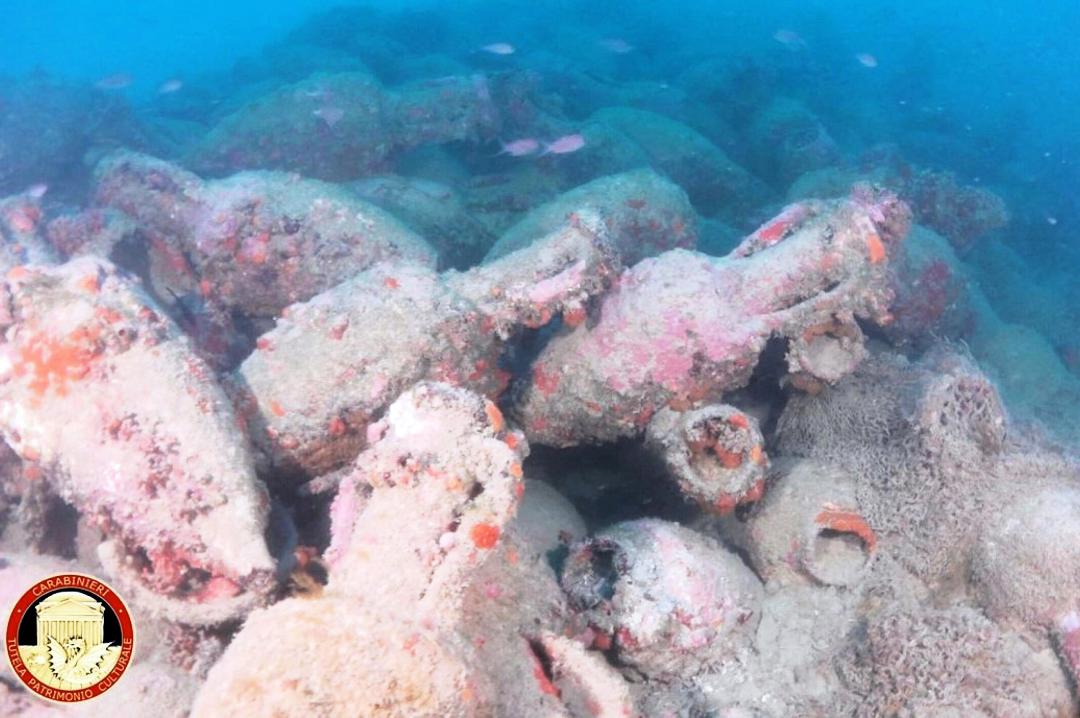
A circa tre miglia dalla costa di Mazara del Vallo, a 46 metri di profondità, è stato infatti individuato un incredibile relitto romano databile, secondo le prime valutazioni, tra il II e il I secolo a.C.. Sul fondale sono state riconosciute centinaia di anfore, riconducibili alla tipologia Dressel 1A, oltre a due grandi ceppi d’ancora in piombo e a un’altra struttura realizzata nello stesso materiale.
Una scoperta che potrebbe aggiungere un nuovo, importantissimo tassello alla conoscenza dei commerci marittimi della tarda Repubblica romana.
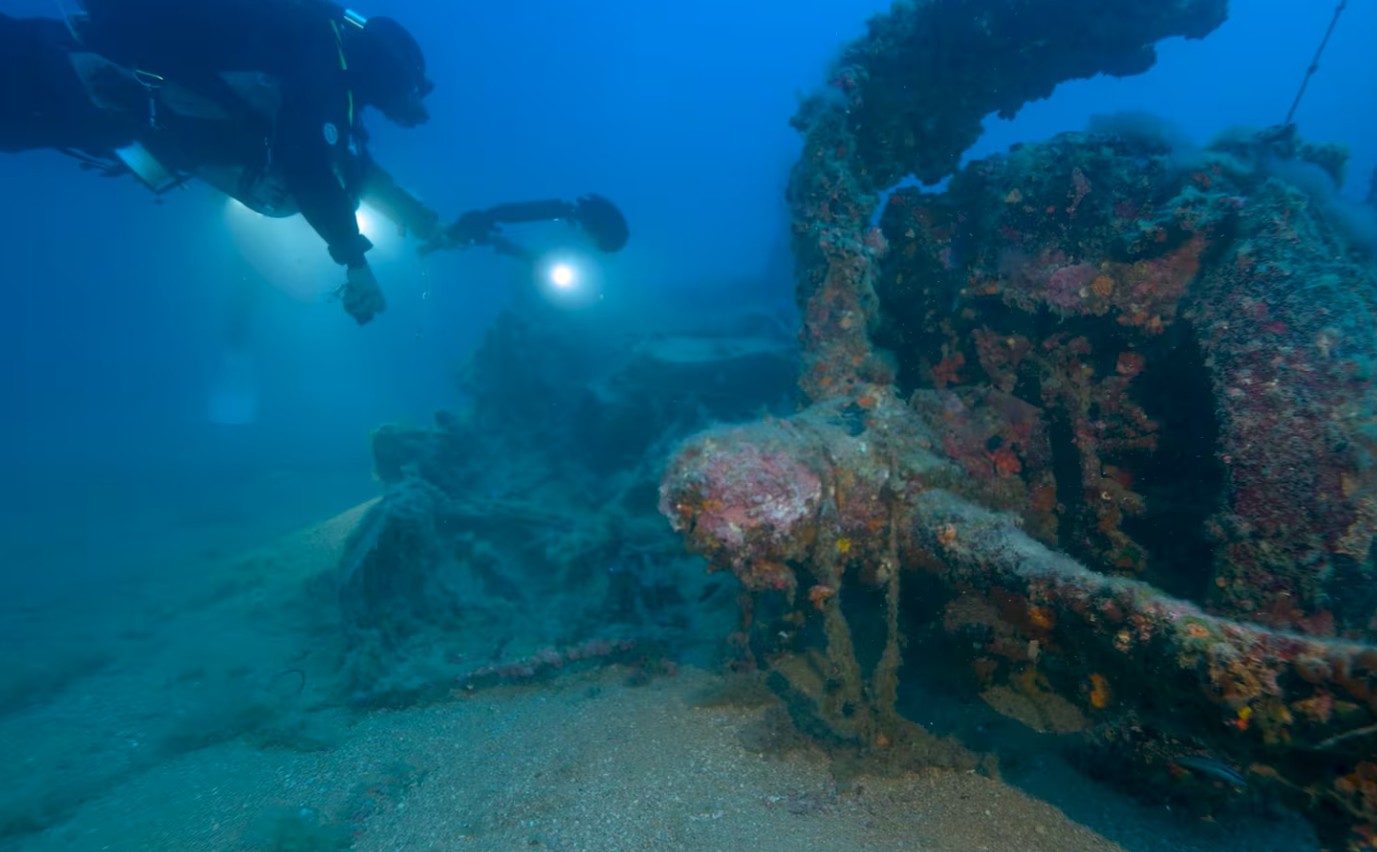
Il relitto romano scoperto nelle acque di Mazara del Vallo
Il ritrovamento è avvenuto durante un sopralluogo congiunto che ha coinvolto il Nucleo Carabinieri Tutela Patrimonio Culturale di Palermo, il Nucleo Carabinieri Subacquei di Messina e la Soprintendenza del Mare della Regione Siciliana, con il supporto della Motovedetta dei Carabinieri di Trapani.
Ma c’è un particolare che rende ancora più interessante questa vicenda. L’individuazione del sito è stata possibile anche grazie alla segnalazione di alcuni privati cittadini.
È un dettaglio tutt’altro che secondario perché dimostra quanto la tutela del patrimonio archeologico sommerso possa beneficiare della collaborazione fra istituzioni e cittadini. Sotto la superficie del mare, infatti, esiste un patrimonio immenso e spesso invisibile, che può essere individuato soltanto attraverso un lavoro paziente di osservazione, ricerca e documentazione.
Cinquecento anfore Dressel 1A raccontano i commerci dell’antica Roma
Sul fondale si trovano centinaia di anfore Dressel 1A, una delle forme più caratteristiche della tarda età repubblicana romana. Si tratta di grandi contenitori ceramici utilizzati soprattutto per il trasporto del vino e che oggi rappresentano una straordinaria fonte di informazioni per gli archeologi.
Un’anfora, apparentemente semplice e quasi anonima, può raccontare moltissimo.
La sua forma, la ceramica con cui è stata realizzata, la provenienza dell’argilla, le eventuali iscrizioni e soprattutto il luogo nel quale viene ritrovata possono contribuire a ricostruire antiche rotte commerciali, provenienze delle merci e destinazioni.
In questo caso, la concentrazione di anfore sul fondale potrebbe permettere di comprendere meglio quali fossero i percorsi seguiti dalle navi mercantili romane e quali territori fossero collegati da questi intensi traffici.
Il Mediterraneo romano non era una barriera ma una grande autostrada
Guardando oggi il Mediterraneo, purtroppo, ci appare come come uno spazio che separa popoli e continenti. Per gli antichi, invece, il mare era soprattutto una straordinaria via di comunicazione.
Le navi trasportavano vino, olio, cereali, ceramiche e moltissime altre merci, collegando porti e comunità lontanissime fra loro. La Sicilia occupava una posizione strategica in questo sistema perché si trovava al centro delle principali rotte del Mediterraneo.
Le anfore, le ancore e gli elementi dell’imbarcazione sono infatti frammenti di una vicenda che riguarda non soltanto una singola nave, ma l’intero sistema economico e commerciale che caratterizzò il Mediterraneo fra il II e il I secolo a.C.
Le ancore in piombo aiutano a ricostruire la nave
Accanto alle anfore sono stati individuati anche due ceppi d’ancora in piombo e un ulteriore elemento realizzato con lo stesso materiale.
Questi reperti possono fornire informazioni preziose sulle caratteristiche dell’imbarcazione e sulle sue dotazioni di bordo.
La loro presenza, insieme alla distribuzione del carico sul fondale, potrebbe aiutare gli archeologi a comprendere meglio la struttura della nave, la disposizione delle merci e persino le circostanze che portarono al suo naufragio.
Un archivio sommerso conservato per oltre duemila anni
Il tempo ha cancellato l’equipaggio, le voci dei marinai, il porto da cui erano partiti e la destinazione verso cui erano diretti. Ma il mare ha conservato una parte della loro storia.
La disposizione del carico, i materiali della nave e le anfore possono ora diventare una sorta di archivio archeologico sommerso, capace di restituire informazioni che nessuna fonte scritta avrebbe potuto conservare con altrettanta concretezza.
Ogni reperto, preso singolarmente, racconta una piccola parte della storia. Insieme, però, possono restituire l’immagine di una nave mercantile romana e del mondo nel quale navigava.
La Sicilia e le sue acque potrebbero costudire ancora tanti tesori archeologici da scoprire. La posizione geografica dell’isola ha fatto della Sicilia uno dei grandi crocevia del Mediterraneo antico e il suo mare conserva ancora oggi testimonianze di questa lunghissima storia.
Relitti, anfore, ancore e altri reperti raccontano una rete di relazioni commerciali che metteva in comunicazione l’Italia con il Nord Africa, la penisola iberica e il Mediterraneo orientale.
Da dove era partita quella nave? Dove avrebbe dovuto arrivare? Chi aveva acquistato il suo carico? Quali marinai erano a bordo? E soprattutto, cosa provocò il naufragio?
Nei prossimi mesi la Soprintendenza del Mare della Regione Siciliana sarà impegnata in una nuova fase di documentazione e studio del sito. Le indagini permetteranno di precisare la cronologia del relitto, analizzare la provenienza del carico e comprendere meglio lo stato di conservazione dei materiali.
Per il momento il sempre vostro Michelangelo Buonarroti vi saluta dandovi appuntamento ai prossimi post e sui social.
Mazara del Vallo: Roman shipwreck with 500 amphorae discovered: over 2,000 years old
At a depth of 46 meters, off the coast of Mazara del Vallo, a Roman shipwreck from the 2nd-1st century BC was discovered, containing hundreds of Dressel 1A amphorae and ancient lead anchors.
A piece of Roman history for over two thousand years rests on the Mediterranean seabed, a few kilometers off the Sicilian coast. It’s a story told not through an inscription or a sculpture, but through hundreds of amphorae remaining there, along with anchors and parts of a ship that once plied the seas carrying goods from one shore of the Mediterranean to the other.
Approximately three miles off the coast of Mazara del Vallo, at a depth of 46 meters, an incredible Roman shipwreck has been discovered. Initial estimates suggest it dates back to between the 2nd and 1st centuries BC. Hundreds of amphorae, classified as Dressel 1A, were identified on the seabed, along with two large lead anchor stocks and another structure made of the same material.
This discovery could add a new, crucial piece to our understanding of maritime trade during the late Roman Republic.
The Roman shipwreck discovered in the waters of Mazara del Vallo
The discovery was made during a joint inspection involving the Carabinieri Cultural Heritage Protection Unit of Palermo, the Carabinieri Underwater Unit of Messina, and the Superintendence of the Sea of the Sicilian Region, with the support of the Carabinieri patrol boat of Trapani.
But there’s a detail that makes this story even more interesting. The identification of the site was also possible thanks to the reports of several private citizens.
This is far from a minor detail, as it demonstrates how the protection of underwater archaeological heritage can benefit from collaboration between institutions and citizens. Beneath the surface of the sea, in fact, lies an immense and often invisible heritage, which can only be discovered through patient observation, research, and documentation.
Five hundred Dressel 1A amphorae reveal the trade of ancient Rome
On the seabed lie hundreds of Dressel 1A amphorae, one of the most characteristic shapes of the late Roman Republican era. These large ceramic containers were used primarily for transporting wine and today represent an extraordinary source of information for archaeologists.
An apparently simple and almost anonymous amphora can reveal a great deal.
Its shape, the ceramic from which it was made, the origin of the clay, any inscriptions, and, above all, the place where it was found can help reconstruct ancient trade routes, the origins of goods, and their destinations.
In this case, the concentration of amphorae on the seabed could allow us to better understand the routes followed by Roman merchant ships and which territories were connected by this intense trade.
The Roman Mediterranean was not a barrier but a great highway
Looking at the Mediterranean today, unfortunately, it appears to us as a space separating peoples and continents. For the ancients, however, the sea was above all an extraordinary means of communication.
Ships transported wine, oil, grains, ceramics, and many other goods, connecting ports and communities far from each other. Sicily occupied a strategic position in this system because it was at the center of the main Mediterranean routes.
The amphorae, anchors, and other parts of the vessel are, in fact, fragments of a story that concerns not just a single ship, but the entire economic and commercial system that characterized the Mediterranean between the 2nd and 1st centuries BC.
Lead anchors help reconstruct the ship
Alongside the amphorae, two lead anchor stocks and another element made of the same material were also identified.
These finds can provide valuable information on the characteristics of the vessel and its onboard equipment.
Their presence, along with the distribution of the cargo on the seabed, could help archaeologists better understand the ship’s structure, the arrangement of the goods, and even the circumstances that led to its sinking.
A submerged archive preserved for over two thousand years
Time has erased the crew, the sailors’ voices, the port from which they departed, and the destination to which they were headed. But the sea has preserved a part of their history.
The arrangement of the cargo, the ship’s materials, and the amphorae can now become a sort of submerged archaeological archive, capable of providing information that no written source could have preserved with such precision.
Each find, taken individually, tells a small part of the story. Together, however, they can paint a picture of a Roman merchant ship and the world in which it sailed.
Sicily and its waters may still hold many archaeological treasures waiting to be discovered. The island’s geographical position made Sicily one of the great crossroads of the ancient Mediterranean, and its sea still preserves evidence of this long history.
Shipwrecks, amphorae, anchors, and other artifacts reveal a network of trade routes that connected Italy with North Africa, the Iberian Peninsula, and the Eastern Mediterranean.
Where did that ship depart from? Where was it supposed to arrive? Who purchased its cargo? Which sailors were aboard? And above all, what caused the shipwreck?
In the coming months, the Sicilian Regional Superintendency of the Sea will be engaged in a new phase of documentation and study of the site. The investigations will clarify the chronology of the wreck, analyze the provenance of the cargo, and better understand the state of preservation of the materials.
For now, yours truly, Michelangelo Buonarroti bids you farewell and invites you to join us in future posts and on social media.

Sostienici – Support Us
Se questo blog ti piace e ti appassiona, puoi aiutarci a farlo crescere sempre più sostenendoci in modo concreto condividendo i post, seguendo le pagine social e con un contributo che ci aiuta ad andare avanti con il nostro lavoro di divulgazione. . ENGLISH: If you like and are passionate about this blog, you can help us make it grow more and more by supporting us in a concrete way by sharing posts, following social pages and with a contribution that helps us to move forward with our dissemination work.
10,00 €
-
30 agosto 1436, il termine dei lavori della cupola di Brunelleschi: a Firenze vene compiuto l’impossibile
🇮🇹30 agosto 1436: terminano i lavori della cupola di Brunelleschi a Firenze. La storia del capolavoro che rivoluzionò l’architettura del Rinascimento… 🇬🇧August 30, 1436: Work on Brunelleschi’s dome in Florence is completed. The story of the masterpiece that revolutionized Renaissance architecture…
-

Edward Hopper a Pisa: oltre 150 opere in mostra a Palazzo Blu
🇮🇹Dal 14 ottobre 2026 al 7 marzo 2027 Palazzo Blu ospita “Edward Hopper: New York e oltre”, una grande mostra dedicata al maestro americano. Dipinti, acquerelli, disegni, incisioni e materiali d’archivio per raccontare quasi sessant’anni di carriera… 🇬🇧From October 14, 2026, to March 7, 2027, Palazzo Blu hosts “Edward Hopper: New York and Beyond,” a…
-
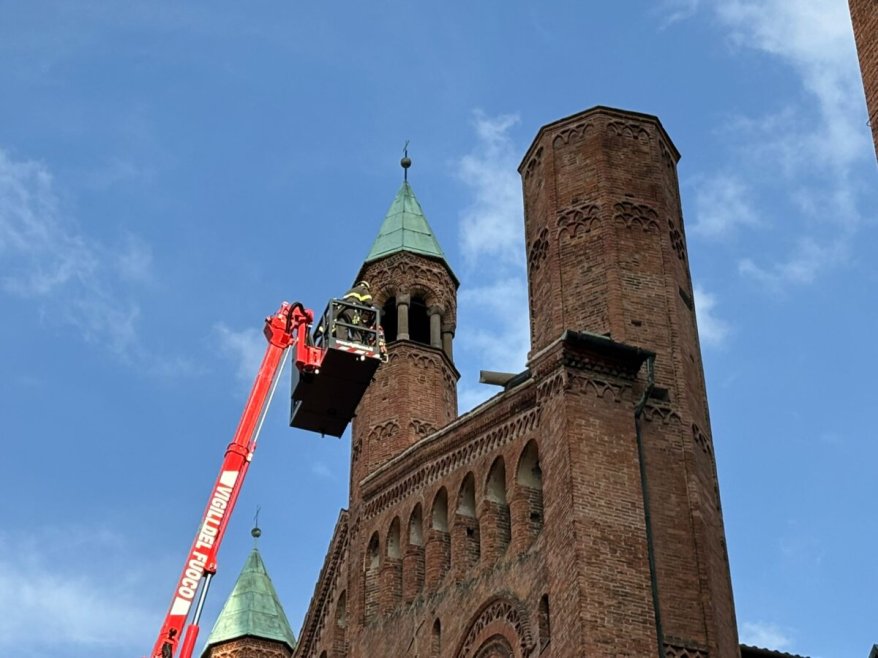
Cremona, la tromba d’aria sfregia il Duomo: crollata una guglia. Danni al rosone e a 10 chiese
🇮🇹La tromba d’aria del 28 agosto ha colpito il Duomo di Cremona: crollata la copertura di una guglia, danneggiato il rosone. Dieci chiese colpite… 🇬🇧The tornado of August 28th hit Cremona Cathedral: the roof of a spire collapsed, the rose window was damaged. Ten churches were affected…
Condividi:


Questo sono io





sostienici

Sostienici – Support Us
Se questo blog ti piace e ti appassiona, puoi aiutarci a farlo crescere sempre più sostenendoci in modo concreto condividendo i post, seguendo le pagine social e con un contributo che ci aiuta ad andare avanti con il nostro lavoro di divulgazione. . ENGLISH: If you like and are passionate about this blog, you can help us make it grow more and more by supporting us in a concrete way by sharing posts, following social pages and with a contribution that helps us to move forward with our dissemination work.
€10,00


Ho visto stamattina alla tv, davvero una scoperta straordinaria 👏👏👏👏👌👌👍👍👍👍👍
"Mi piace"Piace a 1 persona
ogni tanto qualche buona notizia arriva :-*
"Mi piace"Piace a 1 persona