
16 aprile 1535: il giorno in cui iniziai a far costruire i ponteggi per il Giudizio Universale
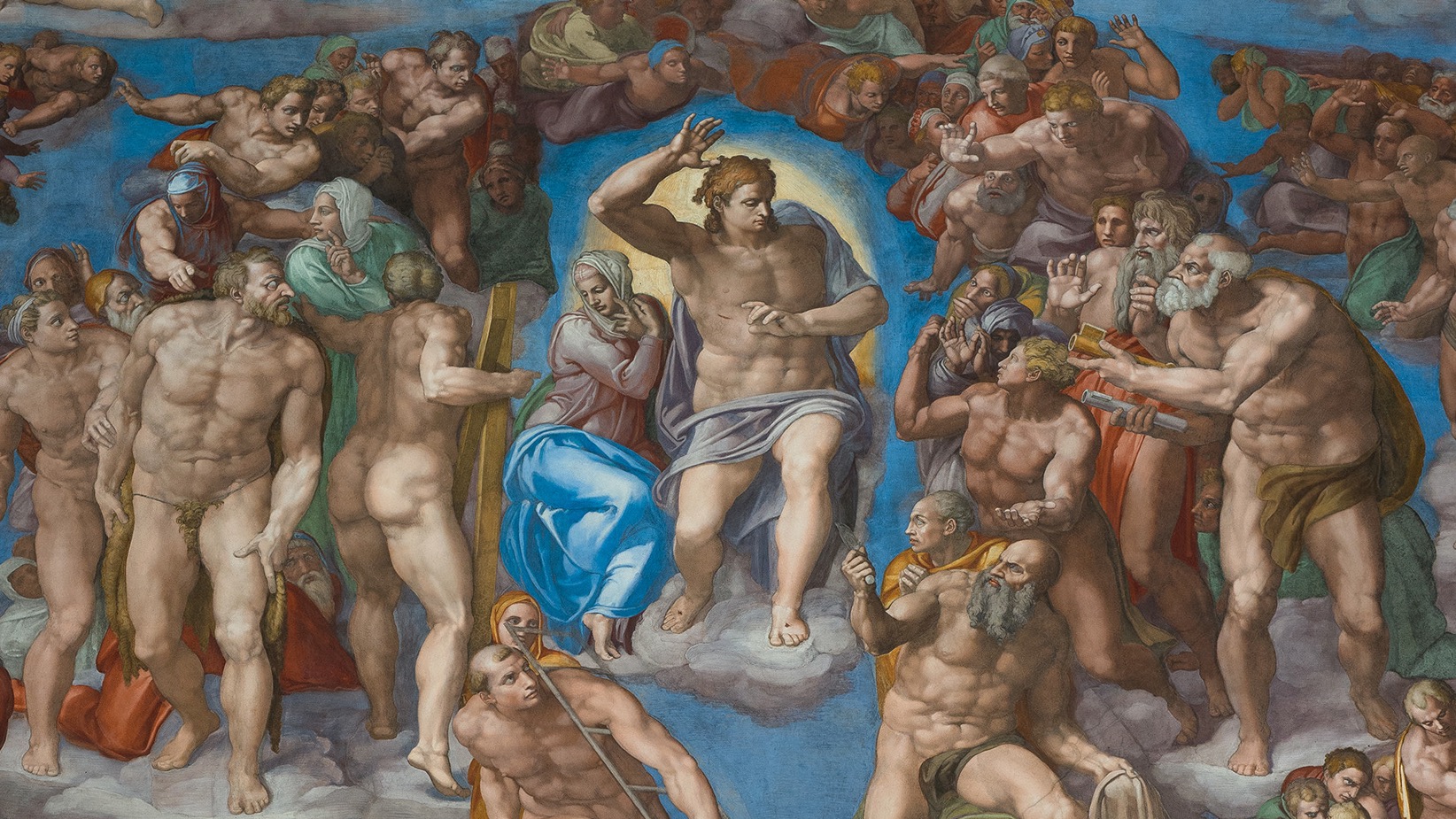
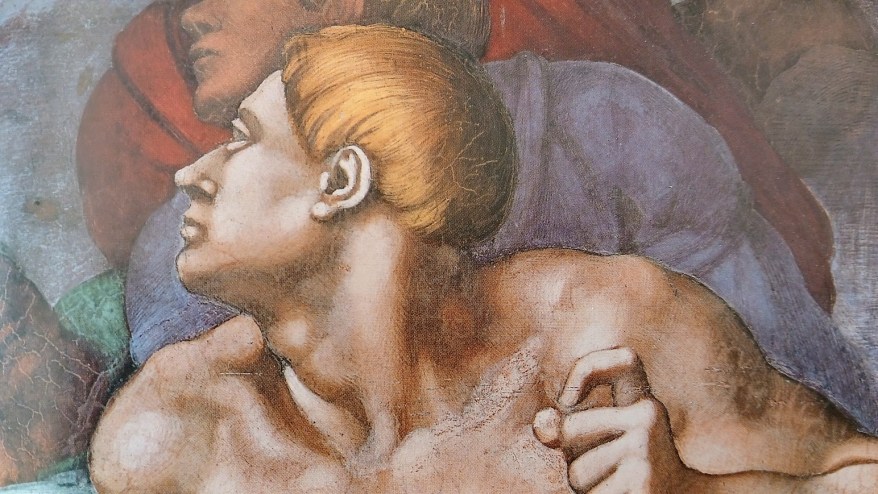
Era il 16 aprile del 1535 quando diedi avvio a un’opera che avrebbe segnato per sempre la mia vita e, forse, anche il destino dell’arte: iniziai a far costruire il ponteggio per affrescare il Giudizio Universale nella Cappella Sistina.
Quella grandiosa impresa però non nacque in un giorno solo. Già da almeno due anni il progetto stava prendendo forma nella mente e nelle volontà di Papa Clemente VII de Medici, che mi affidò la commissione con determinazione, riconfermata alla sua morte dal successore Paolo III Farnese.
Ricordo bene il nostro incontro del 22 settembre 1533, a San Miniato al Tedesco, presso Firenze: fu lì che iniziammo a discutere seriamente dell’opera. E ancora, al suo ritorno dalla Francia, tornammo su quel disegno grandioso, destinato a occupare la parete dell’altare.
Il primo segno scritto di quella decisione risale al 20 febbraio 1534: una lettera di un agente mantovano riportava che il pontefice aveva disposto ogni cosa affinché fossi io a dipingere quella parete. Da allora, non vi fu più ritorno.
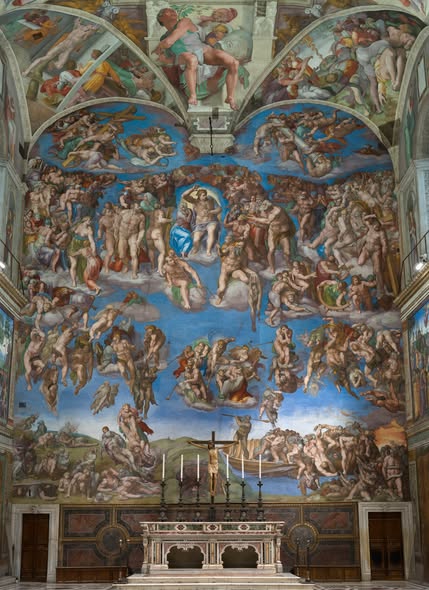
Quando finalmente iniziai a preparare il lavoro, dovetti affrontare una scelta difficile, ma necessaria: cancellare ciò che già esisteva. Feci scalpellare via gli affreschi miei e quelli di Pietro Perugino. Al centro, sopra l’altare maggiore, si trovava la sua grande pala dell’Assunzione della Vergine; più in basso, gli inizi dei cicli di Mosè e Cristo.
Sopra ancora, i primi pontefici e perfino due mie lunette con gli Antenati di Cristo. Tutto doveva cedere il passo a una visione nuova, più potente, più universale. A dire il vero in un primo momento avevo provato a integrare l’Assunzione della Vergine nella nuova opera ma poi decisi che per lei non c’era spazio alcuno. Non certo a cuor leggero: cancellare il lavoro altrui è sempre un peso che non da tregua.
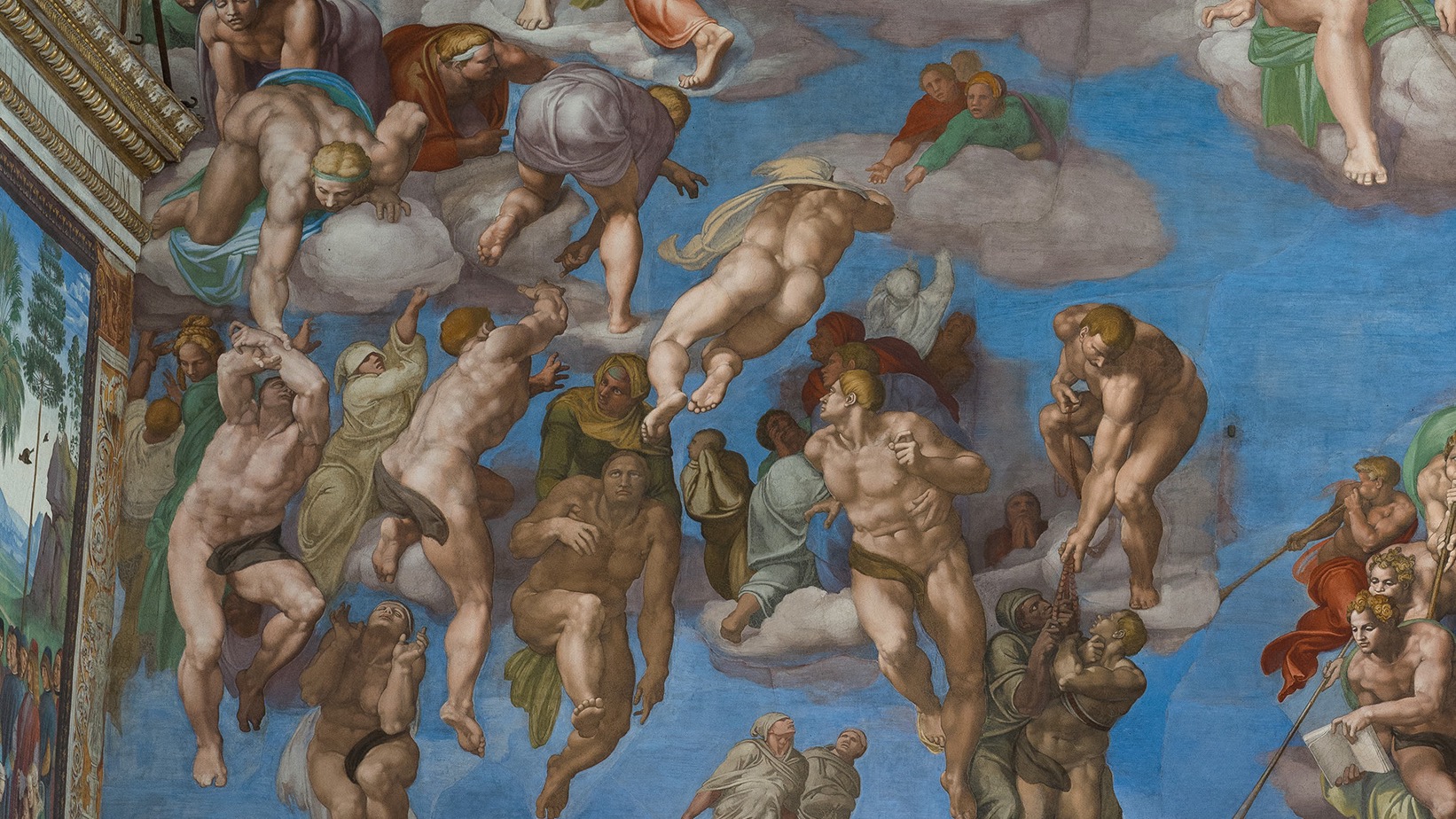
Non fu un cammino semplice. Tra ritardi, difficoltà tecniche e ostacoli imprevisti, trascorsero mesi prima che la parete fosse pronta ad accogliere il colore. Solo nel 1536 potei davvero iniziare a metter mano ai penelli. E da lì, furono cinque anni di fatica..
Ricordo ancora il dolore di una caduta dai ponteggi, che mi costrinse a fermarmi. Il corpo cedeva, ma la volontà no. Continuai, giornata dopo giornata, fino a completare le 456 giornate di affresco, ciascuna accostata all’altra come tessere di un disegno divino.
Nel 1541, l’opera era compiuta.
Per il momento il sempre vostro Michelangelo Buonarroti vi saluta dandovi appuntamento ai prossimi post e sui social.
April 16, 1535: The Day I Began Building the Scaffolding for the Last Judgment
It was April 16, 1535, when I began a project that would forever shape my life and, perhaps, the destiny of art: I began building the scaffolding to fresco the Last Judgment in the Sistine Chapel.
That grandiose undertaking, however, did not begin in a single day. For at least two years, the project had been taking shape in the mind and intentions of Pope Clement VII de’ Medici, who entrusted me with the commission with determination, a commission that was reconfirmed upon his death by his successor, Paul III Farnese.
I remember well our meeting on September 22, 1533, in San Miniato al Tedesco, near Florence: it was there that we began to seriously discuss the work. And again, upon his return from France, we returned to that grandiose design, destined to adorn the altar wall.
The first written evidence of that decision dates back to February 20, 1534: a letter from a Mantuan agent reported that the pontiff had arranged everything for me to paint that wall. From then on, there was no turning back.
When I finally began preparing the work, I faced a difficult but necessary choice: erasing what already existed. I had my frescoes and those of Pietro Perugino chiseled away. In the center, above the high altar, was his large altarpiece of the Assumption of the Virgin; lower down, the beginnings of the cycles of Moses and Christ.
Above that, the first pontiffs and even two of my lunettes with the Ancestors of Christ. Everything had to give way to a new, more powerful, more universal vision. Truth be told, I had initially tried to integrate the Assumption of the Virgin into the new work, but then I decided there was no room for it. Certainly not light-heartedly: erasing the work of others is always a burden that gives no respite.
It was not an easy journey. Between delays, technical difficulties, and unexpected obstacles, months passed before the wall was ready to accept paint. Only in 1536 could I truly begin to apply my brushes. And from there, five years of toil ensued.
I still remember the pain of a fall from the scaffolding, which forced me to stop. My body gave out, but my will did not. I continued, day after day, until I completed the 456 days of fresco painting, each one placed next to the other like pieces of a divine design.
In 1541, the work was finished.
For now, yours truly, Michelangelo Buonarroti bids you farewell and invites you to join him in future posts and on social media.

Sostienici – Support Us
Se questo blog ti piace e ti appassiona, puoi aiutarci a farlo crescere sempre più sostenendoci in modo concreto condividendo i post, seguendo le pagine social e con un contributo che ci aiuta ad andare avanti con il nostro lavoro di divulgazione. . ENGLISH: If you like and are passionate about this blog, you can help us make it grow more and more by supporting us in a concrete way by sharing posts, following social pages and with a contribution that helps us to move forward with our dissemination work.
10,00 €
Articoli

Condividi:


Questo sono io




sostienici

Sostienici – Support Us
Se questo blog ti piace e ti appassiona, puoi aiutarci a farlo crescere sempre più sostenendoci in modo concreto condividendo i post, seguendo le pagine social e con un contributo che ci aiuta ad andare avanti con il nostro lavoro di divulgazione. . ENGLISH: If you like and are passionate about this blog, you can help us make it grow more and more by supporting us in a concrete way by sharing posts, following social pages and with a contribution that helps us to move forward with our dissemination work.
€10,00


