
Giotto prima di Assisi e la sua più antica Madonna
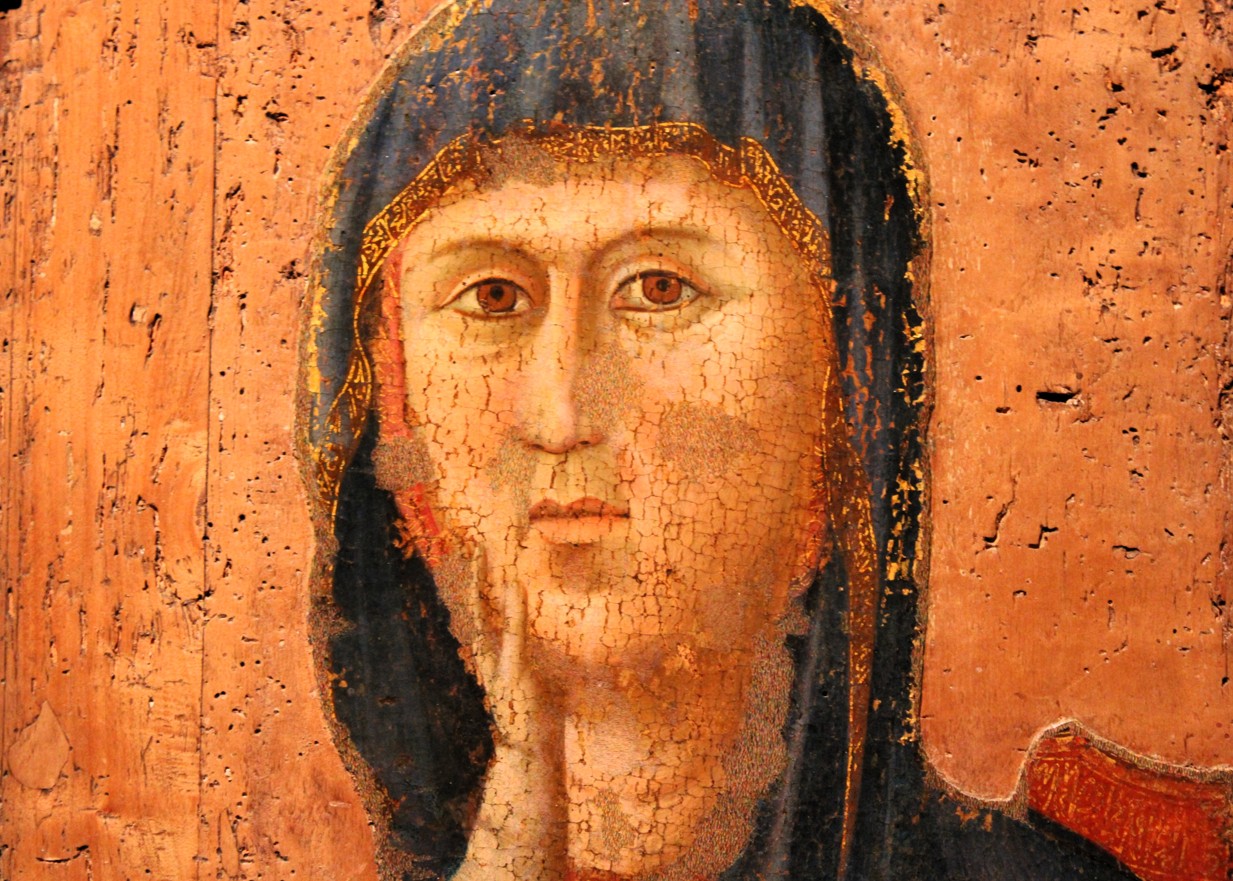
C’è un’opera piccola nelle dimensioni, ma di enorme valore per la storia dell’arte. È la Madonna col Bambino di Giotto, dipinta tra il 1285 e il 1290 e considerata la più antica tavola conosciuta del maestro fiorentino.
Oggi questo straordinario dipinto è al centro della mostra “Giotto e san Francesco. Una rivoluzione nell’Umbria del Trecento”, ospitata dalla Galleria Nazionale dell’Umbria. Un’occasione rara per osservare da vicino l’inizio della rivoluzione artistica che avrebbe cambiato per sempre la pittura occidentale.
Il dipinto che anticipa Assisi
La tavola nasce negli anni immediatamente precedenti al grande cantiere della Basilica di San Francesco d’Assisi, dove Giotto avrebbe ridefinito il linguaggio figurativo medievale.
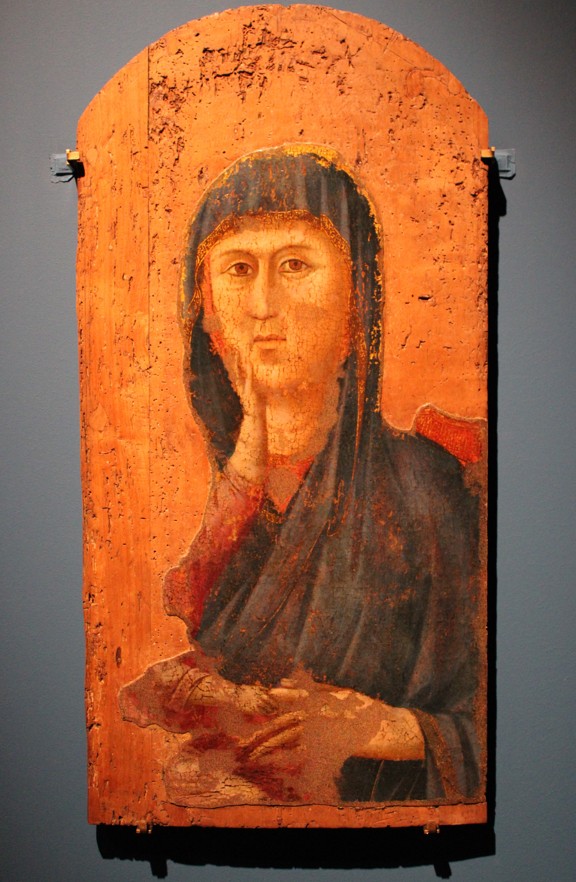
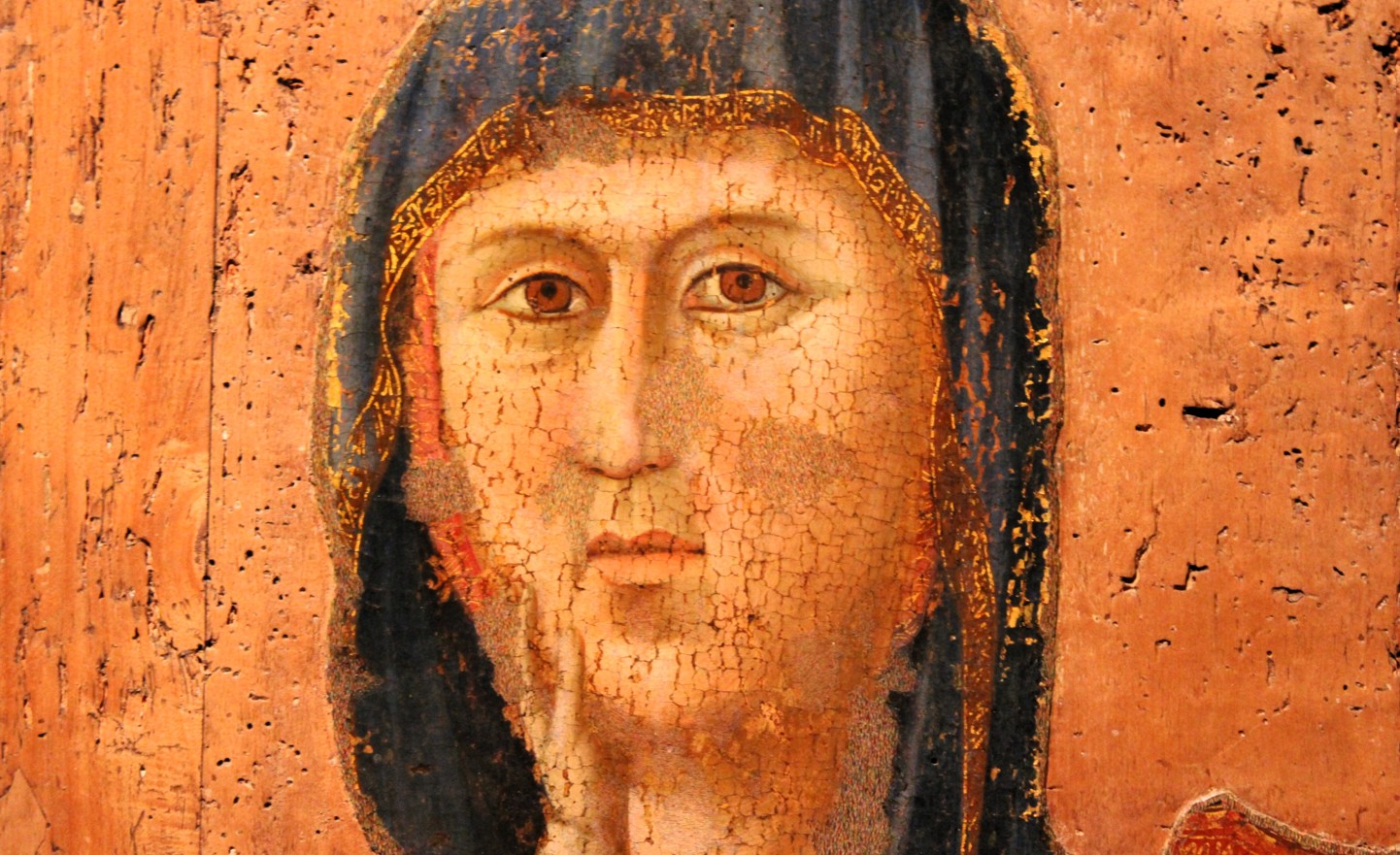
Si tratta di un frammento di una più ampia Maestà, ridotto nei secoli su tutti i lati, ma ancora potentissimo nella sua capacità espressiva. Basta osservare il volto della Vergine: severo, intenso, profondamente umano.
Accanto a lei, il Bambino compie un gesto tenerissimo, stringendosi alla madre con naturalezza. Un dettaglio che oggi può sembrare semplice, ma che alla fine del Duecento rappresentava una novità assoluta.
La rivoluzione della naturalezza
Prima di Giotto, molte immagini sacre apparivano lontane, astratte, quasi immobili. Con questa Madonna col Bambino, invece, l’emozione entra nella pittura.
L’artista costruisce figure vere, credibili, tridimensionali. I volumi del volto e dei panneggi emergono con forza grazie a una nuova attenzione alla luce e alla plasticità dei corpi.
In questa fase iniziale, Giotto guarda ai grandi maestri del suo tempo come Cimabue e Duccio di Buoninsegna, ma sviluppa già un linguaggio personale destinato a cambiare la storia dell’arte.
L’influenza della scultura e della Roma classica
Uno degli aspetti più sorprendenti della tavola è il sentimento che l’artista riesce a mettere al centro della scena.
È proprio qui che nasce la sua grande innovazione: trasformare la pittura in uno spazio vivo, concreto, abitato da figure reali.
La mostra da non perdere a Perugia
La presenza della Madonna col Bambino nella mostra della Galleria Nazionale dell’Umbria permette di riscoprire il momento esatto in cui la pittura medievale diventa moderna.
L’esposizione racconta infatti il rapporto tra Giotto e il mondo francescano, mostrando come l’artista abbia rivoluzionato il linguaggio figurativo del Trecento attraverso una nuova idea di umanità, spazio ed emozione.
Per gli appassionati d’arte, ma anche per chi vuole comprendere davvero l’origine della pittura moderna, questa tavola rappresenta una tappa fondamentale. Un’opera fragile e antichissima che, a oltre sette secoli di distanza, continua ancora a parlare con sorprendente immediatezza.
Per il momento il sempre vostro Michelangelo Buonarroti vi saluta dandovi appuntamento ai prossimi post e sui social.
Giotto before Assisi and his earliest Madonna
There is a work small in size, but of enormous value to the history of art. It is Giotto’s Madonna and Child, painted between 1285 and 1290 and considered the oldest known panel by the Florentine master.
Today, this extraordinary painting is the focus of the exhibition “Giotto and Saint Francis. A Revolution in Fourteenth-Century Umbria,” hosted by the Galleria Nazionale dell’Umbria. A rare opportunity to observe up close the beginning of the artistic revolution that would change Western painting forever.
The Painting That Anticipates Assisi
The panel was created in the years immediately preceding the major construction of the Basilica of Saint Francis in Assisi, where Giotto would redefine medieval figurative language.
It is a fragment of a larger Maestà, reduced in size over the centuries, but still powerful in its expressive power. Just look at the Virgin’s face: severe, intense, profoundly human.
Beside her, the Child makes a tender gesture, clinging to his mother with natural grace. A detail that may seem simple today, but at the end of the 13th century, it was a complete novelty.
The Revolution of Naturalness
Before Giotto, many sacred images appeared distant, abstract, almost immobile. With this Madonna and Child, however, emotion enters the painting.
The artist creates true, believable, three-dimensional figures. The volumes of the face and drapery emerge forcefully thanks to a new attention to light and the plasticity of the bodies.
In this initial phase, Giotto looked to the great masters of his time such as Cimabue and Duccio di Buoninsegna, but he was already developing a personal language destined to change the history of art.
The Influence of Sculpture and Classical Rome
One of the most striking aspects of the panel is the emotion the artist manages to place at the center of the scene.
This is precisely where his great innovation was born: transforming painting into a living, concrete space, inhabited by real figures.
The must-see exhibition in Perugia
The presence of the Madonna and Child in the exhibition at the Galleria Nazionale dell’Umbria allows us to rediscover the exact moment when medieval painting became modern.
The exhibition explores the relationship between Giotto and the Franciscan world, demonstrating how the artist revolutionized the figurative language of the fourteenth century through a new concept of humanity, space, and emotion.
For art lovers, but also for those who truly want to understand the origins of modern painting, this panel represents a fundamental milestone. A fragile and ancient work that, over seven centuries later, continues to speak with surprising immediacy.
For now, yours truly, Michelangelo Buonarroti bids farewell and invites you to join him in future posts and on social media.

Sostienici – Support Us
Se questo blog ti piace e ti appassiona, puoi aiutarci a farlo crescere sempre più sostenendoci in modo concreto condividendo i post, seguendo le pagine social e con un contributo che ci aiuta ad andare avanti con il nostro lavoro di divulgazione. . ENGLISH: If you like and are passionate about this blog, you can help us make it grow more and more by supporting us in a concrete way by sharing posts, following social pages and with a contribution that helps us to move forward with our dissemination work.
10,00 €
Condividi:


Questo sono io




sostienici

Sostienici – Support Us
Se questo blog ti piace e ti appassiona, puoi aiutarci a farlo crescere sempre più sostenendoci in modo concreto condividendo i post, seguendo le pagine social e con un contributo che ci aiuta ad andare avanti con il nostro lavoro di divulgazione. . ENGLISH: If you like and are passionate about this blog, you can help us make it grow more and more by supporting us in a concrete way by sharing posts, following social pages and with a contribution that helps us to move forward with our dissemination work.
€10,00


