

I più grandi falsi della storia dell’arte: storie incredibili, truffe milionarie e il confine sottile tra genio e inganno
Nel mondo dell’arte esiste un paradosso affascinante: alcune opere false non solo riescono a ingannare esperti e collezionisti, ma finiscono per diventare più celebri degli originali che imitano.
Il falso, da semplice copia illegittima, si trasforma in fenomeno culturale, capace di mettere in discussione tutto ciò che pensiamo di sapere sul valore artistico. Non è solo una questione di tecnica, ma di percezione, narrazione e potere.
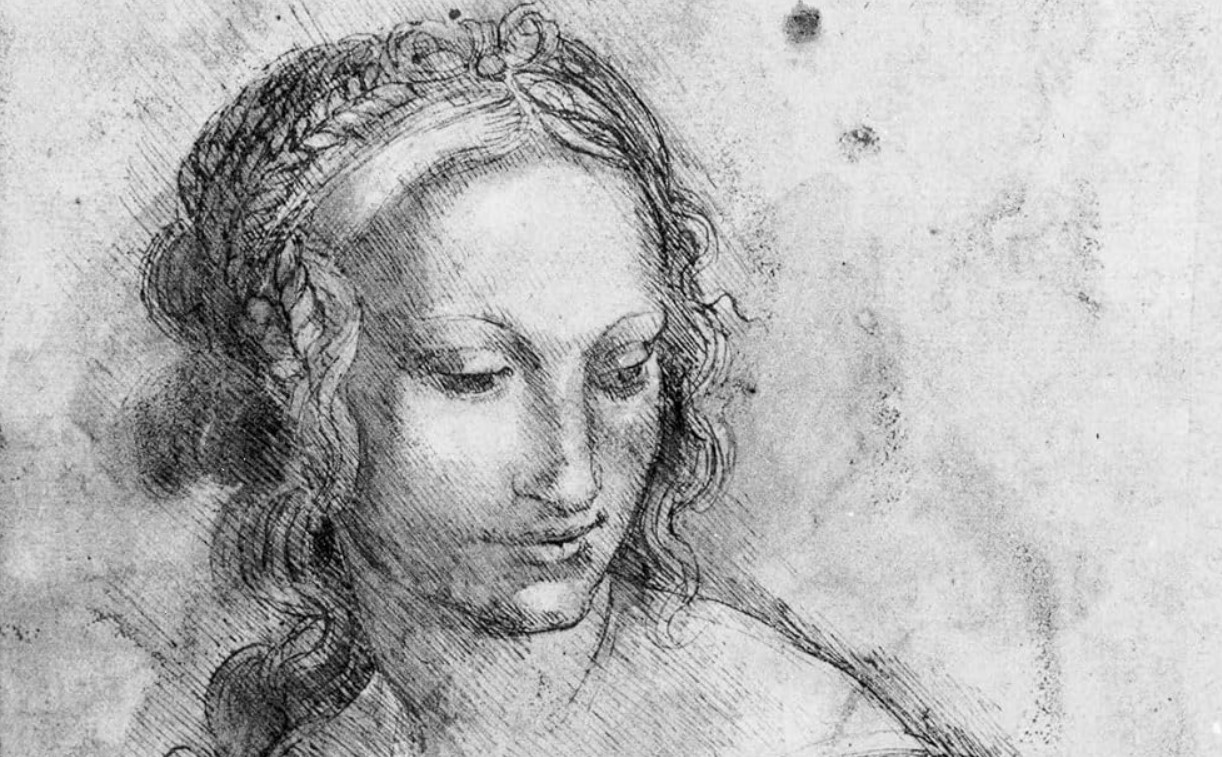
I grandi falsari che hanno ingannato il sistema
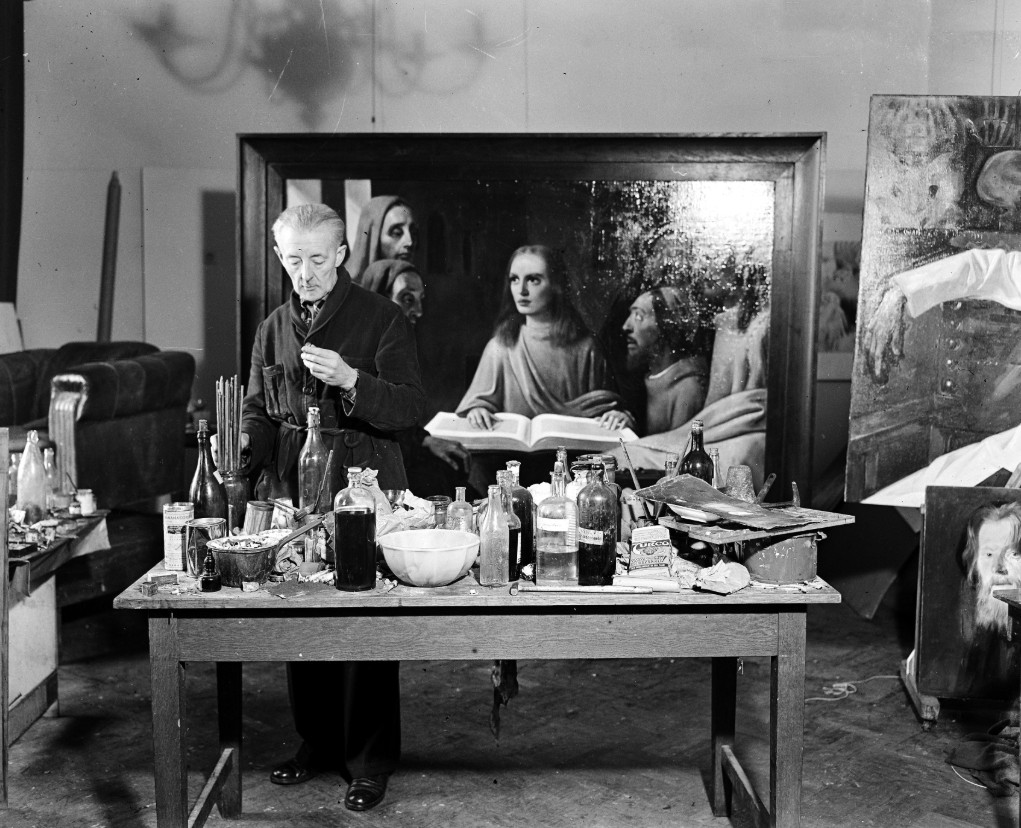
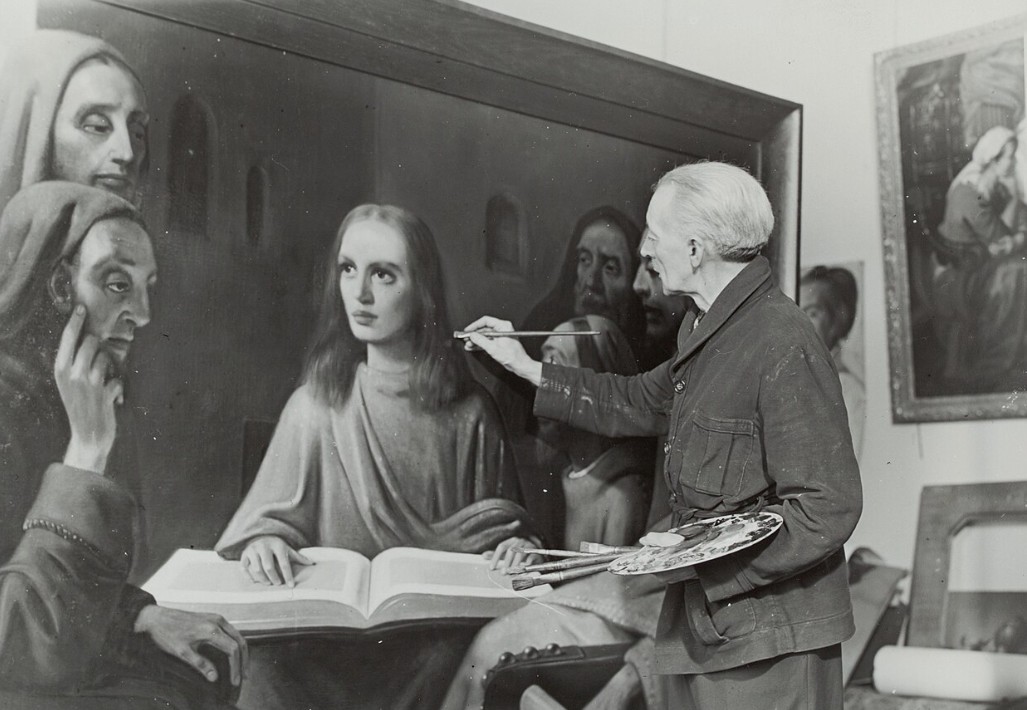
Tra le storie più incredibili emerge quella di Han van Meegeren, capace di creare falsi dipinti attribuiti a Johannes Vermeer talmente convincenti da essere considerati autentici per anni. Il suo talento non stava solo nella pittura, ma nella capacità di ricreare materiali, stili e perfino l’invecchiamento delle opere. Quando fu scoperto, il mondo dell’arte si trovò di fronte a una verità scomoda: gli esperti erano stati ingannati non da un dilettante, ma da un artista straordinario.
Un altro caso emblematico è quello di Wolfgang Beltracchi, che per decenni ha prodotto opere attribuite a grandi maestri del Novecento, inserendole nel mercato internazionale con storie inventate ma credibili.
Le sue opere non erano semplici copie, bensì creazioni originali “nello stile di”, tanto da sollevare una domanda destabilizzante: se un’opera emoziona ed è indistinguibile da un originale, quanto conta davvero la firma?
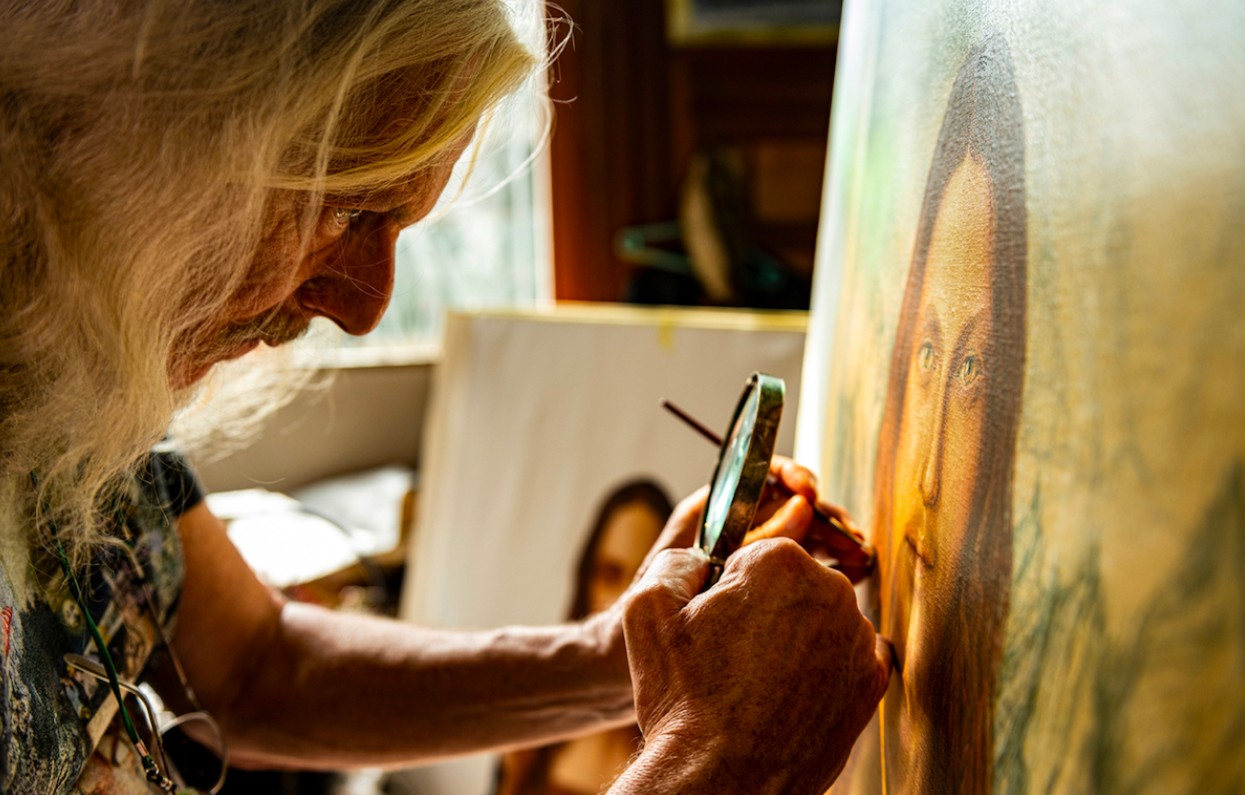
Come funziona davvero il mercato dei falsi
Il successo di un falso non dipende solo dall’abilità tecnica, ma da un sistema complesso fatto di gallerie, case d’asta, esperti e collezionisti. Il valore di un’opera non è determinato esclusivamente dalla sua qualità estetica, ma dalla sua provenienza, dalla documentazione e dalla fiducia che circonda il suo autore. Quando uno di questi elementi viene manipolato, l’intero sistema può crollare.
Il mercato dell’arte, spesso percepito come elitario e inaccessibile, si rivela vulnerabile proprio perché basato su dinamiche di fiducia e prestigio.
I falsari più abili non si limitano a creare opere convincenti, ma costruiscono vere e proprie identità fittizie per i loro lavori, inserendoli in contesti storici plausibili.
Perché continuiamo a cadere nell’inganno
La domanda più interessante non è come sia possibile creare un falso perfetto, ma perché continuiamo a crederci. Una parte della risposta risiede nel desiderio umano di possedere qualcosa di unico e riconosciuto. Quando un’opera viene dichiarata autentica, il suo valore cresce non solo economicamente, ma anche simbolicamente.
In molti casi, il giudizio estetico viene influenzato dal nome dell’artista. Un dipinto attribuito a Pablo Picasso o Amedeo Modigliani viene automaticamente percepito come più importante, più bello, più degno di attenzione. Il falso sfrutta proprio questa dinamica, dimostrando quanto il contesto possa influenzare la nostra percezione.
Il confine sottile tra truffa e arte
Esiste una zona grigia in cui il falso smette di essere solo una truffa e diventa un’opera con un proprio valore. Alcuni falsari, una volta scoperti, sono stati rivalutati come artisti a tutti gli effetti, capaci di mettere in crisi il sistema dell’arte dall’interno. Le loro opere, inizialmente rifiutate, finiscono per essere esposte nei musei proprio per il loro valore storico e concettuale.
Questo solleva una questione provocatoria: è più importante l’autenticità o l’emozione che un’opera suscita? Se un dipinto riesce a colpire lo spettatore, a prescindere dalla sua origine, possiamo davvero considerarlo “inferiore”?
Il futuro dei falsi nell’era digitale
Oggi, con l’avanzare della tecnologia, il fenomeno dei falsi sta assumendo nuove forme. Analisi scientifiche sempre più sofisticate rendono più difficile ingannare gli esperti, ma allo stesso tempo strumenti digitali avanzati aprono nuove possibilità per la creazione e la diffusione di opere contraffatte.
Il confine tra originale e copia si fa sempre più labile, soprattutto in un’epoca in cui l’arte stessa si sta smaterializzando. In questo scenario, il falso non è più solo una minaccia, ma anche uno specchio delle contraddizioni del sistema artistico contemporaneo.
Le grandi truffe dell’arte sono anche un’occasione per riflettere su cosa attribuiamo valore. Ci costringono a chiederci se amiamo davvero l’arte per ciò che è, o per ciò che rappresenta. E, forse, la risposta è più scomoda di quanto immaginiamo: il valore dell’arte non è mai oggettivo, ma nasce dall’incontro tra opera, contesto e sguardo di chi osserva.
Libri da leggere sui falsi e i falsari dell’arte
Per approfondire questo lato affascinante e ambiguo del mondo artistico, esistono diversi libri che raccontano storie vere, indagini e retroscena sorprendenti.
“L’arte della truffa” di Noah Charney è uno dei testi più coinvolgenti sul tema: esplora grandi inganni e furti nel mondo dell’arte con un taglio narrativo accessibile e avvincente.
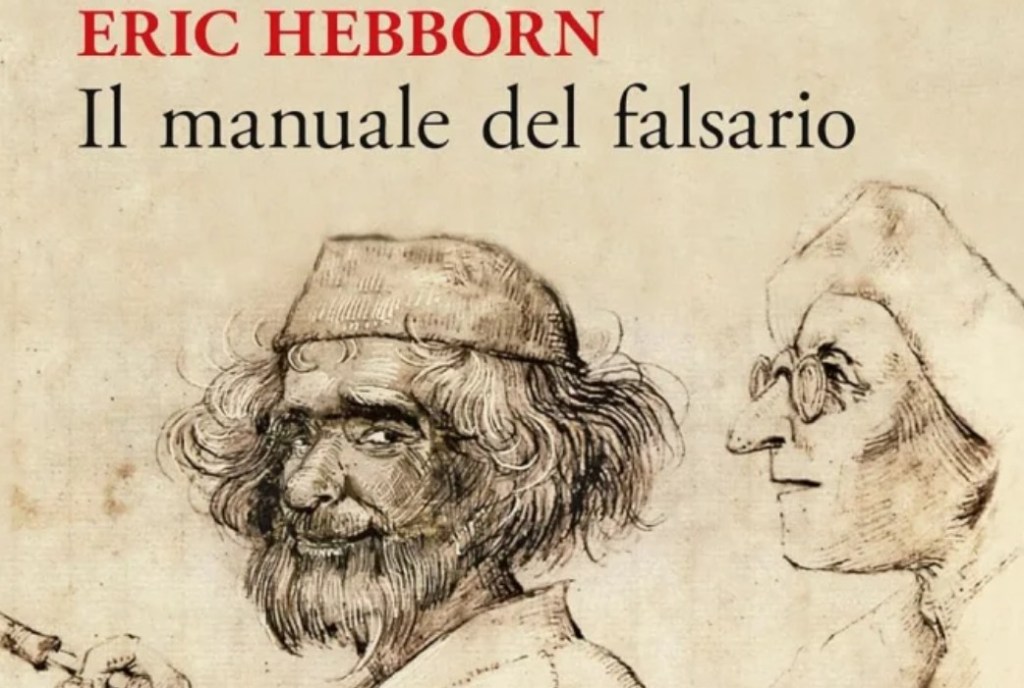
‘Il Manuale del falsario’ di Eric Hebborn fu scritto dallo stesso falsario Hebborn che produsse circa 1.000 falsi disegni di famosissimi artisti, da me a Raffaello, a Rubens, Van Dyck, Poussin, Tiepolo. Ho scritto la recensione sul volume QUA.
‘Il falso nell’arte. Alceo Dossena e la scultura italiana nel Rinascimento’ di Dario del Bufalo è dedicato a Dossena, “autentico falsario” e autore di una ricca produzione di opere scultoree realizzate nello stile e con le tecniche dei maestri antichi e rinascimentali.
Infine, “Falsari, falsi e furti nell’arte” di Silvio Gorelli è un’ottima introduzione al tema, ricca di esempi e riflessioni sul concetto stesso di autenticità.
Queste letture permettono di entrare ancora più a fondo in un mondo dove verità e finzione si intrecciano continuamente, lasciando aperta una domanda che resta senza risposta definitiva: cosa rende davvero autentica un’opera d’arte?
Per il momento il sempre vostro Michelangelo Buonarroti vi saluta dandovi appuntamento ai prossimi post e sui social.
The Greatest Forgeries in Art History: Incredible Stories, Million-Dollar Scams, and the Fine Line Between Genius and Deception
There’s a fascinating paradox in the art world: some fake works not only fool experts and collectors, but end up becoming more famous than the originals they imitate. From a simple illegitimate copy, the forgery transforms into a cultural phenomenon, capable of challenging everything we think we know about artistic value. It’s not just a question of technique, but of perception, narrative, and power.
The Great Forgers Who Cheated the System
Among the most incredible stories is that of Han van Meegeren, capable of creating fake paintings attributed to Johannes Vermeer that were so convincing that they were considered authentic for years. His talent lay not only in his painting, but in his ability to recreate materials, styles, and even the aging of the works. When he was discovered, the art world was faced with an uncomfortable truth: the experts had been fooled not by an amateur, but by an extraordinary artist.
Another emblematic case is that of Wolfgang Beltracchi, who for decades produced works attributed to great 20th-century masters, introducing them to the international market with invented but credible stories. His works were not simple copies, but rather original creations “in the style of,” raising a destabilizing question: if a work is moving and indistinguishable from an original, how important is the signature?
How the Fake Market Really Works
The success of a fake depends not only on technical skill, but on a complex system of galleries, auction houses, experts, and collectors. The value of a work is determined not solely by its aesthetic quality, but by its provenance, documentation, and the trust surrounding its creator. When any one of these elements is manipulated, the entire system can collapse.
The art market, often perceived as elitist and inaccessible, proves vulnerable precisely because it is based on dynamics of trust and prestige. The most skilled forgers don’t just create convincing works; they construct fictitious identities for their works, placing them in plausible historical contexts.
Why We Keep Falling for Deception
The most interesting question is not how a perfect fake can be created, but why we continue to believe it. Part of the answer lies in the human desire to own something unique and recognized. When a work is declared authentic, its value increases not only financially but also symbolically.
In many cases, aesthetic judgment is influenced by the artist’s name. A painting attributed to Pablo Picasso or Amedeo Modigliani is automatically perceived as more important, more beautiful, more worthy of attention. Forgery exploits this very dynamic, demonstrating how context can influence our perception.
The Fine Line Between Fraud and Art
There’s a gray area where a fake ceases to be just a scam and becomes a work with its own value. Some forgers, once discovered, have been re-evaluated as artists in their own right, capable of challenging the art system from within. Their works, initially rejected, end up being exhibited in museums precisely for their historical and conceptual value.
This raises a provocative question: is authenticity more important than the emotion a work evokes? If a painting manages to captivate the viewer, regardless of its origin, can we really consider it “inferior”?
The Future of Fakes in the Digital Age
Today, with the advancement of technology, the phenomenon of fakes is taking on new forms. Increasingly sophisticated scientific analyses make it more difficult to fool experts, but at the same time, advanced digital tools are opening up new possibilities for the creation and distribution of counterfeit works.
The line between original and copy is becoming increasingly blurred, especially in an era when art itself is dematerializing. In this scenario, the fake is no longer just a threat, but also a mirror of the contradictions of the contemporary art system.
The great art scams are also an opportunity to reflect on what we value. They force us to ask ourselves whether we truly love art for what it is, or for what it represents. And perhaps the answer is more uncomfortable than we imagine: the value of art is never objective, but arises from the encounter between the work, its context, and the observer’s gaze.
Books to read about art fakes and forgers
To delve deeper into this fascinating and ambiguous side of the art world, there are several books that tell true stories, investigations, and surprising behind-the-scenes insights.
Noah Charney’s “The Art of the Scam” is one of the most engaging texts on the subject: it explores major deceptions and thefts in the art world with an accessible and compelling narrative.
Eric Hebborn’s “The Forger’s Handbook” was written by the forger Hebborn himself, who produced approximately 1,000 fake drawings by famous artists, from me to Raphael, Rubens, Van Dyck, Poussin, and Tiepolo. I wrote a review of the book HERE.
“Forgery in Art: Alceo Dossena and Italian Sculpture in the Renaissance” by Dario del Bufalo is dedicated to Dossena, an “authentic forger” and the author of a rich body of sculpture created in the style and techniques of ancient and Renaissance masters.
Finally, Silvio Gorelli’s “Forgers, Fakes, and Thefts in Art” is an excellent introduction to the topic, rich in examples and reflections on the very concept of authenticity.
These readings allow us to delve even deeper into a world where truth and fiction are constantly intertwined, leaving open a question that remains unanswered: what makes a work of art truly authentic?
For now, yours truly, Michelangelo Buonarroti, bids farewell and invites you to join him in future posts and on social media.

Sostienici – Support Us
Se questo blog ti piace e ti appassiona, puoi aiutarci a farlo crescere sempre più sostenendoci in modo concreto condividendo i post, seguendo le pagine social e con un contributo che ci aiuta ad andare avanti con il nostro lavoro di divulgazione. . ENGLISH: If you like and are passionate about this blog, you can help us make it grow more and more by supporting us in a concrete way by sharing posts, following social pages and with a contribution that helps us to move forward with our dissemination work.
10,00 €
Articoli
Condividi:


Questo sono io




sostienici

Sostienici – Support Us
Se questo blog ti piace e ti appassiona, puoi aiutarci a farlo crescere sempre più sostenendoci in modo concreto condividendo i post, seguendo le pagine social e con un contributo che ci aiuta ad andare avanti con il nostro lavoro di divulgazione. . ENGLISH: If you like and are passionate about this blog, you can help us make it grow more and more by supporting us in a concrete way by sharing posts, following social pages and with a contribution that helps us to move forward with our dissemination work.
€10,00


