
Le tinte fosche della Sistina, apprezzate come tali nell’Ottocento
Il restauro della volta della Cappella Sistina ebbe inizio nel giugno del 1980. La pulitura degli affreschi permise di riportare alla luce l’autentico colore che da secoli era stato celato da strati di colla animale, polvere e depositi di altra natura.
Non solo.

Nel corso dei decenni, soprattutto il Giudizio Universale, era stato sottoposto a un gran numero di interventi e manomissioni talmente importanti che avevano indotto a pensare che l’affresco in realtà fosse stato dipinto a secco.
I problemi statici della Sistina che aveva avuto dal momento della sua edificazione, avevano causato inoltre importanti danni anche alla superficie pittorica.
La realizzazione degli affreschi della volta mi fu affidata infatti proprio dopo che il cielo stellato di Piermatteo d’Amelia era stato rovinato da una brutta e profonda crepa che lo attraversava. Per rimediare a quel disastro, nel 1504, vennero messe in opera 12 catene che però non risolsero alla base il problema.

Anni dopo, quando oramai avevo affrescato l’intera volta, crollò l’architrave. Era il 1522 e diverse parti dei miei affreschi subirono danni importanti, soprattutto dovuti alle infiltrazioni di acqua piovana dal tetto.
Solo nel 1564 i problemi strutturali furono risolti in via definitiva grazie all’intervento di Pirro Ligorio e al Vignola.

Nell’Ottocento le mie pitture erano diventate talmente scure da essere a tratti illeggibili.
Non fu certo mia volontà quella di adoperare colori tetri ma il nerofumo delle candele e dei bracieri che via via si andavano a depositare su quei corpi affrescati, sulle vesti cangianti delle Sibille e dei Profeti, avevano alterato completamente la cromia originale.

Provate a immaginare la descrizione che veniva fatta del mio essere ombroso, schivo e tormentato abbinandola ai colori che presentavano la volta e il Giudizio.
Ebbene, soprattutto nel periodo romantico fu esaltato questo ‘mio modo’ di dipingere a tinte fosche, quasi fosse lo specchio dell’animo mio. In realtà i colori sotto la coltre scura erano ben altri.
A volte mi piacerebbe riportare un letterato dell’Ottocento a vedere le mie pitture adesso.
Per il momento il sempre vostro Michelangelo Buonarroti vi saluta dandovi appuntamento ai prossimi post e sui social.
© Riproduzione riservata

The dark colors of the Sistine Chapel, appreciated as such in the nineteenth century
The restoration of the vault of the Sistine Chapel began in June 1980. The cleaning of the frescoes brought to light the authentic color that for centuries had been hidden by layers of animal glue, dust and deposits of other nature.
And not only that.
Over the decades, especially the Last Judgement, had been subjected to a large number of interventions and tampering so important that they had led to the belief that the fresco had actually been painted a secco.
The static problems that the Sistine Chapel had had since its construction had also caused significant damage to the painted surface.
In fact, the creation of the frescoes of the vault was entrusted to me just after Piermatteo d’Amelia’s starry sky had been ruined by an ugly and deep crack that ran through it. To remedy that disaster, in 1504, 12 chains were put in place, but they did not solve the problem at its root.
Years later, when I had frescoed the entire vault, the architrave collapsed. It was 1522 and several parts of my frescoes suffered significant damage, especially due to rainwater infiltration from the roof.
Only in 1564 were the structural problems definitively resolved thanks to the intervention of Pirro Ligorio and Vignola.
In the nineteenth century my paintings had become so dark that they were sometimes illegible.
It was certainly not my will to use dark colors, but the soot from the candles and braziers that were gradually deposited on those frescoed bodies, on the iridescent robes of the Sibyls and Prophets, had completely altered the original color.
Try to imagine the description that was made of my being gloomy, shy and tormented, matching it with the colors that the vault and the Last Judgement presented.
Well, especially in the Romantic period this ‘my way’ of painting in dark colors was exalted, almost as if it were the mirror of my soul. In reality the colors under the dark blanket were very different.
Sometimes I would like to bring a 19th century man of letters back to see my paintings now.
For the moment, your always Michelangelo Buonarroti says goodbye to you, making an appointment with you in the next posts and on social media.
© Reproduction reserved

Sostienici – Support Us
Se questo blog ti piace e ti appassiona, puoi aiutarci a farlo crescere sempre più sostenendoci in modo concreto condividendo i post, seguendo le pagine social e con un contributo che ci aiuta ad andare avanti con il nostro lavoro di divulgazione. . ENGLISH: If you like and are passionate about this blog, you can help us make it grow more and more by supporting us in a concrete way by sharing posts, following social pages and with a contribution that helps us to move forward with our dissemination work.
10,00 €
-
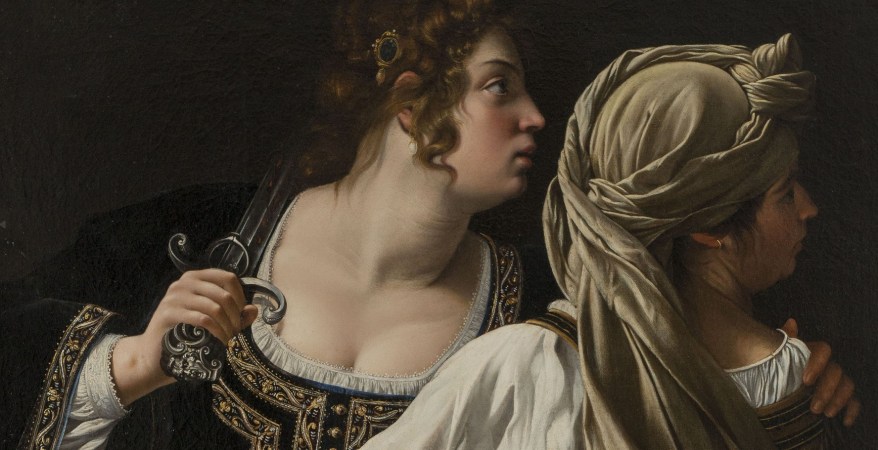
Artemisia Gentileschi, a Firenze una mostra eccezionale: oltre 50 opere e Caravaggio
🇮🇹Artemisia Gentileschi a Firenze: oltre 50 opere al Museo degli Innocenti dal 20 ottobre 2026. In mostra Giuditta, l’Allegoria dell’Inclinazione e due capolavori di Caravaggio… 🇬🇧Artemisia Gentileschi in Florence: over 50 works at the Museo degli Innocenti starting October 20, 2026. On display are Judith, the Allegory of Inclination* and two masterpieces by Caravaggio…
-
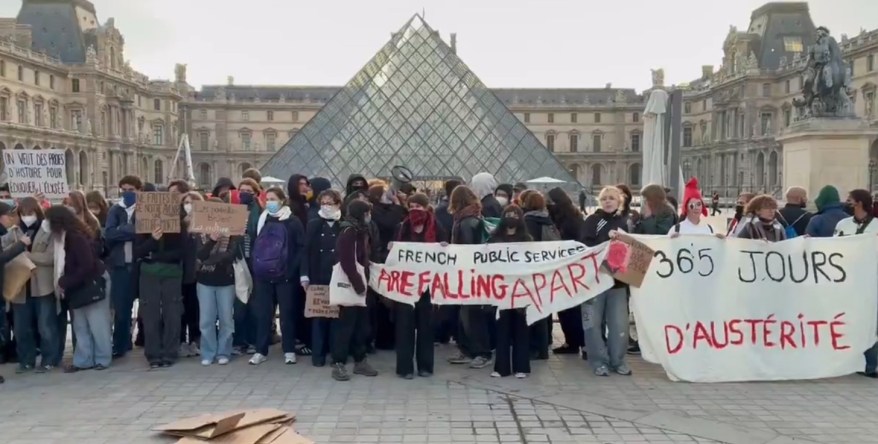
Louvre bloccato dalle proteste in Francia: museo chiuso
🇮🇹Il Museo del Louvre chiude, bloccato dalle proteste. Il museo più visitato al mondo non ha potuto aprire regolarmente questa mattina. A Parigi, un gruppo di studenti ha bloccato gli ingressi del Louvre per esprimere solidarietà al movimento dei liceali e denunciare la repressione della polizia… 🇬🇧The Louvre Museum is closed, blocked by protests. The…
-
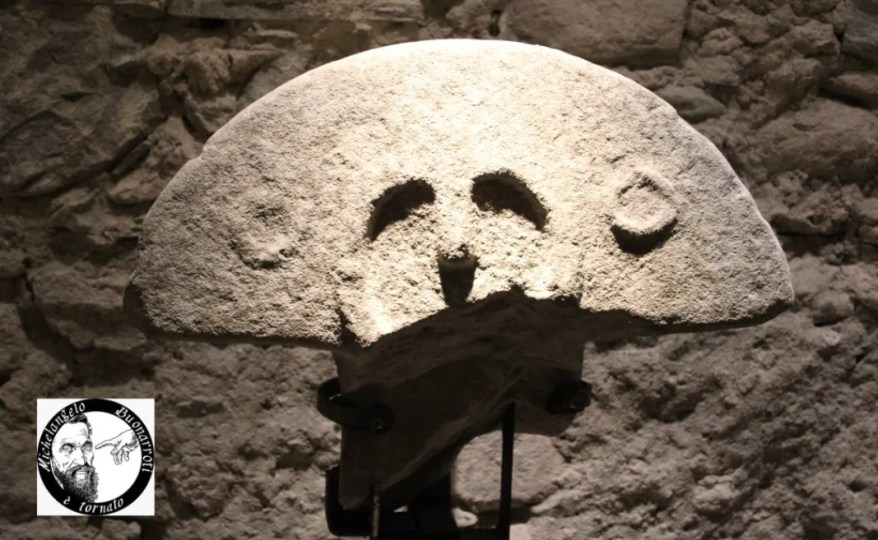
Pontremoli: il fascino silenzioso delle Statue Stele e il profumo dell’Amor
🇮🇹Ritorno al Castello del Piagnaro a Pontremoli: una visita al Museo delle Statue Stele Lunigianesi tra misteriosi volti di pietra e la dolce sosta all’Amor Pontremoli… 🇬🇧A return to the Castle of Piagnaro in Pontremoli: a visit to the Museum of the Lunigiana Stele Statues, amidst mysterious stone faces, followed by a delightful stop for…
Condividi:


Questo sono io





sostienici

Sostienici – Support Us
Se questo blog ti piace e ti appassiona, puoi aiutarci a farlo crescere sempre più sostenendoci in modo concreto condividendo i post, seguendo le pagine social e con un contributo che ci aiuta ad andare avanti con il nostro lavoro di divulgazione. . ENGLISH: If you like and are passionate about this blog, you can help us make it grow more and more by supporting us in a concrete way by sharing posts, following social pages and with a contribution that helps us to move forward with our dissemination work.
€10,00


