

Per una battuta sul David, Netflix dovrà sborsare 420mila euro
Il mio David è finito al centro di una controversia per una battuta sulle dimensioni dei suoi genitali.
Si tratta di una battuta pronunciata in un film, di un’immagine utilizzata senza autorizzazione e di una condanna da 420mila euro inflitta a Netflix e alle società coinvolte nella produzione di 6 Underground.
La Corte d’Appello di Firenze, con la sentenza n. 2906/2026 pubblicata l’8 ottobre, ha stabilito che quella sequenza non può essere considerata una semplice manifestazione del diritto di satira. Secondo i giudici, le battute e le inquadrature scelte finiscono per denigrare il David e ledere l’identità collettiva che il capolavoro rappresenta.
Andiamo con ordine.

Come è nata la controversia: il David inserito nel film senza autorizzazione
Il 3 luglio del 2018 Panorama Films, anche per conto di Eagle Pictures, si rivolse alla Galleria dell’Accademia di Firenze per chiedere il permesso di effettuare alcune riprese nella Tribuna che ospita il mio David.
La risposta del museo arrivò il 5 settembre: per ottenere l’autorizzazione erano richiesti un corrispettivo di 400mila euro e una polizza assicurativa da cinque milioni di euro.
Le società di produzione non accettarono le condizioni economiche. Quando però Eppure, quando nel dicembre 2019 uscì 6 Underground, il film diretto da Michael Bay e interpretato da Ryan Reynolds, il mio David comparve ugualmente sullo schermo.
Come? Non attraverso riprese effettuate all’interno del museo, ma grazie alla tecnologia digitale. La mia scultura venne inserita successivamente nelle immagini, durante la post-produzione.
Un dettaglio che si è rivelato fondamentale nella controversia giudiziaria: secondo la Corte, anche la riproduzione digitale di un bene culturale pubblico, effettuata senza entrare in contatto con l’originale, può richiedere un’autorizzazione e il pagamento di un corrispettivo.
Il fatto che il David sia un’opera del Cinquecento, ormai libera dai diritti d’autore a quanto pare poco conta sulla controversia.
La battuta sul pene del David: 25 secondi che hanno fatto discutere
La scena contestata dura appena 25 secondi e compare intorno al minuto 16:55 del film. Durante un inseguimento automobilistico per le strade di Firenze, i protagonisti si ritrovano davanti al David e rischiano di travolgerlo.
A quel punto uno dei personaggi domanda se quella sia proprio la celebre scultura conosciuta per le dimensioni particolarmente ridotte del pene. L’interlocutore conferma. Subito dopo arriva un’altra battuta, nella quale viene proposto un confronto tra le proprie dimensioni e quelle della mia opera.
La Corte ha esaminato anche la regia e le inquadrature. Il David viene ripreso dal basso verso l’alto, con un’attenzione che, secondo i magistrati, porta deliberatamente lo spettatore a concentrarsi sui genitali della figura.
Anche lo sguardo di una delle passeggere, che continua a osservare la scultura dal finestrino dell’automobile, contribuisce a costruire il significato della sequenza.

Per i giudici, il messaggio trasmesso non è una critica artistica, né una riflessione ironica sui valori rappresentati dal David. Una rappresentazione denigratoria delle sue caratteristiche fisiche, con un’allusione alla presunta scarsa mascolinità della figura.
E qui si arriva al punto centrale della sentenza: la satira è libera, ma secondo la Corte non ogni battuta può essere giustificata invocando il diritto di satira. A dire il vero sulla questione rimango più che sorpreso.
Un’opera d’arte non può essere oggetto di ironia, critica o persino provocazione? La libertà di espressione e quella artistica sono principi fondamentali. Il problema, secondo la Corte d’Appello, è un altro.
I giudici hanno riconosciuto che il mio David non è soltanto una figura maschile scolpita nel marmo. È diventato nel corso dei secoli un simbolo di Firenze, della dignità umana, della forza morale e della libertà. Però mi domando, tutta questa attenzione alla dignità della figura del David e poi tra gli oggetti venduti in via ufficiale come gadget ancora compare la saponetta con il David (Cliccate qua).
Secondo la Corte, nella sequenza di 6 Underground non emerge alcun dissenso ragionato rispetto agli ideali che il David simboleggia. La battuta, accompagnata dalle scelte visive del regista, avrebbe una finalità esclusivamente denigratoria.
La Corte d’Appello ha riconosciuto anche un danno non patrimoniale legato alla lesione dell’identità collettiva rappresentata dall’opera.
La condanna: 420mila euro tra utilizzo non autorizzato e danno all’immagine
Nel 2022 il Ministero della Cultura aveva avviato un’azione giudiziaria contro Netflix Services Italy, Panorama Films ed Eagle Pictures, chiedendo complessivamente 4,4 milioni di euro.
Il Tribunale di Firenze, nel gennaio 2024, aveva condannato le società a un risarcimento di 1,02 milioni di euro.
Le società avevano successivamente presentato appello. La Corte d’Appello ha ridimensionato la somma, ma ha confermato la responsabilità delle tre società, condannandole in solido al pagamento di 420mila euro.
I 320mila euro derivano dai 400mila richiesti inizialmente dal museo, dai quali sono stati sottratti 80mila euro relativi alle riprese che non è stato necessario effettuare all’interno della Galleria dell’Accademia.
I restanti 100mila euro riguardano il danno non patrimoniale. In primo grado erano stati riconosciuti 700mila euro per questa voce, ma la Corte d’Appello ha ridotto sensibilmente l’importo.
La condanna riguarda solidalmente Netflix Services Italy, Panorama Films ed Eagle Pictures.
Netflix dovrà rimuovere le scene, non l’intero film
Dal 14 ottobre 2026 il film 6 Underground non risulta più disponibile sulla piattaforma italiana.
La Corte d’Appello non ha disposto la rimozione dell’intero film, come era avvenuto nella decisione di primo grado. Ha invece ordinato a Netflix di oscurare le sequenze nelle quali compare l’immagine del David, limitatamente al mercato italiano.
È stata inoltre confermata una penale di 30mila euro per ogni giorno di eventuale inadempimento.
Le società dovranno anche pubblicare un estratto della sentenza sul Corriere della Sera, sul Venerdì di Repubblica e sul Corriere Fiorentino, comprese le rispettive edizioni online, oltre che sui propri siti e canali social.
Un modo per rendere pubblica anche la decisione della magistratura e le ragioni che l’hanno determinata.
Per il momento il sempre vostro Michelangelo Buonarroti vi saluta dandovi appuntamento ai prossimi post e sui social.

Netflix to pay €420,000 over a joke about the David
My David has become the center of a controversy sparked by a joke regarding the size of his genitals.
The issue concerns a joke made in a film, the unauthorized use of an image, and a €420,000 judgment handed down against Netflix and the companies involved in the production of 6 Underground.
In its ruling no. 2906/2026, published on October 8, the Florence Court of Appeal determined that the sequence in question cannot be dismissed as a simple exercise of the right to satire. According to the judges, the specific jokes and camera angles chosen serve to denigrate the David and harm the collective identity that this masterpiece represents.
Let’s look at the sequence of events.
How the controversy began: the David featured in the film without authorization
On July 3, 2018, Panorama Films—acting also on behalf of Eagle Pictures—contacted the Galleria dell’Accademia in Florence to request permission to film within the Tribuna, the space that houses my David.
The museum responded on September 5, stating that authorization would be granted only upon payment of a €400,000 fee and the provision of a five-million-euro insurance policy.
The production companies did not accept these financial terms. Yet, when 6 Underground—directed by Michael Bay and starring Ryan Reynolds—was released in December 2019, my David appeared on screen nonetheless.
How? Not through footage captured inside the museum, but via digital technology. My sculpture was inserted into the imagery during post-production. A detail that proved crucial to the legal dispute: according to the Court, even the digital reproduction of a public cultural asset—created without any physical contact with the original—may require authorization and the payment of a fee.
The fact that the David is a 16th-century work, and thus no longer protected by copyright, appears to have little bearing on the case.
The joke about the David’s penis: 25 seconds that sparked debate
The scene in question lasts just 25 seconds and appears around the 16:55 mark of the film. During a car chase through the streets of Florence, the protagonists find themselves in front of the David and nearly collide with it.
At that point, one of the characters asks if this is indeed the famous sculpture known for the particularly small size of its penis. The other person confirms. Immediately afterward, another joke follows, in which a comparison is drawn between the characters’ own dimensions and those of the statue.
The Court also examined the direction and the camera angles. The David is filmed from a low angle—a choice that, according to the magistrates, deliberately directs the viewer’s focus toward the figure’s genitals.
Furthermore, the gaze of one of the passengers, who continues to watch the sculpture from the car window, contributes to the meaning of the sequence.
In the judges’ view, the message conveyed is neither artistic criticism nor an ironic reflection on the values represented by the David; rather, it is a disparaging depiction of its physical features, alluding to a perceived lack of masculinity in the figure.
And here we reach the core of the ruling: while satire is free, the Court maintains that not every joke can be justified by invoking the right to satire. To be honest, I find this position more than surprising. Can a work of art not be the subject of irony, criticism, or even provocation? Freedom of expression and artistic freedom are fundamental principles. The issue, according to the Court of Appeal, lies elsewhere.
The judges acknowledged that my David is not merely a male figure carved in marble. Over the centuries, it has become a symbol of Florence, human dignity, moral strength, and freedom. Yet, I must ask: given all this concern for the dignity of the David, why is a bar of soap featuring the David still sold as an official souvenir? (Click here).
According to the Court, the sequence in 6 Underground contains no reasoned dissent regarding the ideals that the David symbolizes. The joke, coupled with the director’s visual choices, serves an exclusively denigrating purpose.
The Court of Appeal also recognized non-pecuniary damages resulting from the harm caused to the collective identity represented by the work.
The ruling: 420,000 euros for unauthorized use and damage to the work’s image
In 2022, the Ministry of Culture initiated legal action against Netflix Services Italy, Panorama Films, and Eagle Pictures, seeking a total of 4.4 million euros.
In January 2024, the Court of Florence ordered the companies to pay 1.02 million euros in damages.
The companies subsequently filed an appeal. The Court of Appeal has reduced the amount, but confirmed the liability of the three companies, ordering them to pay 420,000 euros on a joint and several basis.
The 320,000-euro portion stems from the 400,000 euros originally requested by the museum, minus 80,000 euros for filming that ultimately did not need to take place inside the Accademia Gallery.
The remaining 100,000 euros pertain to non-pecuniary damages. In the first instance, 700,000 euros had been awarded under this heading, but the Court of Appeal has significantly reduced that amount.
The judgment holds Netflix Services Italy, Panorama Films, and Eagle Pictures jointly and severally liable.
Netflix must remove the specific scenes, not the entire film
As of October 14, 2026, the film 6 Underground will no longer be available on the Italian platform.
The Court of Appeal did not order the removal of the entire film—as had been the case in the initial ruling—but instead directed Netflix to obscure the sequences in which the image of the David appears, specifically for the Italian market.
Furthermore, a penalty of 30,000 euros has been set for each day of potential non-compliance.
The companies are also required to publish an excerpt of the judgment in Corriere della Sera, Il Venerdì di Repubblica, and Corriere Fiorentino—including their respective online editions—as well as on their own websites and social media channels.
This serves as a means to make the judiciary’s decision, and the reasoning behind it, a matter of public record.
For now, yours truly, Michelangelo Buonarroti, bids you farewell—until the next post, and see you on social media.
Sostienici – Support Us
Se questo blog ti piace e ti appassiona, puoi aiutarci a farlo crescere sempre più sostenendoci in modo concreto condividendo i post, seguendo le pagine social e con un contributo che ci aiuta ad andare avanti con il nostro lavoro di divulgazione. . ENGLISH: If you like and are passionate about this blog, you can help us make it grow more and more by supporting us in a concrete way by sharing posts, following social pages and with a contribution that helps us to move forward with our dissemination work.
10,00 €
Condividi:


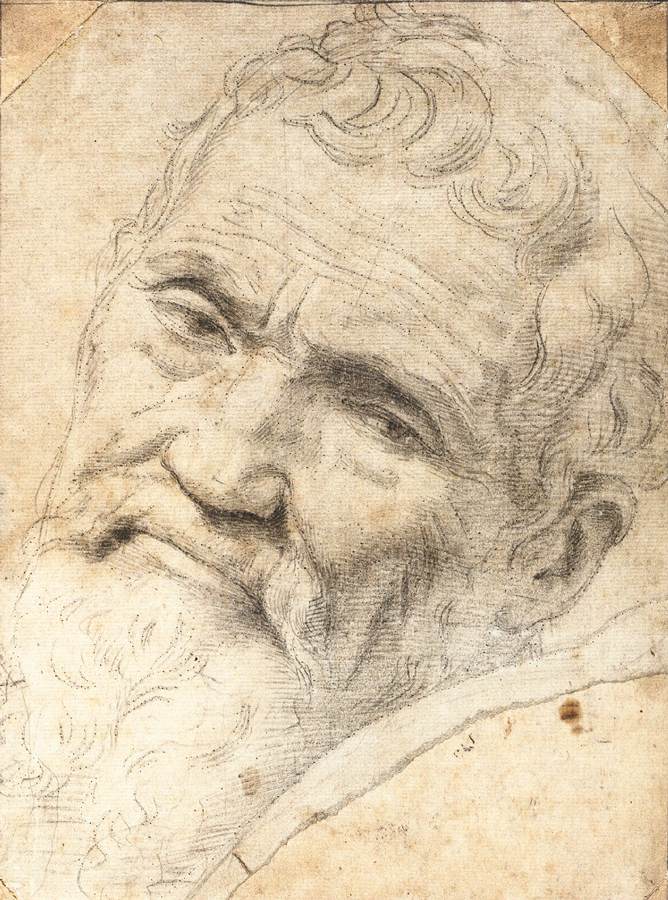
Questo sono io


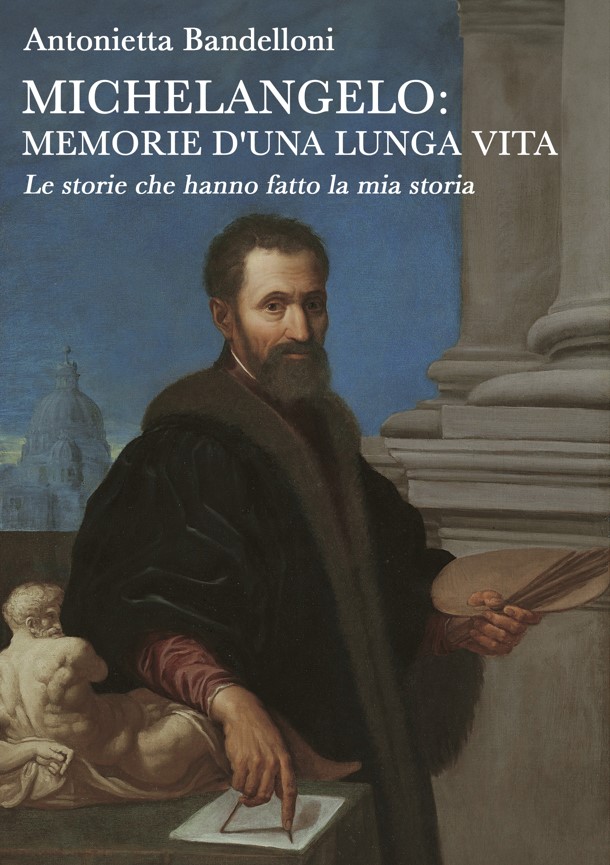

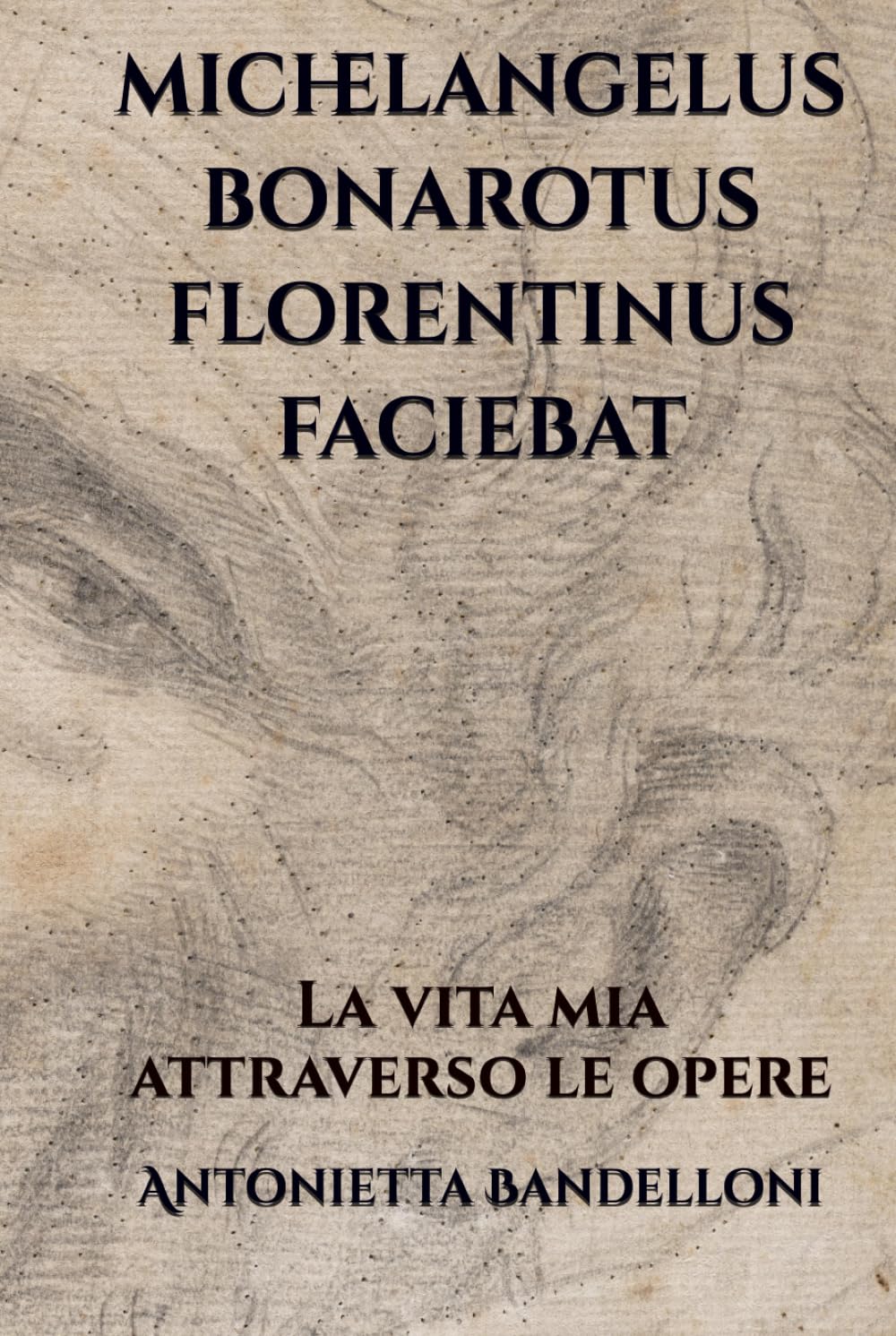
sostienici

Sostienici - Support Us
Se questo blog ti piace e ti appassiona, puoi aiutarci a farlo crescere sempre più sostenendoci in modo concreto condividendo i post, seguendo le pagine social e con un contributo che ci aiuta ad andare avanti con il nostro lavoro di divulgazione. . ENGLISH: If you like and are passionate about this blog, you can help us make it grow more and more by supporting us in a concrete way by sharing posts, following social pages and with a contribution that helps us to move forward with our dissemination work.
€10,00


