
La Scultura del giorno: la Morte di Adone del Mazzuoli
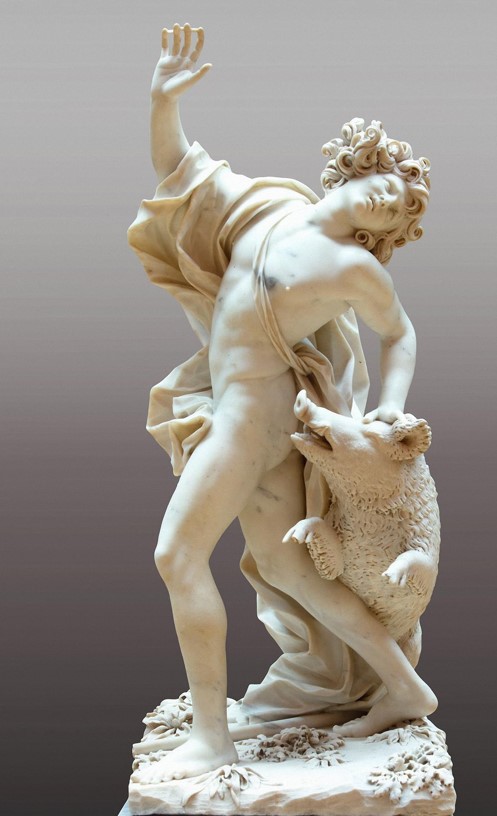
La scultura del giorno che vi propongo oggi è la Morte di Adone, opera realizzata da Giuseppe Mazzuoli nel 1709 adoperando il candido marmo di Carrara.
Adone, nella mitologia greca, era un giovane di straordinaria bellezza, amato sia da Afrodite, la dea della bellezza e dell’amore, sia da Persefone, regina degli Inferi.6
La contesa amorosa, indusse le dee a trovare un accordo: Adone avrebbe trascorso parte dell’anno con l’una e parte con l’altra.
La tragica fine
Durante il periodo in cui Adone si trovava assieme ad Afrodite, rimase vittima della sua passione per la caccia. Mentre era intento a inseguire una preda, incontrò un cinghiale.
Secondo alcune versioni del mito, il cinghiale era stato inviato da Ares, geloso della relazione tra Afrodite e Adone mentre altre versioni attribuiscono l’attacco alla dea Artemide, arrabbiata con Afrodite per la persecuzione subita da Ippolito.
Il cinghiale con le zanne ferì mortalmente Adone. Sentendolo gridare, Afrodite accorse in soccorso ma ormai era tardi. Il dolore della dea fu così intenso che le sue lacrime, cadendo sul corpo senza vita di Adone, si trasformarono in anemoni, i fiori che da allora sono associati alla sua memoria.

La scultura
Il Mazzuoli, con la sua scultura, volle rievocare il celebre mito. Osservando l’opera è evidente il fatto che si ispirò al gruppo scultoreo di Apollo e Dafne del Bernini. Osservate lo slancio del corpo di Adone così come il panneggio che presenta però pieghe più dure e forzate rispetto a quello berniniano.
Altro dettaglio degno di nota di questa scultura è la capigliatura: i riccioli scompigliati dal movimento di Adone hanno poco di naturale, un errore che Bernini non avrebbe potuto commettere.
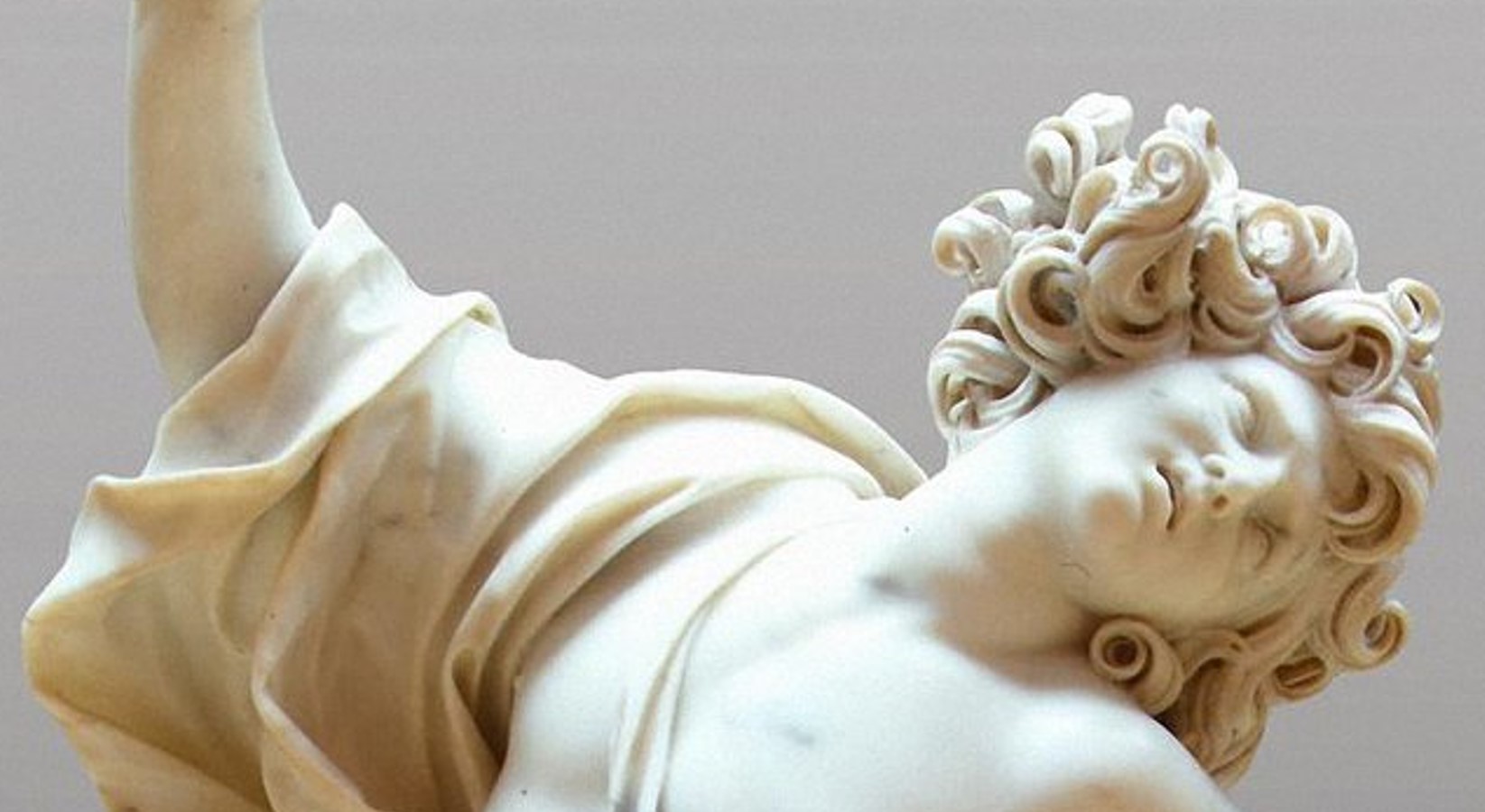
Di berniniana memoria anche la bocca semi dischiusa così come la fascia che gli attraversa il petto e che serve per sostenere il mantello.
La storia di Adone e Afrodite è una rappresentazione dell’amore passionale e della sua fragilità di fronte alla morte ma no solo. Ares e Artemide presenti nel mito sottolineano l’importanza della gelosia e della vendetta come cause di conflitto e tragedia.
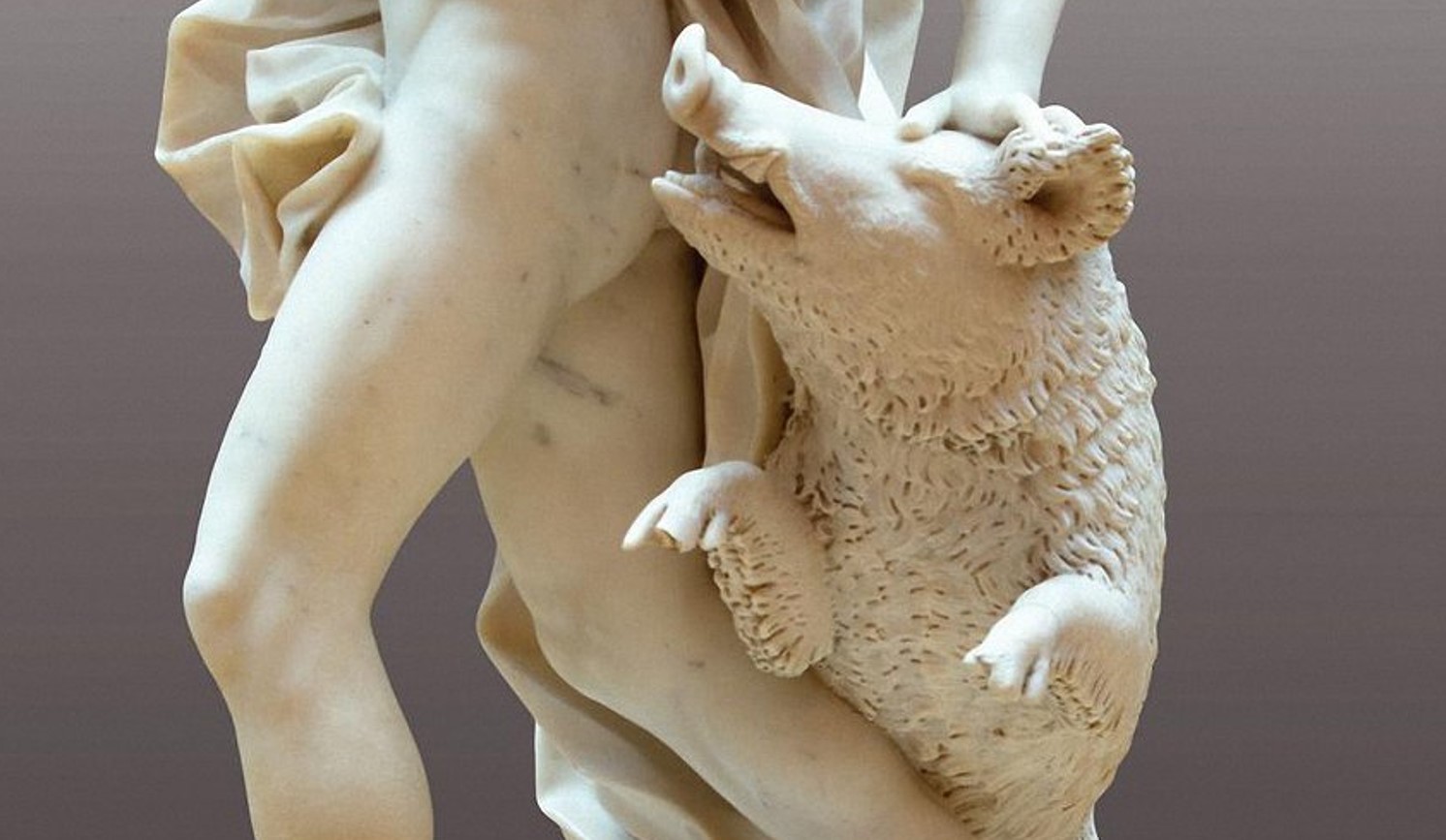
La scultura è custodita nel Museo dell’Hermitage di San Pietroburgo.
Per il momento il sempre vostro Michelangelo Buonarroti vi saluta dandovi appuntamento ai prossimi post e sui social.


Sostienici – Support Us
Se questo blog ti piace e ti appassiona, puoi aiutarci a farlo crescere sempre più sostenendoci in modo concreto condividendo i post, seguendo le pagine social e con un contributo che ci aiuta ad andare avanti con il nostro lavoro di divulgazione. . ENGLISH: If you like and are passionate about this blog, you can help us make it grow more and more by supporting us in a concrete way by sharing posts, following social pages and with a contribution that helps us to move forward with our dissemination work.
10,00 €
Sculpture of the day: The Death of Adonis by Mazzuoli
The sculpture of the day that I propose to you today is the Death of Adonis, a work created by Giuseppe Mazzuoli in 1709 using the white Carrara marble.
In Greek mythology, Adonis was a young man of extraordinary beauty, loved by both Aphrodite, the goddess of beauty and love, and by Persephone, queen of the Underworld. The amorous contest led the goddesses to reach an agreement: Adonis would spend part of the year with one and part with the other.
The tragic end
During the period in which Adonis was with Aphrodite, he fell victim to his passion for hunting. While he was intent on chasing a prey, he met a wild boar. According to some versions of the myth, the boar was sent by Ares, jealous of the relationship between Aphrodite and Adonis, while other versions attribute the attack to the goddess Artemis, angry with Aphrodite for the persecution suffered by Hippolytus.
The boar with its tusks mortally wounded Adonis. Hearing him scream, Aphrodite rushed to help but it was too late. The pain of the goddess was so intense that her tears, falling on Adonis’ lifeless body, turned into anemones, the flowers that have since been associated with his memory.
The sculpture
Mazzuoli, with his sculpture, wanted to recall the famous myth. Observing the work, it is clear that he was inspired by Bernini’s sculptural group of Apollo and Daphne. Observe the momentum of Adonis’ body as well as the drapery which, however, has harder and more forced folds than Bernini’s.
Another noteworthy detail of this sculpture is the hair: the curls disheveled by Adonis’ movement have little of the natural; a mistake that Bernini could not have made.
Also of Bernini’s memory is the half-open mouth as well as the band that crosses his chest and that serves to support the cloak.
The story of Adonis and Aphrodite is a representation of passionate love and its fragility in the face of death but not only. Ares and Artemis present in the myth underline the importance of jealousy and revenge as causes of conflict and tragedy.
The sculpture is kept in the Hermitage Museum in St. Petersburg.
For the moment, the always your Michelangelo Buonarroti bids you farewell, making an appointment with you in the next posts and on social media.
Sostienici – Support Us
Se questo blog ti piace e ti appassiona, puoi aiutarci a farlo crescere sempre più sostenendoci in modo concreto condividendo i post, seguendo le pagine social e con un contributo che ci aiuta ad andare avanti con il nostro lavoro di divulgazione. . ENGLISH: If you like and are passionate about this blog, you can help us make it grow more and more by supporting us in a concrete way by sharing posts, following social pages and with a contribution that helps us to move forward with our dissemination work.
10,00 €
-

Incendio al municipio di Limoges, crolla la torre dell’orologio: distrutto storico palazzo dell’Ottocento
🇮🇹Incendio a Limoges, il municipio storico è devastato: crollano il tetto e la torre dell’orologio alta 43 metri. Che cosa resta del patrimonio artistico? 🇬🇧Fire in Limoges: the historic town hall is devastated, with its roof and 43-meter-tall clock tower having collapsed. What remains of its artistic heritage?
-
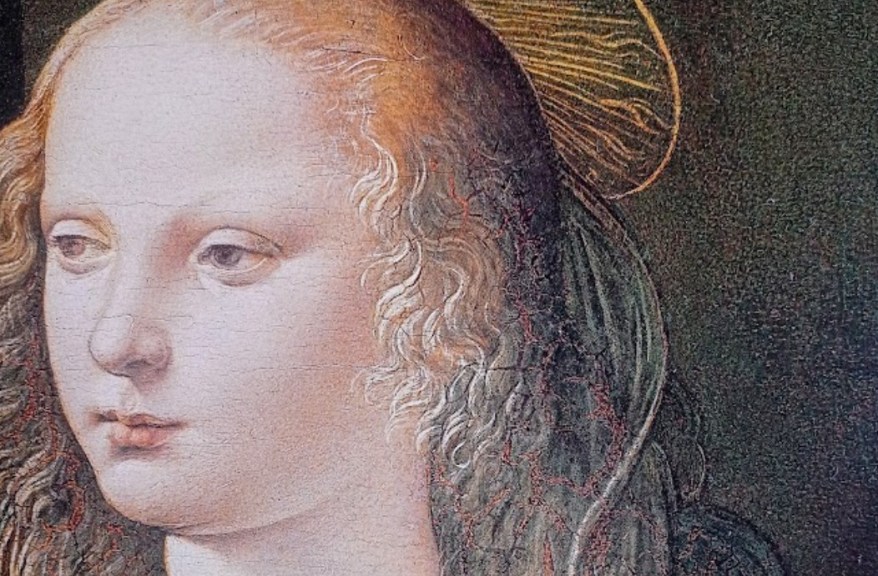
Prima di Gesù Bambino viene l’Annunciazione: i dipinti che raccontano l’inizio della storia di Natale
🇮🇹Prima di Gesù Bambino c’è l’Annunciazione: scopri i dipinti più celebri di Leonardo, Beato Angelico e Simone Martini e i simboli nascosti nell’arte cristiana… 🇬🇧Before the Christ Child comes the Annunciation: discover the most famous paintings by Leonardo, Fra Angelico, and Simone Martini, and the symbols hidden within Christian art…
-
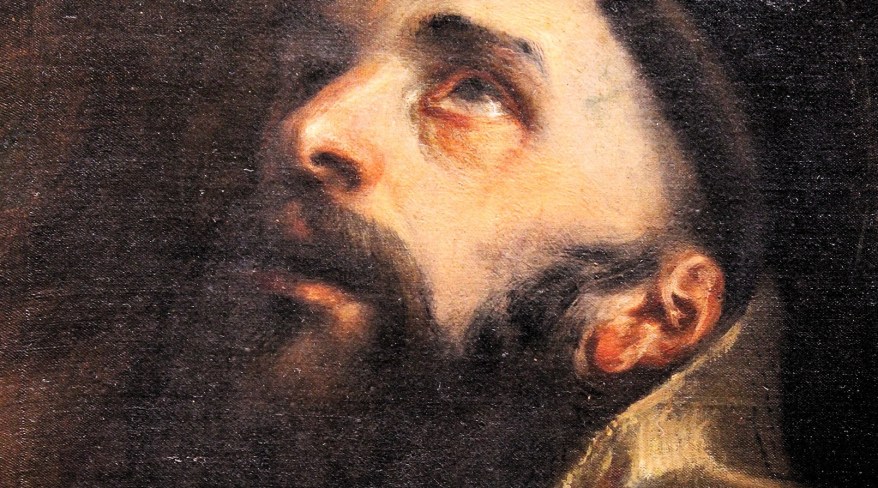
Lo sguardo di San Francesco che emerge dal buio: il dipinto di Annibale Carracci
🇮🇹C’è uno sguardo, nel dipinto di Annibale Carracci, che sembra cercare qualcosa oltre ciò che possiamo vedere: è quello di San Francesco d’Assisi, ritratto con gli occhi rivolti al cielo… 🇬🇧In Annibale Carracci’s painting, there is a gaze that seems to be searching for something beyond what we can see: it is the gaze of…
Condividi:


Questo sono io




sostienici

Sostienici – Support Us
Se questo blog ti piace e ti appassiona, puoi aiutarci a farlo crescere sempre più sostenendoci in modo concreto condividendo i post, seguendo le pagine social e con un contributo che ci aiuta ad andare avanti con il nostro lavoro di divulgazione. . ENGLISH: If you like and are passionate about this blog, you can help us make it grow more and more by supporting us in a concrete way by sharing posts, following social pages and with a contribution that helps us to move forward with our dissemination work.
€10,00


Meraviglioso
"Mi piace""Mi piace"