
Luglio 1510: l’interruzione dei lavori per la volta della Sistina
Era il luglio del 1510 quando ultimai di affrescare la prima parte della volta della Sistina. Giunto a metà del lavoro, conclusi di metter mano al riquadro con la Creazione di Eva.
Accadde però che poco tempo dopo papa Giulio II partisse alla volta di Modena, appena riconquistata il 18 agosto del 1510, senza dare però disposizioni riguardo al proseguimento degli affreschi e soprattutto senza pagarmi quanto già dovuto per la parte ultimata né senza anticiparmi alcunché per la porzione di affresco da cominciare.

Vi confesso che in quel momento fui tentato di tornare a Firenze piantando tutto lì. Oltretutto il mi fratello Buonarroto stava male e desideravo stare al suo fianco più di ogni altra cosa.
“Charissimo padre, i’ ò avuta una vostra stamani, a dì 5 di sectembre, la quale m’à dato e dà gran passione, intendendo che Bonarroto sta male. Pregovi, visto la prexente, m’avisiate chome sta; perché, se stessi pur male, io verrei per le poste insino chostà di questa sectimana che viene, benché mi sarebe grandissimo danno e questo è che io resto avere cinque cento ducati di pacto facto guadagnati, e altrectanta me ne dovea dare el papa per mectere mano nell’altra parte dell’opera, e llui s’è partito di qua e non m’à lasciato ordine nessuno, i’ modo che mi trovo sanza danari, né sso quello m’abbia a fare...”
Feci prevalere i sentimenti sulla ragione come era giusto che fosse.

Da Firenze poi partii alla volta di Bologna dove il papa era andato il 22 settembre del 1510. Volevo quanto mi spettava: né più né meno.
Non cavai un ragno dal buco ma solo parole, tante, direi fin troppe.
All’inizio del 1511 ritornai a Roma ma non mi rimisi al lavoro su quegli affreschi. Qualche anno dopo, in una lettera, raccontai a Giovan Francesco Fattucci che non misi mano ai pennelli fino a quando il papa non fece ritorno il 26 giugno, dopo nove mesi da quando era partito.

Quando Giulio II tornò, ordinò che i ponteggi fossero smontati per consentire di mostrare quanto fino al momento avevo realizzato in occasione della festa dell’Assunta a cui la cappella era ed è tutt’oggi dedicata.
Così il 14 di agosto, vigilia di Santa Maria Assunta, la volta affrescata per metà fu libera dai ponteggi e anch’io ebbi modo di osservare l’effetto di quelle pitture da terra.
Per il momento il sempre vostro Michelangelo Buonarroti vi saluta dandovi appuntamento ai prossimi post e sui social.
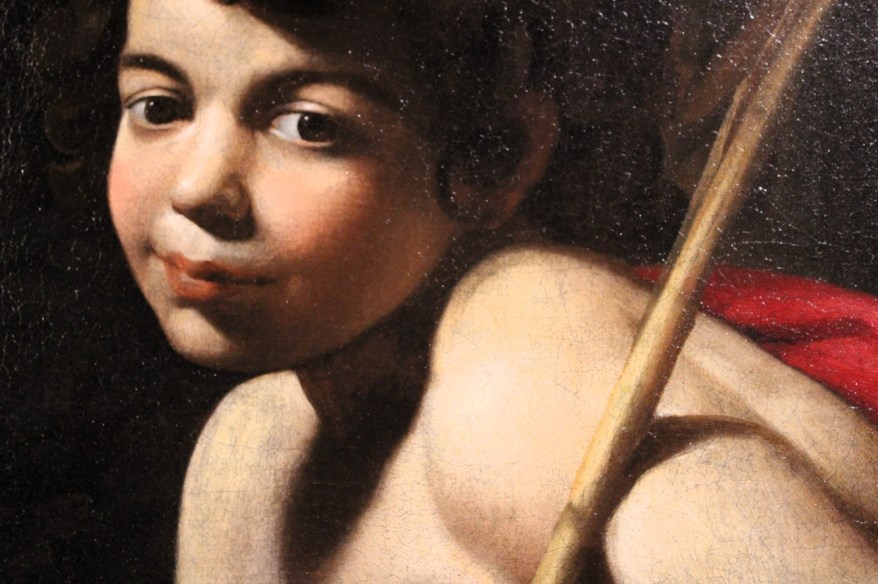
July 1510: the interruption of work on the Sistine vault
It was July 1510 when I finished frescoing the first part of the Sistine vault. I had reached the halfway point of the work, finishing frescoing the panel with the Creation of Eve.
It happened, however, that shortly afterwards Pope Julius II left for Modena, which had just been reconquered on 18 August 1510. However, he left no instructions regarding the continuation of the frescoes and above all he had not paid me what was already due for the completed part nor had he advance anything for the portion of the fresco to be started.
I confess to you that at that moment I was tempted to return to Florence and leave everything there. Furthermore, my brother Buonarroto was ill and I wanted to be at his side more than anything else. “Dearest father, I had one of yours this morning, the 5th of September, which gave me and continues to give me great passion, hearing that Bonarroto is ill. Please, given the above, let me know where it is; because, even if I were ill, I would come to the post office until this coming week, although it would be very great damage to me and this is that I still have five hundred ducats of pacto facto earned, and the same amount would have to be given to me by the Pope to put hand in the other part of the work, and he has left here and no one has left me any orders, so that I find myself without money, nor is there anything for me to do…”
I made feelings prevail over reason as it should be.
From Florence I then left for Bologna where the Pope had gone on 22 September 1510. I wanted what I was entitled to: no more, no less.
I didn’t get a word out of the hole but only words, many, I would say too many.
at the beginning of 1511 I returned to Rome but I did not go back to work on those frescoes. A few years later, in a letter, I told Giovann Francesco Fattucci that I didn’t put my hand to paintbrushes until the Pope returned on June 26, nine months after he left.
When Julius II returned, he ordered that the scaffolding be dismantled to allow me to show what I had achieved up until now on the occasion of the feast of the Assumption to which the chapel was and still is dedicated.
So on August 14th, the eve of Santa Maria Assunta, the half-frescoed vault was free from scaffolding and I too had the opportunity to observe the effect of those paintings from the ground.
For the moment, your always Michelangelo Buonarroti greets you and will meet you in the next posts and on social media.

Sostienici – Support Us
Se questo blog ti piace e ti appassiona, puoi aiutarci a farlo crescere sempre più sostenendoci in modo concreto condividendo i post, seguendo le pagine social e con un contributo che ci aiuta ad andare avanti con il nostro lavoro di divulgazione. . ENGLISH: If you like and are passionate about this blog, you can help us make it grow more and more by supporting us in a concrete way by sharing posts, following social pages and with a contribution that helps us to move forward with our dissemination work.
10,00 €
-
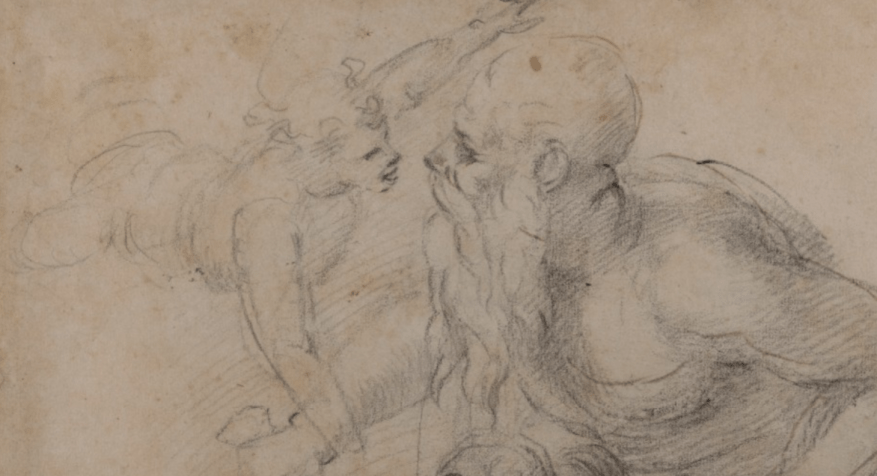
Il Sacrificio di Isacco e quel momento tra la vita e la morte
🇮🇹Oggi voglio raccontarvi alcuni dettagli sul mio disegno del Sacrificio di Isacco, conservato oggi a Casa Buonarroti. Su quel foglio volli tracciare il momento preciso in cui la paura fa spazio al miracolo… 🇬🇧Today I want to tell you some details about my drawing of the Sacrifice of Isaac, now preserved at Casa Buonarroti. On…
-
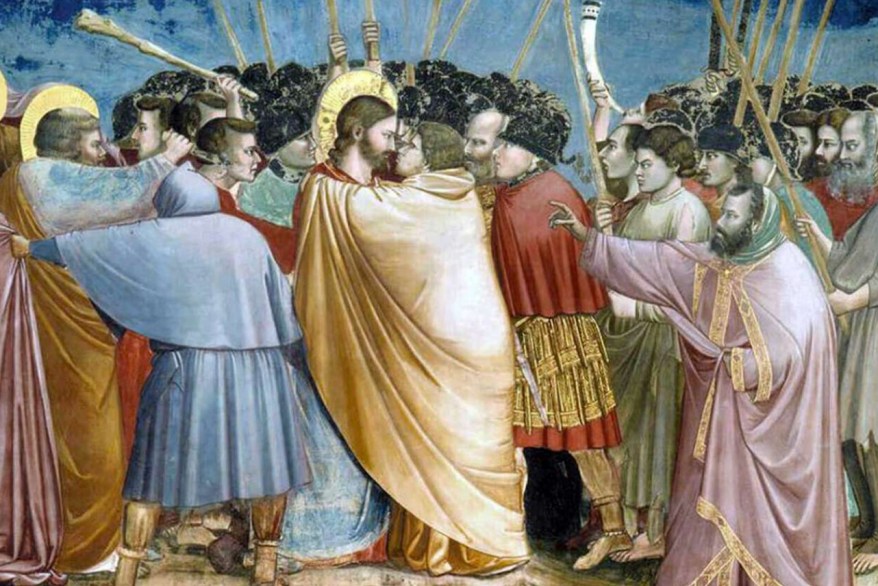
Mercoledì Santo: il giorno del tradimento di Giuda affrescato da Giotto
🇮🇹Il Mercoledì Santo è il giorno del silenzio, della riflessione e del tradimento. È il momento in cui Giuda sceglie di vendere Gesù per trenta denari, segnando uno dei passaggi più dolorosi della Settimana Santa…. 🇬🇧Holy Wednesday is a day of silence, reflection, and betrayal. ✝It is the moment when Judas chooses to sell Jesus…
-
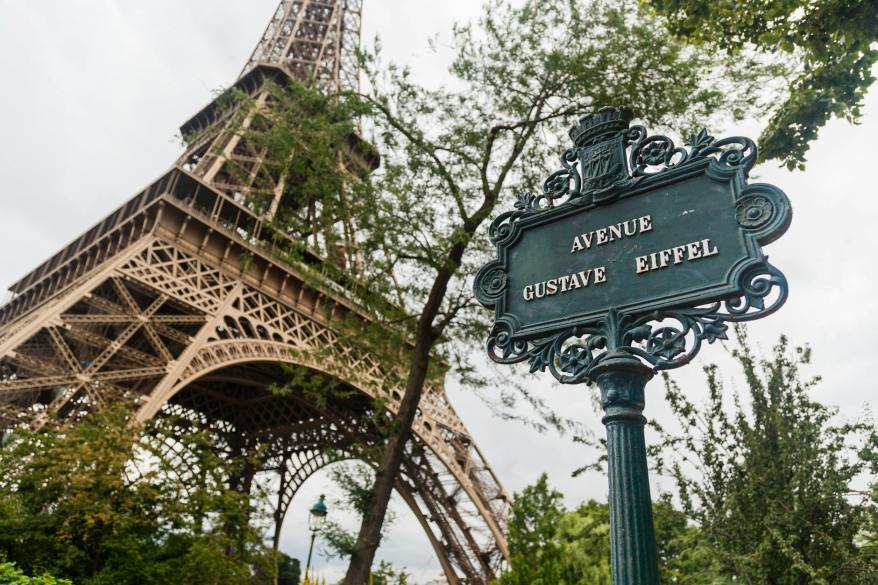
31 marzo 1889: inaugurata la Torre Eiffel tra critiche feroci e un destino inaspettato
🇮🇹Il 31 marzo 1889 segna una data destinata a cambiare per sempre il volto di Parigi e dell’immaginario collettivo globale: viene inaugurata la Torre Eiffel, l’opera più audace e discussa del suo tempo… 🇬🇧March 31, 1889 marks a date destined to change the face of Paris and the global collective imagination forever: the Eiffel Tower,…
Condividi:


Questo sono io





sostienici

Sostienici - Support Us
Se questo blog ti piace e ti appassiona, puoi aiutarci a farlo crescere sempre più sostenendoci in modo concreto condividendo i post, seguendo le pagine social e con un contributo che ci aiuta ad andare avanti con il nostro lavoro di divulgazione. . ENGLISH: If you like and are passionate about this blog, you can help us make it grow more and more by supporting us in a concrete way by sharing posts, following social pages and with a contribution that helps us to move forward with our dissemination work.
€10,00


