

La Vendemmia di Pandiani: quattro blocchi di marmo per una sola scultura
La scultura del giorno che vi propongo oggi è la bucolica Vendemmia scolpita da Costantino Pandiani nel 1876, oggi appartenente alla Galleria di Arte Moderna di Milano.
Il soggetto è una giovane ragazza che eleva un grappolo d’uva maturo mentre tiene un cestino di vimini sempre riboccante d’uva, sostenendolo con la mano destra.
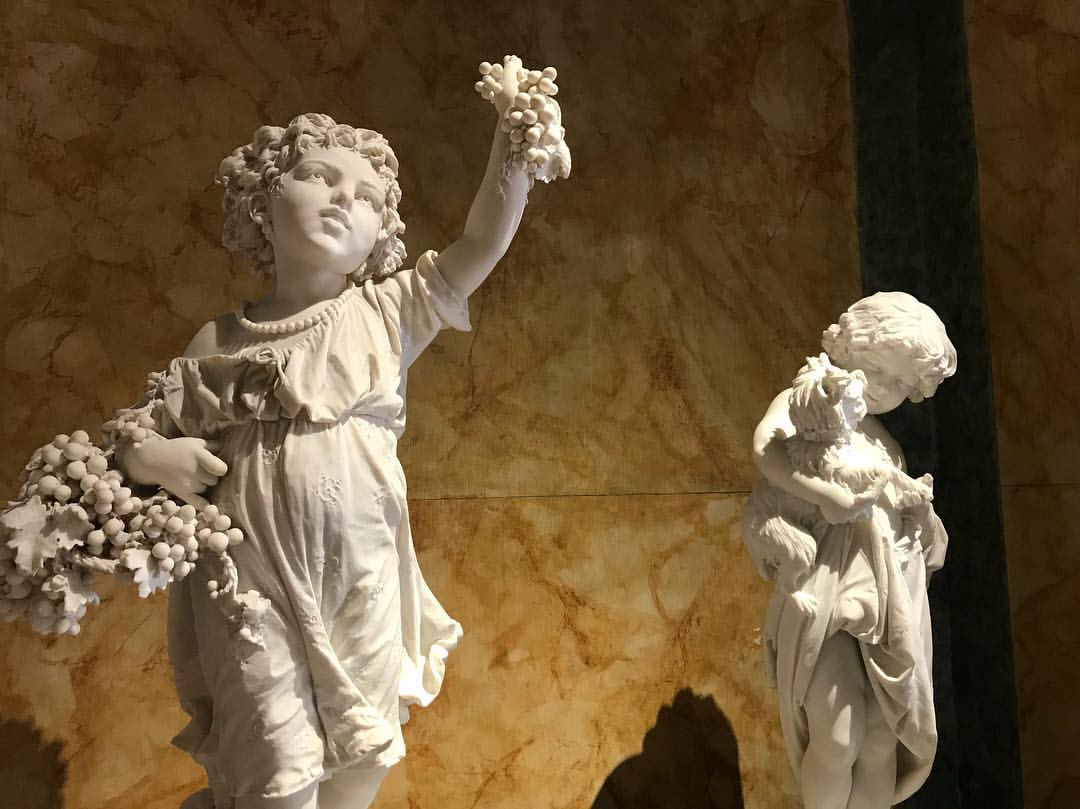
In questa scultura non ci sono riferimenti mitologici o simbologie nascoste da leggere. E’ un esempio di naturalismo che mostra una cura quasi maniacale dei dettagli.
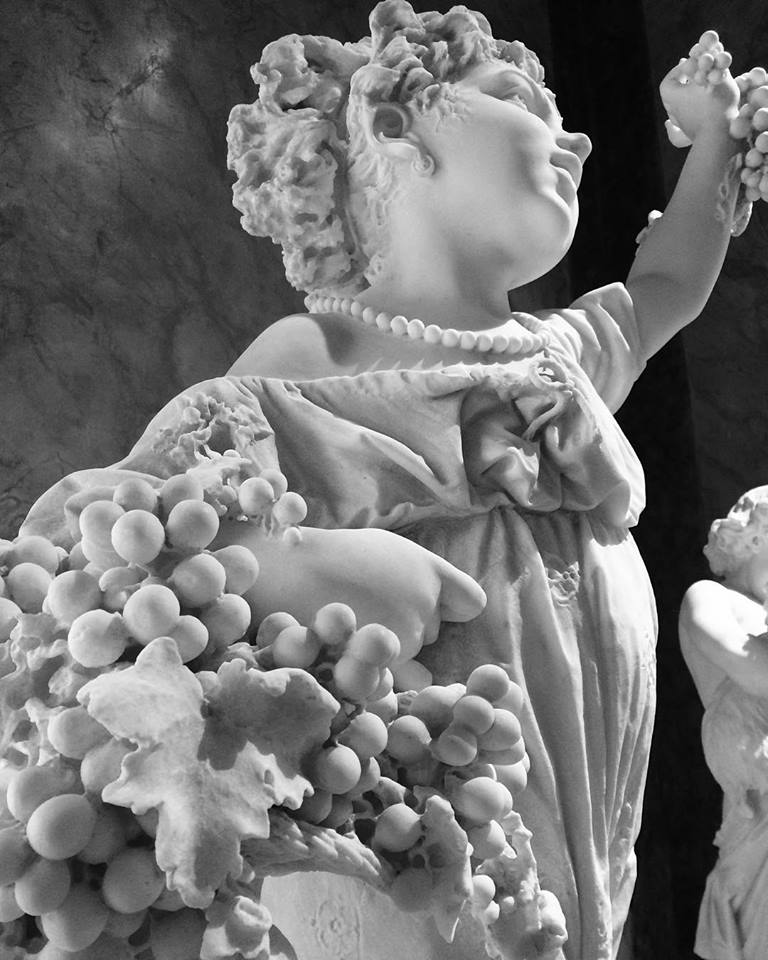
Osservate per esempio la resa della veste della vendemmiatrice, con le sue pieghe e la gala che borda il fondo, modellata da pieghe mosse dai venti.
Affascinano i differenti e numerosi trattamenti del marmo a seconda del tessuto, della pelle, dei capelli e di altre consistenze da riprodurre. Pandiani passa senza difficoltà dalla levigatezza delle membra nude alle fibre di vimini del cesto, dalla lucidità delle perle che formano la collana fino ad arrivare agli acini patinati che sembrano appena raccolti dalla vite.
La scultura fu presentata per la prima volta al pubblico all’esposizione annuale dell’Accademia di Brera del 1876 con il titolo “Il ritorno alla vendemmia”. La stessa opera fu mostrata all’Esposizione Universale di Parigi con il titolo di Vendemmia.
Terminata l’esposizione, l’opera fu venduta assieme a tante altre all’Hotel Drouot, in un evento organizzato da Alessandro Rossi durante il quale venivano commericalizzate solo sculture italiane.
La posa della Vendemmiatrice non vi ricorda qualche altra opera più celebre?
Ebbene, il braccio slanciato verso l’alto in contrapposto con la gamba protesa in avanti così come la veste che a tratti propone dei ricami, riconduce col pensiero alla più raffinata Ebe di Canova.
Una curiosità che in pochissimi notano. La scultura non è stata realizzata da Pandiani in un blocco unico di marmo ma bensì assembolandone quattro. Una particolarità che non si nota grazie all’abilità che lo scultore ebbe nel mascherare le giunture.
Per il momento il sempre vostro Michelangelo Buonarroti vi saluta dandovi appuntamento ai prossimi post e sui social.

The Harvest by Pandiani: four blocks of marble for a single sculpture
The sculpture of the day that I propose to you today is the bucolic Harvest sculpted by Costantino Pandiani in 1876, now belonging to the Gallery of Modern Art in Milan.
The subject is a young girl who holds up a bunch of ripe grapes while she holds a wicker basket always overflowing with grapes, supporting it with her right hand.
In this sculpture there are no mythological references or hidden symbols to read. It is an example of naturalism that shows an almost obsessive attention to detail.
Observe for example the rendering of the grape harvester’s dress, with its folds and the frill that borders the bottom, shaped by folds moved by the winds.
The different and numerous marble treatments are fascinating depending on the fabric, skin, hair and other textures to be reproduced. Pandiani passes without difficulty from the smoothness of the bare limbs to the wicker fibers of the basket, from the lucidity of the pearls that form the necklace up to the patinated grapes that seem to have just been picked from the vine.
The sculpture was presented to the public for the first time at the annual exhibition of the Brera Academy in 1876 with the title “The return to the grape harvest”. The same work was shown at the Universal Exhibition in Paris under the title Vendemmia.
Once the exhibition was over, the work was sold together with many others at the Hotel Drouot, in an event organized by Alessandro Rossi during which only Italian sculptures were marketed.
Doesn’t the pose of the Harvester remind you of some other more famous work? Well, her arm slender upwards in contrast with her leg stretched forward as well as her dress which at times features embroidery, leads us back in the thought of her to the most refined Hebe of Canova.
A curiosity that very few people notice. The sculpture was not created by Pandiani in a single block of marble but rather by assembling four of them. A peculiarity that is not noticed thanks to the skill that the sculptor had in masking the joints.
For the moment, your always Michelangelo Buonarroti greets you and will meet you in the next posts and on social media.

Sostienici – Support Us
Se questo blog ti piace e ti appassiona, puoi aiutarci a farlo crescere sempre più sostenendoci in modo concreto condividendo i post, seguendo le pagine social e con un contributo che ci aiuta ad andare avanti con il nostro lavoro di divulgazione. . ENGLISH: If you like and are passionate about this blog, you can help us make it grow more and more by supporting us in a concrete way by sharing posts, following social pages and with a contribution that helps us to move forward with our dissemination work.
10,00 €
-
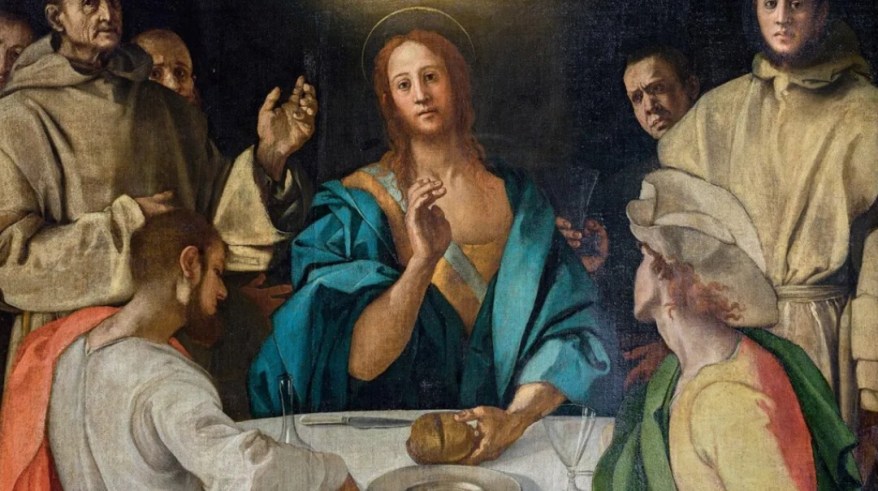
Cena in Emmaus di Pontormo: il pane, il gatto e il cane alle Scuderie del Quirinale
La Cena in Emmaus di Pontormo nasconde dettagli sorprendenti: il significato del pane, i simboli e il mistero della Resurrezione. Scopri il capolavoro del 1525 in mostra alle Scuderie del Quirinale a Roma… 🇬🇧Pontormo’s *Supper at Emmaus* conceals surprising details: the significance of the bread, various symbols, and the mystery of the Resurrection. Discover this…
-
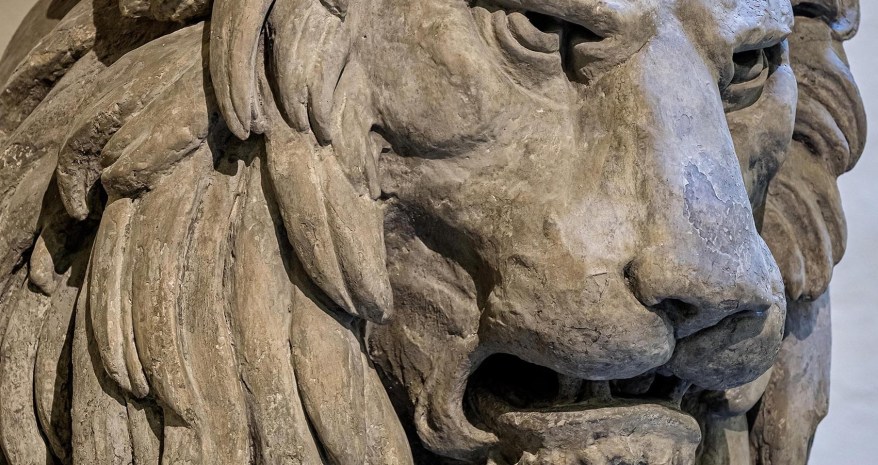
Palazzo Vecchio, il restauro svela la vera natura dei quattro leoni e il mistero della fontana greca
🇮🇹Restaurato il Cortile della Dogana di Palazzo Vecchio a Firenze: i quattro leoni sono calchi, una fontana conserva un’iscrizione greca da studiare e tornano a funzionare entrambe le fontane… 🇬🇧The Cortile della Dogana (Customs Courtyard) at Palazzo Vecchio in Florence has been restored: the four lions are casts, one fountain features a Greek inscription that…
-
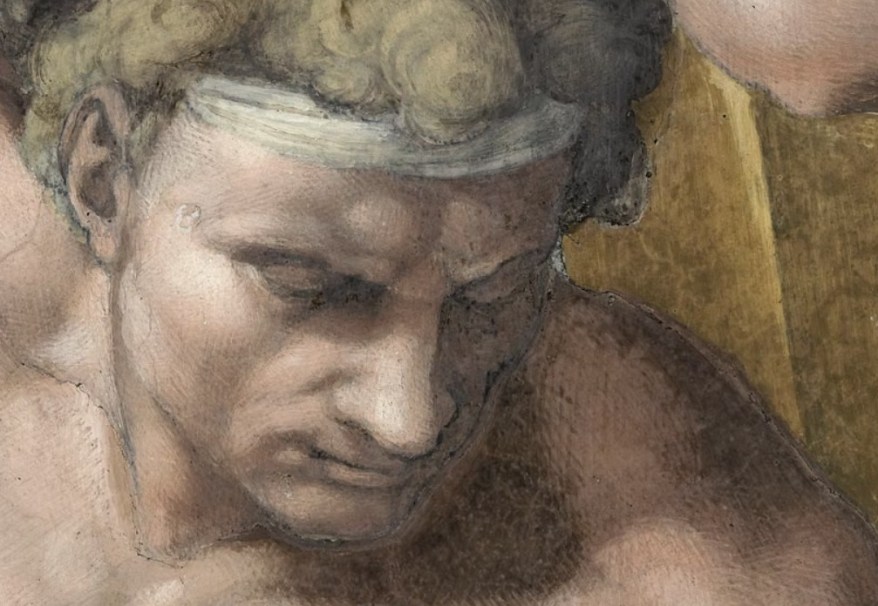
Disma, il buon ladrone nel Giudizio Universale: la misericordia e la giustizia divina
Nel Giudizio Universale della Cappella Sistina ci sono particolari che rischiano di passare inosservati, anche a chi ha avuto la fortuna di alzare gli occhi verso la mia grande parete. Tra i corpi che si sollevano, gli angeli che suonano le trombe e le anime che cercano di raggiungere il cielo, ci sono figure che…
Condividi:


Questo sono io




sostienici

Sostienici - Support Us
Se questo blog ti piace e ti appassiona, puoi aiutarci a farlo crescere sempre più sostenendoci in modo concreto condividendo i post, seguendo le pagine social e con un contributo che ci aiuta ad andare avanti con il nostro lavoro di divulgazione. . ENGLISH: If you like and are passionate about this blog, you can help us make it grow more and more by supporting us in a concrete way by sharing posts, following social pages and with a contribution that helps us to move forward with our dissemination work.
€10,00


1 commento »