
Il ritratto che mi fece il Passarotti
Di ritratti miei ne esistono diversi. Alcuni furono fatti da amici artisti quando ancora ero in vita, altri invece sono postumi e vennero realizzati sia da persone a me care sia da semplici conoscenti o ammiratori.
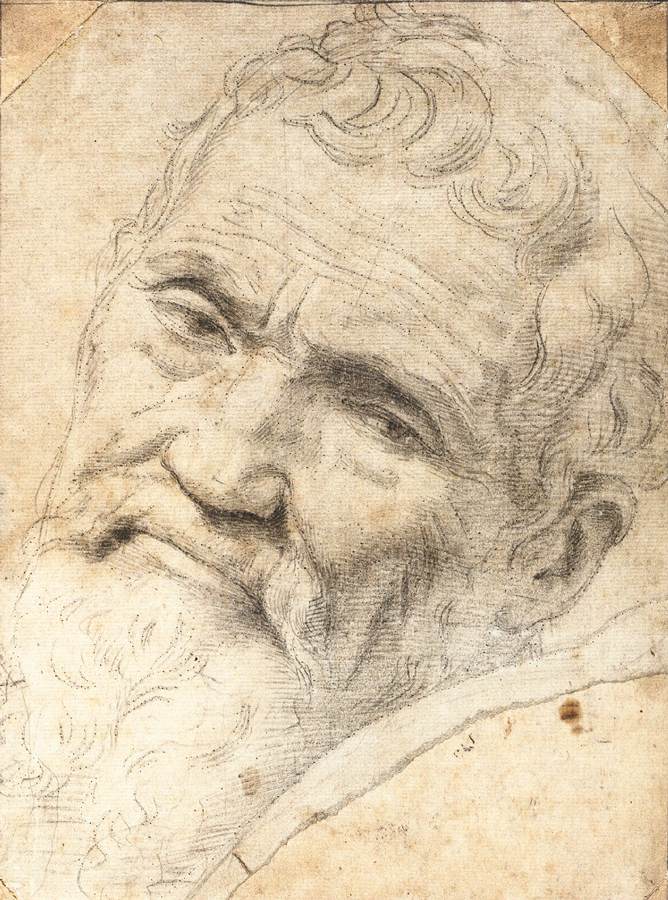
Fra i tanti ritratti poco noti ma mirabili per l’elevata qualità del disegno, c’è quello del bolognese Bartolomeo Passarotti.

Era nato il 28 giugno del 1529 e aveva avuto modo di conoscermi mediante un altro artista: il Tibaldi. Della forza delle mie opere però poco volle apprendere e preferì il modo di dipingere del Correggio al quale si ispirò per il resto della vita.
Il Passarotti volle ritrarmi a penna e a inchiostro bruno in un periodo non troppo definito che va dal 1544 fino al 1592. Non è dato sapere se il disegno lo realizzò dopo la mia morte per rendermi omaggio o quando ancora ero vivo e vegeto.
Osservandolo bene però sembra che sia basato sul celeberrimo busto in bronzo che realizzò Daniele da Volterra sia per quanto riguarda l’impostazione del volto rivolto verso sinistra che per l’espressione malinconica che ben mi caratterizzava e che Daniele seppe cogliere alla perfezione.

Il disegno del mio volto è inscritto in un ovale e il foglio evidentemente è stato tagliato chissà quando e come, eliminando gran parte della scritta che parzialmente si legge ancora immediatamente sotto il collo.
Dal 1895 l’opera grafica è entrata a far parte delle prestigiose collezioni del British Musem mediante il colonnello John Wingfield Malcolm. Era il figlio di Poltalloch e aveva ereditato la sua preziosa collezione di opere grafiche che vendette poi al museo londinese.
Per il momento il sempre vostro Michelangelo Buonarroti vi saluta dandovi appuntamento ai prossimi post e sui social.

The portrait that Passarotti took of me
There are several portraits of me. Some were made by artist friends when I was still alive, while others are posthumous and were made both by people close to me and by simple acquaintances or admirers.
Among the many little-known but admirable portraits for the high quality of the drawing, there is that of the Bolognese Bartolomeo Passarotti.
He was born on 28 June 1529 and had the opportunity to meet me through another artist: Tibaldi. However, he wanted to learn little about the strength of my works and he preferred Correggio’s way of painting which inspired him for the rest of his life.
Passarotti wanted to portray me in pen and brown ink in a not too defined period that goes from 1544 to 1592. It is not known whether he made the drawing after my death to pay homage to me or when I was still alive and well.
Looking at it carefully, however, it seems that it is based on the very famous bronze bust created by Daniele da Volterra both in terms of the setting of the face turned towards the left and the melancholy expression that characterized me well and that Daniele, who knew me well, was able to grasp perfection.
The drawing of my face is inscribed in an oval and the sheet has evidently been cut who knows when and how, eliminating much of the writing which can still be partially read immediately under the neck.
Since 1895 the drawing has become part of the prestigious collections of the British Museum through Colonel John Wingfield Malcolm. He was Poltalloch’s son and had inherited his precious collection of graphic works which he later sold to the London museum.
For the moment, your always Michelangelo Buonarroti greets you and will meet you in the next posts and on social media.
Sostienici – Support Us
Se questo blog ti piace e ti appassiona, puoi aiutarci a farlo crescere sempre più sostenendoci in modo concreto condividendo i post, seguendo le pagine social e con un contributo che ci aiuta ad andare avanti con il nostro lavoro di divulgazione. . ENGLISH: If you like and are passionate about this blog, you can help us make it grow more and more by supporting us in a concrete way by sharing posts, following social pages and with a contribution that helps us to move forward with our dissemination work.
8,00 €
-

Perché la Madonna è vestita di rosso e blu? Il significato dei colori nei dipinti sacri
🇮🇹Perché la Madonna veste di rosso e blu nei dipinti? Scopriamo il significato simbolico dei colori, il valore del blu oltremare e i capolavori dell’arte sacra… 🇬🇧Why does the Virgin Mary wear red and blue in paintings? Let’s explore the symbolic meaning of these colors, the significance of ultramarine blue, and some masterpieces of sacred…
-

L’artista, la materia: a Casa Buonarroti un ciclo di conferenze sulle mie tre arti
🇮🇹Dalla scultura alla pittura, fino all’architettura: da novembre 2026 a maggio 2027 Casa Buonarroti di Firenze dedica un ciclo di incontri al mio rapporto con i materiali, le tecniche artistiche e il lavoro creativo… 🇬🇧From sculpture and painting to architecture: from November 2026 to May 2027, Casa Buonarroti in Florence will host a series of…
-
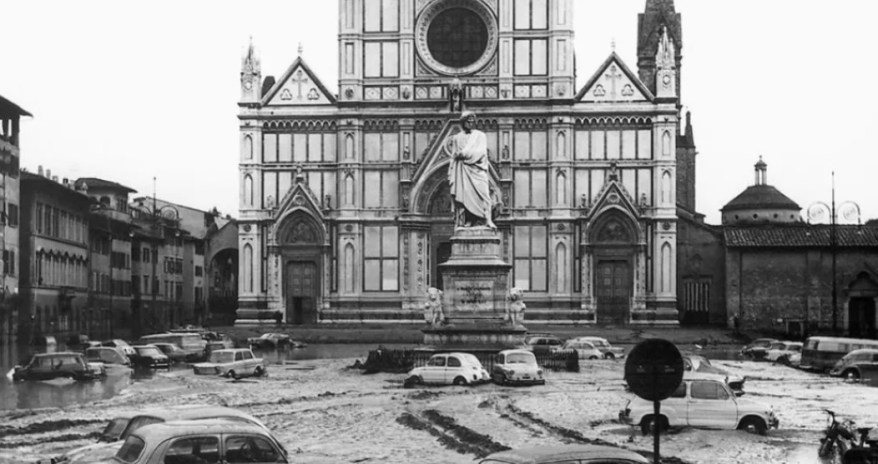
Alluvione di Firenze del 1966: i capolavori d’arte perduti e feriti dall’Arno, 60 anni dopo
🇮🇹4 novembre 1966: sessant’anni fa l’alluvione di Firenze devastò il patrimonio artistico. Dal Crocifisso di Cimabue ai libri sommersi, la storia delle opere ferite e degli Angeli del fango… 🇬🇧November 4, 1966: sixty years ago, the flood in Florence devastated its artistic heritage. From Cimabue’s Crucifix to waterlogged books—the story of the damaged works and…
Condividi:


Questo sono io



sostienici
Sostienici - Support Us
Se questo blog ti piace e ti appassiona, puoi aiutarci a farlo crescere sempre più sostenendoci in modo concreto condividendo i post, seguendo le pagine social e con un contributo che ci aiuta ad andare avanti con il nostro lavoro di divulgazione. . ENGLISH: If you like and are passionate about this blog, you can help us make it grow more and more by supporting us in a concrete way by sharing posts, following social pages and with a contribution that helps us to move forward with our dissemination work.
€10,00


