

6 maggio 1527: il Sacco di Roma che distrusse la Città Eterna e cambiò la storia d’Europa
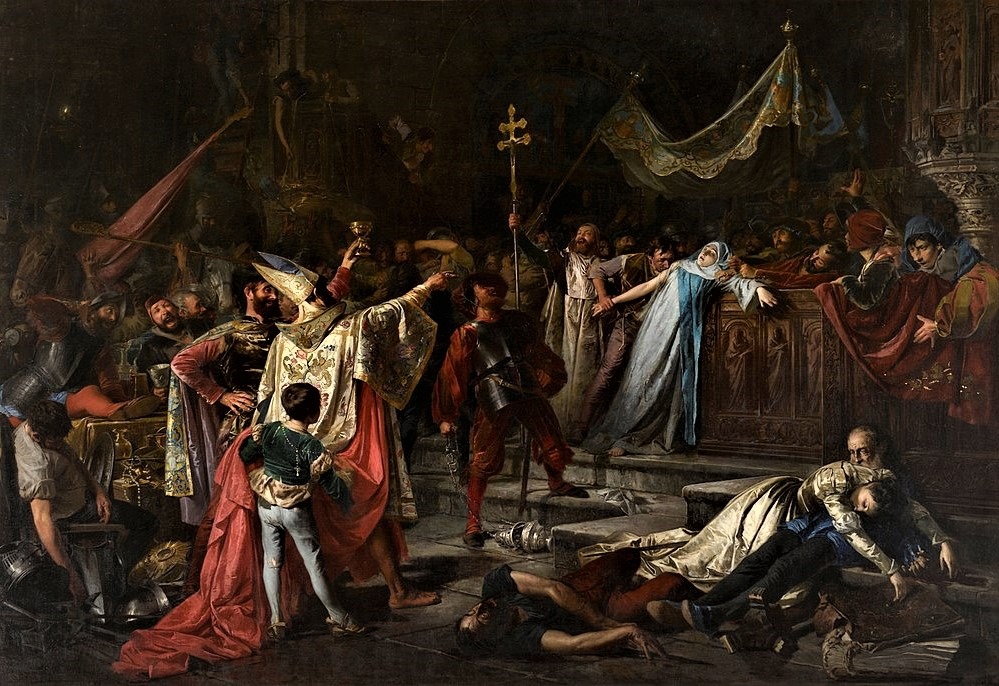
Il 6 maggio 1527 è una data che segna una delle pagine più oscure della storia europea: il Sacco di Roma.
In quel giorno, la Città Eterna fu travolta da una violenza senza precedenti, destinata a cambiare per sempre il volto politico, culturale e religioso dell’Italia rinascimentale.
L’assedio di Roma e la rivalità tra Carlo V e Francesco I
All’origine della tragedia ci fu lo scontro tra due delle più potenti figure del tempo: Carlo V d’Asburgo e Francesco I di Francia. Entrambi ambivano al controllo dell’Europa e al titolo imperiale.
Quando Carlo V prevalse, le tensioni non si placarono, anzi si trasformarono in una guerra diffusa che coinvolse gran parte degli stati italiani.
Nel tentativo di contrastare l’egemonia asburgica, Papa Clemente VII promosse nel 1526 una lega anti-imperiale. Vi aderirono Francia, Venezia, Milano e Firenze, creando un fronte comune contro Carlo V. Questa scelta si rivelò fatale.
L’irruzione dei lanzichenecchi e la caduta della città
Un anno dopo, le truppe imperiali composte da spagnoli e soprattutto dai famigerati lanzichenecchi tedeschi, giunsero alle porte di Roma. Molti di questi mercenari erano luterani e vedevano nella città papale un simbolo da abbattere.
Il 6 maggio 1527 iniziò l’assalto. Le mura cedettero rapidamente e Roma fu invasa. La violenza fu immediata e incontrollata: saccheggi, incendi, stupri e massacri trasformarono la capitale della cristianità in un inferno.

Il Papa in fuga e l’eroica resistenza
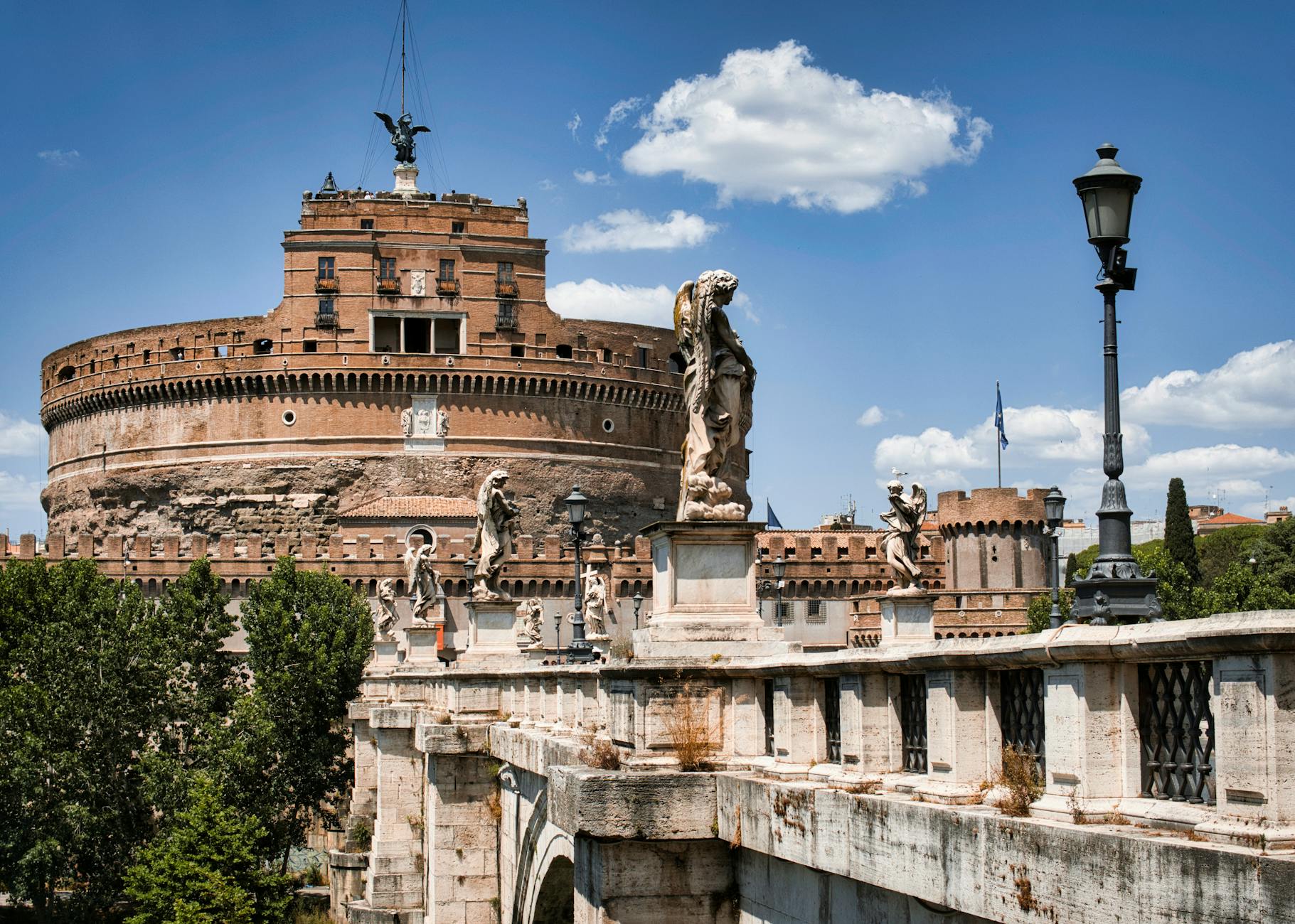
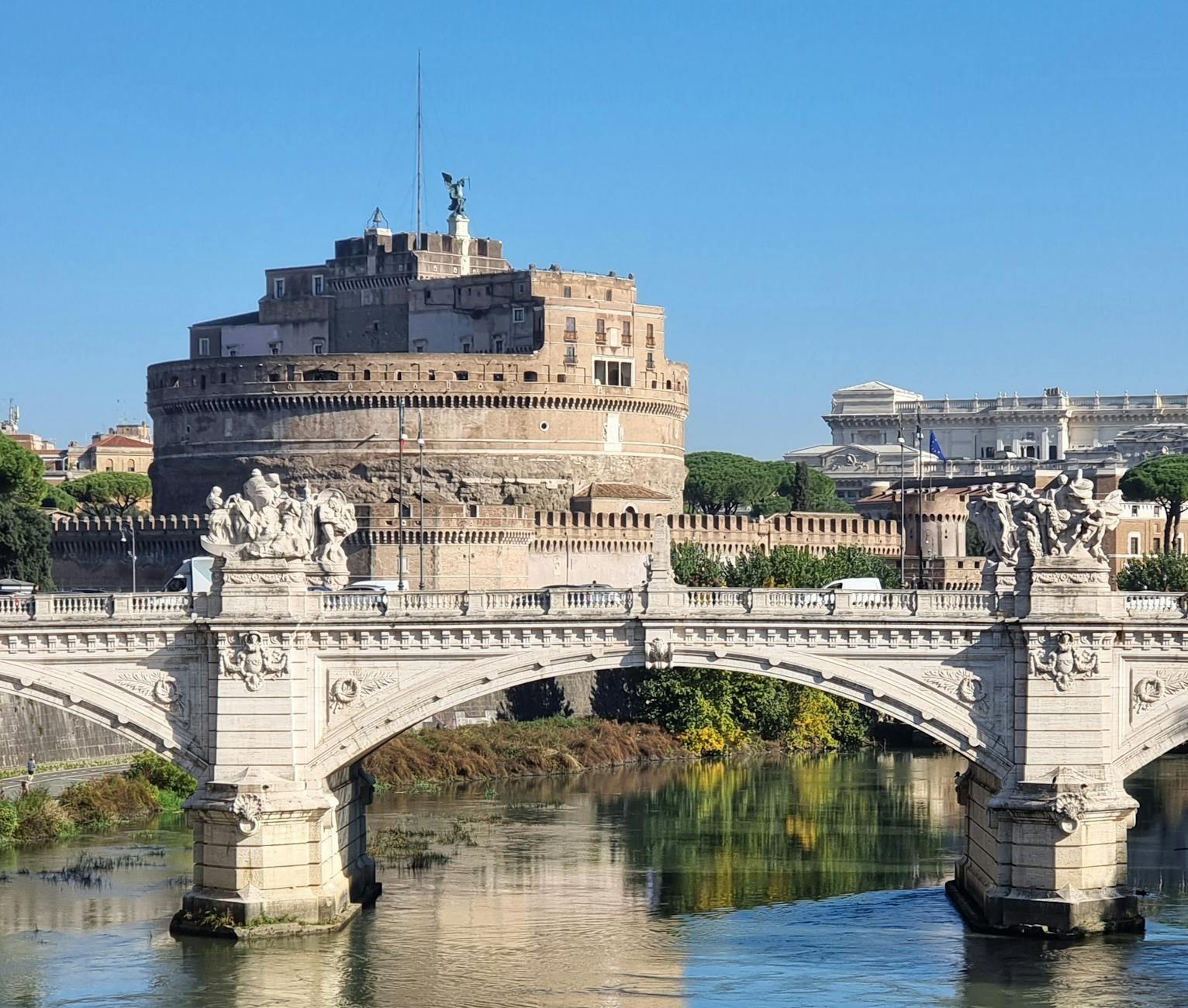
Durante l’attacco, Papa Clemente VII de’ Medici rischiò la vita. Si salvò grazie alla fuga attraverso il Passetto di Borgo, rifugiandosi nella fortezza di Castel Sant’Angelo. Qui rimase assediato per mesi, mentre la città veniva devastata.
Solo il 26 novembre dello stesso anno, dopo aver negoziato con gli invasori, il papa poté lasciare Roma, dirigendosi prima a Orvieto e poi a Viterbo.
Devastazione, morte e peste: il bilancio tragico
Le conseguenze del Sacco furono catastrofiche. Roma fu completamente spogliata delle sue ricchezze artistiche e culturali. Chiese, palazzi e biblioteche vennero distrutti o saccheggiati.
Le vittime furono decine di migliaia: circa 20.000 cittadini furono uccisi, 10.000 riuscirono a fuggire e almeno 30.000 morirono a causa della peste, diffusa dalle truppe. La popolazione della città crollò drasticamente, segnando un declino che durò decenni.
La fine di un’epoca: il Rinascimento spezzato
Il Sacco di Roma rappresentò simbolicamente la fine del Rinascimento italiano. Artisti, intellettuali e mecenati abbandonarono la città, disperdendo quel patrimonio culturale che aveva reso Roma il centro del mondo artistico.
L’evento segnò anche un cambiamento negli equilibri politici europei: il potere imperiale di Carlo V uscì rafforzato, mentre il papato ne uscì profondamente indebolito.
Un trauma ancora vivo nella memoria storica
Ancora oggi, il Sacco di Roma è ricordato come uno degli eventi più drammatici della storia italiana. Non fu solo una conquista militare, ma una vera e propria catastrofe umana e culturale.
Quel 6 maggio 1527 segnò per sempre la fine di un mondo.
Per il momento il sempre vostro Michelangelo Buonarroti vi saluta dandovi appuntamento ai prossimi post e sui social.
May 6, 1527: The Sack of Rome That Destroyed the Eternal City and Changed European History
May 6, 1527, marks one of the darkest pages in European history: the Sack of Rome.
On that day, the Eternal City was overwhelmed by unprecedented violence, destined to forever change the political, cultural, and religious face of Renaissance Italy.
The Siege of Rome and the Rivalry Between Charles V and Francis I
The tragedy stemmed from the clash between two of the most powerful figures of the time: Charles V of Habsburg and Francis I of France. Both sought control of Europe and the imperial title.
When Charles V prevailed, tensions did not subside; rather, they escalated into a widespread war that involved many of the Italian states.
In an attempt to counter Habsburg hegemony, Pope Clement VII promoted an anti-imperial league in 1526. France, Venice, Milan, and Florence joined, creating a common front against Charles V. This choice proved fatal.
The Landsknechts’ Incursion and the Fall of the City
A year later, imperial troops, composed of Spaniards and especially the infamous German Landsknechts, reached the gates of Rome. Many of these mercenaries were Lutherans and saw the papal city as a symbol to be destroyed.
On May 6, 1527, the assault began. The walls quickly collapsed, and Rome was invaded. The violence was immediate and uncontrolled: looting, fires, rapes, and massacres transformed the capital of Christianity into a living hell.
The Fleeing Pope and the Heroic Resistance
During the attack, Pope Clement VII de’ Medici risked his life. He escaped by fleeing through the Passetto di Borgo, taking refuge in the fortress of Castel Sant’Angelo. There, he remained besieged for months, while the city was devastated.
Only on November 26 of the same year, after negotiating with the invaders, was the Pope able to leave Rome, heading first to Orvieto and then to Viterbo.
Devastation, Death, and Plague: The Tragic Toll
The consequences of the Sack were catastrophic. Rome was completely stripped of its artistic and cultural riches. Churches, palaces, and libraries were destroyed or looted.
Tens of thousands of victims died: approximately 20,000 citizens were killed, 10,000 managed to escape, and at least 30,000 died from the plague, spread by the troops. The city’s population dropped dramatically, marking a decline that lasted decades.
The End of an Era: The Renaissance Shattered
The Sack of Rome symbolically represented the end of the Italian Renaissance. Artists, intellectuals, and patrons abandoned the city, dispersing the cultural heritage that had made Rome the center of the artistic world.
The event also marked a shift in the political balance of Europe: the imperial power of Charles V was strengthened, while the papacy was profoundly weakened.
A trauma still vivid in historical memory
Even today, the Sack of Rome is remembered as one of the most dramatic events in Italian history. It was not just a military conquest, but a true human and cultural catastrophe.
That May 6, 1527, marked the end of a world forever.
For now, yours truly, Michelangelo Buonarroti bids you farewell and invites you to join him in future posts and on social media.

Sostienici – Support Us
Se questo blog ti piace e ti appassiona, puoi aiutarci a farlo crescere sempre più sostenendoci in modo concreto condividendo i post, seguendo le pagine social e con un contributo che ci aiuta ad andare avanti con il nostro lavoro di divulgazione. . ENGLISH: If you like and are passionate about this blog, you can help us make it grow more and more by supporting us in a concrete way by sharing posts, following social pages and with a contribution that helps us to move forward with our dissemination work.
10,00 €
Articoli
Condividi:


Questo sono io




sostienici

Sostienici – Support Us
Se questo blog ti piace e ti appassiona, puoi aiutarci a farlo crescere sempre più sostenendoci in modo concreto condividendo i post, seguendo le pagine social e con un contributo che ci aiuta ad andare avanti con il nostro lavoro di divulgazione. . ENGLISH: If you like and are passionate about this blog, you can help us make it grow more and more by supporting us in a concrete way by sharing posts, following social pages and with a contribution that helps us to move forward with our dissemination work.
€10,00


1 commento »