
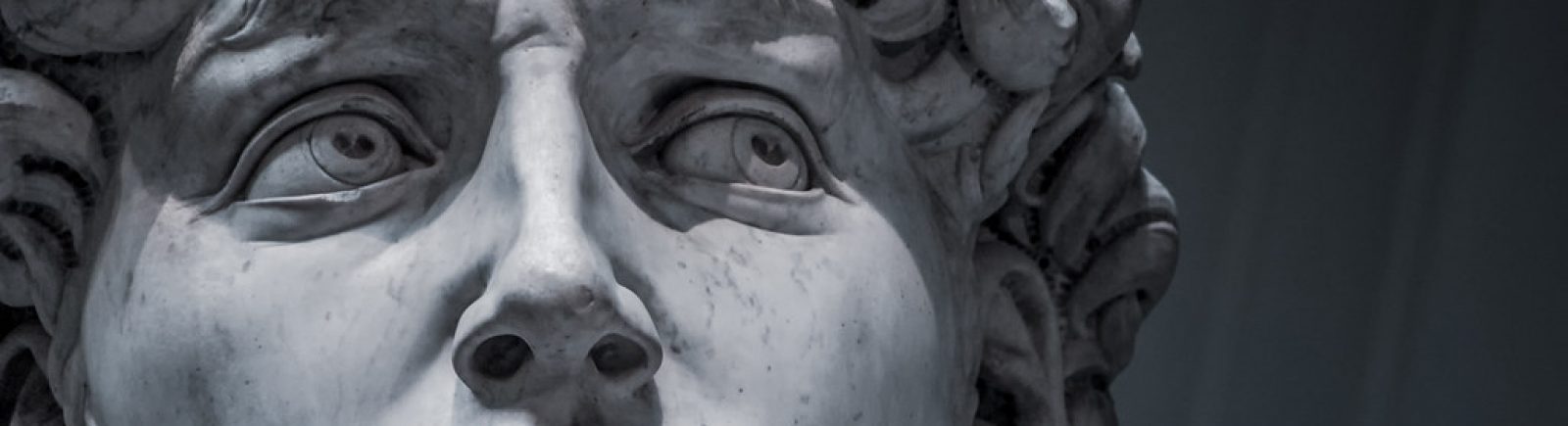
Il secondo Cristo della Minerva più dinamico del primo
Le differenze che ci sono fra la prima versione del Cristo Portacroce e la seconda sono lampanti ma alcune meritano un’attenzione particolare.
Vero è che bisogna considerare che a entrambe le opere misero mano altri scultori dopo di me ma l’impostazione di base fu per tutte e due la mia.
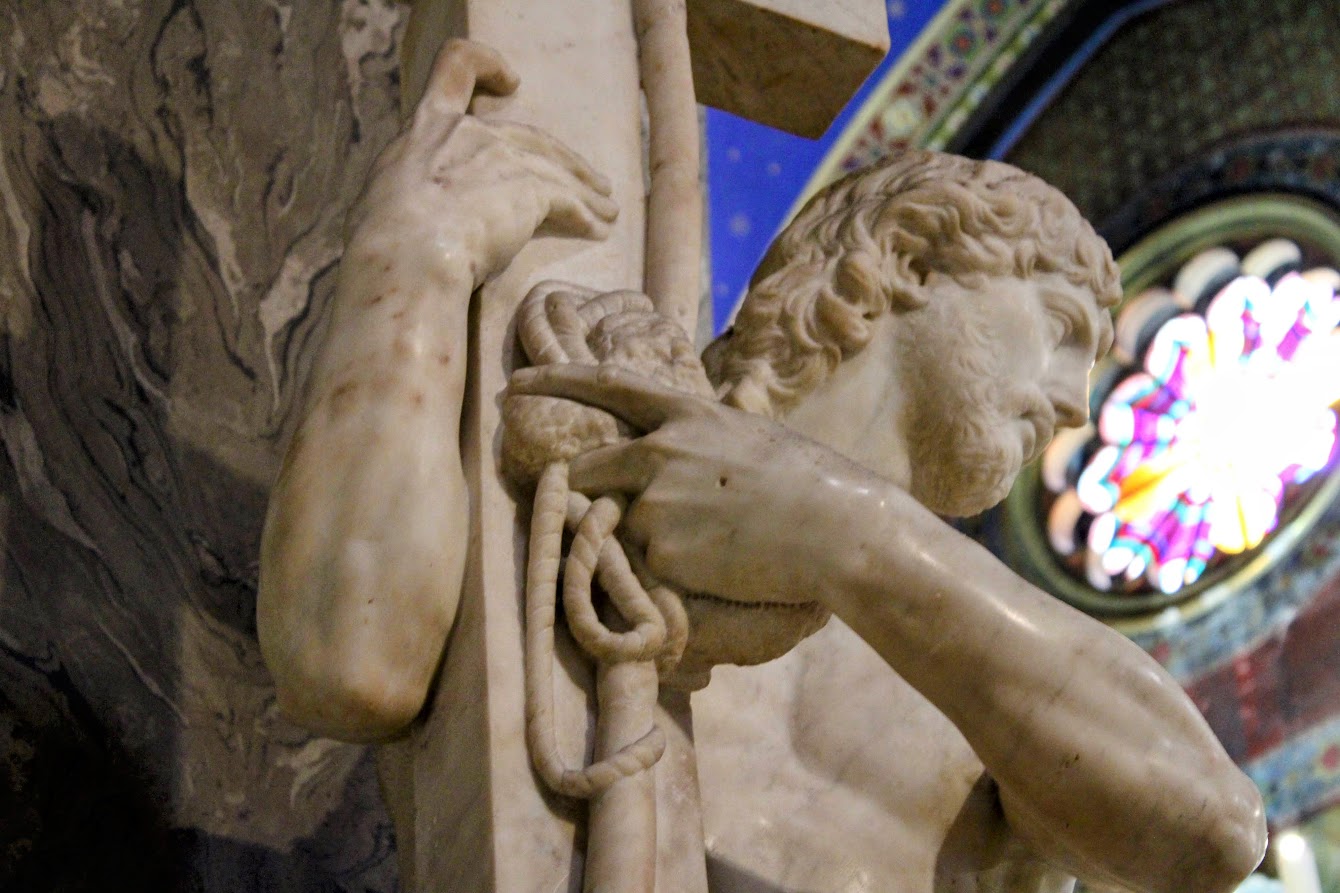
Mentre la prima versione oggi a Bassano Romano è decisamente più statica, con quel braccio levato a sostenere la croce tenendo al contempo la spugna e la corda e con l’altro sceso lungo il fianco, la seconda versione è più dinamica.
Il fulcro dell’opera ha origine nella rotazione del bacino che da’ origine al contrapposto della scultura. Con quella torsione la gamba destra viene leggermente piegata e portata in avanti, bilanciando alla perfezione la posa inclinata della spalla sinistra e al capo voltato dalla stessa parte.
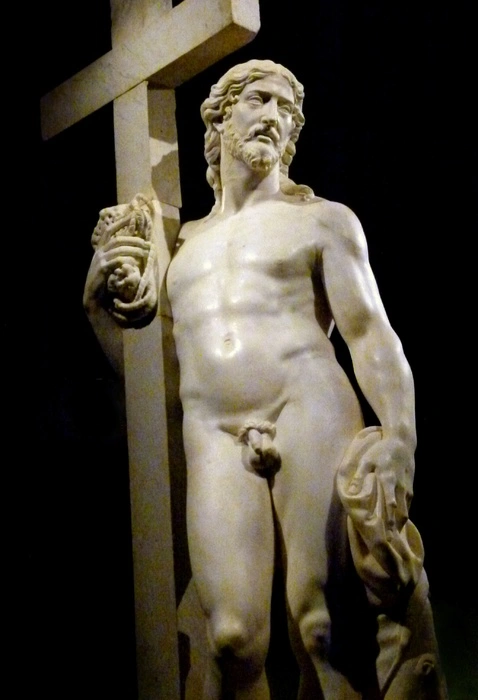
Non fu una scelta dettata dal caso quella della posa della seconda versione del Cristo ma la studiai a lungo.
Sono arrivati fini ai vostri giorni schizzi relativi a questa figura che sembrano di fatto un passaggio dalla prima alla seconda versione, appartenenti oggi a alla collezione privata Bellinger.

Per il momento il vostro Michelangelo Buonarroti vi saluta dandovi appuntamento ai prossimi post e sui social.
The second Christ of Minerva is more dynamic than the first
The differences between the first version of Christ Carrying the Cross and the second are obvious but some deserve particular attention.
It is true that it must be considered that other sculptors after me were involved in both works but the basic approach for both was mine.
While the first version today in Bassano Romano is decidedly more static, with one arm raised to support the cross while holding the sponge and the rope and with the other lowered along the side, the second version is more dynamic.
The fulcrum of the work originates in the rotation of the pelvis which in fact gives rise to the contrapposto of the sculpture. With that twist the right leg is slightly bent and brought forward, perfectly balancing the inclined pose of the left shoulder and the head turned to the same side.
The choice of the pose of the second version of Christ was not dictated by chance but I studied it for a long time.
Sketches relating to this figure have survived to this day, which in fact seem to be a transition from the first to the second version, today belonging to the Bellinger private collection.
For the moment, your Michelangelo Buonarroti greets you and will meet you in future posts and on social media.

Sostienici – Support Us
Se questo blog ti piace e ti appassiona, puoi aiutarci a farlo crescere sempre più sostenendoci in modo concreto condividendo i post, seguendo le pagine social e con un contributo che ci aiuta ad andare avanti con il nostro lavoro di divulgazione. . ENGLISH: If you like and are passionate about this blog, you can help us make it grow more and more by supporting us in a concrete way by sharing posts, following social pages and with a contribution that helps us to move forward with our dissemination work.
8,00 €
-
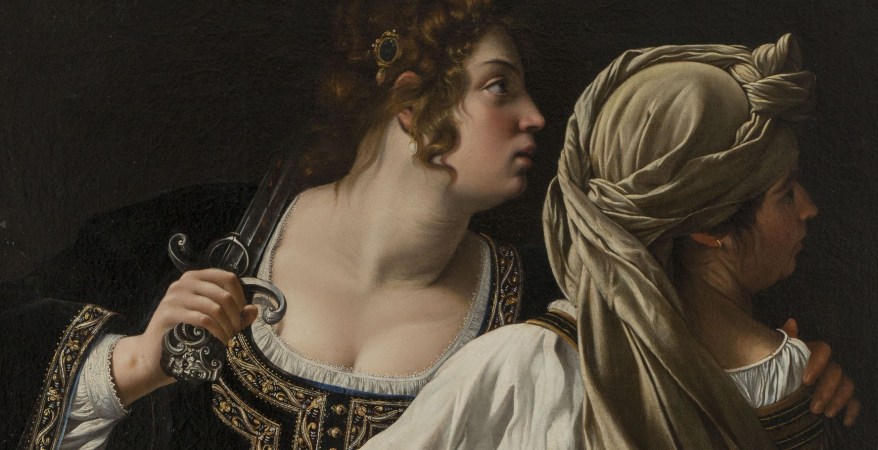
Artemisia Gentileschi, a Firenze una mostra eccezionale: oltre 50 opere e Caravaggio
🇮🇹Artemisia Gentileschi a Firenze: oltre 50 opere al Museo degli Innocenti dal 20 ottobre 2026. In mostra Giuditta, l’Allegoria dell’Inclinazione e due capolavori di Caravaggio… 🇬🇧Artemisia Gentileschi in Florence: over 50 works at the Museo degli Innocenti starting October 20, 2026. On display are Judith, the Allegory of Inclination* and two masterpieces by Caravaggio…
-
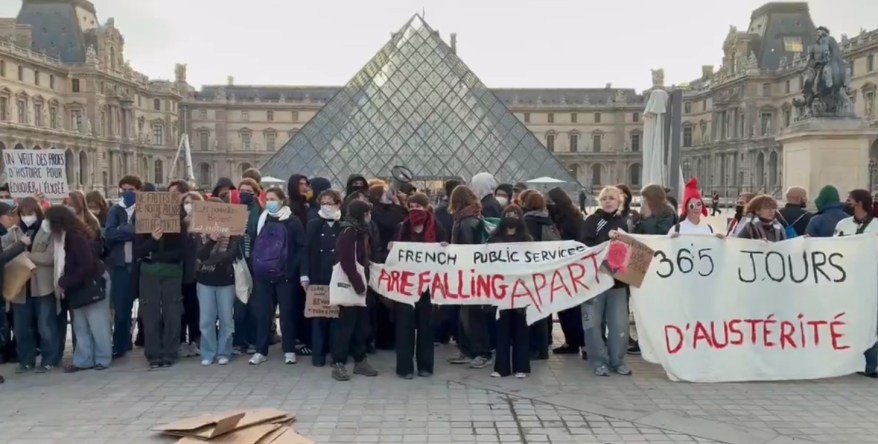
Louvre bloccato dalle proteste in Francia: museo chiuso
🇮🇹Il Museo del Louvre chiude, bloccato dalle proteste. Il museo più visitato al mondo non ha potuto aprire regolarmente questa mattina. A Parigi, un gruppo di studenti ha bloccato gli ingressi del Louvre per esprimere solidarietà al movimento dei liceali e denunciare la repressione della polizia… 🇬🇧The Louvre Museum is closed, blocked by protests. The…
-
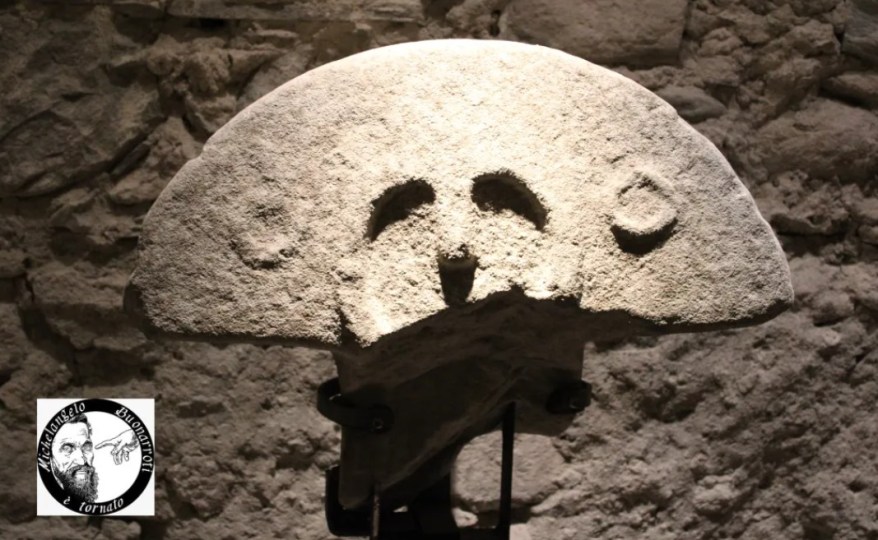
Pontremoli: il fascino silenzioso delle Statue Stele e il profumo dell’Amor
🇮🇹Ritorno al Castello del Piagnaro a Pontremoli: una visita al Museo delle Statue Stele Lunigianesi tra misteriosi volti di pietra e la dolce sosta all’Amor Pontremoli… 🇬🇧A return to the Castle of Piagnaro in Pontremoli: a visit to the Museum of the Lunigiana Stele Statues, amidst mysterious stone faces, followed by a delightful stop for…
Condividi:


Questo sono io




sostienici

Sostienici – Support Us
Se questo blog ti piace e ti appassiona, puoi aiutarci a farlo crescere sempre più sostenendoci in modo concreto condividendo i post, seguendo le pagine social e con un contributo che ci aiuta ad andare avanti con il nostro lavoro di divulgazione. . ENGLISH: If you like and are passionate about this blog, you can help us make it grow more and more by supporting us in a concrete way by sharing posts, following social pages and with a contribution that helps us to move forward with our dissemination work.
€10,00


