Io oltre il Rinascimento: l’anima dei miei marmi conquistò Rodin, Bourdelle e D’Annunzio
Non mi sarei aspettato che i miei marmi, le figure tormentate della Sagrestia Nuova e i corpi dipinti sulla volta della Sistina continuassero a parlare con tanta forza anche alla fine dell’Ottocento e nei primi decenni del Novecento.
A raccontare questa influenza delle mie opere sarà la mostra “L’anima dei marmi. Michelangelo e le visioni del Simbolismo”, ospitata alla Galleria dell’Accademia di Firenze dal 15 dicembre 2026 al 2 maggio 2027.
Curata da Anna Mazzanti e Carlo Sisi, l’esposizione propone un viaggio nella fortuna moderna della mia opera e nell’influenza che esercitai sugli artisti simbolisti italiani ed europei. Il percorso espositivo si pone l’obiettivo di comprendere come la mia ricerca sulla figura umana, sulla materia e sulla spiritualità abbia contribuito a cambiare il modo di concepire l’arte.
Quando i miei marmi hanno cominciato a parlare ai moderni
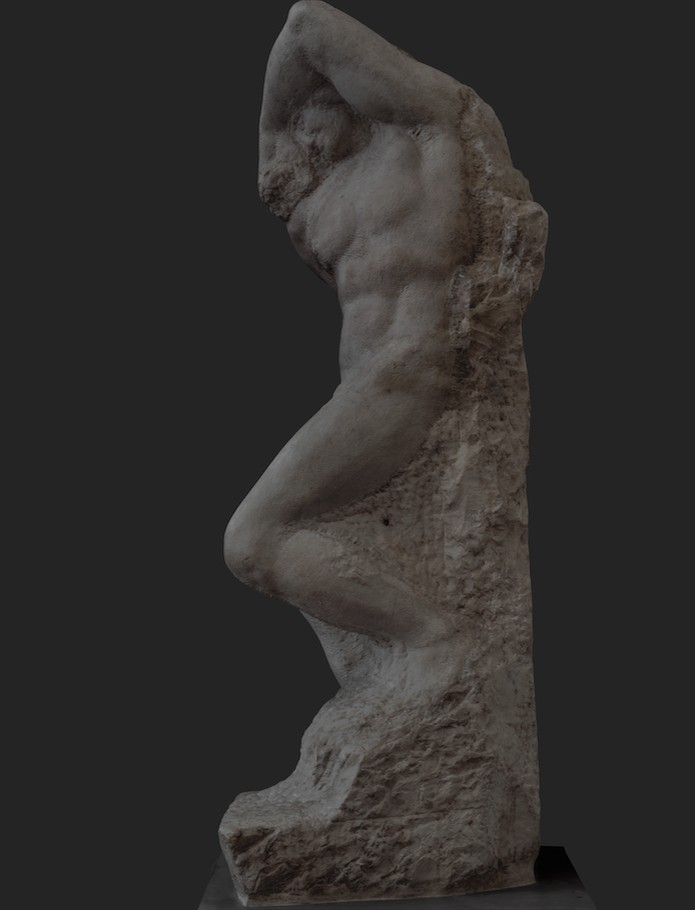
Nel 1875, Firenze celebrò il quarto centenario della mia nascita con una grande esposizione organizzata proprio alla Galleria dell’Accademia.
Quell’appuntamento ebbe un’importanza particolare. La mia figura tornò al centro del dibattito artistico e culturale, proprio mentre una nuova generazione di artisti cercava strade diverse da quelle imposte dall’accademismo.
Il naturalismo, con la sua attenzione alla riproduzione fedele della realtà, non bastava più a tutti. C’era chi desiderava andare oltre l’apparenza, chi cercava nella pittura e nella scultura un linguaggio capace di esprimere inquietudini, sogni, tensioni interiori e dimensioni spirituali.
In questa ricerca tornarono a guardare a me.
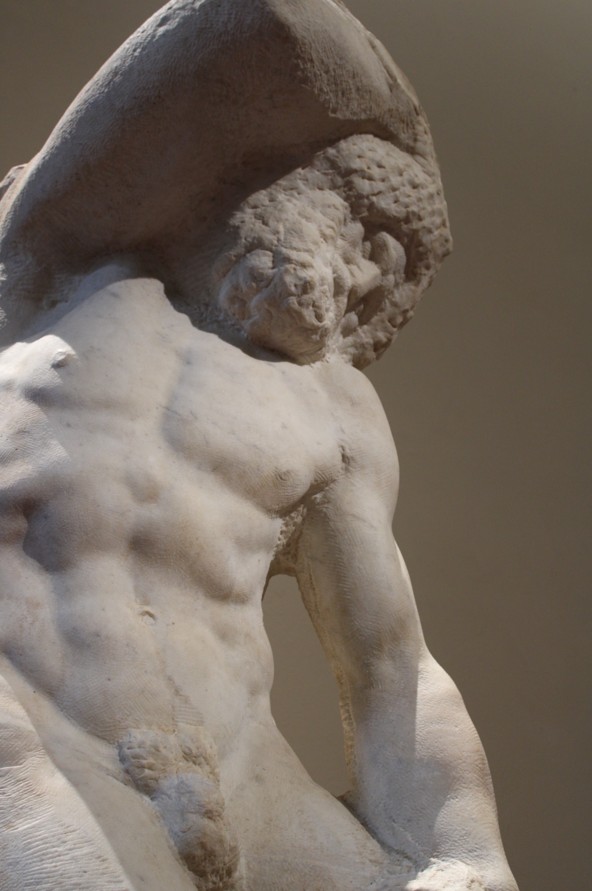
Nei miei corpi non cercavano esclusivamente la perfezione anatomica. Vedevano una forza interiore, un conflitto, una tensione che sembrava voler rompere la materia stessa. Il marmo, nelle mie mani, non era mai soltanto pietra: era un mezzo per dare forma a qualcosa che apparteneva all’anima.
Nella mostra che sta per aprire alla Galleria dell’Accademia verrà raccontato come la mia opera sia stata riletta e trasformata in un momento decisivo per la nascita di una nuova sensibilità artistica.
Da Rodin a Bourdelle: la scultura cerca una nuova anima
Fra gli artisti che dialogarono con la mia eredità ci sono nomi che hanno segnato profondamente la scultura moderna.
Penso ad Auguste Rodin, che seppe fare del corpo umano uno strumento potentissimo di espressione. Le sue figure sembrano attraversate da una tensione che non si esaurisce nella forma: i muscoli, i gesti e le torsioni diventano manifestazioni di sentimenti e conflitti interiori.
C’è anche Antoine Bourdelle, anch’egli attratto dalla monumentalità e dalla forza espressiva della figura umana. Nelle sue opere si riconosce una ricerca che guarda alla tradizione classica senza rinunciare a un linguaggio personale e moderno.
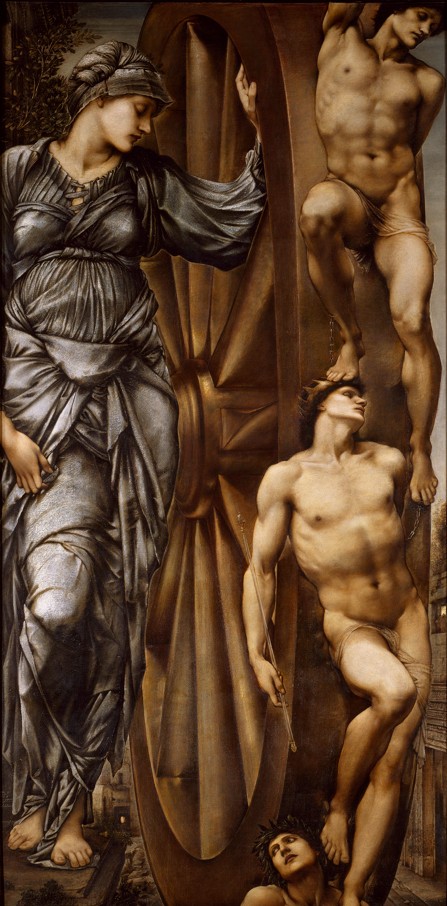
La mostra mette in relazione le mie opere anche con le visioni pittoriche di Gustave Moreau ed Edward Burne-Jones, due protagonisti di quella sensibilità simbolista che cercava nell’immagine qualcosa di ulteriore rispetto alla semplice rappresentazione del mondo.
Il Simbolismo cercava di evocare ciò che si nascondeva dietro le cose, affidando alle immagini il compito di suggerire significati, emozioni e dimensioni spirituali.
Una ricerca che, in modi diversi, aveva molto a che fare con le mie intenzioni.

La mia eredità in Italia: Bistolfi, Andreotti e Sartorio
Anche in Italia la mia influenza continuò a essere particolarmente significativa.
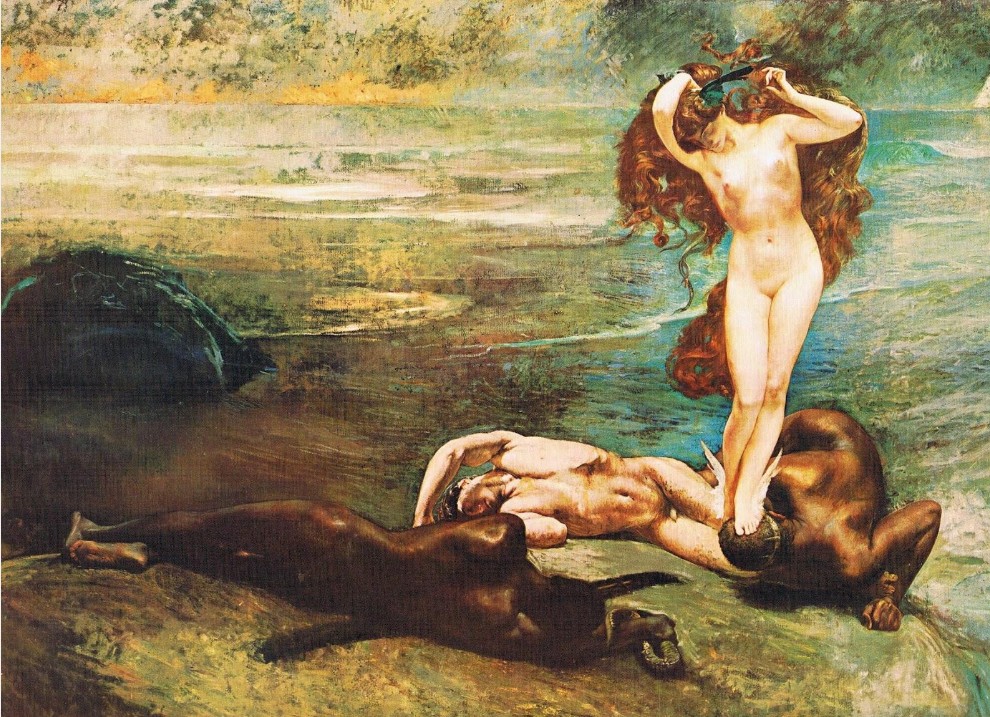
Fra i protagonisti di questo percorso troviamo Leonardo Bistolfi, scultore che fece della dimensione simbolica uno degli elementi fondamentali della propria ricerca. Le sue opere, spesso legate al tema della morte, della memoria e della spiritualità, mostrano quanto la scultura potesse diventare uno strumento per affrontare questioni che vanno ben oltre la rappresentazione del corpo.
Accanto a lui saranno presenti Libero Andreotti e Giulio Aristide Sartorio, artisti che, attraverso linguaggi differenti, contribuirono a rinnovare la cultura figurativa italiana tra Ottocento e Novecento.
Il confronto fra queste personalità permette di comprendere come la mia eredità sia stata assorbita, interpretata e trasformata, dando vita a nuove possibilità espressive.
La mia arte, insomma, non rimase confinata nel Rinascimento. Continuò a generare domande anche quando il mondo artistico aveva ormai intrapreso strade molto diverse da quelle che avevo conosciuto.
D’Annunzio e Michelangelo: quando la scultura diventa letteratura
Gabriele d’Annunzio riconobbe nella mia opera una fonte inesauribile di suggestioni. Le figure della Sagrestia Nuova, i corpi della volta della Sistina e la tensione spirituale delle mie creazioni entrarono nel suo immaginario letterario, trasformandosi in immagini, pensieri e parole.
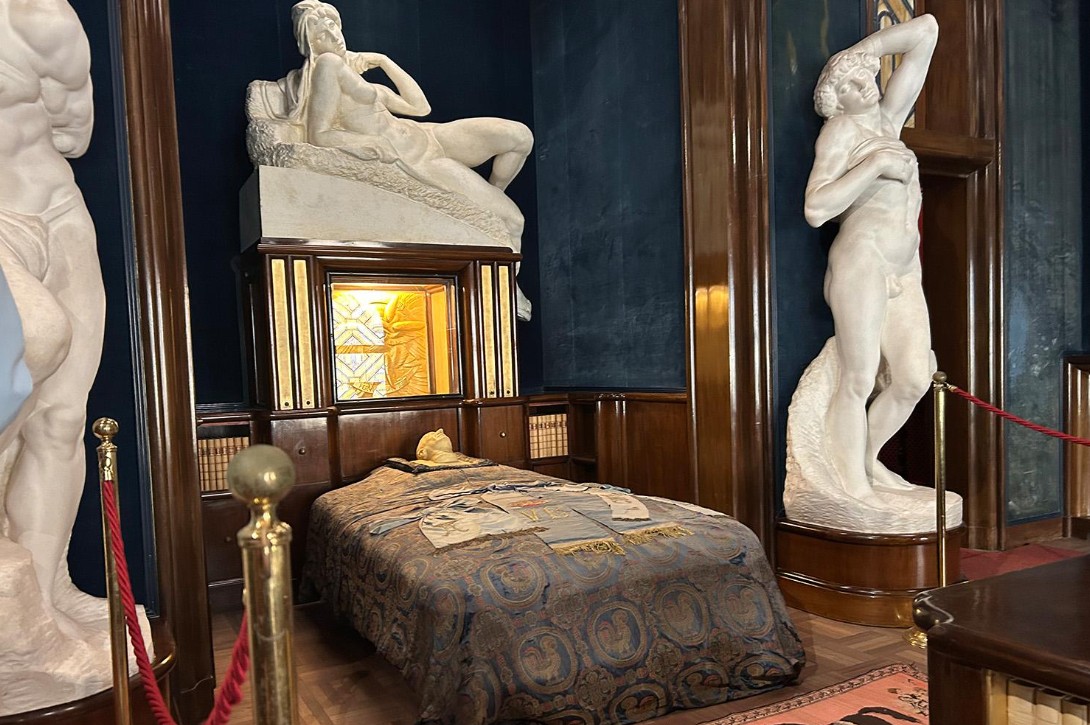
La mostra dedica a questo rapporto una sezione speciale, allestita all’interno di una ricostruzione di una stanza del Vittoriale degli Italiani.
Qui il visitatore potrà entrare idealmente nell’universo dannunziano e comprendere quanto la mia arte abbia influenzato la sua sensibilità.
Un ruolo importante sarà riservato al Notturno e ad altre opere letterarie dello scrittore, nelle quali riaffiorano le suggestioni delle mie creazioni.
Da questo rapporto emerge anche la figura di Adolfo De Carolis, artista che tradusse molte di quelle suggestioni nella propria produzione grafica e pittorica. Il suo lavoro dimostra come l’eredità michelangiolesca potesse attraversare discipline diverse, passando dalla scultura alla letteratura, dalla pittura all’illustrazione.
È una storia di rimandi e trasformazioni, nella quale le arti non rimangono separate, ma si incontrano e si alimentano reciprocamente.
Sei sezioni per raccontare la fortuna moderna di Michelangelo
l percorso espositivo si articola in sei sezioni tematiche, pensate per accompagnare il pubblico attraverso le diverse interpretazioni della mia eredità artistica.
Il punto di partenza è la riscoperta ottocentesca della mia figura, con particolare attenzione alla storica esposizione del 1875. Da qui il racconto si sviluppa attraverso il confronto con i protagonisti del Simbolismo europeo e italiano, fino ad arrivare al rapporto con D’Annunzio e alla diffusione delle suggestioni michelangiolesche nella cultura figurativa del primo Novecento.
Saranno presenti opere provenienti dal Musée Rodin, dal Musée Bourdelle, dal Musée d’Orsay, dalla Tate Britain e dal Minneapolis Institute of Art, oltre che dalle Gallerie degli Uffizi e dalla Galleria Nazionale d’Arte Moderna e Contemporanea di Roma (GNAMC).
La mostra è organizzata dal GAMB – Galleria dell’Accademia Musei del Bargello con la collaborazione di Opera Laboratori.
Per il momento il sempre vostro Michelangelo Buonarroti vi saluta dandovi appuntamento ai prossimi post e sui social.
Beyond the Renaissance: the soul of my marbles captivated Rodin, Bourdelle, and D’Annunzio
I would never have expected my marbles—the tormented figures of the New Sacristy and the bodies painted on the ceiling of the Sistine Chapel—to continue speaking with such power well into the late 19th and early 20th centuries.
This enduring influence of my work will be explored in the exhibition “The Soul of Marble: Michelangelo and the Visions of Symbolism,” hosted at the Galleria dell’Accademia in Florence from December 15, 2026, to May 2, 2027.
Curated by Anna Mazzanti and Carlo Sisi, the exhibition offers a journey through the modern legacy of my work and the influence I exerted on Symbolist artists across Italy and Europe. The exhibition aims to examine how my exploration of the human figure, materiality, and spirituality helped reshape the very conception of art.
When my marbles began to speak to the modern world
In 1875, Florence celebrated the four-hundredth anniversary of my birth with a major exhibition held at the Galleria dell’Accademia itself.
That event was of particular significance. My figure returned to the heart of artistic and cultural discourse, precisely as a new generation of artists was seeking paths beyond those dictated by academic tradition.
Naturalism—with its focus on the faithful reproduction of reality—was no longer enough for everyone. Some longed to look beyond mere appearance, seeking a language in painting and sculpture capable of expressing inner turmoil, dreams, deep-seated tensions, and spiritual dimensions.
In this pursuit, they turned their gaze back to me.
In my figures, they did not look solely for anatomical perfection. Instead, they perceived an inner strength, a conflict—a tension that seemed to strive to break free from the very material itself. In my hands, marble was never merely stone: it was a means to give form to something that belonged to the soul.
The exhibition about to open at the Galleria dell’Accademia will explore how my work was reinterpreted and transformed at a pivotal moment for the emergence of a new artistic sensibility.
From Rodin to Bourdelle: sculpture seeks a new soul
Among the artists who engaged with my legacy are figures who left a profound mark on modern sculpture.
I think of Auguste Rodin, who knew how to transform the human body into an incredibly powerful instrument of expression. His figures seem to be permeated by a tension that transcends mere form: muscles, gestures, and contortions become manifestations of inner feelings and conflicts.
Then there is Antoine Bourdelle, also drawn to the monumentality and expressive power of the human figure. His work reflects an exploration that looks toward the classical tradition while maintaining a distinct, modern personal language.
The exhibition also connects my work with the pictorial visions of Gustave Moreau and Edward Burne-Jones—two key figures of the Symbolist sensibility, which sought something beyond the simple representation of the world within an image.
Symbolism aimed to evoke what lay hidden behind things, entrusting images with the task of suggesting meanings, emotions, and spiritual dimensions.
It was an endeavor that, in various ways, resonated deeply with my own intentions.
My legacy in Italy: Bistolfi, Andreotti, and Sartorio
My influence remained particularly significant in Italy as well.
Among the key figures in this trajectory is the sculptor Leonardo Bistolfi, who made the symbolic dimension a fundamental element of his own artistic inquiry. His works—often centered on themes of death, memory, and spirituality—demonstrate how sculpture could serve as a tool for addressing issues that extend far beyond the mere representation of the human body.
Alongside him, the exhibition features Libero Andreotti and Giulio Aristide Sartorio—artists who, each through their own distinct language, helped to revitalize Italian figurative culture between the 19th and 20th centuries.
Comparing these figures reveals how my legacy was absorbed, interpreted, and transformed, giving rise to new modes of expression.
In short, my art did not remain confined to the Renaissance. It continued to provoke questions even as the art world ventured down paths vastly different from those I had known.
D’Annunzio and Michelangelo: When Sculpture Becomes Literature
Gabriele d’Annunzio found an inexhaustible source of inspiration in my work. The figures of the New Sacristy, the bodies on the Sistine Chapel ceiling, and the spiritual tension inherent in my creations all permeated his literary imagination, transmuting into images, thoughts, and words.
The exhibition dedicates a special section to this connection, housed within a reconstruction of a room from the Vittoriale degli Italiani.
Here, visitors can step into D’Annunzio’s universe and grasp the extent to which my art influenced his sensibility.
A significant role will be given to Notturno and other literary works by the writer, in which echoes of my own creations resurface.
This connection also brings to light the figure of Adolfo De Carolis, an artist who translated many of these influences into his own graphic and pictorial work. His output demonstrates how the legacy of Michelangelo could transcend various disciplines—moving from sculpture to literature, and from painting to illustration.
It is a story of cross-references and transformations, in which the arts do not remain distinct, but rather meet and nourish one another.
Six sections to explore the modern-day legacy of Michelangelo
The exhibition is organized into six thematic sections, designed to guide the public through the various interpretations of my artistic legacy.
The journey begins with the 19th-century rediscovery of my work, with a particular focus on the landmark exhibition of 1875. From there, the narrative unfolds through an exploration of my influence on key figures of European and Italian Symbolism, leading up to my relationship with D’Annunzio and the spread of “Michelangelesque” themes throughout the visual culture of the early 20th century.
The exhibition features works on loan from the Musée Rodin, the Musée Bourdelle, the Musée d’Orsay, Tate Britain, and the Minneapolis Institute of Art, as well as from the Uffizi Galleries and the National Gallery of Modern and Contemporary Art in Rome (GNAMC).
The exhibition is organized by the GAMB (Galleria dell’Accademia – Musei del Bargello) in collaboration with Opera Laboratori.
For now, your ever-faithful Michelangelo Buonarroti bids you farewell—until the next posts and our continued connection on social media.
Sostienici – Support Us
Se questo blog ti piace e ti appassiona, puoi aiutarci a farlo crescere sempre più sostenendoci in modo concreto condividendo i post, seguendo le pagine social e con un contributo che ci aiuta ad andare avanti con il nostro lavoro di divulgazione. . ENGLISH: If you like and are passionate about this blog, you can help us make it grow more and more by supporting us in a concrete way by sharing posts, following social pages and with a contribution that helps us to move forward with our dissemination work.
10,00 €
Condividi:


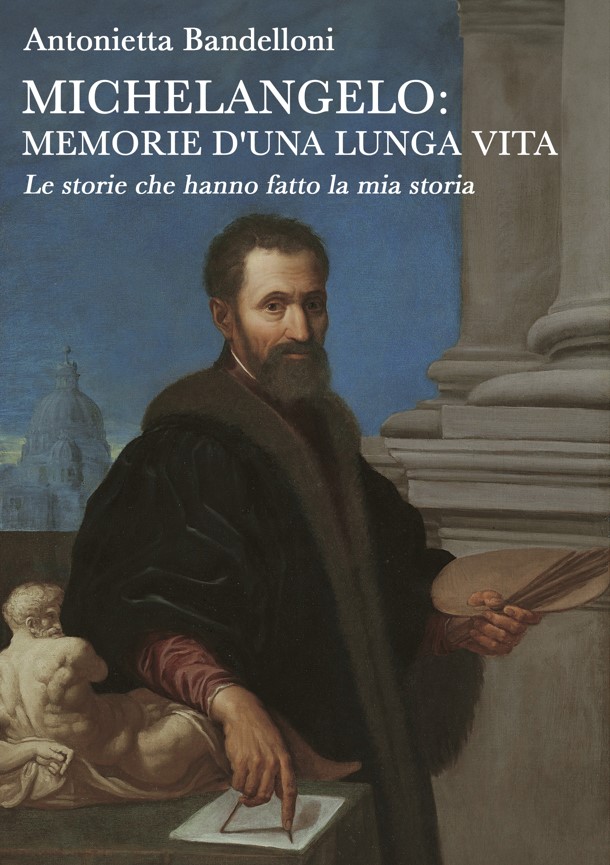
Questo sono io



sostienici
Sostienici - Support Us
Se questo blog ti piace e ti appassiona, puoi aiutarci a farlo crescere sempre più sostenendoci in modo concreto condividendo i post, seguendo le pagine social e con un contributo che ci aiuta ad andare avanti con il nostro lavoro di divulgazione. . ENGLISH: If you like and are passionate about this blog, you can help us make it grow more and more by supporting us in a concrete way by sharing posts, following social pages and with a contribution that helps us to move forward with our dissemination work.
€10,00