Perché San Giuseppe dorme nei dipinti della Natività?
Mentre Maria veglia sul Bambino, gli angeli annunciano la nascita del Salvatore e i pastori si avvicinano per adorarlo mentre San Giuseppe spesso se ne sta spesso seduto in disparte e talvolta dorme.
Perché i pittori hanno scelto di rappresentarlo addormentato proprio in un momento così importante della storia cristiana? No non era un uomo stanco dopo il lungo viaggio verso Betlemme. Dietro quella postura si nasconde qualcosa di più profondo.
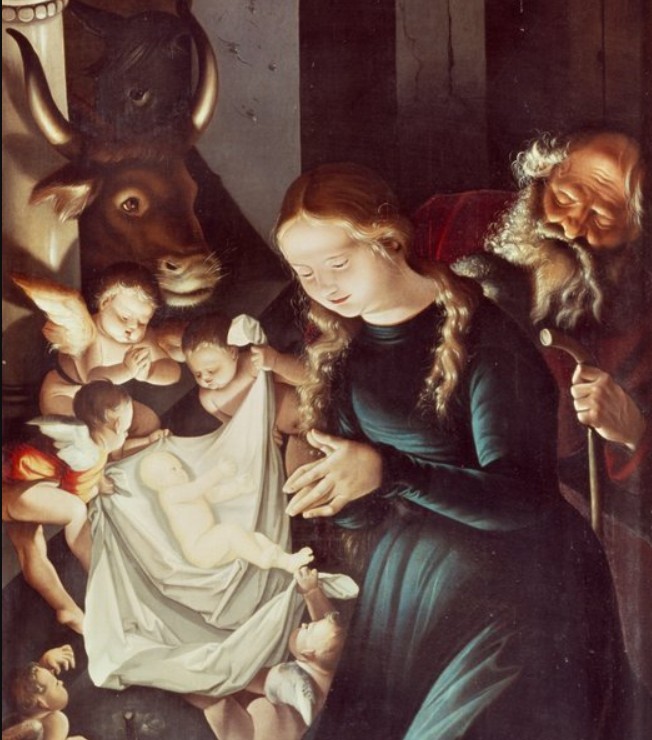
San Giuseppe addormentato
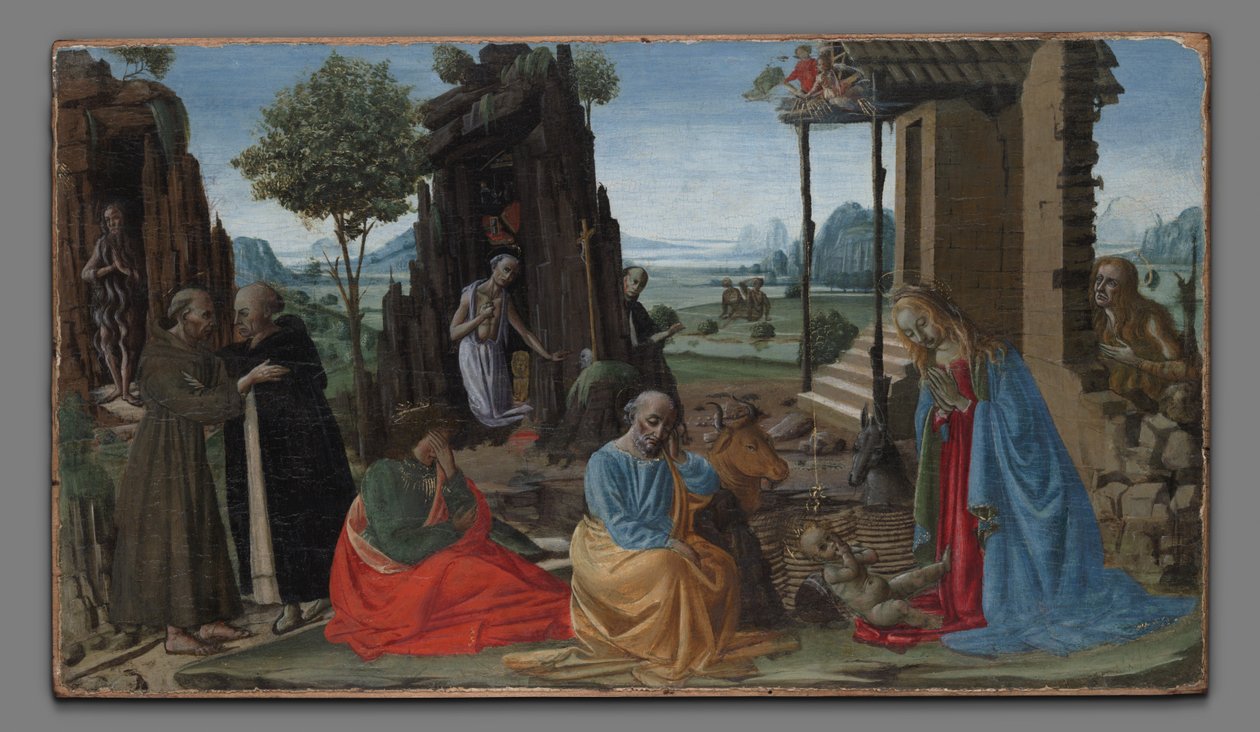
Nelle Natività medievali, la figura di san Giuseppe occupa spesso una posizione secondaria. Non è lui a tenere in braccio Gesù, non è al centro dell’adorazione e raramente condivide con Maria il protagonismo della scena.
Lo troviamo seduto, talvolta con il capo appoggiato a una mano, altre volte con gli occhi chiusi, quasi estraneo a ciò che sta accadendo.
La tradizione figurativa sottolineava così la sua particolare condizione di sposo di Maria e padre putativo di Gesù. La sua posizione marginale contribuiva a distinguere la paternità terrena e affettiva di Giuseppe dalla natura divina del Bambino.
Nei racconti evangelici Giuseppe è un uomo al quale Dio comunica la propria volontà attraverso i sogni. È durante il sonno, infatti, che riceve dall’angelo l’annuncio che il concepimento di Maria viene dallo Spirito Santo e, successivamente, le indicazioni per proteggere il Bambino.
Il sonno diventa così un elemento che richiama la dimensione del sogno, dell’ascolto e della rivelazione divina.
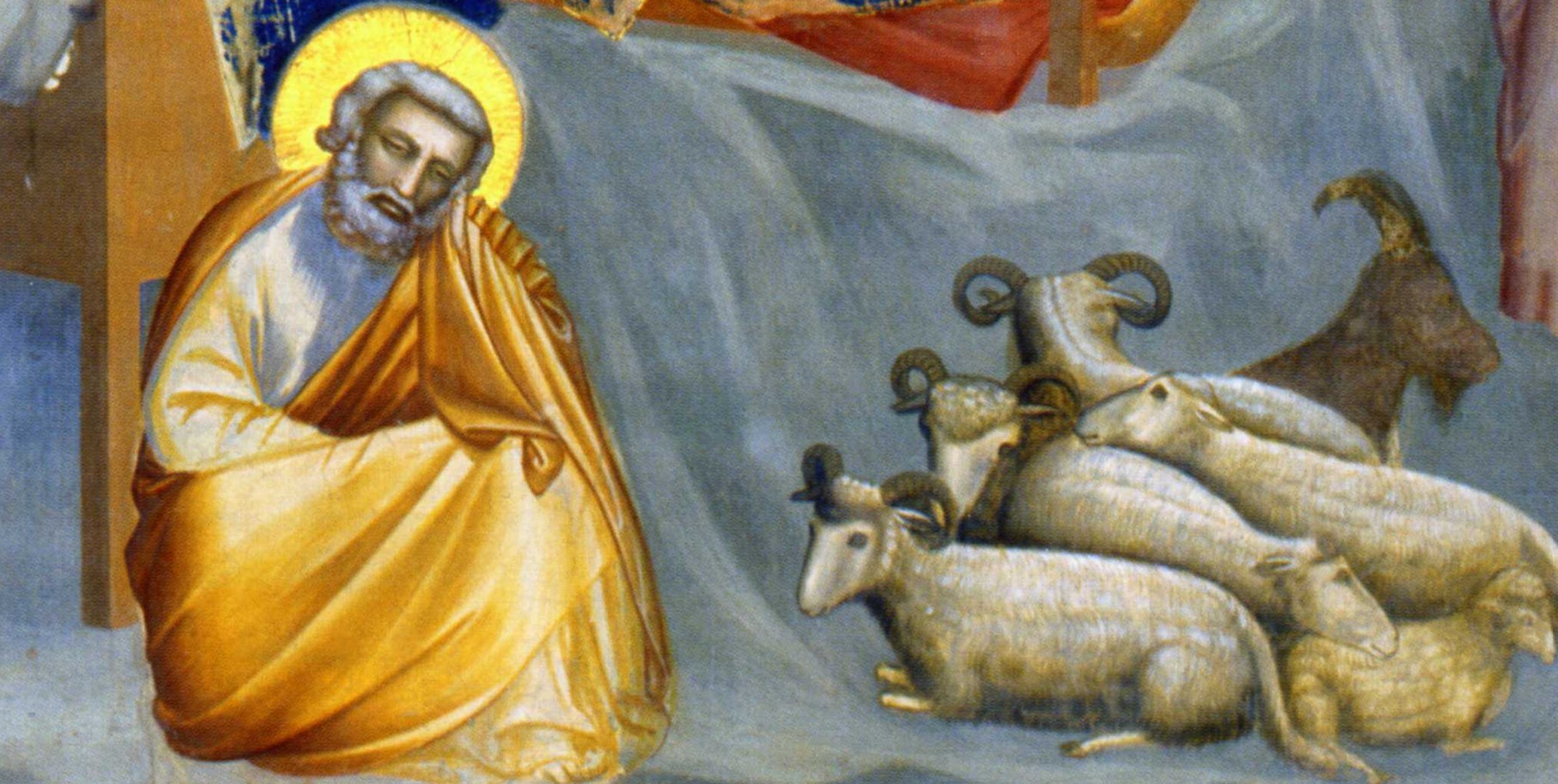
Giotto e la Natività della Cappella degli Scrovegni: Giuseppe dorme mentre nasce Gesù
Uno degli esempi più celebri si trova nella Cappella degli Scrovegni a Padova, nel grande ciclo di affreschi realizzato da Giotto tra il 1303 e il 1305 circa.
Nella scena della Natività, Maria è distesa accanto al Bambino, che viene avvolto nelle fasce e preparato per essere adagiato nella mangiatoia. La Vergine è la vera protagonista emotiva dell’episodio: il suo gesto è tenero, intimo, profondamente umano.
Giuseppe, invece, è seduto in primo piano, leggermente discosto. Ha il capo chino e gli occhi chiusi, sostenuto dalla mano, come se si fosse lasciato andare al sonno.
È impossibile non notare il contrasto tra le due figure. Da una parte Maria, completamente coinvolta nella cura del figlio; dall’altra Giuseppe, che sembra restare ai margini dell’evento.
Eppure proprio questa distanza racconta molto della concezione medievale della paternità di Giuseppe. Non è il padre biologico del Bambino, ma è l’uomo scelto per custodirlo, proteggerlo e accompagnarlo nella sua vita terrena.
Perché Giuseppe sembra non accorgersi della nascita di Gesù?
L’iconografia cristiana medievale non cercava sempre di rappresentare gli avvenimenti come se fossero una fotografia della realtà.
I pittori utilizzavano gesti, posture e posizioni per comunicare concetti teologici e raccontare più aspetti della storia sacra all’interno della stessa immagine.
Giuseppe addormentato richiama il suo rapporto con i sogni e con le rivelazioni angeliche, ma anche la sua posizione nella vicenda dell’Incarnazione.
Nella tradizione cristiana Giuseppe è il custode della Sacra Famiglia, colui che accetta una missione difficile senza cercare visibilità. È un uomo che non pronuncia parole nei racconti evangelici, ma che agisce quando è necessario.
Da figura in disparte a padre amorevole: come cambia San Giuseppe nell’arte
Con il passare dei secoli, la rappresentazione di san Giuseppe cambia profondamente. Se nelle Natività medievali è spesso un personaggio appartato, talvolta addormentato e quasi spettatore dell’evento, nelle opere successive comincia ad assumere un ruolo sempre più attivo.
Lo vediamo occuparsi del Bambino, preparare ciò che serve alla famiglia, riscaldare i panni e partecipare concretamente alla vita domestica.
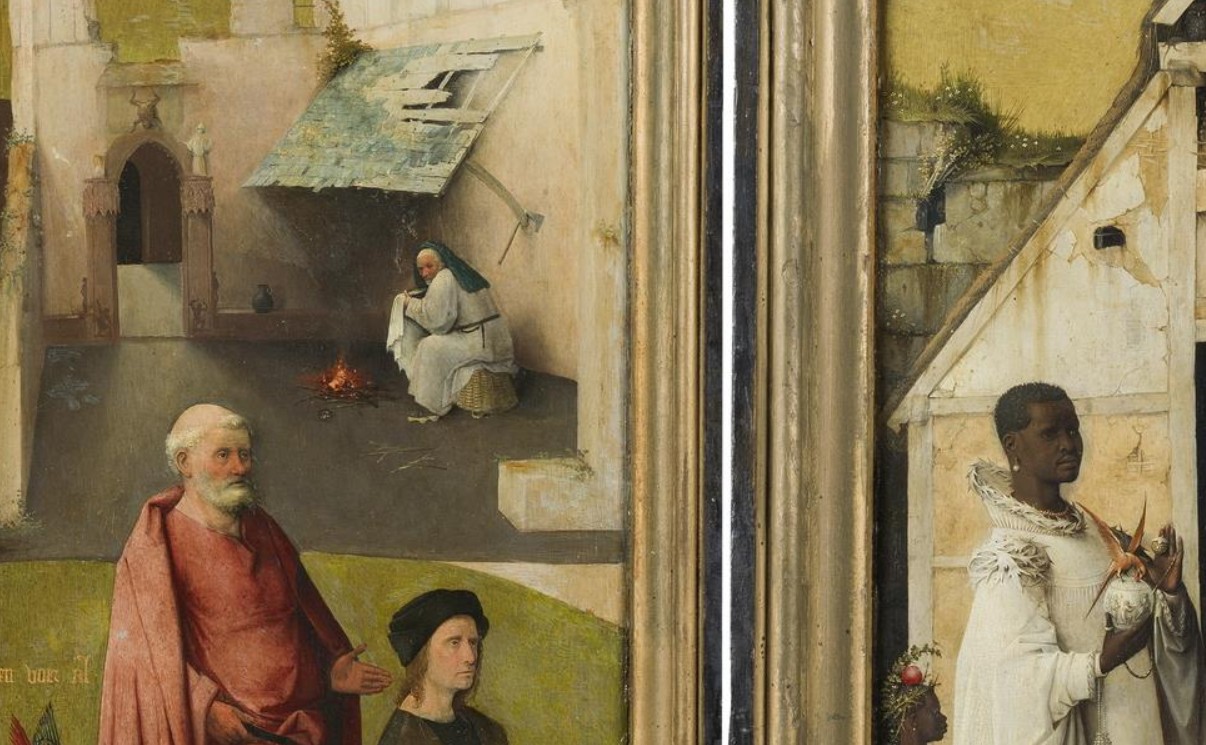
Un esempio interessante è il trittico dell’Adorazione dei Magi di Hieronymus Bosch conservato al Museo del Prado: San Giuseppe compare mentre si occupa dei panni del Bambino vicino al fuoco. Un gesto quotidiano, lontano dalla solennità delle grandi scene di adorazione, che restituisce alla figura del santo una dimensione familiare.
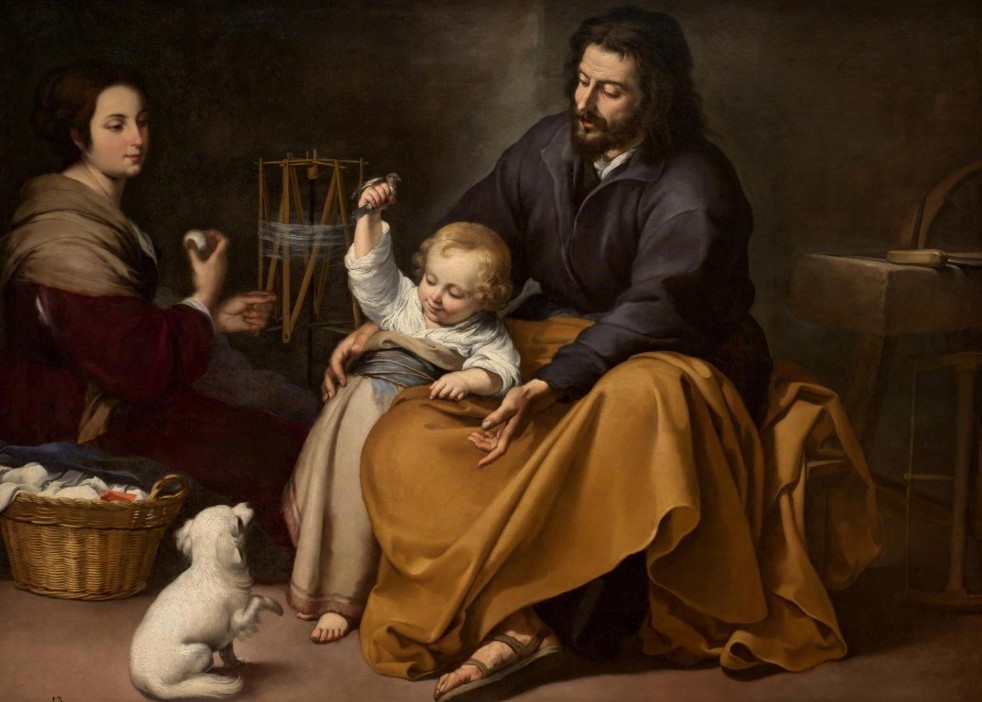
Ancora più evidente è il cambiamento nelle Sacre Famiglie di Bartolomé Esteban Murillo, dove Giuseppe assume un ruolo affettuoso e partecipe nella relazione con Gesù.
Non è più soltanto l’uomo seduto in disparte: è un padre che accudisce, protegge e ama.

Il dettaglio da cercare quando osservate una Natività
La prossima volta che vi troverete davanti a un dipinto della Natività, provate a non fermarvi soltanto davanti alla Madonna e al Bambino.
Cercate Giuseppe. Osservate dove si trova, come tiene le mani, se guarda Gesù oppure se ha gli occhi chiusi. Notate se è seduto lontano dalla mangiatoia o se partecipa direttamente alla cura del piccolo.
In quel dettaglio vedrete cambiare, attraverso i secoli, il modo in cui gli artisti hanno immaginato e raccontato la paternità di Giuseppe.
Per il momento il sempre vostro Michelangelo Buonarroti vi saluta dandovi appuntamento ai prossimi post e sui social.
Why is Saint Joseph asleep in paintings of the Nativity?
While Mary keeps watch over the Child, angels announce the birth of the Savior, and shepherds draw near to adore Him, Saint Joseph often sits apart—sometimes even fast asleep.
Why did painters choose to depict him asleep at such a pivotal moment in Christian history? It is not simply because he was a man exhausted from the long journey to Bethlehem; there is something deeper behind this posture.
Saint Joseph Asleep
In medieval Nativity scenes, Saint Joseph often occupies a secondary position. He is not the one holding Jesus, he is not at the center of the adoration, and he rarely shares the spotlight with Mary.
He is often shown seated—sometimes with his head resting on his hand, at other times with his eyes closed—appearing almost detached from the events unfolding around him.
This artistic tradition highlights his unique role as the spouse of Mary and the foster father of Jesus. His marginal position serves to distinguish Joseph’s earthly, affectionate fatherhood from the divine nature of the Child.
In the Gospel accounts, Joseph is a man to whom God communicates His will through dreams. It is during sleep that he receives the announcement from an angel—that Mary’s conception is of the Holy Spirit—and, later, the instructions on how to protect the Child.
Thus, sleep becomes a motif that evokes the realm of dreams, attentive listening, and divine revelation.
Giotto and the Nativity in the Scrovegni Chapel: Joseph Asleep as Jesus Is Born
One of the most famous examples can be found in the Scrovegni Chapel in Padua, within the grand cycle of frescoes created by Giotto between approximately 1303 and 1305. In the Nativity scene, Mary lies beside the Child, who is being wrapped in swaddling clothes in preparation for being laid in the manger. The Virgin is the true emotional heart of the scene: her gesture is tender, intimate, and profoundly human.
Joseph, by contrast, sits in the foreground, slightly set apart. His head is bowed and his eyes are closed, his chin resting on his hand, as if he has drifted off to sleep.
It is impossible not to notice the contrast between the two figures: on one side, Mary, entirely absorbed in the care of her son; on the other, Joseph, who appears to remain on the periphery of the event.
Yet, this very distance speaks volumes about the medieval conception of Joseph’s fatherhood. He is not the biological father of the Child, but rather the man chosen to watch over Him, protect Him, and accompany Him throughout His earthly life.
Why does Joseph seem unaware of the birth of Jesus?
Medieval Christian iconography did not always aim to depict events as if they were a literal photograph of reality.
Painters employed specific gestures, postures, and positions to convey theological concepts and to narrate multiple facets of the sacred story within a single image.
A sleeping Joseph alludes to his connection with dreams and angelic revelations, while also reflecting his specific role within the mystery of the Incarnation.
In the Christian tradition, Joseph is the guardian of the Holy Family—a man who accepts a challenging mission without seeking recognition. Though he speaks no words in the Gospel accounts, he acts whenever the situation demands it.
From a peripheral figure to a loving father: how the depiction of Saint Joseph has evolved in art
Over the centuries, the representation of Saint Joseph has undergone a profound transformation. While in medieval Nativity scenes he is often a figure set apart—sometimes asleep, appearing almost as a mere spectator to the event—in later works, he begins to take on an increasingly active role.
We see him tending to the Child, preparing what the family needs, warming swaddling clothes, and participating in the practicalities of domestic life.
An interesting example is the Adoration of the Magi triptych by Hieronymus Bosch, housed in the Prado Museum: Saint Joseph is shown attending to the Child’s garments by the fire. It is an everyday gesture—far removed from the solemnity of grand adoration scenes—that restores a sense of familiar, human dimension to the saint.
This shift is even more pronounced in the Holy Family paintings by Bartolomé Esteban Murillo, in which Joseph assumes an affectionate and engaged role in his relationship with Jesus.
He is no longer just a man sitting off to the side; he is a father who cares for, protects, and loves.
A detail to look for when viewing a Nativity scene
The next time you find yourself before a painting of the Nativity, try not to focus solely on the Virgin Mary and the Child.
Look for Joseph. Observe where he is positioned, how he holds his hands, and whether he is looking at Jesus or has his eyes closed. Notice whether he is sitting at a distance from the manger or if he is directly involved in caring for the little one.
In that detail, you will see how, over the centuries, artists’ conceptions and depictions of Joseph’s fatherhood have evolved.
And so, yours truly, Michelangelo Buonarroti, bids you farewell—see you in future posts and on social media.
Sostienici – Support Us
Se questo blog ti piace e ti appassiona, puoi aiutarci a farlo crescere sempre più sostenendoci in modo concreto condividendo i post, seguendo le pagine social e con un contributo che ci aiuta ad andare avanti con il nostro lavoro di divulgazione. . ENGLISH: If you like and are passionate about this blog, you can help us make it grow more and more by supporting us in a concrete way by sharing posts, following social pages and with a contribution that helps us to move forward with our dissemination work.
10,00 €

Condividi:


Questo sono io



sostienici

Sostienici - Support Us
Se questo blog ti piace e ti appassiona, puoi aiutarci a farlo crescere sempre più sostenendoci in modo concreto condividendo i post, seguendo le pagine social e con un contributo che ci aiuta ad andare avanti con il nostro lavoro di divulgazione. . ENGLISH: If you like and are passionate about this blog, you can help us make it grow more and more by supporting us in a concrete way by sharing posts, following social pages and with a contribution that helps us to move forward with our dissemination work.
€10,00