
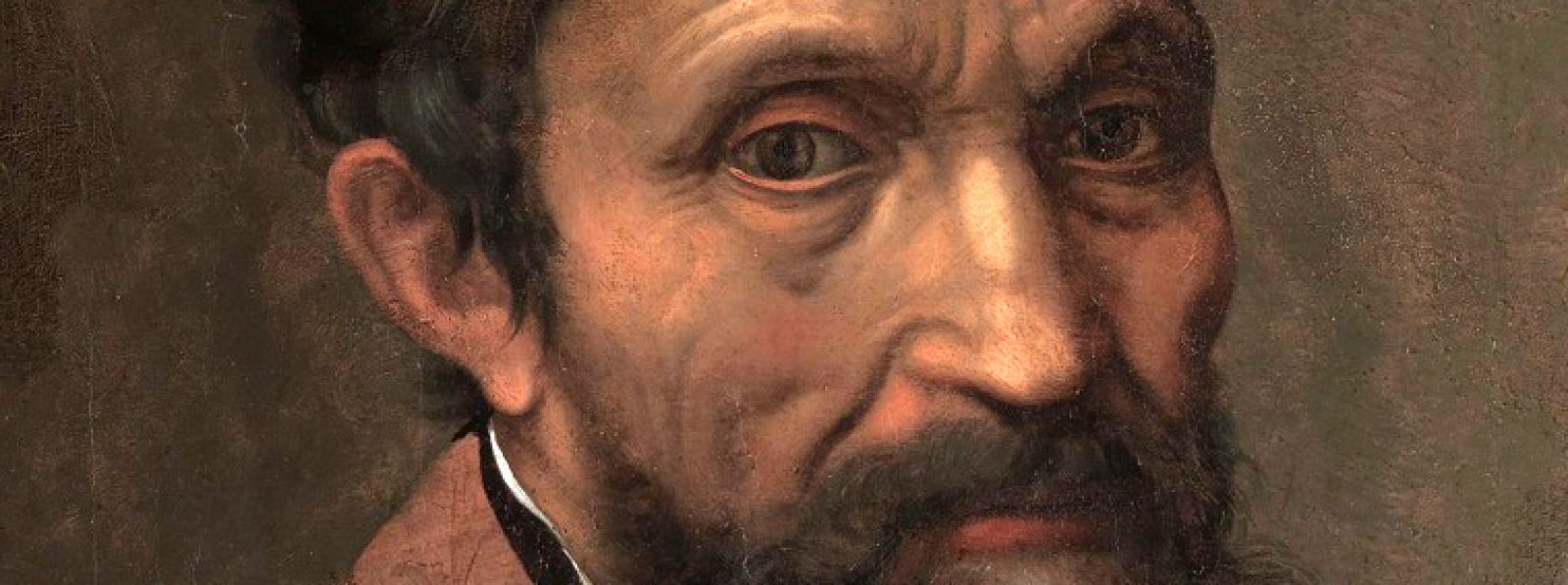
Quando il Rosso Fiorentino prese le distanze da me per non essere sopraffatto dalle mie pitture
Il Rosso Fiorentino, al secolo Giovan Battista di Jacopo di Gasparre, aveva diciannove anni meno di me.
Al contrario di me, fu grazioso nei modi, di bella presenza e in gioventù avuto modo di studiare a distanza ravvicinata i miei cartoni con la Battaglia di Cascina.
Il suo modo di dipingere con quelle arie crudeli e disperate come definì il Vasari, non mi dispiaceva affatto.
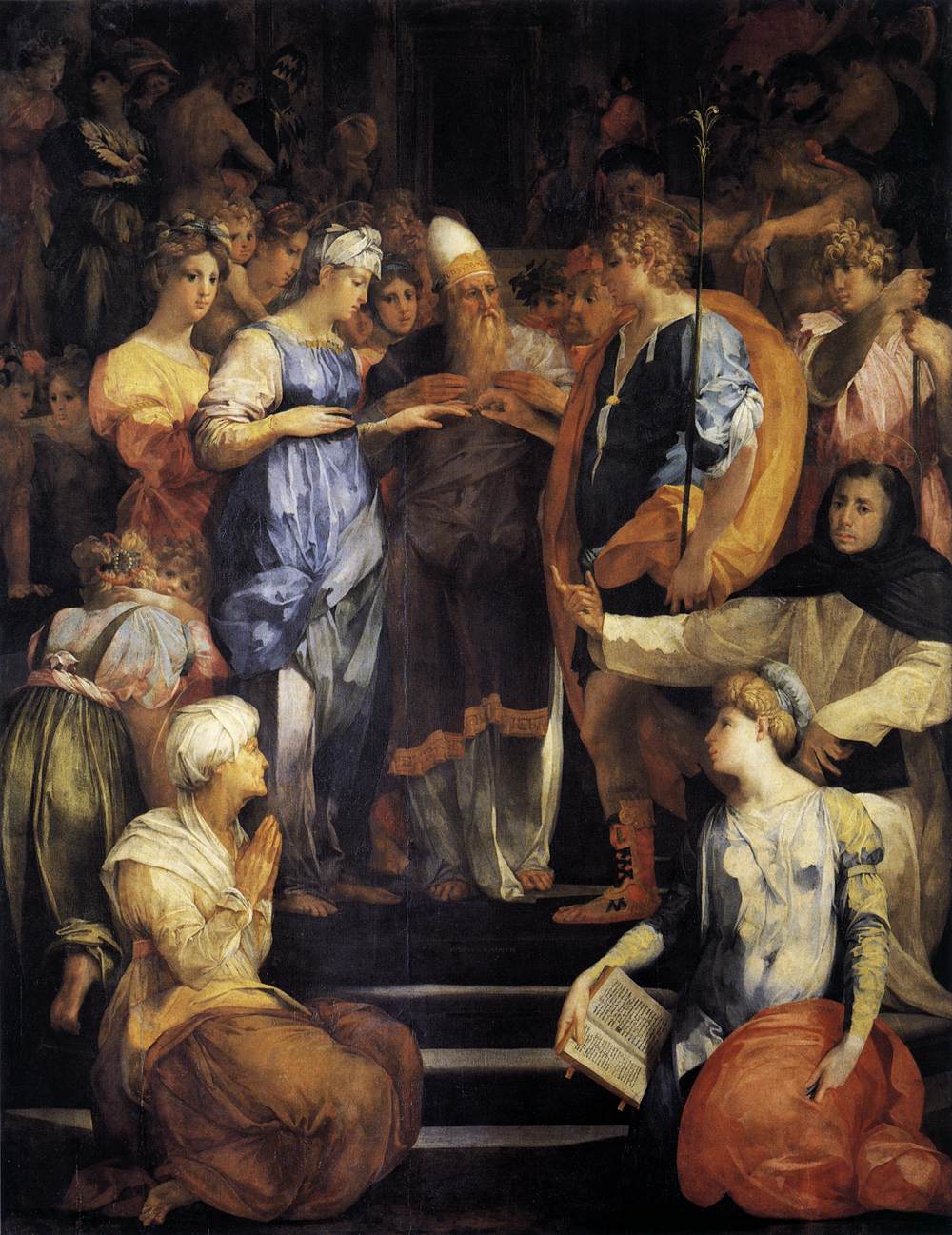
Alla stregua di tanti artisti della sua epoca, nel 1526 volle recarsi a Roma per andare a vedere e studiare con i propri occhi le antichità, le sculture mie e quegli affreschi di cui tutto il mondo parlava: quelli della volta della Sistina.
Non è un mistero che le mie pitture e sculture lo turbarono e stupirono più di tutte le alte opere che aveva mai avuto modo di conoscere fino ad allora.
Quello che è sicuro è che i miei lavoro non lasciavano mai nessuno indifferente ed erano in grado di suscitare sentimenti molto forti.
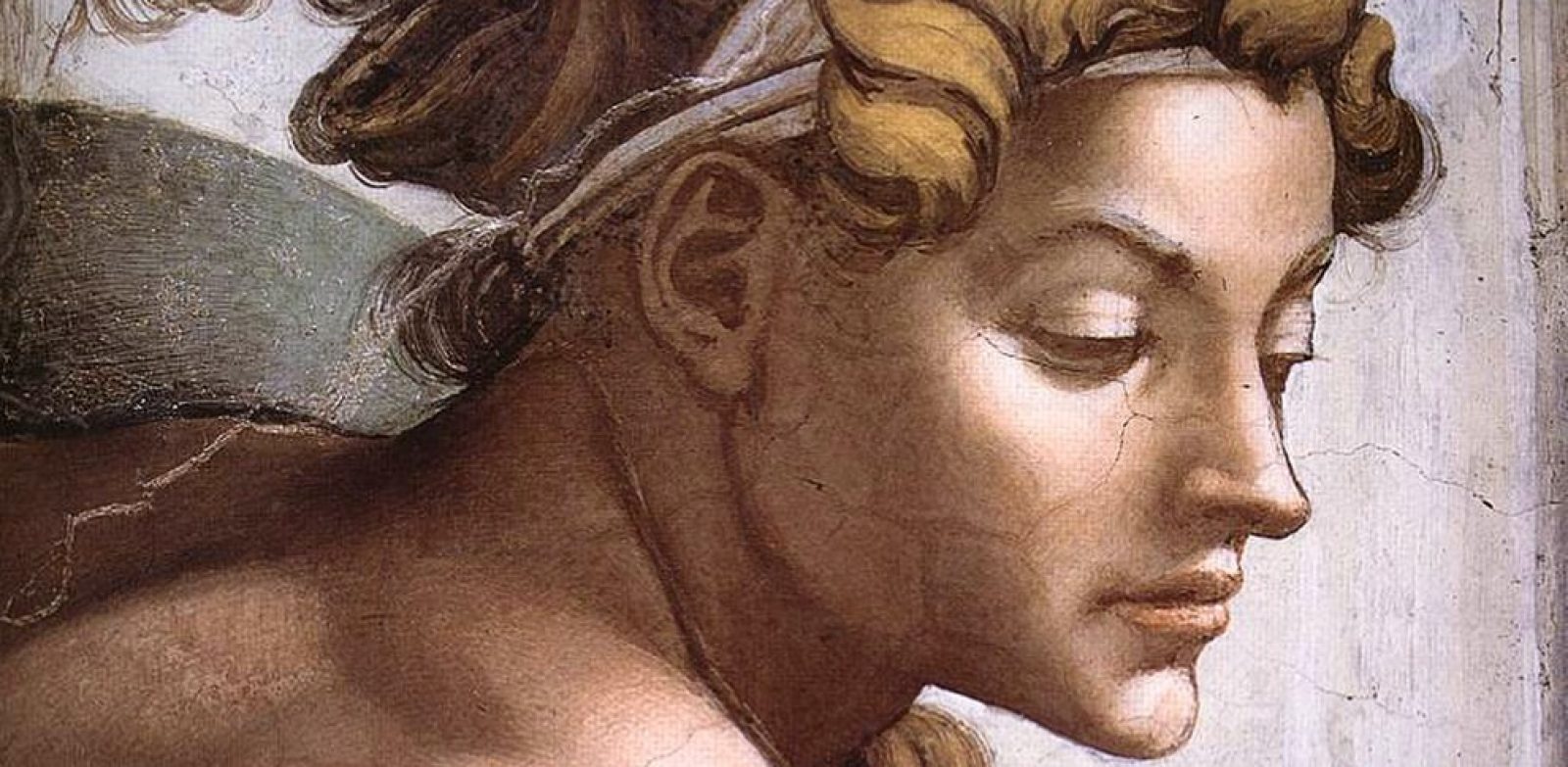
Le mie creazioni lo avevano talmente sconvolto che decise di prenderne le distanze non tanto perchè riteneva non fossero capolavori ma a mio avviso piuttosto perchè temeva di diventare un imitatore e non voleva somigliare a nessuno se non a sé stesso.
Qualche mala lingua mi fece arrivare alle orecchie la notizia di questa sua presa di distanza e il Rosso Fiorentino, dispiaciuto per il fraintendimento, volle scrivermi una lettera datata 6 ottobre 1526 nella quale spiega nel dettaglio il perché di quella sua scelta.
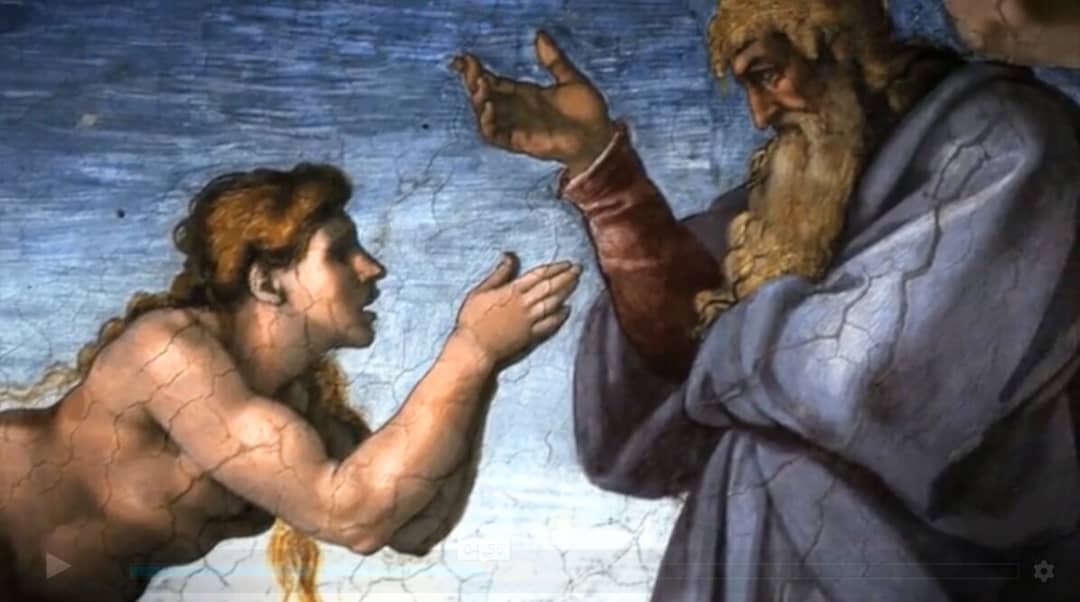
“…ha tutto causato la sincera affezione mia e timore di perdere quello che perdere non ho meritato. quest’è la grazia vostra a me sopra ogni altra carissima…”
Rosso Fiorentino
Per il momento il vostro Michelangelo Buonarroti vi saluta dandovi appuntamento ai prossimi post e sui social.
When Rosso Fiorentino distanced himself from me so as not to be overwhelmed by my paintings
Rosso Fiorentino, born Giovan Battista di Jacopo di Gasparre, was nineteen years younger than me.
Unlike me, he was graceful in his manners, good-looking and in his youth had the opportunity to study my cartoons of the Battle of Cascina at close range.
His way of painting with those cruel and desperate airs as Vasari defined it didn’t displease me at all.
Like many artists of his time, in 1526 he wanted to go to Rome to see and study with his own eyes the antiquities, my sculptures and those frescoes that the whole world was talking about: those on the vault of the Sistine Chapel.
It is no mystery that my paintings and sculptures disturbed and amazed him more than all the high works that he had ever had the opportunity to know until then.
What is certain is that my works never left anyone indifferent and were capable of arousing very strong feelings.
My creations had shocked him so much that he decided to distance himself from them, not so much because he believed they were not masterpieces but in my opinion rather because he feared becoming an imitator and did not want to resemble anyone other than himself.
Some evil tongue brought the news of his distancing to my ears and Rosso Fiorentino, sorry for the misunderstanding, wanted to write me a letter dated 6 October 1526 in which he explains in detail the reason for his choice.
“…it all caused my sincere affection and fear of losing what I didn’t deserve to lose. This is your grace to me above all others, dearest…”
Rosso Fiorentino
For the moment, your Michelangelo Buonarroti greets you and will meet you in future posts and on social media.

Sostienici – Support Us
Se questo blog ti piace e ti appassiona, puoi aiutarci a farlo crescere sempre più sostenendoci in modo concreto condividendo i post, seguendo le pagine social e con un contributo che ci aiuta ad andare avanti con il nostro lavoro di divulgazione. . ENGLISH: If you like and are passionate about this blog, you can help us make it grow more and more by supporting us in a concrete way by sharing posts, following social pages and with a contribution that helps us to move forward with our dissemination work.
8,00 €
-
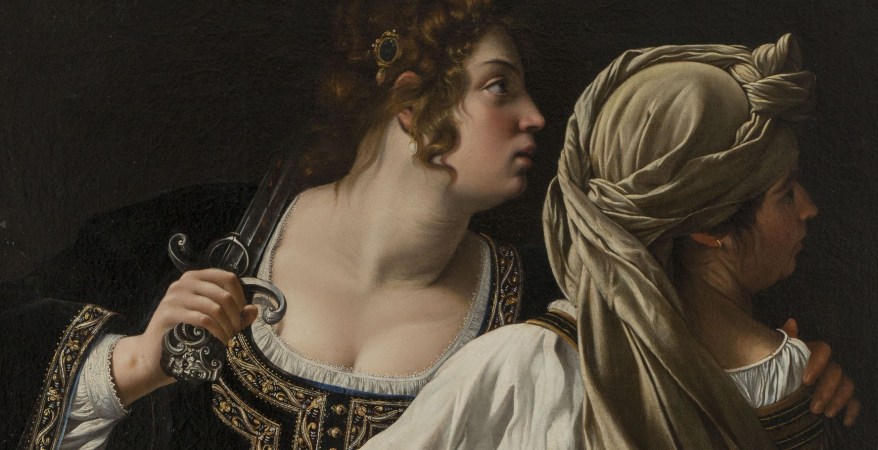
Artemisia Gentileschi, a Firenze una mostra eccezionale: oltre 50 opere e Caravaggio
🇮🇹Artemisia Gentileschi a Firenze: oltre 50 opere al Museo degli Innocenti dal 20 ottobre 2026. In mostra Giuditta, l’Allegoria dell’Inclinazione e due capolavori di Caravaggio… 🇬🇧Artemisia Gentileschi in Florence: over 50 works at the Museo degli Innocenti starting October 20, 2026. On display are Judith, the Allegory of Inclination* and two masterpieces by Caravaggio…
-
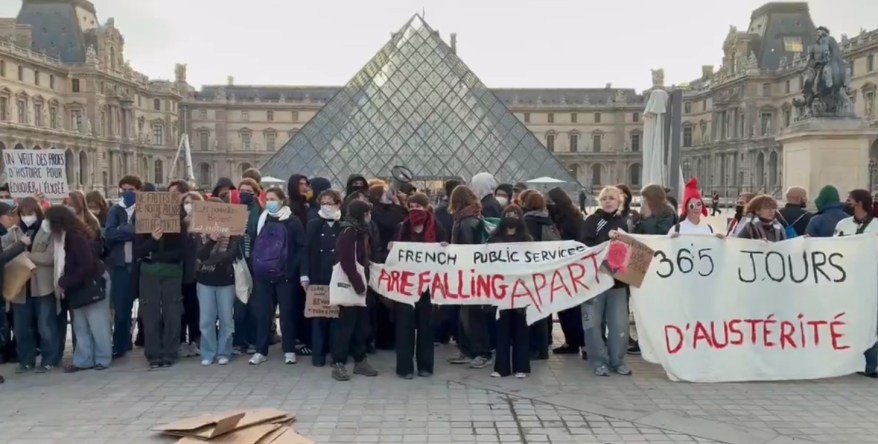
Louvre bloccato dalle proteste in Francia: museo chiuso
🇮🇹Il Museo del Louvre chiude, bloccato dalle proteste. Il museo più visitato al mondo non ha potuto aprire regolarmente questa mattina. A Parigi, un gruppo di studenti ha bloccato gli ingressi del Louvre per esprimere solidarietà al movimento dei liceali e denunciare la repressione della polizia… 🇬🇧The Louvre Museum is closed, blocked by protests. The…
-
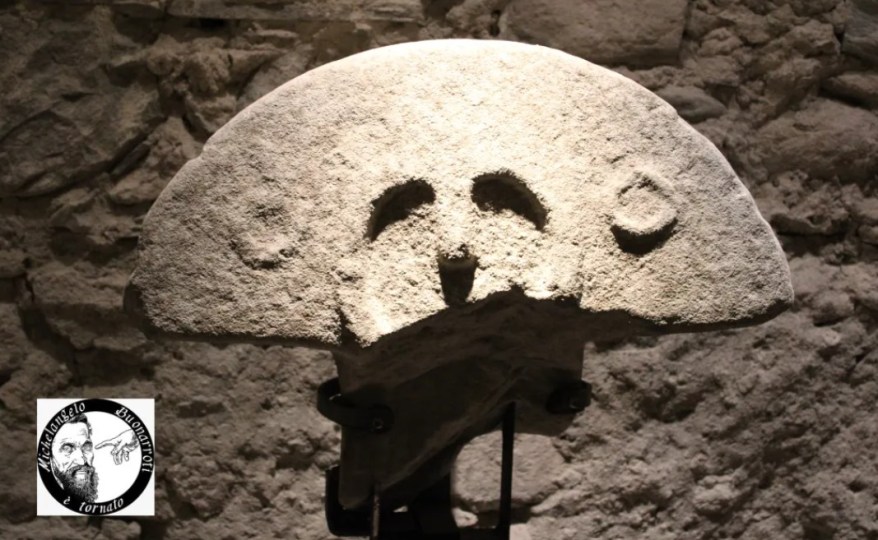
Pontremoli: il fascino silenzioso delle Statue Stele e il profumo dell’Amor
🇮🇹Ritorno al Castello del Piagnaro a Pontremoli: una visita al Museo delle Statue Stele Lunigianesi tra misteriosi volti di pietra e la dolce sosta all’Amor Pontremoli… 🇬🇧A return to the Castle of Piagnaro in Pontremoli: a visit to the Museum of the Lunigiana Stele Statues, amidst mysterious stone faces, followed by a delightful stop for…
Condividi:


Questo sono io




sostienici

Sostienici – Support Us
Se questo blog ti piace e ti appassiona, puoi aiutarci a farlo crescere sempre più sostenendoci in modo concreto condividendo i post, seguendo le pagine social e con un contributo che ci aiuta ad andare avanti con il nostro lavoro di divulgazione. . ENGLISH: If you like and are passionate about this blog, you can help us make it grow more and more by supporting us in a concrete way by sharing posts, following social pages and with a contribution that helps us to move forward with our dissemination work.
€10,00


