

Il Cupido di Jacques Saly che conquistò Madame de Pompadour
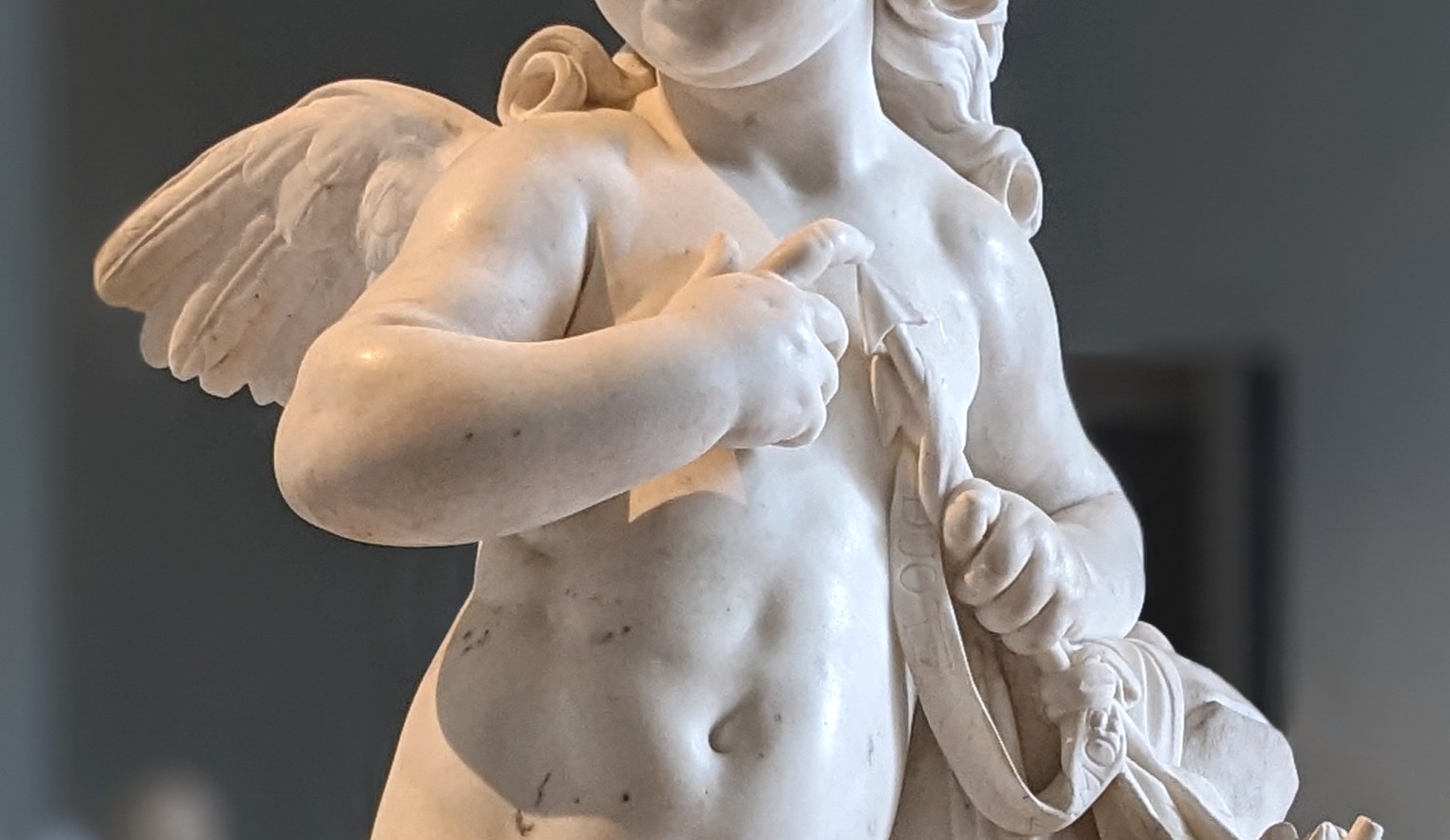
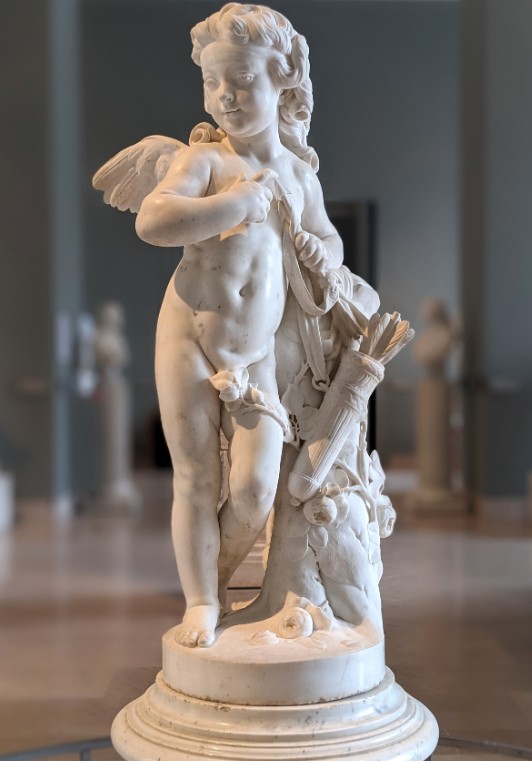
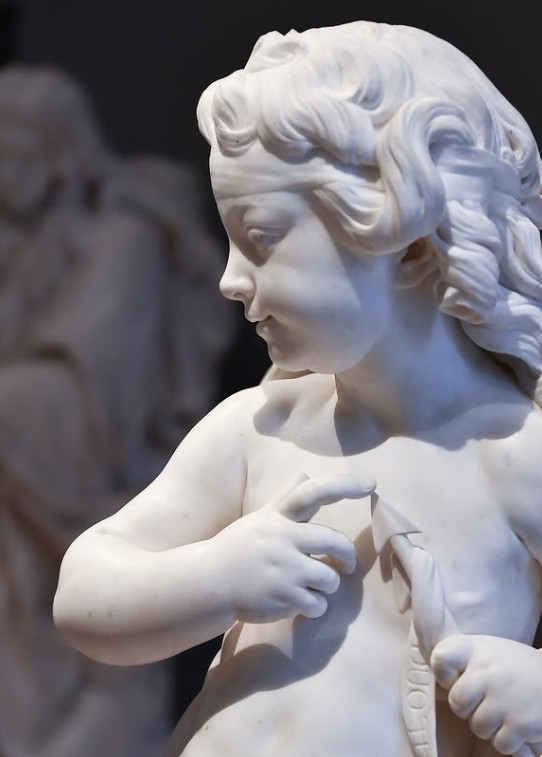
Tra i più raffinati capolavori della scultura francese del Settecento, Amore che prova una delle sue frecce di Jacques Saly rappresenta una delle opere più affascinanti conservate al Museo del Louvre. Realizzata nel 1753 in marmo statuario, la scultura raffigura un giovane Cupido intento a testare la punta di una delle sue frecce, simbolo del potere irresistibile dell’amore.
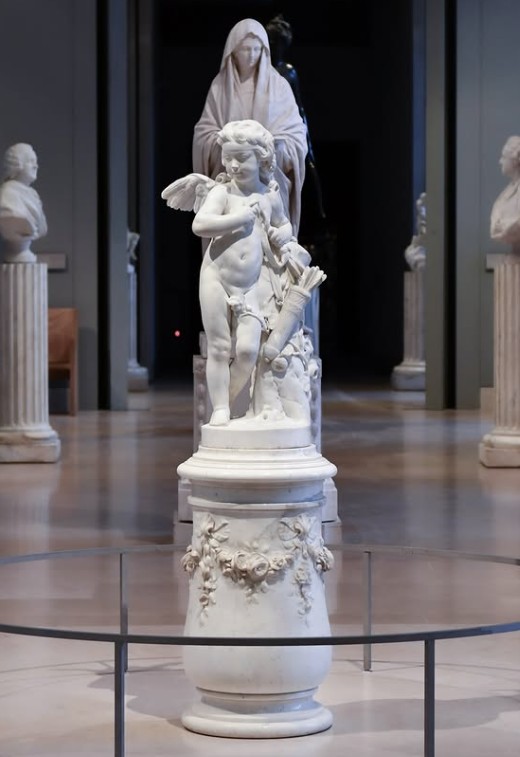
L’opera, alta 97 centimetri e poggiata su una preziosa base scolpita da Jacques Verberckt, è considerata uno dei vertici della sensibilità rococò francese, capace di unire grazia, eleganza e perfezione tecnica.
Il legame con Madame de Pompadour e Luigi XV
La scultura fu commissionata da Madame de Pompadour, celebre favorita di Re Luigi XV e grande mecenate delle arti. Nel 1753 l’opera venne donata al sovrano francese e presentata al prestigioso Salon del Louvre, l’evento artistico più importante della Francia del XVIII secolo.
Madame de Pompadour fu una delle più influenti promotrici della cultura francese del suo tempo e contribuì in modo decisivo alla carriera di numerosi artisti. Tra questi vi era anche Jacques Saly, che grazie alla protezione dell’aristocrazia riuscì a ottenere importanti incarichi sia in Francia sia all’estero.
Il significato simbolico di Cupido che prova la sua freccia
La scena rappresentata da Saly è tanto semplice quanto evocativa. Cupido osserva attentamente la punta della freccia che tiene tra le mani, quasi volesse verificarne l’efficacia prima di colpire una nuova vittima.
L’artista stesso spiegò il significato dell’opera: il dio dell’amore sorride mentre contempla le due frecce che porteranno gioia o sofferenza agli esseri umani. Un riferimento diretto alle Metamorfosi di Ovidio, dove Cupido utilizza due frecce dagli effetti opposti: una per accendere la passione amorosa e l’altra per generare rifiuto e disprezzo.
Sulla fascia che lega le frecce compare infatti l’iscrizione latina “Duo tela unus amor”, ovvero “due frecce, un solo amore”.
La straordinaria abilità di Jacques Saly nel marmo
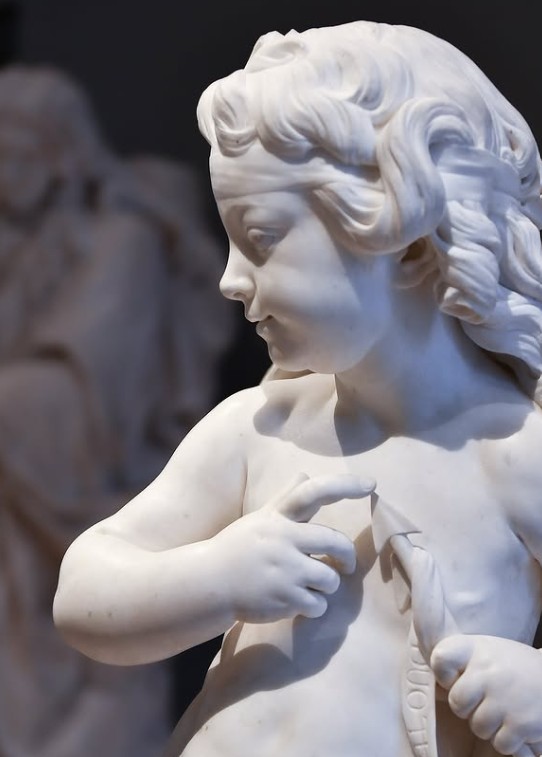
Uno degli aspetti più sorprendenti della scultura è la capacità di Jacques Saly di trasformare il marmo in materia viva. La morbidezza della pelle, la delicatezza delle ali e l’espressione maliziosa del volto di Cupido testimoniano una padronanza tecnica eccezionale.
Ogni dettaglio è studiato per trasmettere leggerezza e naturalezza. Le superfici sembrano animate dalla luce, mentre il corpo del giovane dio appare sospeso in un momento di riflessione che precede l’azione.
Questa combinazione di virtuosismo e sensibilità emotiva rende l’opera uno dei migliori esempi della scultura francese del XVIII secolo.
Jacques Saly, lo scultore che conquistò l’Europa
Nato nel 1717, Jacques Saly fu uno dei più importanti scultori del suo tempo. Entrò a far parte della Reale Accademia di Pittura e Scultura francese grazie al sostegno del celebre Edme Bouchardon.
Proprio nel 1753, anno della realizzazione di Amore che prova una delle sue frecce, Saly si trasferì in Danimarca per lavorare alla monumentale statua equestre di Federico V e contribuì alla fondazione della Reale Accademia Danese di Belle Arti di Copenaghen.
Nonostante la lunga permanenza all’estero, la sua fama rimase legata anche ai grandi capolavori realizzati in Francia, tra cui questa celebre raffigurazione di Cupido.
Dal collezionismo privato al Museo del Louvre
Per oltre due secoli la scultura rimase in collezioni private legate ai discendenti dei suoi proprietari. La sua storia moderna è particolarmente affascinante: nel 2002 venne esposta pubblicamente durante una mostra dedicata a Madame de Pompadour presso la Reggia di Versailles.
Nel 2006 lo Stato francese la dichiarò Tesoro Nazionale, riconoscendone l’eccezionale valore storico e artistico. Successivamente il Museo del Louvre riuscì ad acquisirla definitivamente, inserendola nelle proprie collezioni permanenti nel 2016.
Oggi il capolavoro di Jacques Saly è considerato una delle più importanti testimonianze della scultura rococò francese.
Per il momento il sempre vostro Michelangelo Buonarroti vi saluta dandovi appuntamento ai prossimi post e sui social.
Jacques Saly’s Cupid Who Won Madame de Pompadour’s Heart
Among the finest masterpieces of 18th-century French sculpture, Cupid Testing One of His Arrows by Jacques Saly is one of the most fascinating works in the Louvre Museum. Made in 1753 from statuary marble, the sculpture depicts a young Cupid testing the tip of one of his arrows, a symbol of the irresistible power of love.
The work, 97 centimeters tall and resting on a precious base sculpted by Jacques Verberckt, is considered one of the pinnacles of French Rococo sensibility, combining grace, elegance, and technical perfection.
The Connection with Madame de Pompadour and Louis XV
The sculpture was commissioned by Madame de Pompadour, the celebrated mistress of King Louis XV and a great patron of the arts. In 1753, the work was donated to the French monarch and presented at the prestigious Salon du Louvre, the most important artistic event in 18th-century France.
Madame de Pompadour was one of the most influential promoters of French culture of her time and contributed significantly to the careers of numerous artists. Among them was Jacques Saly, who, thanks to the patronage of the aristocracy, was able to secure important commissions both in France and abroad.
The Symbolic Meaning of Cupid Testing His Arrow
The scene depicted by Saly is as simple as it is evocative. Cupid carefully observes the tip of the arrow he holds in his hands, as if testing its effectiveness before striking a new victim.
The artist himself explained the meaning of the work: the god of love smiles as he contemplates the two arrows that will bring joy or suffering to humanity. This is a direct reference to Ovid’s Metamorphoses, where Cupid uses two arrows with opposing effects: one to ignite amorous passion and the other to generate rejection and contempt.
The band tying the arrows bears the Latin inscription “Duo tela unus amor,” or “two arrows, one love.”
Jacques Saly’s extraordinary skill in marble
One of the most striking aspects of the sculpture is Jacques Saly’s ability to transform marble into living matter. The softness of the skin, the delicacy of the wings, and the mischievous expression on Cupid’s face testify to an exceptional technical mastery.
Every detail is designed to convey lightness and naturalness. The surfaces seem animated by light, while the body of the young god appears suspended in a moment of reflection preceding action.
This combination of virtuosity and emotional sensitivity makes the work one of the finest examples of 18th-century French sculpture.
Jacques Saly, the sculptor who conquered Europe
Born in 1717, Jacques Saly was one of the most important sculptors of his time. He joined the Royal Academy of Painting and Sculpture thanks to the support of the renowned Edme Bouchardon.
In 1753, the year Cupid Testing One of His Arrows was created, Saly moved to Denmark to work on the monumental equestrian statue of Frederick V and contributed to the founding of the Royal Danish Academy of Fine Arts in Copenhagen.
Despite his long stay abroad, his fame remained linked to the great masterpieces he created in France, including this famous depiction of Cupid.
From Private Collections to the Louvre Museum
For over two centuries, the sculpture remained in private collections belonging to the descendants of its owners. Its modern history is particularly fascinating: in 2002, it was publicly exhibited during an exhibition dedicated to Madame de Pompadour at the Palace of Versailles.
In 2006, the French state declared it a National Treasure, recognizing its exceptional historical and artistic value. The Louvre Museum subsequently acquired it permanently, adding it to its permanent collections in 2016.
Today, Jacques Saly’s masterpiece is considered one of the most important examples of French Rococo sculpture.
For now, yours truly, Michelangelo Buonarroti, bids farewell and invites you to join him in future posts and on social media.

Sostienici – Support Us
Se questo blog ti piace e ti appassiona, puoi aiutarci a farlo crescere sempre più sostenendoci in modo concreto condividendo i post, seguendo le pagine social e con un contributo che ci aiuta ad andare avanti con il nostro lavoro di divulgazione. . ENGLISH: If you like and are passionate about this blog, you can help us make it grow more and more by supporting us in a concrete way by sharing posts, following social pages and with a contribution that helps us to move forward with our dissemination work.
10,00 €
Articoli


Condividi:


Questo sono io




sostienici

Sostienici – Support Us
Se questo blog ti piace e ti appassiona, puoi aiutarci a farlo crescere sempre più sostenendoci in modo concreto condividendo i post, seguendo le pagine social e con un contributo che ci aiuta ad andare avanti con il nostro lavoro di divulgazione. . ENGLISH: If you like and are passionate about this blog, you can help us make it grow more and more by supporting us in a concrete way by sharing posts, following social pages and with a contribution that helps us to move forward with our dissemination work.
€10,00


