

La Scultura del giorno: Fuga da Pompei del Benzoni
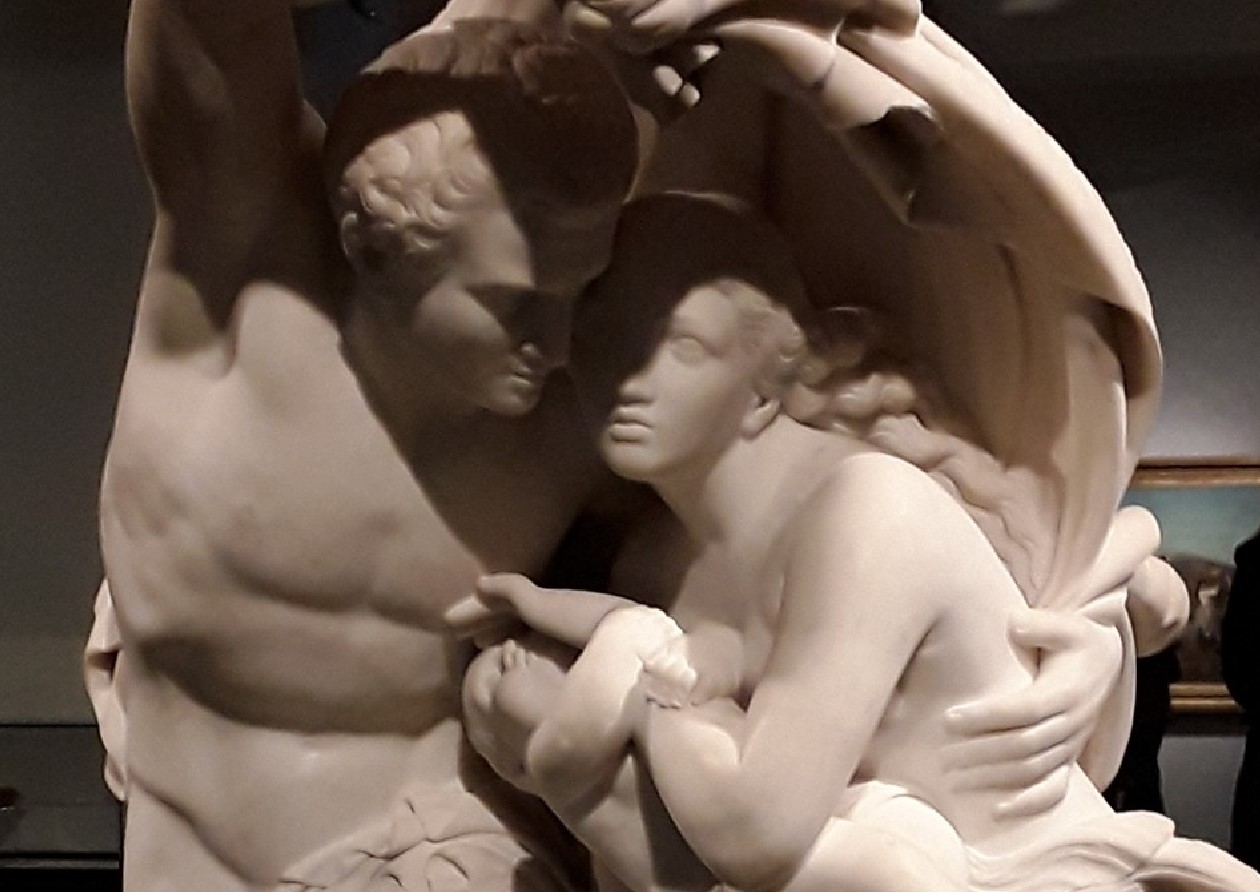
La scultura del giorno che vi propongo oggi è la Fuga da Pompei scolpita dall’artista bergamasco Giovanni Maria Benzoni nel 1873 e oggi appartenente al The Art Institute of Chicago.
Benzoni si formò all’Accademia di San Luca Roma ed ebbe modo di visitare per la prima volta gli scavi di Pompei nel 1860, rimanendo intimamente toccato dal dramma vissuto dalle persone che proprio lì persero la vita in massa in quel fatidico 24 ottobre del 79 d.C, quando il Vesuvio eruttò in modo esplosivo seppellendo Pompei, Ercolano, Stabia e Oplontis.
Gli scavi erano stati avviati nel 1748, sotto il regno di Carlo di Borbone, re delle due Sicilie. Al tempo non venivano fatte indagini sistematiche ma si scavava in diverse zone dell’area interessata dall’eruzione.
Benzoni, pensando al progetto per il gruppo scultoreo della coppia di sposi che tentano di fuggire tenendo fra le braccia il loro figlio, immaginò che già la cenere avesse cominciato a posarsi sui panneggi che coprono in parte i loro corpi.
Ai piedi delle due figure spaventate, si vedono monete, un’anfora, gioielli, una pagnotta e gioielli che oramai sono quasi sepolti dalla coltre di cenere che poco a poco si sta depositando.
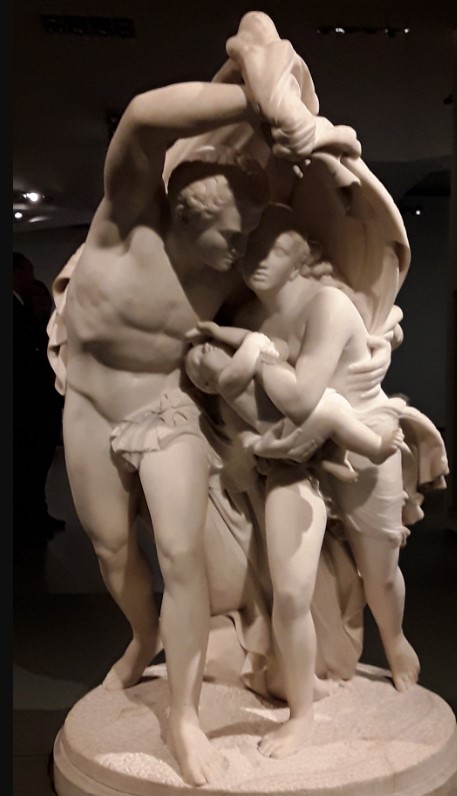
Osservando bene noterete anche la presenza delle copie di reperti tutt’oggi custodite presso il Museo Archeologico di Napoli che Benzoni volle inserire in questo contesto.
La madre con un gesto istintivo cerca di proteggere il volto del bambino per garantirgli perlomeno la possibilità di respirare mentre il padre con un mantello sostenuto sopra le teste, prova a proteggersi e a proteggere la moglie e il figlio.
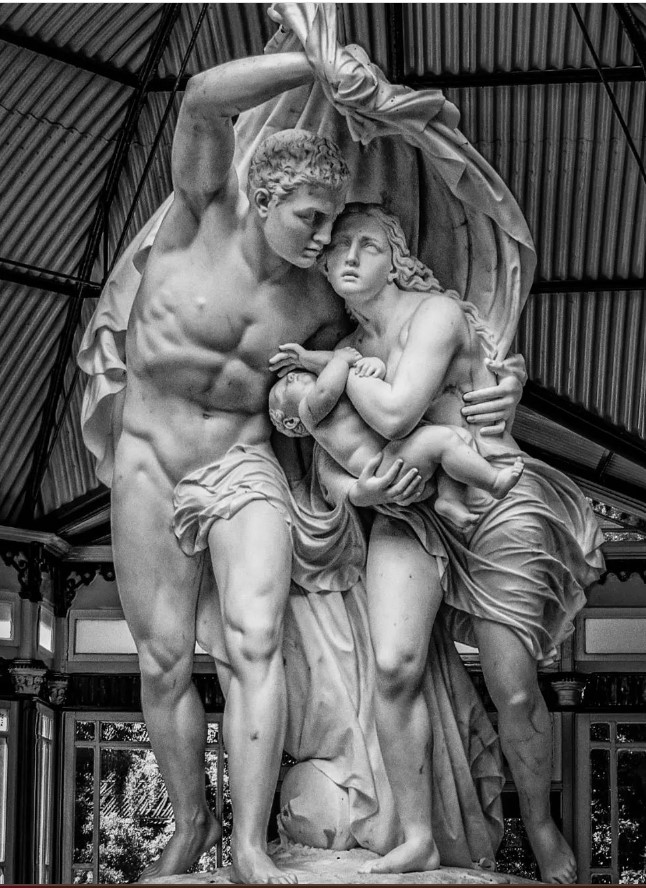
Quest’opera di Benzoni fu molto apprezzata dai contemporanei per la cruda drammaticità e per la resa delle emozioni dei protagonisti coinvolti nella terribile e disperatissima fuga.
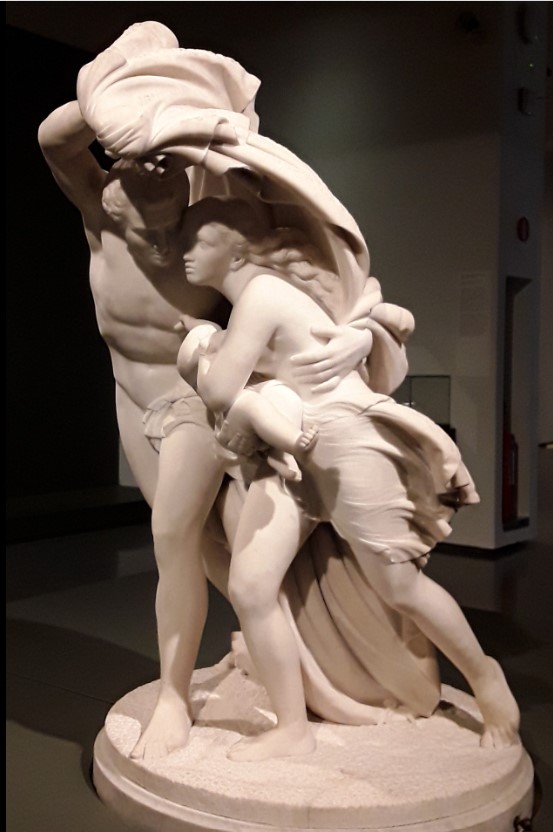
L’artista realizzò un bozzetto in terracotta prima di mettere mano al marmo e tre repliche successive autografe custodite oggi negli Stati Uniti e in Australia.
Il libro che racconta i tre giorni di Pompei
Uno dei libri più noti al grande pubblico dedicati a Pompei è quello scritto da Alberto Angela che racconta per filo e per segno ciò che accadde prima e durante l’eruzione.
Un libro ben scritto e ricco di dettagli. Basato sul testo di Plinio il Giovane e altri documenti, Alberto Angela per scrivere questo corposo volume si è avvalso dei dati raccolti dagli archeologi e di vulcanologi.
La narrazione ha inizio la mattina del 24 ottobre del 79 d.C. e procede ora per ora fino al momento del risveglio del Vesuvius che ora dopo ora sprigionerà una quantità di energia pari a cinquantamila bombe atomiche. In meno di venti ore la città sarà soffocata da pomici e una pioggia di ceneri mischiate a gas tossici.
I TRE GIORNI DI POMPEI lo trovate qua

Per il momento il vostro michelangelo Buonarroti vi saluta dandovi appuntamento ai prossimi post e sui social.
Sculpture of the day: Escape from Pompeii by Benzoni
The sculpture of the day that I propose to you today is the Escape from Pompeii sculpted by the Bergamo artist Giovanni Maria Benzoni in 1873 and today belonging to The Art Institute of Chicago.
Benzoni trained at the Accademia di San Luca Rome and had the opportunity to visit the excavations of Pompeii for the first time in 1860, remaining intimately touched by the drama experienced by the people who lost their lives en masse there on that fateful 24 October 79 AD , when Vesuvius erupted explosively, burying Pompeii, Herculaneum, Stabia and Oplontis.
The excavations had started in 1748, under the reign of Charles of Bourbon, king of the two Sicilies. At the time, no systematic investigations were carried out but excavations were carried out in different areas of the area affected by the eruption.
Benzoni, thinking about the project for the sculptural group of the married couple trying to escape holding their son in their arms, imagined that the ash had already begun to settle on the drapery that partially covers their bodies.
At the feet of the two frightened figures, we can see coins, an amphora, jewels, a loaf of bread and jewels which are now almost buried by the blanket of ash which is gradually depositing.
If you look closely you will also notice the presence of copies of finds still kept today in the Archaeological Museum of Naples that Benzoni wanted to include in this context.
The mother, with an instinctive gesture, tries to protect the child’s face to at least guarantee him the possibility of breathing while the father, with a cloak held over his head, tries to protect himself and his wife and son.
This work by Benzoni was much appreciated by his contemporaries for its raw drama and for the rendering of the emotions of the protagonists involved in the terrible and desperate escape.
The artist created a terracotta sketch before working on marble and three subsequent autograph replicas now kept in the United States and Australia.
For the moment, your Michelangelo Buonarroti greets you and will meet you in future posts and on social media.

Sostienici – Support Us
Se questo blog ti piace e ti appassiona, puoi aiutarci a farlo crescere sempre più sostenendoci in modo concreto condividendo i post, seguendo le pagine social e con un contributo che ci aiuta ad andare avanti con il nostro lavoro di divulgazione. . ENGLISH: If you like and are passionate about this blog, you can help us make it grow more and more by supporting us in a concrete way by sharing posts, following social pages and with a contribution that helps us to move forward with our dissemination work.
8,00 €
-
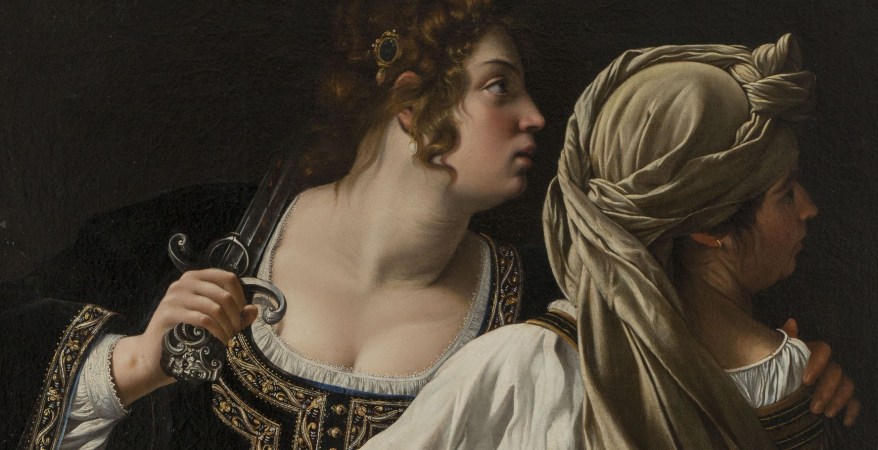
Artemisia Gentileschi, a Firenze una mostra eccezionale: oltre 50 opere e Caravaggio
🇮🇹Artemisia Gentileschi a Firenze: oltre 50 opere al Museo degli Innocenti dal 20 ottobre 2026. In mostra Giuditta, l’Allegoria dell’Inclinazione e due capolavori di Caravaggio… 🇬🇧Artemisia Gentileschi in Florence: over 50 works at the Museo degli Innocenti starting October 20, 2026. On display are Judith, the Allegory of Inclination* and two masterpieces by Caravaggio…
-
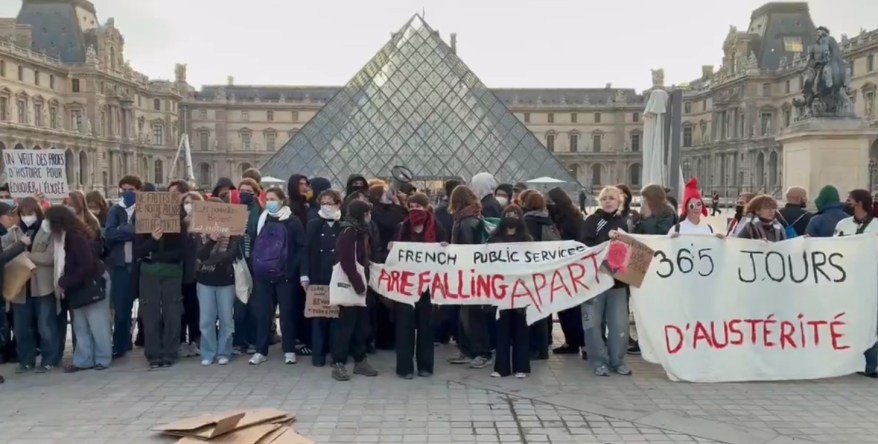
Louvre bloccato dalle proteste in Francia: museo chiuso
🇮🇹Il Museo del Louvre chiude, bloccato dalle proteste. Il museo più visitato al mondo non ha potuto aprire regolarmente questa mattina. A Parigi, un gruppo di studenti ha bloccato gli ingressi del Louvre per esprimere solidarietà al movimento dei liceali e denunciare la repressione della polizia… 🇬🇧The Louvre Museum is closed, blocked by protests. The…
-
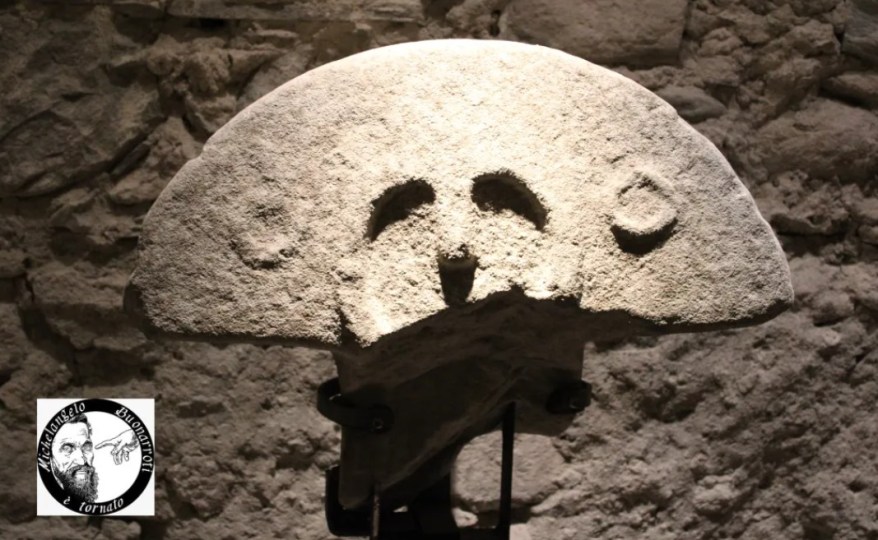
Pontremoli: il fascino silenzioso delle Statue Stele e il profumo dell’Amor
🇮🇹Ritorno al Castello del Piagnaro a Pontremoli: una visita al Museo delle Statue Stele Lunigianesi tra misteriosi volti di pietra e la dolce sosta all’Amor Pontremoli… 🇬🇧A return to the Castle of Piagnaro in Pontremoli: a visit to the Museum of the Lunigiana Stele Statues, amidst mysterious stone faces, followed by a delightful stop for…
Condividi:


Questo sono io




sostienici

Sostienici – Support Us
Se questo blog ti piace e ti appassiona, puoi aiutarci a farlo crescere sempre più sostenendoci in modo concreto condividendo i post, seguendo le pagine social e con un contributo che ci aiuta ad andare avanti con il nostro lavoro di divulgazione. . ENGLISH: If you like and are passionate about this blog, you can help us make it grow more and more by supporting us in a concrete way by sharing posts, following social pages and with a contribution that helps us to move forward with our dissemination work.
€10,00


