

Quel torso in terracotta di Casa Buonarroti
A Casa Buonarroti sono presenti dieci modelli di discussa autografia che furono ritrovati in un armadio presente nell’edificio da Rosina Vendramin, nobildonna anglo-veneziana che aveva l’ultimo discendente diretto della famiglia: Cosimo Buonarroti.
I modelli rinvenuti a metà Ottocento dalla Vendramin erano rimasti in disparte e celati alla vista fin dagli inizi del Settecento.

Esposte all’interno di teche in cristallo, di queste opere si ignora la provenienza originaria e le testimonianze più antiche esistenti non riescono ad andare più indietro del 1664, momento in cui Filippo Baldinucci donò a Leonardo Buonarroti un modello a detta sua di mano mia.
Fra questi bozzetti è possibile apprezzare un torso virile in terracotta, altro 23 centimetri, attribuito alla mia cerchia ma non direttamente riferibile a me.
Ora dovete sapere che prima di scolpire un’opera, era mia abitudine ma anche degli artisti a me contemporanei realizzare un modello in terra cruda che consentisse di riprodurre la figura che avevo precedentemente disegnato, con le luci e le ombre giuste da riprodurre successivamente nell’opera scultorea.

Sebbene la parte frontale del torso virile in questione sia modellata con accuratezza, è assai difficile poter pensare si tratti di un modello preparatorio. In genere i bozzetti, come vi ho accennato prima, erano in terra cruda e non era affatto necessario renderli permanenti sottoponendoli alla cottura.
Pensate per esempio al modello del Dio Fluviale in argilla cruda oppure a quello più colossale del Ratto delle sabine del Giambologna, oggi custodito all’interno della Galleria dell’Accademia: anche quello è in terra cruda.

Il semplice fatto che il torso sia stato sottoposto a cottura, esclude sia un modello preparatorio senza considerare poi che non sono note opere a me riconducibili che abbiano questa postura del busto.
Sebbene il modellato della parte frontale sia accurato, quello del retro è più approssimativo e meno dettagliato.
Per il momento il vostro Michelangelo Buonarroti vi saluta dandovi appuntamento ai prossimi post e sui social.
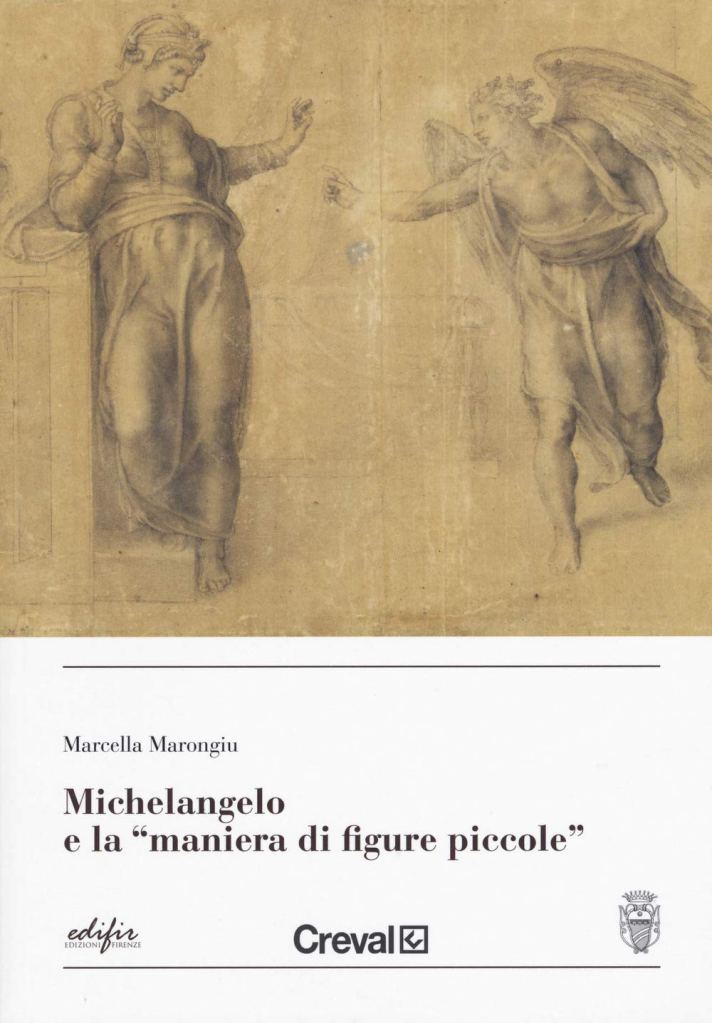
That terracotta torso of Casa Buonarroti
At Casa Buonarroti there are ten models of controversial autography that were found in a wardrobe in the building by Rosina Vendramin, an Anglo-Venetian noblewoman who married the last direct descendant of the family: Cosimo Buonarroti.
The models found in the mid-nineteenth century by Vendramin had remained to one side and hidden from view since the beginning of the eighteenth century.
Exhibited in crystal cases, the original provenance of these works is unknown and the oldest existing testimonies cannot go back further than 1664, when Filippo Baldinucci gave Leonardo Buonarroti a model, according to him, by my hand .
Among these sketches it is possible to appreciate a virile terracotta torso, 23 centimeters high, attributed to my circle but not directly attributable to me.
Now you must know that before sculpting a work, it was my habit, but also that of my contemporary artists, to create a raw earth model that would allow me to reproduce the figure I had previously drawn, with the right lights and shadows to be reproduced later in the sculptural work.
Although the frontal part of the male torso in question is modeled with accuracy, it is very difficult to think it is a preparatory model. Generally the sketches, as I mentioned before, were in raw earth and it was not at all necessary to make them permanent by subjecting them to firing.
Think, for example, of the model of the River God in raw clay or the more colossal one of the Rape of the Sabine women by Giambologna, now housed in the Accademia Gallery: that too is in raw earth.
The simple fact that the torso was fired excludes it from being a preparatory model without considering that there are no known works attributable to me that have this posture of the bust.
Although the modeling of the front is accurate, the modeling of the back is rougher and less detailed.
For the moment, your Michelangelo Buonarroti greets you by making an appointment for the next posts and on social media.

Sostienici – Support Us
Se questo blog ti piace e ti appassiona, puoi aiutarci a farlo crescere sempre più sostenendoci in modo concreto condividendo i post, seguendo le pagine social e con un contributo che ci aiuta ad andare avanti con il nostro lavoro di divulgazione. . ENGLISH: If you like and are passionate about this blog, you can help us make it grow more and more by supporting us in a concrete way by sharing posts, following social pages and with a contribution that helps us to move forward with our dissemination work.
8,00 €
-
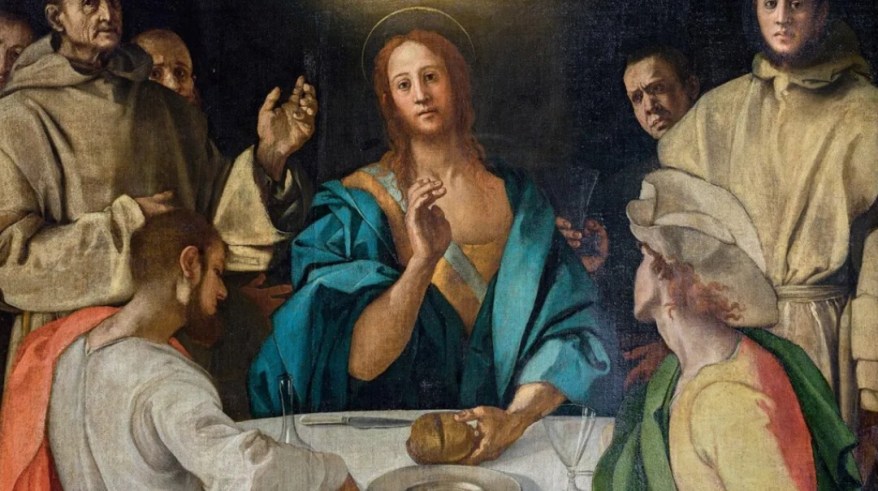
Cena in Emmaus di Pontormo: il pane, il gatto e il cane alle Scuderie del Quirinale
La Cena in Emmaus di Pontormo nasconde dettagli sorprendenti: il significato del pane, i simboli e il mistero della Resurrezione. Scopri il capolavoro del 1525 in mostra alle Scuderie del Quirinale a Roma… 🇬🇧Pontormo’s *Supper at Emmaus* conceals surprising details: the significance of the bread, various symbols, and the mystery of the Resurrection. Discover this…
-
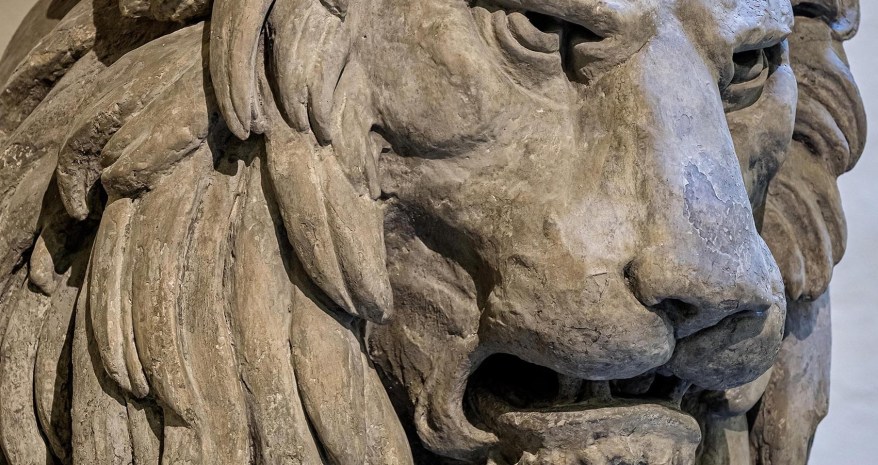
Palazzo Vecchio, il restauro svela la vera natura dei quattro leoni e il mistero della fontana greca
🇮🇹Restaurato il Cortile della Dogana di Palazzo Vecchio a Firenze: i quattro leoni sono calchi, una fontana conserva un’iscrizione greca da studiare e tornano a funzionare entrambe le fontane… 🇬🇧The Cortile della Dogana (Customs Courtyard) at Palazzo Vecchio in Florence has been restored: the four lions are casts, one fountain features a Greek inscription that…
-
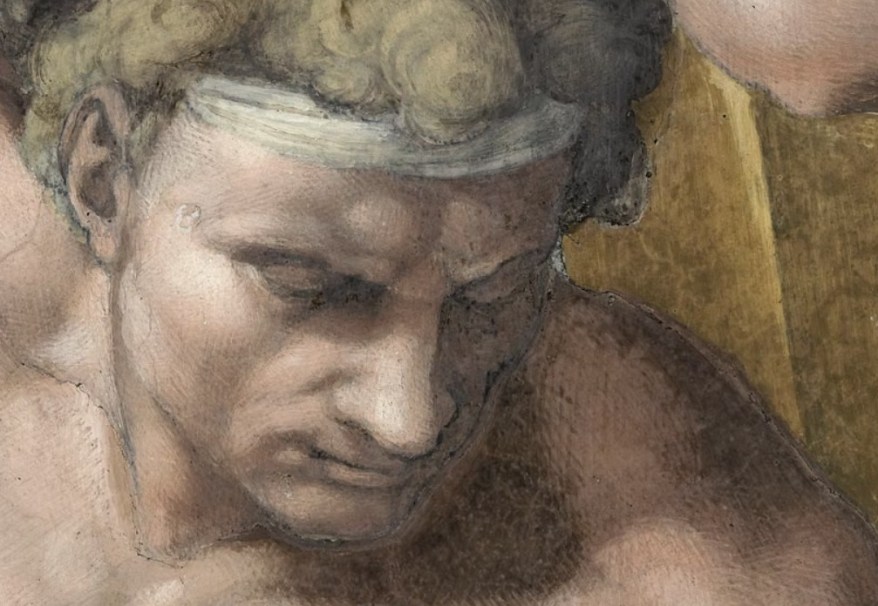
Disma, il buon ladrone nel Giudizio Universale: la misericordia e la giustizia divina
Nel Giudizio Universale della Cappella Sistina ci sono particolari che rischiano di passare inosservati, anche a chi ha avuto la fortuna di alzare gli occhi verso la mia grande parete. Tra i corpi che si sollevano, gli angeli che suonano le trombe e le anime che cercano di raggiungere il cielo, ci sono figure che…
Condividi:


Questo sono io




sostienici

Sostienici – Support Us
Se questo blog ti piace e ti appassiona, puoi aiutarci a farlo crescere sempre più sostenendoci in modo concreto condividendo i post, seguendo le pagine social e con un contributo che ci aiuta ad andare avanti con il nostro lavoro di divulgazione. . ENGLISH: If you like and are passionate about this blog, you can help us make it grow more and more by supporting us in a concrete way by sharing posts, following social pages and with a contribution that helps us to move forward with our dissemination work.
€10,00


sono solo bozzetti ma hanno un valore incredibile, quanto vorrei poterne avere uno in casa ! (sognare si può 🙂
"Mi piace"Piace a 1 persona
senza dubbio, Anche fossero non attribuiti a me con certezza, hanno un valore non indifferente visto il periodo in cui sono stati realizzati e la loro mirabile fattura
"Mi piace"Piace a 1 persona