
9 agosto 1173: la Torre di Pisa compie 850 anni
Il 9 agosto del lontano 1173 fu posata la prima pietra della Torre di Pisa. Da allora sono trascorsi 850 anni e la torre che si innalza in Piazza dei Miracoli è divenuta la più celebre del mondo.
La sua popolarità è dovuta non solo alla magnificenza ma anche alla sua pendenza che per secoli ha fatto temere il peggio a esperti e profani.

Iniziata nel 1173,la costruzione della Torre di Pisa fu portata a termine solo nel 1350, dopo non pochi problemi che si verificarono già quando si arrivò alla realizzazione del terzo piano.
Fu allora che i lavori vennero sospesi: la torre, con le fondamenta posate su un terreno sabbioso e argilloso, iniziò a inclinarsi.

Dopo quasi cent’anni di vicende politiche complesse, i lavori di edificazione ripresero a pieno ritmo ma per evitare il peggioramento della pendenza, fu deciso di inclinare i piani nel senso opposto della pendenza che aveva assunto il campanile della cattedrale di Santa Maria Assunta.
Se osservate con attenzione la Torre di Pisa, questo stratagemma è ben evidente anche se spesso nemmeno viene notato.
Immaginatevi cosa voleva dire a quel tempo realizzare un’opera così grande e imponente in marmo bianco di Carrara: una sfida colossale tenendo in considerazione i mezzi dell’epoca.

56 metri d’altezza suddivisi in otto piani: questo è il campanile della cattedrale con le sue 14.523 tonnellate di peso che nel Novecento hanno fatto stare tutti con il fiato sospeso.
La Torre pendeva sempre di più e fu necessario ricorrere ai ripari in fretta per evitare di vederla crollare.

Attualmente, mediante un sistema di contrappesi e grazie a una sotto escavazione effettuata fra il 1999 e il 2001 la Torre si è stabilizzata e addirittura, ha recuperato parte dell’inclinazione tornando indietro a 4°.
Per il momento il vostro Michelangelo Buonarroti vi saluta dandovi appuntamento ai prossimi post e sui social.

August 9, 1173: the Leaning Tower of Pisa turns 850
On 9 August 1173 the first stone of the Leaning Tower of Pisa was laid. 850 years have passed since then and the tower that rises in Piazza dei Miracoli has become the most famous in the world.
Its popularity is due not only to its magnificence but also to its slope which for centuries has made experts and laymen fear the worst.
Begun in 1173, the construction of the Leaning Tower of Pisa was completed only in 1350, after quite a few problems which already occurred when the third floor was completed. It was then that the works were suspended: the tower, with the foundations laid on sandy and clayey soil, began to lean.
After almost a hundred years of complex political events, the building works resumed at full speed but to avoid worsening the slope, it was decided to incline the floors in the opposite direction of the slope that the bell tower of the cathedral of Santa Maria Assunta had assumed.
If you look closely at the Leaning Tower of Pisa, this trick is clearly evident even if it is often not even noticed.
Imagine what it meant at that time to create such a large and imposing work in white Carrara marble: a colossal challenge taking into consideration the means of the time.
56 meters high divided into eight floors: this is the bell tower of the cathedral with its 14,523 tons of weight which in the twentieth century made everyone stand in suspense. The Tower leaned more and more and it was necessary to resort to repairs quickly to avoid seeing it collapse.
Currently, through a system of counterweights and thanks to an under excavation carried out between 1999 and 2001, the Tower has stabilized and even recovered part of the inclination going back to 4°.
For the moment, your Michelangelo Buonarroti greets you by making an appointment for the next posts and on social media.
Sostienici – Support Us
Se questo blog ti piace e ti appassiona, puoi aiutarci a farlo crescere sempre più sostenendoci in modo concreto condividendo i post, seguendo le pagine social e con un contributo che ci aiuta ad andare avanti con il nostro lavoro di divulgazione. . ENGLISH: If you like and are passionate about this blog, you can help us make it grow more and more by supporting us in a concrete way by sharing posts, following social pages and with a contribution that helps us to move forward with our dissemination work.
8,00 €
-
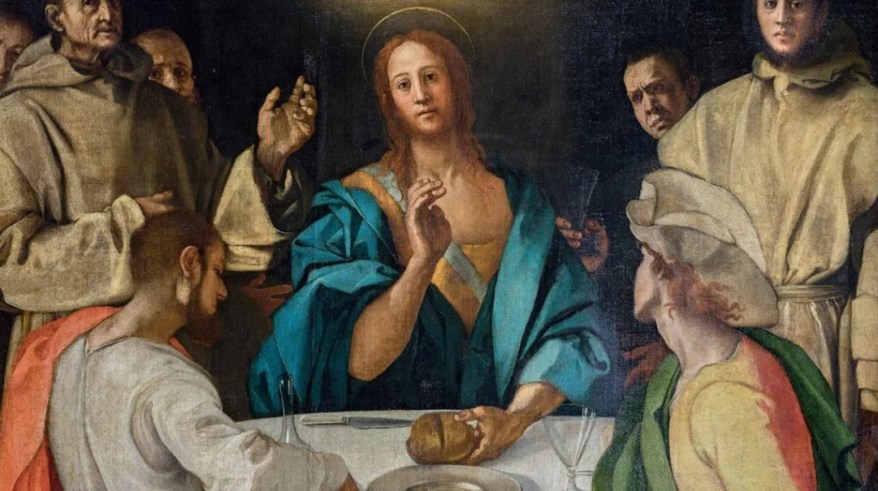
Cena in Emmaus di Pontormo: il pane, il gatto e il cane alle Scuderie del Quirinale
La Cena in Emmaus di Pontormo nasconde dettagli sorprendenti: il significato del pane, i simboli e il mistero della Resurrezione. Scopri il capolavoro del 1525 in mostra alle Scuderie del Quirinale a Roma… 🇬🇧Pontormo’s *Supper at Emmaus* conceals surprising details: the significance of the bread, various symbols, and the mystery of the Resurrection. Discover this…
-
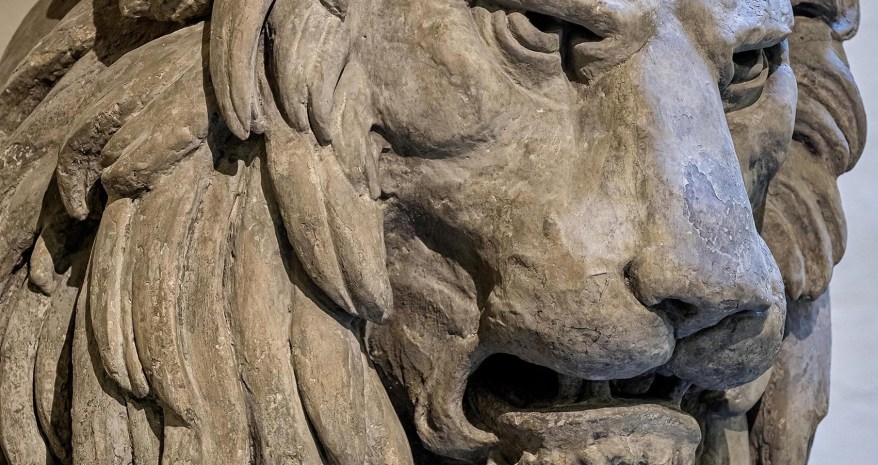
Palazzo Vecchio, il restauro svela la vera natura dei quattro leoni e il mistero della fontana greca
🇮🇹Restaurato il Cortile della Dogana di Palazzo Vecchio a Firenze: i quattro leoni sono calchi, una fontana conserva un’iscrizione greca da studiare e tornano a funzionare entrambe le fontane… 🇬🇧The Cortile della Dogana (Customs Courtyard) at Palazzo Vecchio in Florence has been restored: the four lions are casts, one fountain features a Greek inscription that…
-
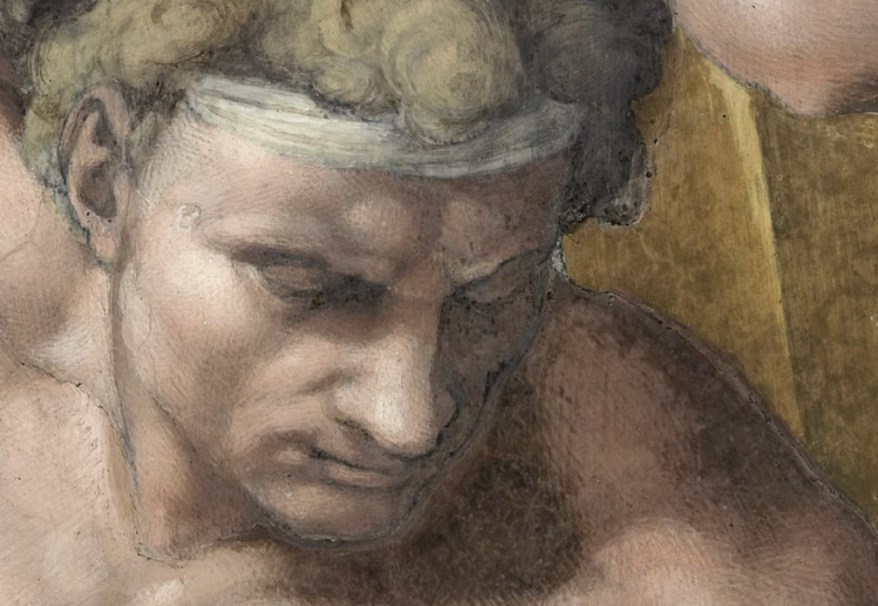
Disma, il buon ladrone nel Giudizio Universale: la misericordia e la giustizia divina
Nel Giudizio Universale della Cappella Sistina ci sono particolari che rischiano di passare inosservati, anche a chi ha avuto la fortuna di alzare gli occhi verso la mia grande parete. Tra i corpi che si sollevano, gli angeli che suonano le trombe e le anime che cercano di raggiungere il cielo, ci sono figure che…
Condividi:


Questo sono io



sostienici

Sostienici – Support Us
Se questo blog ti piace e ti appassiona, puoi aiutarci a farlo crescere sempre più sostenendoci in modo concreto condividendo i post, seguendo le pagine social e con un contributo che ci aiuta ad andare avanti con il nostro lavoro di divulgazione. . ENGLISH: If you like and are passionate about this blog, you can help us make it grow more and more by supporting us in a concrete way by sharing posts, following social pages and with a contribution that helps us to move forward with our dissemination work.
€10,00


1 commento »