

La Pietà Bandini con la gamba mancante
A Casa Buonarroti è custodita in una teca climatizzata un’opera in cera rossa di particolare importanza.
No, non è il modello della Pietà Bandini che realizzai prima di mette mano al marmo ma una copia realizzata da artista ignoto nella seconda metà del Cinquecento, modellata seguendo la scultura mia o, più probabilmente, un mio modello originale.
Ha un importante valore documentario perché testimonia visivamente come avrebbe dovuto essere la Pietà Bandini, completa della gamba destra, oggi mancante.

Non è chiaro se la gamba saltò via a causa del mio sfogo o fu proprio il saltar via accidentale della gamba che mi mosse a compiere quell’atto. Lasciamo il beneficio del dubbio.
Fatto sta che Tiberio Calcagni, giovane scultore e mio assistente avrebbe dovuto portarla a termine adoperando i miei modelli prima che potesse finire nelle mani del Bandini, su cessione di Antonio del Francese di Castel Durante, mio servitore.

Provò molto probabilmente a scolpire o chissà, a riaccomodare la gamba frantumata tanto che l’opera oggi ha un bel foro quadrato da perno proprio laddove la gamba avrebbe dovuto essere attaccata al resto del corpo.
Ritornando al modello in cera rossa, ha una storia assai complessa alle spalle.
Proviene dalle Collezione Riccardi e fu comprata fra il 1853 e il 1854 dal collezionista Ottavio Gigli che provvide a depositarla con tanto di atto notarile presso Casa Buonarroti, il 25 agosto del 1874.

Da allora fu esposta con l’attribuzione a me fino al marzo del 1884 quando venne ritirata dalla marchesa Cecilia Bartolini Salimbeni, vedova del collezionista che l’aveva comprata. Tutt’oggi l’opera è di proprietà degli eredi ma è stata concessa in comodato a Casa Buonarroti per la sua grande importanza storica e documentaria.
L’attribuzione a me era stata proposta da Migliarini nel 1856 e accettata all’unanimità fino a quando Panofsky nel 1932, negò l’attribuzione pur tuttavia riconoscendo la mirabile fattura del modello in cera e la sua innegabile importanza.

Vi invito ad andare a vedere questo piccolo modello in cera a Casa Buonarroti: è sorprendente.
Per il momento il vostro Michelangelo Buonarroti vi saluta dandovi appuntamento ai prossimi post e sui social.
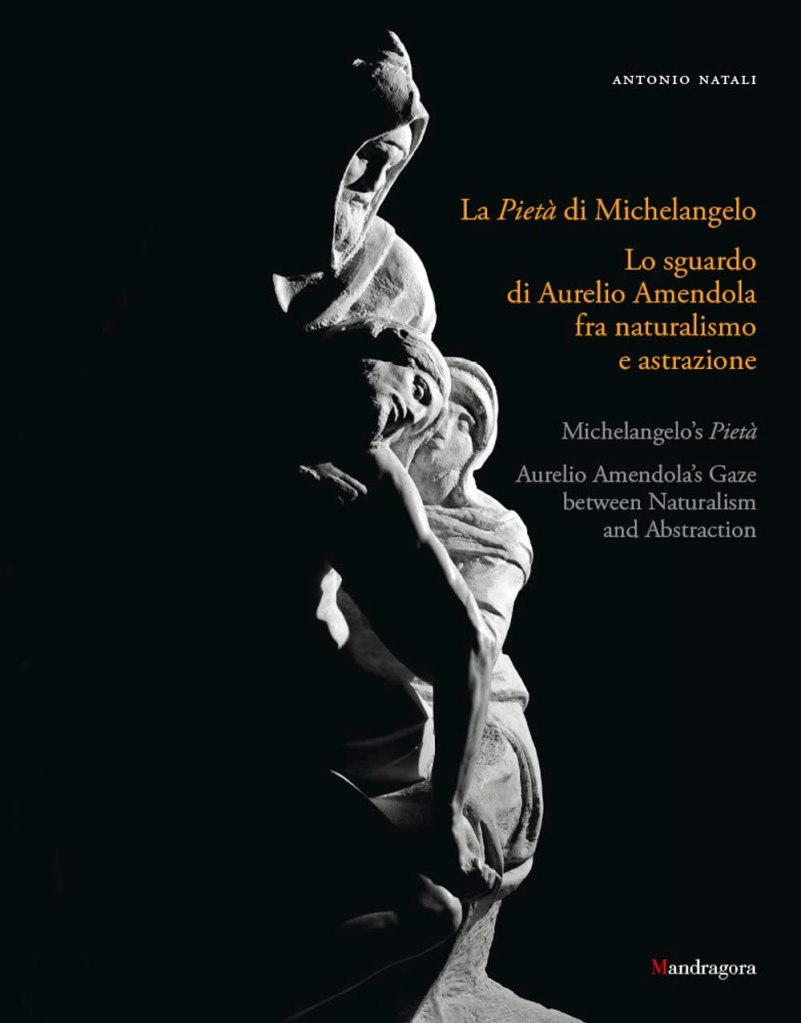
The Bandini Pietà with the missing leg
At Casa Buonarroti a work in red wax of particular importance is kept in an air-conditioned display case.
No, it’s not the model of the Pietà Bandini that I made before I worked on the marble but a copy made by an unknown artist in the second half of the sixteenth century, modeled following my sculpture or, more likely, my original model.
It has an important documentary value because it visually testifies to what the Bandini Pietà should have been like, complete with the right leg, now missing.
It is not clear whether the leg jumped off due to my outburst or it was just the accidental jumping off of the leg that moved me to do that act. Let’s leave the benefit of the doubt.
The fact is that Tiberio Calcagni, a young sculptor and my assistant, should have completed it using my models before it could end up in the hands of Bandini, upon transfer from Antonio del Francese di Castel Durante, my servant.
He most likely tried to sculpt or who knows, to re-arrange the shattered leg so much that the work today has a nice square pin hole right where the leg should have been attached to the rest of the body.
Returning to the red wax model, it has a very complex history behind it. It comes from the Riccardi collection and was bought between 1853 and 1854 by the collector Ottavio Gigli who arranged to deposit it with a notarial deed at Casa Buonarroti on 25 August 1874.
Since then it was exhibited with the attribution to me until March 1884 when it was collected by the Marquise Cecilia Bartolini Salimbeni, widow of the collector who had bought it. The work is still owned by the heirs today but has been granted on loan to Casa Buonarroti due to its great historical and documentary importance.
The attribution to me had been proposed by Migliarini in 1856 and unanimously accepted until Panofsky in 1932, denied the attribution while nevertheless recognizing the admirable workmanship of the wax model and its undeniable importance.
I invite you to go and see this small wax model at Casa Buonarroti: it is surprising.
For the moment, your Michelangelo Buonarroti greets you by making an appointment for the next posts and on social media.

Sostienici – Support Us
Se questo blog ti piace e ti appassiona, puoi aiutarci a farlo crescere sempre più sostenendoci in modo concreto condividendo i post, seguendo le pagine social e con un contributo che ci aiuta ad andare avanti con il nostro lavoro di divulgazione. . ENGLISH: If you like and are passionate about this blog, you can help us make it grow more and more by supporting us in a concrete way by sharing posts, following social pages and with a contribution that helps us to move forward with our dissemination work.
8,00 €
-
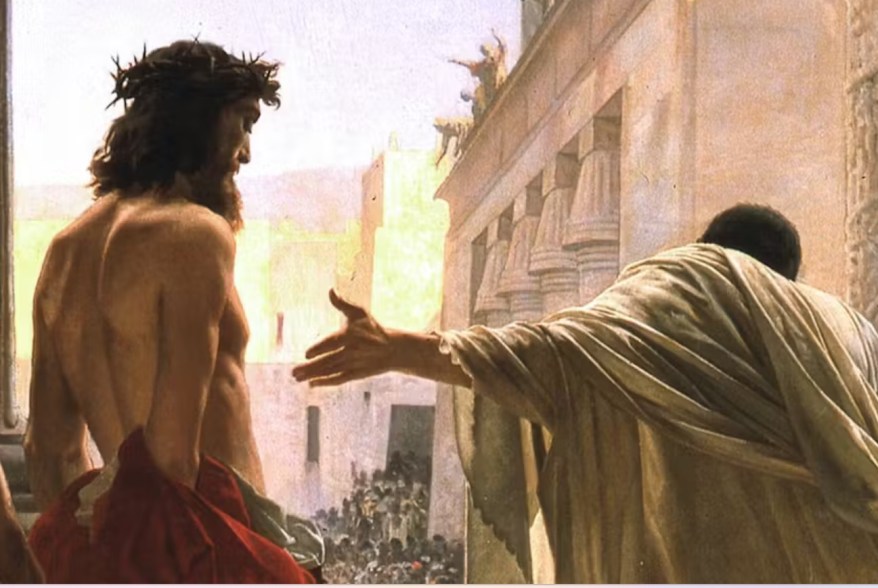
Venerdì Santo: gli “Ecce Homo” più intensi della storia dell’arte
🇮🇹Ecce Homo. Da Antonello da Messina a Tintoretto, fino al sorprendente capolavoro di Antonio Ciseri, questo soggetto ha attraversato i secoli raccontando dolore, umanità e coscienza… 🇬🇧Ecce Homo. From Antonello da Messina to Tintoretto, to Antonio Ciseri’s astonishing masterpiece, this subject has spanned the centuries, recounting pain, humanity, and conscience…
-
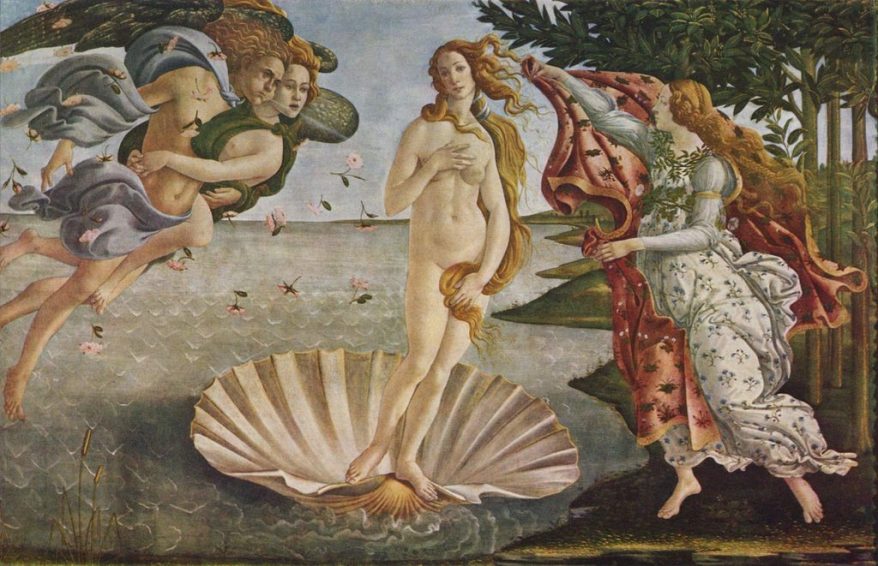
Attacco hacker agli Uffizi: rubati dati sensibili, mappe e codici di sicurezza
🇮🇹Attacco hacker alle Gallerie degli Uffizi: rubati dati sensibili, mappe e sistemi di sicurezza. A rischio opere, archivi e cybersicurezza del patrimonio artistico… 🇬🇧Hacker attack on the Uffizi Galleries: sensitive data, maps, and security systems stolen. Works of art, archives, and the cybersecurity of the artistic heritage are at risk…
-
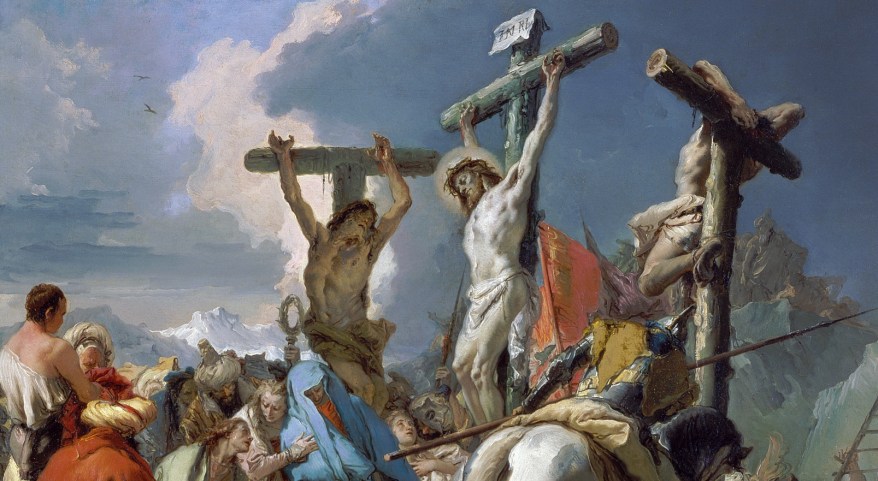
Venerdì Santo: la Crocifissione secondo Tiepolo
🇮🇹Nel giorno del Venerdì Santo, c’è un’opera che riesce ancora a scuotere lo sguardo. La Crocifissione di Giambattista Tiepolo non è come le altre: niente simmetrie perfette, niente distanza. Qui si entra dentro la scena, da un punto di vista obliquo, tra movimento, tensione e umanità… 🇬🇧On Good Friday, there’s a work that still manages…
Condividi:


Questo sono io





sostienici

Sostienici – Support Us
Se questo blog ti piace e ti appassiona, puoi aiutarci a farlo crescere sempre più sostenendoci in modo concreto condividendo i post, seguendo le pagine social e con un contributo che ci aiuta ad andare avanti con il nostro lavoro di divulgazione. . ENGLISH: If you like and are passionate about this blog, you can help us make it grow more and more by supporting us in a concrete way by sharing posts, following social pages and with a contribution that helps us to move forward with our dissemination work.
€10,00


