
La Pietà Rondanini: la morte prima della resurrezione
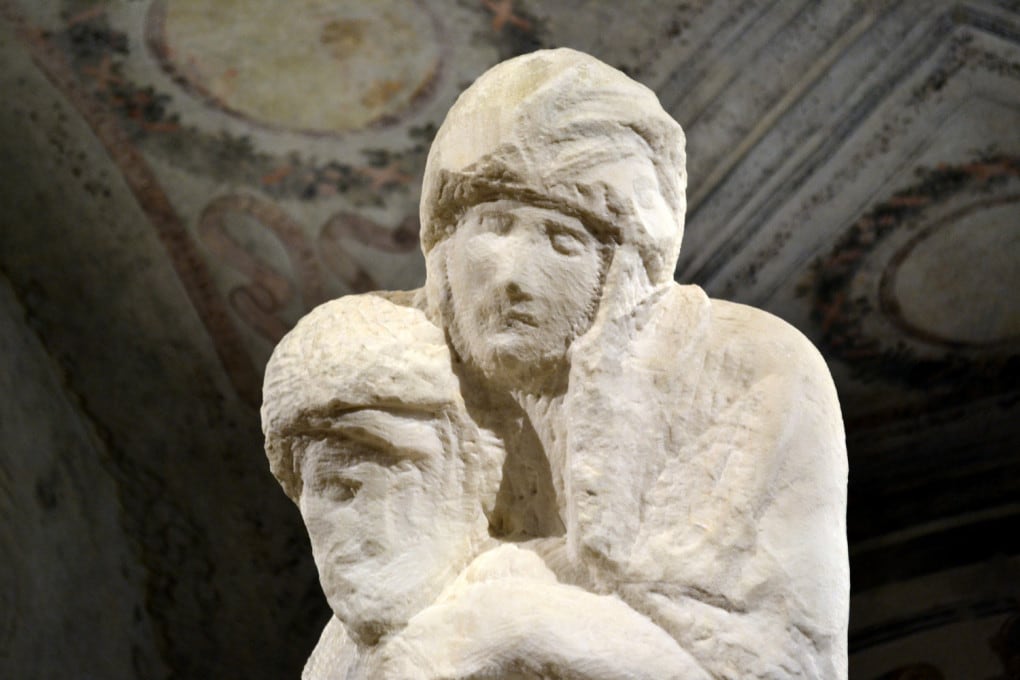
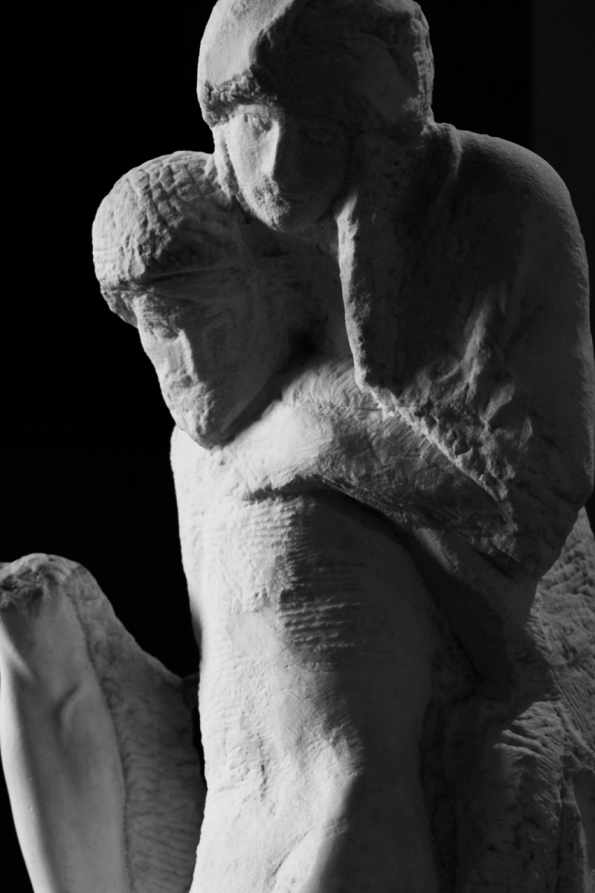
Il corpo di Cristo scivola inesorabilmente verso il basso. La Madre tenta di trattenerlo quasi a voler sostenere una speranza di vita ma non riesce a impedire il suo cadere sempre di più.
L’attesa della Resurrezione pare essere svanita nel volto della Madre appena accennato. E’ il tempo del dolore, sempre difficile da accettare e da sopportare.
Il sangue versato per la salvezza di tutti non può più dare forza a quel corpo.
Chissà quante volte mi sono sentito come quel corpo senza più forze mentre lo scolpivo, sostenuto solo da un’anima che di lì a poco se ne sarebbe fuggita via. Se quello di Cristo era un corpo giovane ancora pieno di forze, il mio aveva vissuto lungamente, acciaccato dal lavoro e dall’inesorabile scorrere del tempo.
Non mi mancò la forza e l’animo di lavorare su questa Pietà fino agli ultimi giorni che Dio mi concesse di vivere. In quei due corpi fusi in uno c’era racchiusa la mia esistenza, la mia devozione a Cristo e alla Vergine Maria.
Quando morii l’opera rimase incompleta e fu inventariata il 19 febbraio de 1564, il giorno dopo la mia dipartita dal vostro mondo.
“In una stantia a basso, coperta a tetto: un’altra statua principiata per uno Christo con un’altra figura di sopra, attaccate insieme, sbozzate et non finite.”
Per il momento il vostro Michelangelo Buonarroti vi saluta dandovi appuntamento ai prossimi post e sui social.
The Rondanini Pietà: the death before the resurrection
The body of Christ slides inexorably downwards. The Mother tries to hold him almost as if to sustain a hope of life but she fails to prevent him from falling more and more downwards.
The expectation of the Resurrection seems to have vanished in the barely hinted face of the Mother. It is the time of pain, always difficult to accept and to bear.
The blood shed for the salvation of all can no longer give strength to that body.
Who knows how many times I’ve felt like that body with no more strength, supported only by a soul that would soon run away. If Christ’s was a young body still full of strength, mine had lived a long time, worn down by work and by the inexorable passage of time.
I did not lack the strength and spirit to work on this Pietà until the last days that God allowed me to live. In those two bodies merged into one was enclosed my existence, my devotion to Christ and the Virgin Mary.
When I died the work remained incomplete and was inventoried on February 19, 1564, the day after my departure from your world.
“In a stadia below, covered with a roof: another statue begun for a Christ with another figure above, stuck together, rough-hewn and unfinished.”
For the moment, your Michelangelo Buonarroti greets you by making an appointment for the next posts and on social media.

Sostienici – Support Us
Se questo blog ti piace e ti appassiona, puoi aiutarci a farlo crescere sempre più sostenendoci in modo concreto condividendo i post, seguendo le pagine social e con un contributo che ci aiuta ad andare avanti con il nostro lavoro di divulgazione. . ENGLISH: If you like and are passionate about this blog, you can help us make it grow more and more by supporting us in a concrete way by sharing posts, following social pages and with a contribution that helps us to move forward with our dissemination work.
10,00 €
-
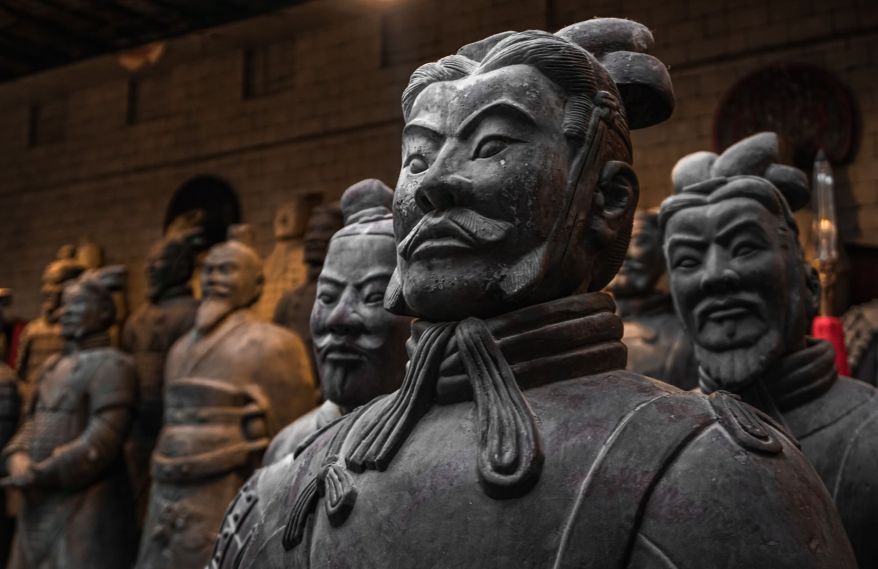
Esercito di Terracotta: storia e curiosità dei guerrieri di Qin Shi Huang
🇮🇹L’Esercito di Terracotta di Xi’an: la scoperta del 1974, le tre fosse, gli 8.000 guerrieri, le armi, i colori perduti e il mistero della tomba di Qin Shi Huang… 🇬🇧The Terracotta Army of Xi’an: the 1974 discovery, the three pits, the 8,000 warriors, the weapons, the lost colors, and the mystery of Qin Shi Huang’s…
-
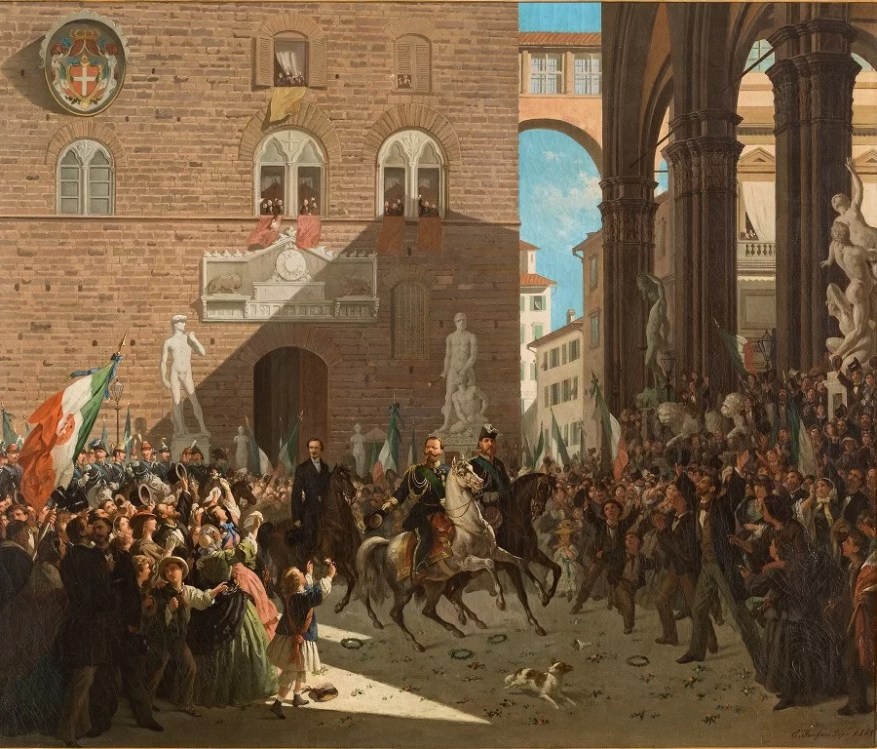
15 settembre 1864: Firenze capitale d’Italia
🇮🇹Il 15 settembre 1864 la Convenzione di settembre impose il trasferimento della capitale da Torino a Firenze. Ecco cosa accadde e perché cambiò il volto della città… 🇬🇧On September 15, 1864, the September Convention mandated the transfer of the capital from Turin to Florence. Here is what happened and why it changed the face of…
-
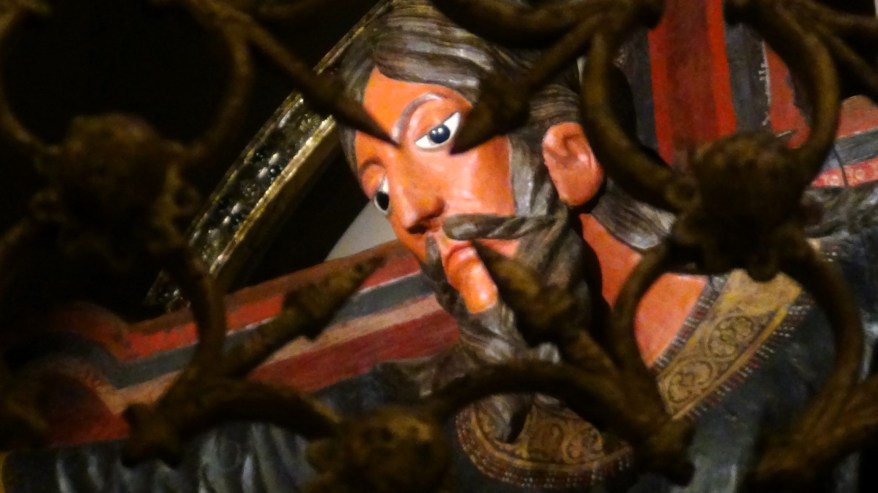
14 settembre, Santa Croce: 5 capolavori che raccontano la storia della Croce
🇮🇹Il 14 settembre si celebra l’Esaltazione della Santa Croce: da Piero della Francesca a Rubens, da Tiepolo al Volto Santo di Lucca, le opere d’arte dedicate alla Croce… 🇬🇧September 14th marks the Exaltation of the Holy Cross: from Piero della Francesca to Rubens, from Tiepolo to the Holy Face of Lucca, artworks dedicated to the…
Condividi:


Questo sono io




sostienici

Sostienici – Support Us
Se questo blog ti piace e ti appassiona, puoi aiutarci a farlo crescere sempre più sostenendoci in modo concreto condividendo i post, seguendo le pagine social e con un contributo che ci aiuta ad andare avanti con il nostro lavoro di divulgazione. . ENGLISH: If you like and are passionate about this blog, you can help us make it grow more and more by supporting us in a concrete way by sharing posts, following social pages and with a contribution that helps us to move forward with our dissemination work.
€10,00


Con la Pietà Rondanini ha inizio la scultura moderna con qualche secolo di anticipo.
"Mi piace""Mi piace"