

18 febbraio 1743: muore l’Elettrice Palatina, l’ultima erede Medici
Il 18 febbraio per Firenze, ma non solo, è una data fondamentale che non può essere dimenticata. In questo giorno passai a miglior vita io, il Beato Angelico e morì anche Anna Maria Luisa de’ Medici, nota alle cronache con nome di Elettrice Palatina.
All’ultima discendente dei Medici dobbiamo molto. Illuminata e lungimirante ha reso una delle città più in vista del suo tempo, una delle mete artistiche e turistiche più ambite di oggi.
Anna Maria Luisa de’ Medici era la figlia del Granduca Cosimo III e della principessa Margherita Luisa d’Orleans. Come accennato prima, con lei terminò la famiglia dei Medici e quindi fu l’ultima erede di un immenso patrimonio artistico e architettonico.
Nonostante l’impegno del padre nel tentare di tramandargli il proprio cognome, non ci fu verso: gli altri stati europei mai accettarono la proposta del Granduca e la dinastia medicea terminò.
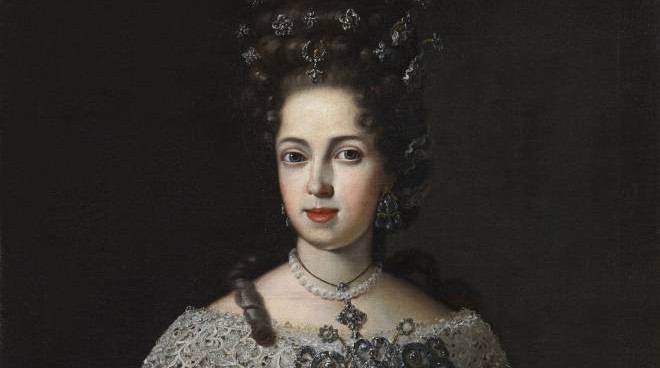
Anna Maria Luisa de’ Medici sposò nel 1690 Giovanni Carlo Guglielmo I, principe elettore del Palatinato. Dopo la morte del consorte ritornò nella sua amata Firenze e volle fare alla sua città il dono più grande: nel suo testamento scrisse che l’immensa collezione artistica della famiglia, dopo la sua morte, sarebbe appartenuta al Granducato di Toscana.
Fino a quel momento le opere più preziose venivano acquisite di diritto dalla nuova casata che avrebbe guidato la città. Potevano essere vendute o trasportate altrove per decorare palazzi privati e regge. Spesso venivano adoperate come preziosissima merce di scambio e di loro, nella città che le aveva viste nascere, non ne rimaneva che il vago ricordo di chi aveva la fortuna di averle viste.
L’Elettrice Palatina però aveva avuto un’intuizione straordinaria e formulò quello che oggi è conosciuto come il Patto di Famiglia. Le opere appartenute alla sua famiglia sarebbero passate nelle mani della Toscana con un vincolo imprescindibile: dovevano per sempre rimanere nella città di Firenze e nello Stato di Toscana.

“…o levare fuori della Capitale e dello Stato del Granducato, Gallerie, Quadri, Statue, Biblioteche, Gioje ed altre cose preziose, della successione del Serenissimo GranDuca, affinché esse rimanessero per ornamento dello Stato, per utilità del Pubblico e per attirare la curiosità dei Forestieri”
Così grazie alla lungimiranza di Anna Maria Luisa de’ Medici, Firenze ancora conserva capolavori assoluti che se non fossero stati protetti con il Patto di Famiglia da lei siglato il 31 ottobre del 1737, sarebbero state disperse in giro per il mondo.
Per il momento il vostro Michelangelo Buonarroti vi saluta dandovi appuntamento ai prossimi post e sui social proponendovi il libro in cui potete trovare notizie interessanti in merito al celeberrimo Patto di Famiglia.

February 18 1743 : the Electress Palatine, the last Medici heir, dies
February 18 for Florence, but not only is, a fundamental date that cannot be forgotten. On this day I, Beato Angelico passed away and Anna Maria Luisa de’ Medici also died, known in the chronicles as Electress Palatine.
We owe a lot to the last descendant of the Medici. Enlightened and forward-looking, she made one of the most prominent cities of her time, one of the most sought-after artistic and tourist destinations today.
Anna Maria Luisa de’ Medici was the daughter of Grand Duke Cosimo III and Princess Margherita Luisa d’Orleans. As mentioned before her, the Medici family ended with her and therefore she was the last heir to an immense artistic and architectural heritage.
Despite the father’s efforts to pass on his surname to him, there was no way: the other European states never accepted the Grand Duke’s proposal and the Medici dynasty ended.
Anna Maria Luisa de’ Medici married in 1690 Giovanni Carlo Guglielmo I, prince-elector of the Palatinate. After the death of her husband she returned to her beloved Florence and wanted to give her city her greatest gift: in her will she wrote that the immense artistic collection of the family, after her death, would belong to the Grand Duchy of Tuscany.
Until that moment the most precious works were acquired by right from the new family that would lead the city. They could be sold or transported elsewhere to decorate private palaces and palaces. They were often used as precious bargaining chips and of them, in the city that had seen them born, only the vague memory of those who were lucky enough to have seen them remained.
However, the Electress Palatine had had an extraordinary intuition and formulated what is now known as the Family Pact. The works that belonged to her family would pass into the hands of Tuscany with an essential bond: they had to remain forever in the city of Florence and in the State of Tuscany.
“…or to remove galleries, paintings, statues, libraries, jewels and other precious things from the succession of the Most Serene Grand Duke outside the capital and state of the Grand Duchy, so that they remain as an ornament for the state, for the benefit of the public and to attract curiosity of foreigners”
So thanks to the foresight of Anna Maria Luisa de’ Medici, Florence still preserves absolute masterpieces which, if they hadn’t been protected with the Family Pact she signed on October 31, 1737, would have been dispersed around the world.
For the moment, your Michelangelo Buonarroti greets you by making an appointment for the next posts and on social media.

Sostienici – Support Us
Se questo blog ti piace e ti appassiona, puoi aiutarci a farlo crescere sempre più sostenendoci in modo concreto condividendo i post, seguendo le pagine social e con un contributo che ci aiuta ad andare avanti con il nostro lavoro di divulgazione. . ENGLISH: If you like and are passionate about this blog, you can help us make it grow more and more by supporting us in a concrete way by sharing posts, following social pages and with a contribution that helps us to move forward with our dissemination work.
5,00 €
-
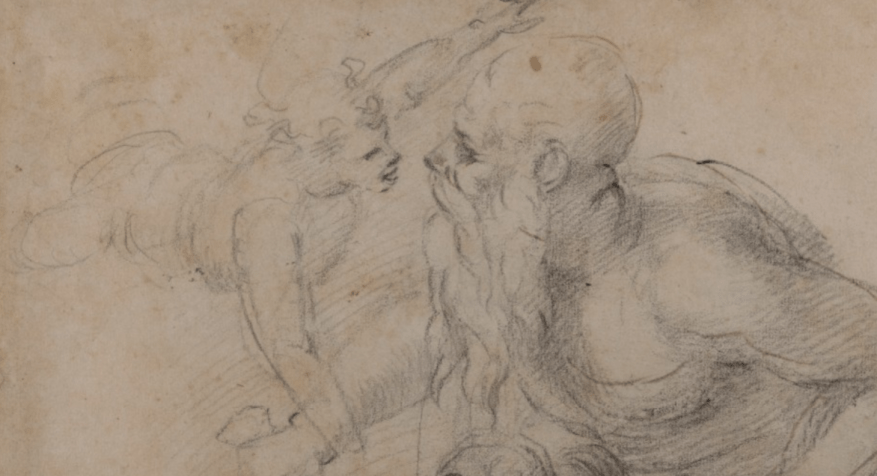
Il Sacrificio di Isacco e quel momento tra la vita e la morte
🇮🇹Oggi voglio raccontarvi alcuni dettagli sul mio disegno del Sacrificio di Isacco, conservato oggi a Casa Buonarroti. Su quel foglio volli tracciare il momento preciso in cui la paura fa spazio al miracolo… 🇬🇧Today I want to tell you some details about my drawing of the Sacrifice of Isaac, now preserved at Casa Buonarroti. On…
-
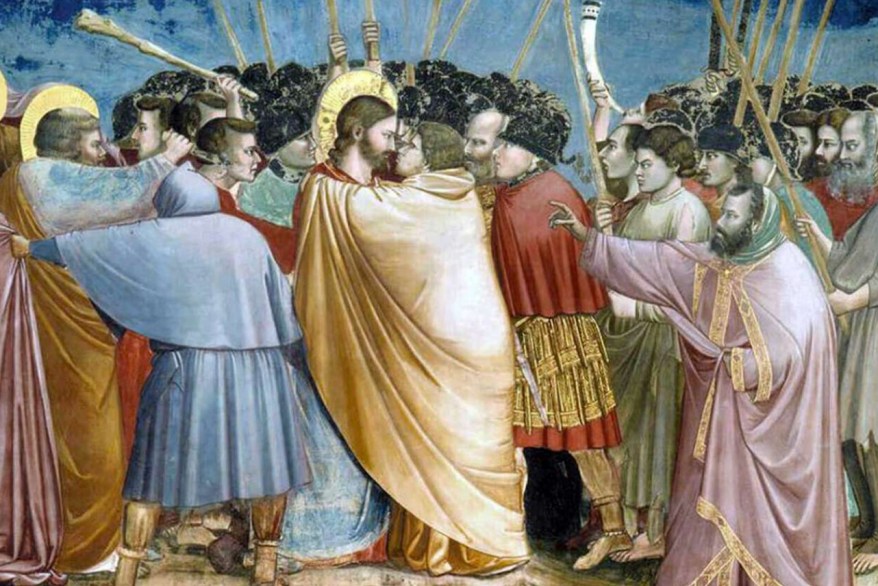
Mercoledì Santo: il giorno del tradimento di Giuda affrescato da Giotto
🇮🇹Il Mercoledì Santo è il giorno del silenzio, della riflessione e del tradimento. È il momento in cui Giuda sceglie di vendere Gesù per trenta denari, segnando uno dei passaggi più dolorosi della Settimana Santa…. 🇬🇧Holy Wednesday is a day of silence, reflection, and betrayal. ✝It is the moment when Judas chooses to sell Jesus…
-
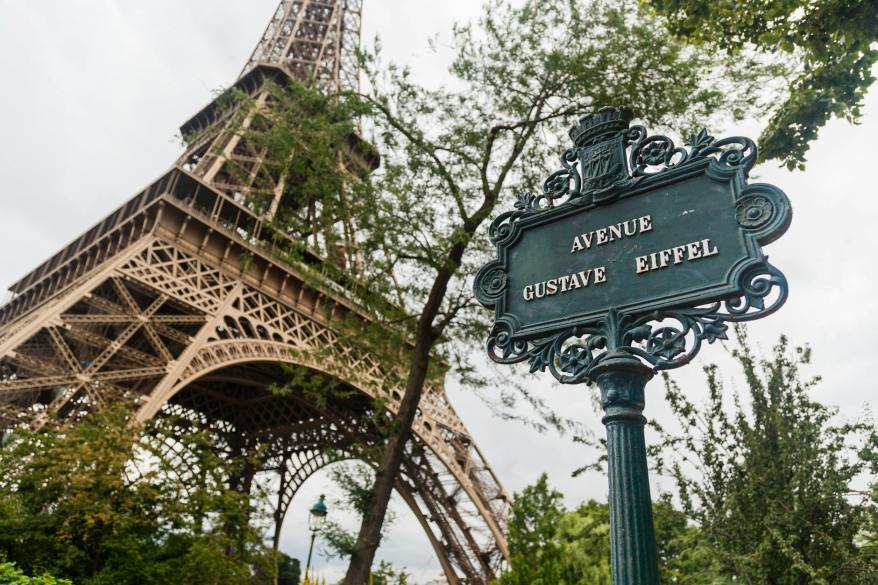
31 marzo 1889: inaugurata la Torre Eiffel tra critiche feroci e un destino inaspettato
🇮🇹Il 31 marzo 1889 segna una data destinata a cambiare per sempre il volto di Parigi e dell’immaginario collettivo globale: viene inaugurata la Torre Eiffel, l’opera più audace e discussa del suo tempo… 🇬🇧March 31, 1889 marks a date destined to change the face of Paris and the global collective imagination forever: the Eiffel Tower,…
Condividi:


Questo sono io





sostienici

Sostienici – Support Us
Se questo blog ti piace e ti appassiona, puoi aiutarci a farlo crescere sempre più sostenendoci in modo concreto condividendo i post, seguendo le pagine social e con un contributo che ci aiuta ad andare avanti con il nostro lavoro di divulgazione. . ENGLISH: If you like and are passionate about this blog, you can help us make it grow more and more by supporting us in a concrete way by sharing posts, following social pages and with a contribution that helps us to move forward with our dissemination work.
€10,00


1 commento »