
La Scultura del giorno: la Sposa dei Sacri Cantici di Gaetano Motelli
La scultura del giorno di cui vi parlo oggi è la Sposa dei Sacri Cantici, capolavoro dello scultore ottocentesco Gaetano Motelli.
Gaetano Motelli, nacque a Milano nel 1806. Il su babbo avrebbe voluto diventasse un abile commerciante ma non ci fu niente da fare. Era perdutamente innamorato della scultura e a sedici anni incominci ad approfondire lo studio di quest’arte sublime che poi ebbe la sorte e l’abilità di far diventare il suo lavoro.

Proseguì successivamente gli studi a Roma dove si perfezionò ulteriormente. Quando tornò nella città natale con i suoi primi lavori fu molto apprezzato sia per i semplici lavori decorativi che realizzava che per le opere che cominciava a realizzare per committenze estere.
Senza dubbio l’opera più celebre di Gaetano Motelli è la Sposa dei Sacri Cantici. Motelli volle dar forma alla Sulamita, la sposa che viene lodata nel Cantico dei Cantici.
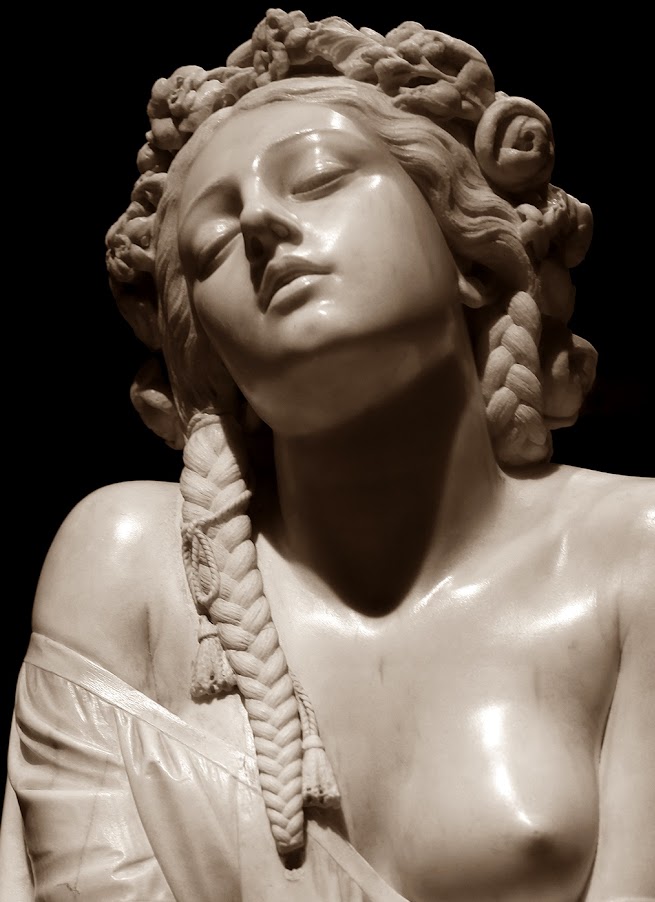
I suoi contemporanei apprezzarono in modo particolare l’espressione del volto a metà fra il sognante e l’erotico, in netto contrasto con la posizione tesa delle braccia e delle mani, intrecciate sul grembo.
La Sulamita ha il capo decorato da una elaborata coroncina di fiori e i capelli acconciati con una treccia di capelli arrotolata su se stessa. L’estremità della stessa treccia ricade su davanti ed è decorata con un cordoncino a due nappe.

Mirabile anche la veste della giovane che cadendo le lascia le spalle e un seno scoperto.
Nella zona delle mani, l’abito è finemente decorato con dei ricami che più che di marmo sembrano realizzati con ago e filo.

Gaetano Motelli passò a miglior vita il 27 maggio del 1858, a soli 52 anni. A proposito, l’opera che vi ho raccontato appartiene alla Collezione Litta, Milano.
Per il momento il vostro Michelangelo Buonarroti vi saluta dandovi appuntamento ai prossimi post e sui social.

Sculpture of the day: the Bride of the Sacred Songs by Gaetano Motelli
The sculpture of the day I’m telling you about today is the Bride of the Sacred Songs, a masterpiece by Gaetano Motelli.
Gaetano Motelli was born in Milan in 1806. His father would have liked him to become a skilled merchant but there was nothing he could do. He was madly in love with sculpture and at the age of sixteen he began to deepen the study of this sublime art which then had the fate and the ability to make his work become his.
He then continued his studies in Rome where he perfected himself further. When he returned to his hometown with his first works, he was much appreciated both for the simple decorative works that he created and for the works that he began to create for foreign commissions.
Undoubtedly the most famous work by Gaetano Motelli is the Bride of the Sacred Songs. Motelli wanted to give shape to the Sulamite, the bride who is praised in the Song of Songs.
His contemporaries particularly appreciated the expression of the face halfway between dreamy and erotic, in stark contrast to the tense position of the arms and hands, intertwined on the lap.
The Shulammite’s head is decorated with an elaborate crown of flowers and her hair is styled with a braid of hair rolled up on itself. The end of the same braid falls across the front of her and is decorated with a two tassel drawstring.
Also admirable is the dress of the young girl who, falling off her, leaves her shoulders and one breast uncovered. In the area of her hands, her dress is finely decorated with embroideries that seem to be made with needle and thread rather than marble.
Gaetano Motelli passed away on May 27, 1858, at the age of only 52. By the way, the work I told you about belongs to the Litta Collection, Milan.
For the moment, your Michelangelo Buonarroti greets you by making an appointment for the next posts and on social media.

Sostienici – Support Us
Se questo blog ti piace e ti appassiona, puoi aiutarci a farlo crescere sempre più sostenendoci in modo concreto condividendo i post, seguendo le pagine social e con un contributo che ci aiuta ad andare avanti con il nostro lavoro di divulgazione. . ENGLISH: If you like and are passionate about this blog, you can help us make it grow more and more by supporting us in a concrete way by sharing posts, following social pages and with a contribution that helps us to move forward with our dissemination work.
8,00 €
-
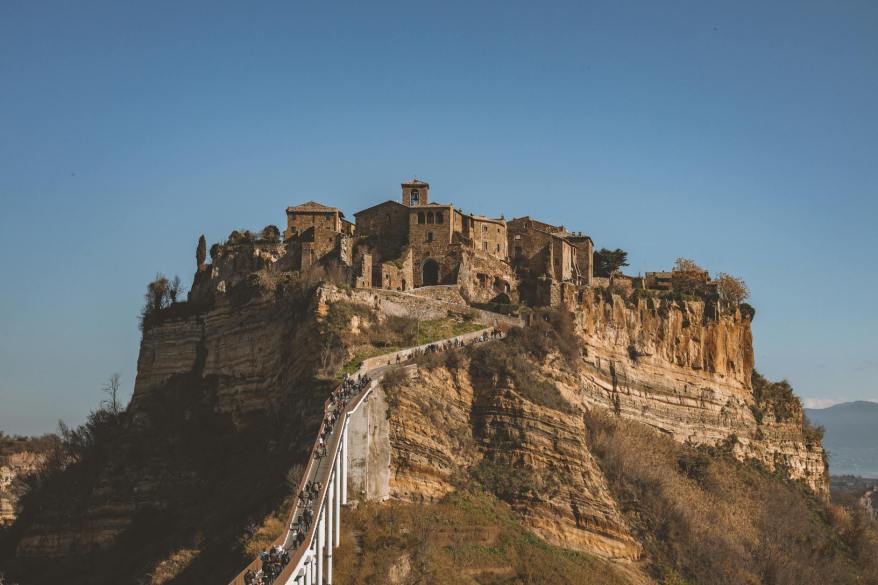
Civita di Bagnoregio e Bolsena Capitale italiana dell’Arte contemporanea 2028
🇮🇹Civita di Bagnoregio e Bolsena sono Capitale italiana dell’Arte contemporanea 2028 con il progetto Arte che viene, arte che va. Ecco cosa prevede… 🇬🇧Civita di Bagnoregio and Bolsena have been named the Italian Capital of Contemporary Art for 2028 with the project *Arte che viene, arte che va* (Art That Comes, Art That Goes). Here…
-
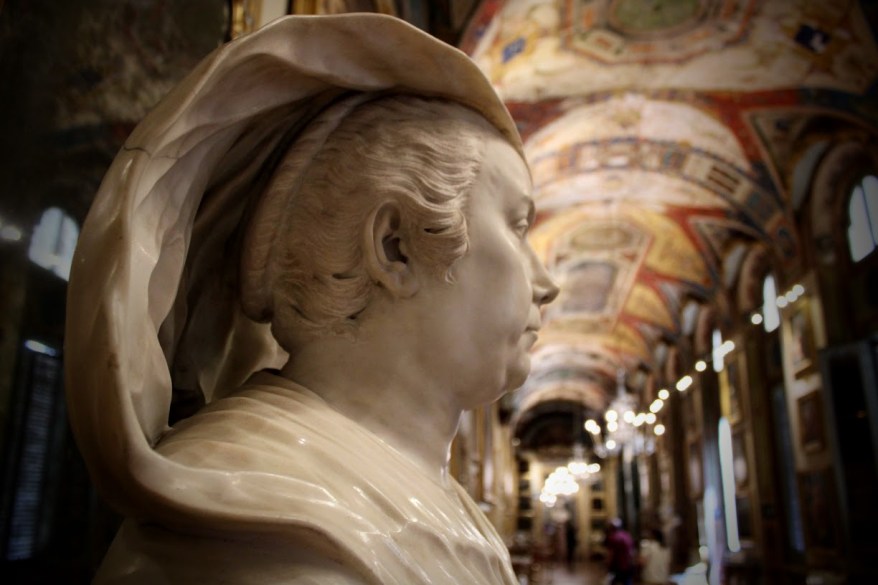
Alessandro Algardi: la risposta elegante al terremoto barocco
🇮🇹 Il Barocco non è solo movimento, spettacolo ed emozione portata all’estremo. Nella Roma del Seicento, mentre Gian Lorenzo Bernini trasformava il marmo in una materia capace di vibrare, Alessandro Algardi sceglieva una strada diversa: più misurata, elegante, legata all’equilibrio della tradizione classica… 🇬🇧The Baroque is not merely movement, spectacle, and emotion taken to the…
-
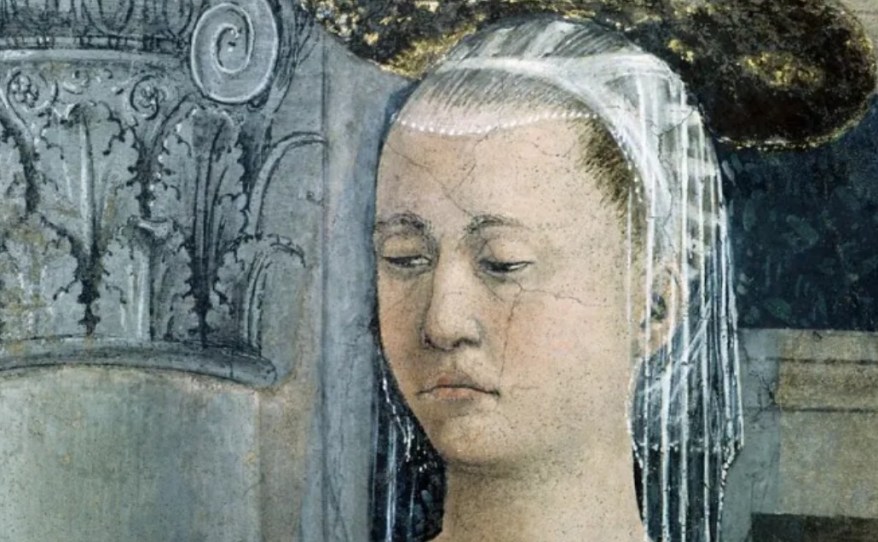
Piero della Francesca moriva il 12 ottobre 1492: il genio della prospettiva
🇮🇹Il 12 ottobre 1492, mentre Cristoforo Colombo approdava nel continente americano, a Sansepolcro si spegneva Piero della Francesca… 🇬🇧On October 12, 1492, while Christopher Columbus was landing on the American continent, Piero della Francesca passed away in Sansepolcro…
Condividi:


Questo sono io




sostienici

Sostienici – Support Us
Se questo blog ti piace e ti appassiona, puoi aiutarci a farlo crescere sempre più sostenendoci in modo concreto condividendo i post, seguendo le pagine social e con un contributo che ci aiuta ad andare avanti con il nostro lavoro di divulgazione. . ENGLISH: If you like and are passionate about this blog, you can help us make it grow more and more by supporting us in a concrete way by sharing posts, following social pages and with a contribution that helps us to move forward with our dissemination work.
€10,00


