
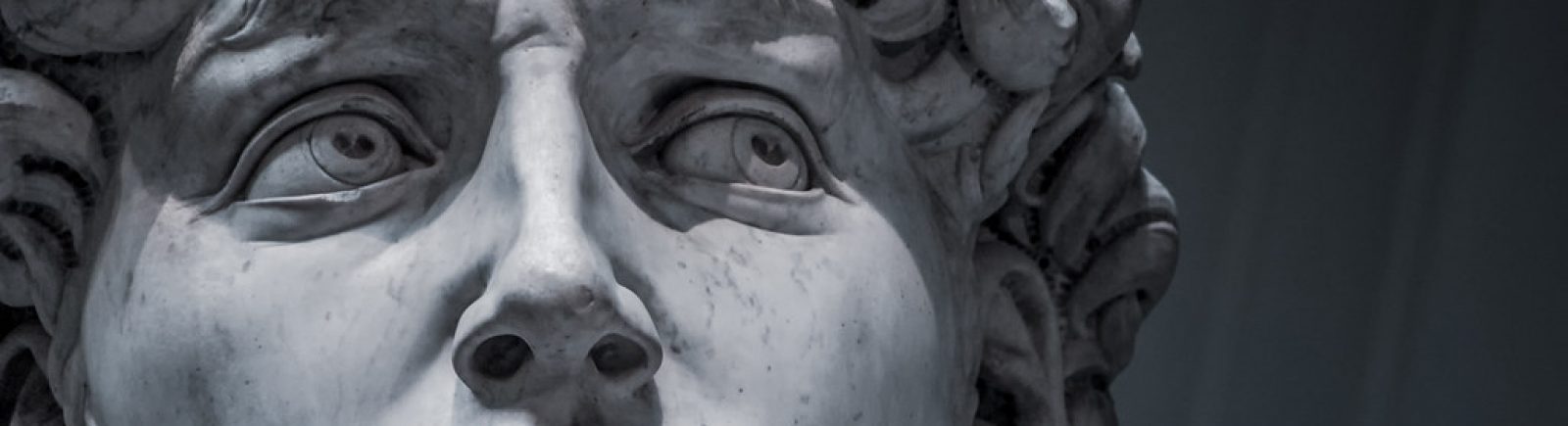
Il prezioso modello in argilla del Dio Fluviale
Il modello del Dio Fluviale è un miracolo. Proprio così: è un miracolo che sia giunto fino ai vostri giorni abbastanza integro vista la sua estrema delicatezza.
Per realizzarlo adoperai materiali effimeri: non era destinato certo a sopravvivermi così a lungo. Era un semplice modello che poi mi avrebbe consentito di scolpire il soggetto studiato nel candido marmo di Carrara per la Sagrestia Nuova.

Per sostenere il Dio Fluviale realizzai uno scheletro intrecciando fra di loro fili di ferro, rinforzandoli con un’accurata fasciatura di paglia e spago. Per modellare la figura sovrapposi più strati di argilla. Scelsi argilla magra ricavandola dal letto dell’Arno nei pressi di San Niccolò e in parte grassa, prelevata a Montespertoli. Ma non è tutto.
Assieme all’argilla impastai delle fibre vegetali, cimature e anche peli di animali. Se potrà sembrarvi strano quel colorito superficiale così chiaro è perché adoperai pure il bianco di piombo. Sostanza non certo salubre ma ai miei tempi mica si avevano tutte quelle conoscenze che avete oggi sulla tossicità degli elementi.
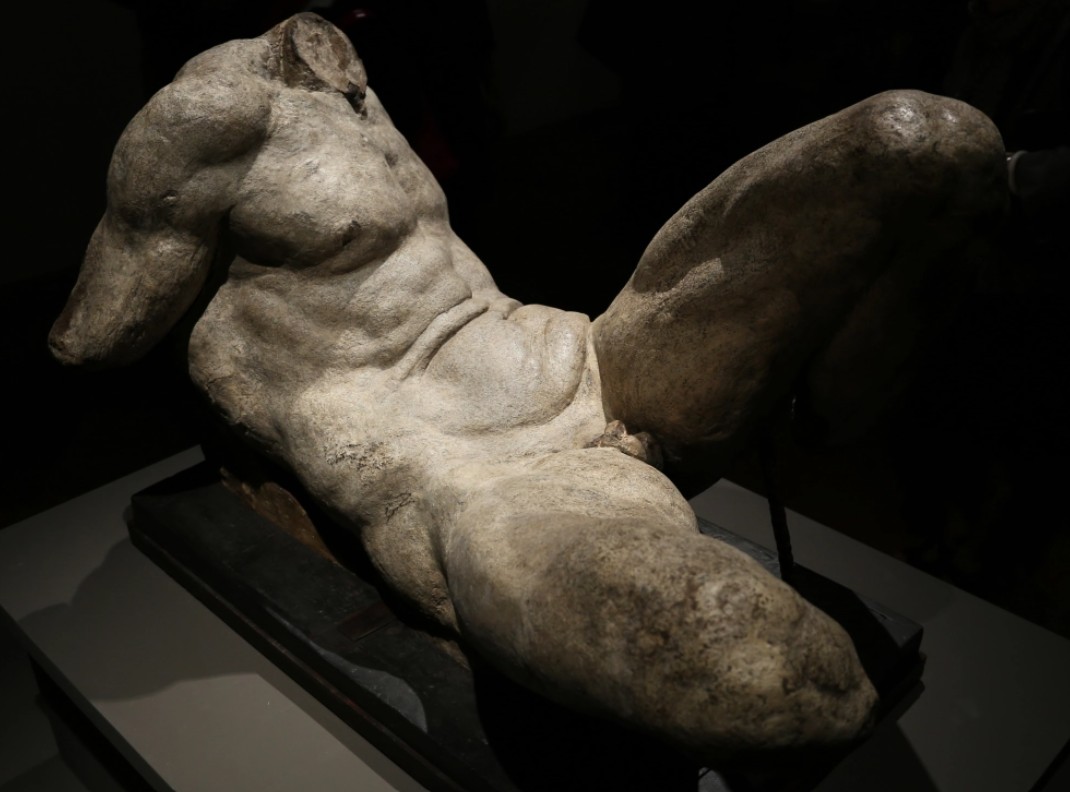
Il Dio Fluviale è lungo un metro e ottanta centimetri ed è l’unico modello mio a grandezza naturale che sia sopravvissuto così a lungo allo scorrere dei secoli. Sapete, non avevo l’abitudine di realizzare modelli così grandi, addirittura nelle stesse dimensioni che avrebbero avuto poi le opere finite. Fu il committente papa Clemente VII che mi richiese in modo esplicito modelli di tali dimensioni.
Nel progetto della Sagrestia Nuova avevo previsto di inserire al di sotto delle tombe dei due duchi Medici quattro allegorie dei Fiumi: due sotto il sarcofago del duca di Nemour e due sotto quello del duca d’Urbino.
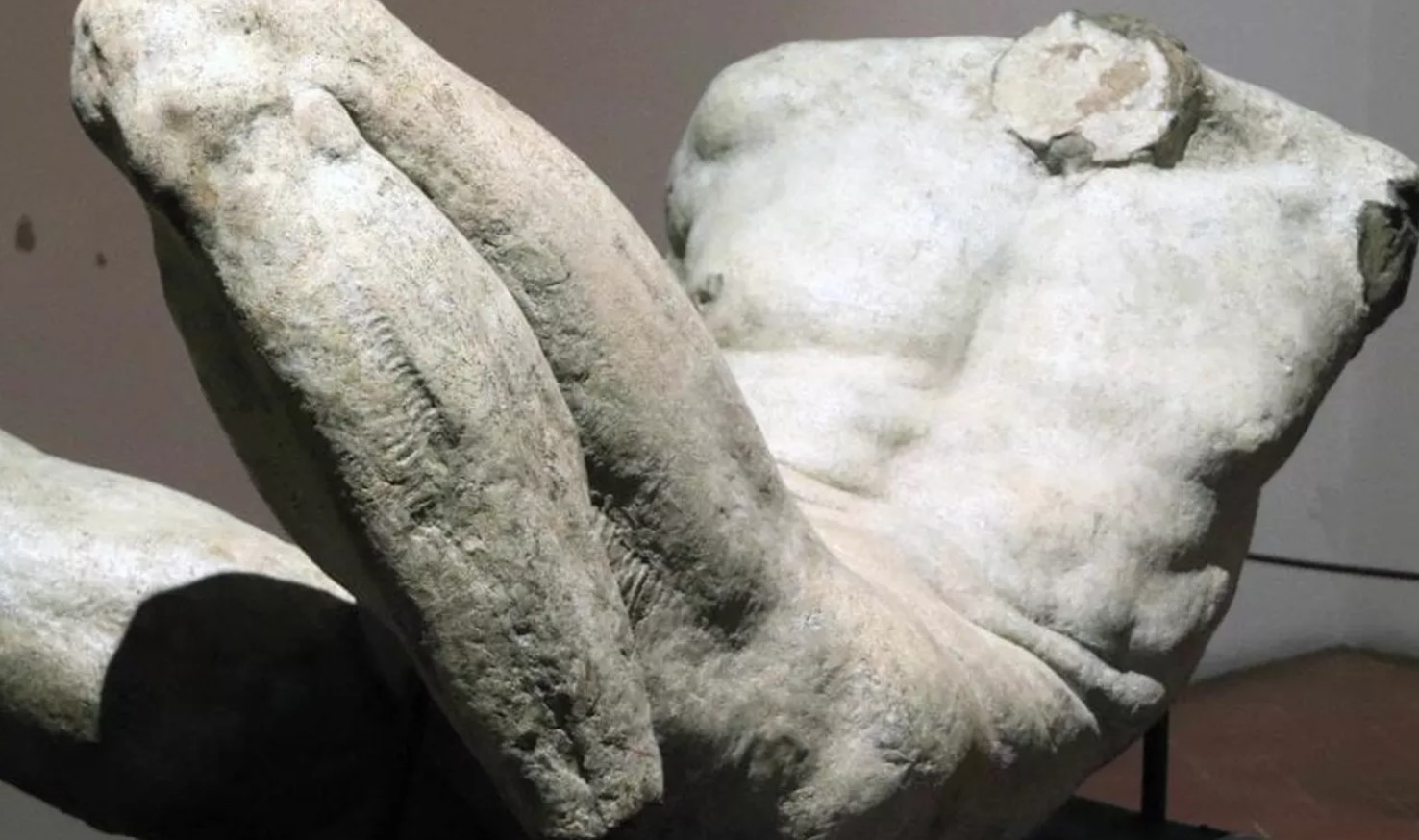
Il Fiume in questione avrebbe dovuto essere posto sotto la tomba di Lorenzo de’ Medici, sulla parte sinistra. Questo modello e quello dell’altro fiume che avrebbe fatto da pendant, si trovavano ancora sul pavimento della Sagrestia Nuova attorno al 1550, quando oramai ero già da tempo a Roma e non avrei più fatto ritorno.
Gli studi per l’attribuzione di quest’opera furono portati avanti per anni, fino al 1906, quando Adolf Gottschewski e Adolf Hildebran dimostrarono che il Dio Fluviale, con molta probabilità, fosse un mio modello originale.
Quale fiume rappresenta?
Bella domanda. Son trascorsi secoli da quando ci lavoravo e non me lo ricordo più. C’è chi sostiene sia un fiume del Paradiso, chi simboleggi quello dell’Inferno e altri esperti propendono a pensare possa raffigurare uno dei fiumi più importanti dell’epoca ma anche dei tempi vostri: l’Arno.
Il restauro
Il Dio Fluviale è stato sottoposto a un delicato quanto importante intervento di restauro nel 2017, realizzato dall’Opificio delle Pietre Dure, guidato da Marco Ciatti, con la direzione di Laura Speranza per l’Opificio delle Pietre Dure e di Giorgio Bonsanti per l’Accademia delle Arti del Disegno.

L’opera è stata restaurata materialmente da Rosanna Moradei e oggi si trova presso l’Accademia delle Arti del Disegno, ovvero nel Palazzo dell’Arte dei Beccai, a Firenze.
Per il momento il vostro Michelangelo Buonarroti vi saluta dandovi appuntamento ai prossimi post e sui social.
The precious clay model of the River God
The River God model is a miracle. That’s right: it is a miracle that it has come down to your days quite intact given its extreme delicacy.
I used ephemeral materials to make it: it was certainly not destined to outlive me for so long. It was a simple model which would then allow me to sculpt the subject studied in white Carrara marble for the New Sacristy.
To support the River God I made a skeleton by weaving together iron wires, reinforcing them with a careful bandage of straw and string. To model the figure I superimposed several layers of clay. I chose lean clay obtained from the bed of the Arno near San Niccolò and partly fat, taken from Montespertoli. But that is not all.
Together with the clay I kneaded vegetable fibers, trimmings and even animal hair. If that superficial coloring so light may seem strange to you, it is because I also used lead white. Certainly not a healthy substance but in my day you didn’t have all the knowledge you have today on the toxicity of the elements.
The River God is six feet long and is the only life-size model of mine that has survived the passing of the centuries for that long. You know, I wasn’t in the habit of making such large models, even in the same dimensions that the finished works would then have. It was the patron Pope Clement VII who explicitly asked me for models of this size.
In the project of the New Sacristy I had planned to insert four allegories of the Rivers below the tombs of the two Medici dukes: two below the sarcophagus of the Duke of Nemour and two below that of the Duke of Urbino.
The River in question should have been placed under the tomb of Lorenzo de’ Medici, on the left side. This model and that of the other river that would have served as a pendant were still on the floor of the New Sacristy around 1550, by which time I had already been in Rome for some time and would never return.
Studies for the attribution of this work were carried out for years, until 1906, when Adolf Gottschewski and Adolf Hildebran demonstrated that the River God was most likely an original model of mine.
Which river does it represent?
Good question. It’s been ages since I worked there and I can’t remember it anymore. There are those who claim it is a river of Paradise, those who symbolize that of Hell and other experts are inclined to think it may represent one of the most important rivers of the time but also of your times: the Arno.
The restoration
The River God underwent a delicate and important restoration in 2017, carried out by the Opificio delle Pietre Dure, led by Marco Ciatti, under the direction of Laura Speranza for the Opificio delle Pietre Dure and Giorgio Bonsanti for the Academy of Drawing Arts.
The work was materially restored by Rosanna Moradei and today it is located at the Academy of Design Arts, or in the Palazzo dell’Arte dei Beccai, in Florence.
For the moment, your Michelangelo Buonarroti greets you by making an appointment for the next posts and on social media.

Sostienici – Support Us
Se questo blog ti piace e ti appassiona, puoi aiutarci a farlo crescere sempre più sostenendoci in modo concreto condividendo i post, seguendo le pagine social e con un contributo che ci aiuta ad andare avanti con il nostro lavoro di divulgazione. . ENGLISH: If you like and are passionate about this blog, you can help us make it grow more and more by supporting us in a concrete way by sharing posts, following social pages and with a contribution that helps us to move forward with our dissemination work.
10,00 €
-
31 marzo 1889: inaugurata la Torre Eiffel tra critiche feroci e un destino inaspettato
🇮🇹Il 31 marzo 1889 segna una data destinata a cambiare per sempre il volto di Parigi e dell’immaginario collettivo globale: viene inaugurata la Torre Eiffel, l’opera più audace e discussa del suo tempo… 🇬🇧March 31, 1889 marks a date destined to change the face of Paris and the global collective imagination forever: the Eiffel Tower,…
-
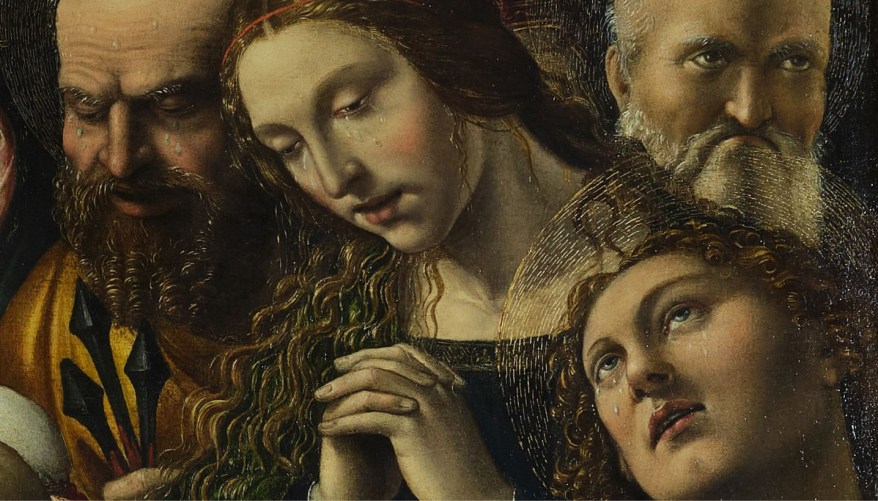
Sodoma in mostra a Torino: il Rinascimento al Museo Accorsi-Ometto
🇮🇹Al Museo di Arti Decorative Accorsi-Ometto arriva una mostra dedicata al Sodoma: oltre 50 opere, alcune mai viste prima, raccontano la formazione dell’artista e il suo dialogo con maestri come Pinturicchio… 🇬🇧An exhibition dedicated to Sodoma arrives at the Accorsi-Ometto Museum of Decorative Arts: over 50 works, some never before seen, recount the artist’s development…
-
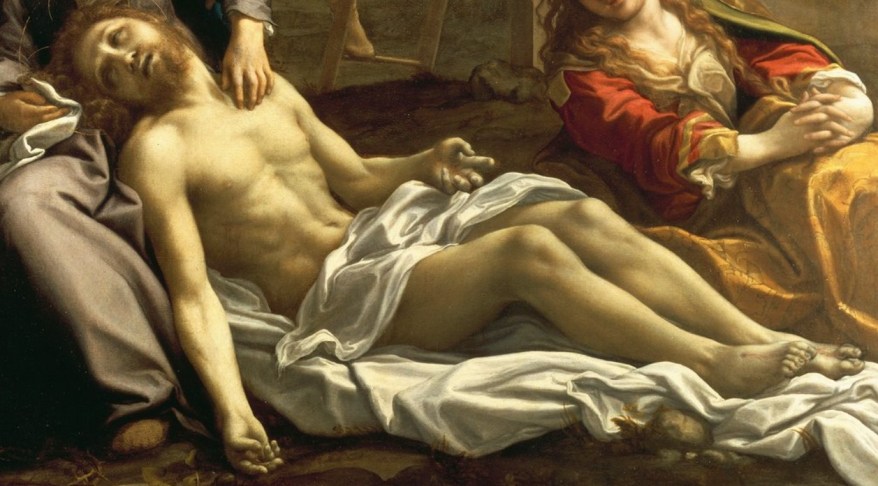
Il Compianto sul Cristo morto di Correggio: pathos e devozione
🇮🇹Con l’inizio della Settimana Santa, vi propongo il Compianto sul Cristo morto di Antonio Allegri, più noto come il Correggio: uno dei vertici assoluti della pittura emiliana del Cinquecento… 🇬🇧With the beginning of Holy Week, I propose the Lamentation over the Dead Christ by Antonio Allegri, better known as Correggio: one of the absolute peaks…
Condividi:


Questo sono io





sostienici

Sostienici – Support Us
Se questo blog ti piace e ti appassiona, puoi aiutarci a farlo crescere sempre più sostenendoci in modo concreto condividendo i post, seguendo le pagine social e con un contributo che ci aiuta ad andare avanti con il nostro lavoro di divulgazione. . ENGLISH: If you like and are passionate about this blog, you can help us make it grow more and more by supporting us in a concrete way by sharing posts, following social pages and with a contribution that helps us to move forward with our dissemination work.
€10,00


1 commento »