

31 ottobre 1737: il Patto di Famiglia dell’Elettrice Palatina che salvò i tesori d’arte di Firenze
Il 31 ottobre 1737 è una data fondamentale per la storia di Firenze e del suo patrimonio artistico. Quel giorno Anna Maria Luisa de’ Medici, conosciuta come l’Elettrice Palatina e ultima discendente del ramo granducale della famiglia Medici, stipulò un accordo destinato a cambiare per sempre il destino delle collezioni medicee: il Patto di Famiglia.
Grazie alla sua lungimiranza, dipinti, sculture, biblioteche, gioielli e tutte le altre preziose raccolte appartenute alla dinastia non avrebbero lasciato Firenze. Un patrimonio immenso, costruito nel corso dei secoli da una delle famiglie più importanti della storia europea, sarebbe rimasto a disposizione della città e del pubblico.
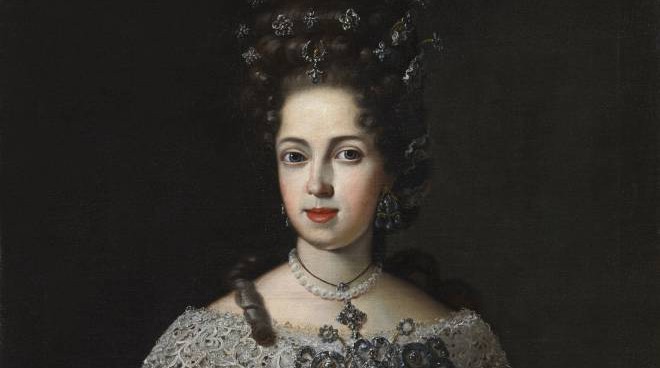
Pensate a cosa sarebbe potuto accadere senza quella firma. I capolavori degli Uffizi, le collezioni di Palazzo Pitti e gli altri tesori raccolti dai Medici avrebbero potuto prendere strade diverse, finendo nelle residenze di altre dinastie o sul mercato antiquario.
Oggi, quando attraversiamo le sale dei musei fiorentini, dovremmo ricordarci soprattutto di lei.
Chi era Anna Maria Luisa de’ Medici, l’ultima dei Medici?
Anna Maria Luisa de’ Medici nacque a Firenze l’11 agosto 1667, figlia del granduca Cosimo III de’ Medici e di Margherita Luisa d’Orléans, principessa francese.
Era l’unica figlia femmina della coppia e crebbe in una famiglia che aveva fatto dell’arte, del collezionismo e del mecenatismo uno dei propri tratti distintivi.
Cosimo III cercò a lungo di ottenere il riconoscimento della figlia come erede del Granducato, nel tentativo di garantire una continuità dinastica ai Medici. Le condizioni politiche europee, però, non permisero che il progetto andasse in porto.

Nel 1690 Anna Maria Luisa sposò Giovanni Guglielmo, principe elettore del Palatinato, trasferendosi a Düsseldorf. Da questo matrimonio deriva il titolo con cui è passata alla storia: Elettrice Palatina.
Dopo la morte del marito, nel 1716, fece ritorno a Firenze, la città nella quale era nata e alla quale era profondamente legata.
Nel frattempo, la situazione della dinastia medicea era diventata sempre più fragile. Suo fratello Gian Gastone, ultimo granduca della famiglia, non aveva eredi e la successione al trono toscano sarebbe passata a un’altra casata, quella dei Lorena.
Il Patto di Famiglia del 31 ottobre 1737: cosa stabiliva?
Il 31 ottobre 1737 Anna Maria Luisa de’ Medici sottoscrisse il Patto di Famiglia con Francesco Stefano di Lorena, il nuovo granduca di Toscana.
L’accordo stabiliva che il patrimonio artistico appartenuto alla famiglia Medici non potesse essere trasferito fuori da Firenze e dallo Stato del Granducato di Toscana.
Una vera e propria dichiarazione d’amore verso la propria città e verso il suo futuro.
Nel documento si legge una delle clausole più importanti e significative della storia della tutela del patrimonio culturale:
«…o levare fuori della Capitale e dello Stato del Granducato, Gallerie, Quadri, Statue, Biblioteche, Gioje ed altre cose preziose, della successione del Serenissimo GranDuca, affinché esse rimanessero per ornamento dello Stato, per utilità del Pubblico e per attirare la curiosità dei Forestieri».
Le opere dovevano rimanere a Firenze per ornamento dello Stato, utilità del pubblico e attrazione dei forestieri.
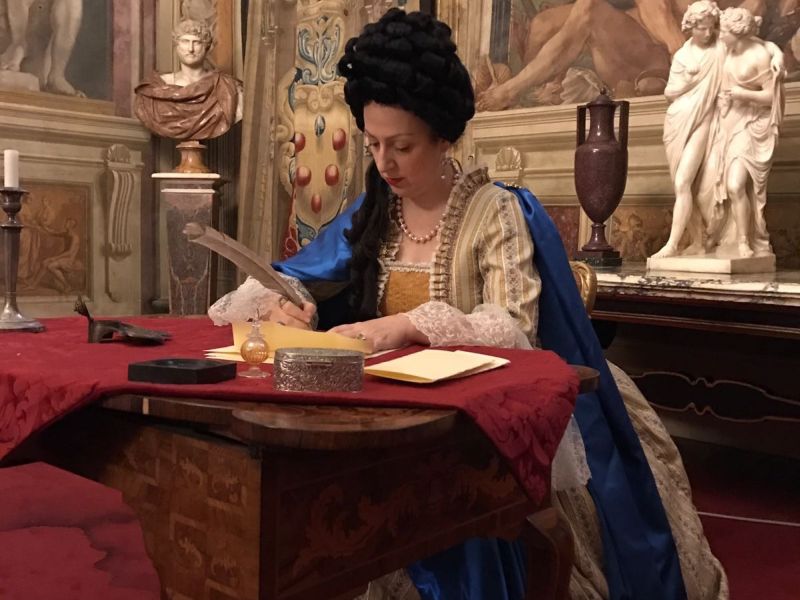
Tre ragioni che racchiudono una visione sorprendentemente moderna: il patrimonio artistico doveva essere considerato come un bene capace di accrescere il prestigio della città, favorire la conoscenza e attirare visitatori da ogni parte del mondo.
Senza l’Elettrice Palatina, Firenze avrebbe perso i suoi capolavori?
Quando una famiglia regnante si estingueva e un’altra ne prendeva il posto, le collezioni artistiche potevano essere trasferite, vendute oppure utilizzate per arricchire le nuove residenze di corte.
Dipinti, sculture e oggetti preziosi non erano sempre considerati beni legati indissolubilmente al luogo in cui erano stati raccolti. Potevano diventare strumenti di prestigio, doni diplomatici o merce di scambio.
Con il passaggio dai Medici ai Lorena, anche le raccolte fiorentine avrebbero potuto subire una sorte simile.
L’intervento di Anna Maria Luisa impedì che questo accadesse per il nucleo di beni vincolato dal Patto. Non si trattava di un semplice lascito testamentario, ma di un accordo che impegnava la nuova dinastia a rispettare una precisa condizione.
È anche per questo che il documento del 1737 viene ricordato come uno dei più importanti precedenti storici nella tutela del patrimonio culturale italiano.
Una donna che scelse Firenze e le sue collezioni
Anna Maria Luisa de’ Medici era una grande appassionata d’arte e conosceva il valore delle raccolte che i suoi antenati avevano costruito nel corso di generazioni.
Dopo la morte del fratello Gian Gastone, nel luglio 1737, avrebbe potuto rivestire un ruolo politico di primo piano nella delicata fase di transizione del Granducato. Scelse invece di dedicare le proprie energie alla conservazione e all’organizzazione del patrimonio mediceo.
Il suo interesse non era rivolto soltanto ai grandi dipinti e alle opere più celebri. Le collezioni comprendevano anche arazzi, porcellane, medaglie, libri, gioielli e oggetti preziosi, testimonianze di una stagione straordinaria del collezionismo europeo.
La sua decisione di vincolare questo patrimonio alla città fu un gesto che andava ben oltre gli interessi della propria casata.
Anna Maria Luisa morì a Firenze il 18 febbraio 1743, senza lasciare eredi. Con lei si estinse definitivamente il ramo granducale dei Medici.
Ma il suo lascito più importante era già stato messo al sicuro.
Anna Maria Luisa de’ Medici lasciò a Firenze parte fondamentale della propria identità e del suo futuro.
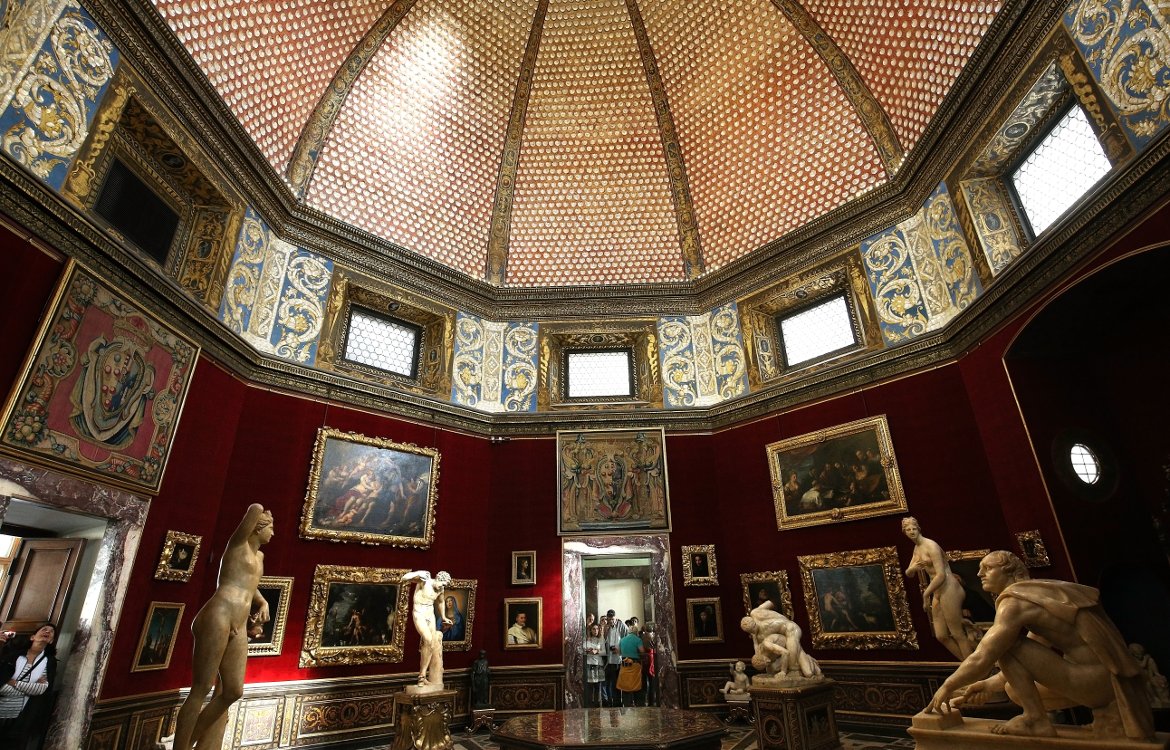
Non a caso è ricordata con l’appellativo di Principessa di gran saviezza. Una donna che, con una firma, riuscì a proteggere un patrimonio destinato ad attraversare i secoli.
Come scrisse Alexandre Dumas, ricordando il ruolo dei Medici nella storia della cultura:
«Lasciate che i Medici riposino in pace nelle loro tombe di marmo o di porfido, perché han fatto più di qualsiasi re o imperatore, per la gloria del mondo».
Per il momento il sempre vostro Michelangelo Buonarroti vi saluta dandovi appuntamento ai prossimi post e sui social.
October 31, 1737: The “Family Pact” of the Electress Palatine that Saved Florence’s Art Treasures
October 31, 1737, is a pivotal date in the history of Florence and its artistic heritage. On that day, Anna Maria Luisa de’ Medici—known as the Electress Palatine and the last descendant of the grand-ducal branch of the Medici family—entered into an agreement destined to change the fate of the Medici collections forever: the “Family Pact” (Patto di Famiglia).
Thanks to her foresight, the paintings, sculptures, libraries, jewels, and all the other precious collections belonging to the dynasty were prevented from leaving Florence. An immense legacy, assembled over centuries by one of the most significant families in European history, was secured for the city and the public.
Consider what might have happened had that document not been signed. The masterpieces of the Uffizi, the collections of Palazzo Pitti, and the other treasures gathered by the Medici could have taken different paths, ending up in the residences of other dynasties or on the antiquities market.
Today, as we walk through the halls of Florence’s museums, it is above all her whom we should remember.
Who was Anna Maria Luisa de’ Medici, the last of the Medici?
Anna Maria Luisa de’ Medici was born in Florence on August 11, 1667, the daughter of Grand Duke Cosimo III de’ Medici and Marguerite Louise d’Orléans, a French princess.
She was the couple’s only daughter and grew up in a family for whom art, collecting, and the patronage of the arts were defining characteristics.
Cosimo III long sought to have his daughter recognized as the heir to the Grand Duchy, in an attempt to ensure the dynastic continuity of the Medici line. However, the political climate in Europe at the time prevented this plan from coming to fruition. In 1690, Anna Maria Luisa married Johann Wilhelm, Elector Palatine, and moved to Düsseldorf. It is from this marriage that she derived the title by which she is known to history: the Electress Palatine.
Following her husband’s death in 1716, she returned to Florence—the city of her birth, to which she remained deeply attached.
Meanwhile, the position of the Medici dynasty had grown increasingly precarious. Her brother, Gian Gastone—the family’s final Grand Duke—had no heirs, meaning the succession to the Tuscan throne would pass to another house: the House of Lorraine.
The “Family Pact” of October 31, 1737: what did it stipulate?
On October 31, 1737, Anna Maria Luisa de’ Medici signed the “Family Pact” (Patto di Famiglia) with Francis Stephen of Lorraine, the new Grand Duke of Tuscany.
The agreement stipulated that the artistic patrimony belonging to the Medici family could not be removed from Florence or from the territory of the Grand Duchy of Tuscany.
It was, in essence, a profound declaration of love for her city and its future.
The document contains one of the most significant and consequential clauses in the history of cultural heritage preservation:
“…or to remove from the capital and the state of the Grand Duchy any galleries, paintings, statues, libraries, jewels, or other precious objects belonging to the estate of the Most Serene Grand Duke; rather, they shall remain for the adornment of the state, for the benefit of the public, and to attract the curiosity of foreigners.”
The works were to remain in Florence to serve as an adornment for the state, a benefit to the public, and an attraction for visitors from abroad.
These three reasons embody a remarkably modern vision: artistic heritage was to be viewed as an asset capable of enhancing the city’s prestige, fostering knowledge, and drawing visitors from every corner of the globe. Would Florence have lost its masterpieces were it not for the Electress Palatine?
When a ruling dynasty died out and was replaced by another, art collections could be relocated, sold, or used to enrich the new royal residences.
Paintings, sculptures, and precious objects were not always viewed as assets inextricably linked to the place where they had been assembled. They could serve as instruments of prestige, diplomatic gifts, or bargaining chips.
With the transition from the Medici to the House of Lorraine, the Florentine collections could well have faced a similar fate.
The intervention of Anna Maria Luisa prevented this from happening to the core group of assets covered by the “Family Pact” (Patto di Famiglia). This was not merely a testamentary bequest, but a formal agreement that bound the new dynasty to uphold a specific condition.
It is for this reason, among others, that the 1737 document is remembered as one of the most significant historical precedents for the protection of Italy’s cultural heritage.
A woman who chose Florence and its collections
Anna Maria Luisa de’ Medici was a passionate art enthusiast who understood the true value of the collections her ancestors had built up over generations.
Following the death of her brother, Gian Gastone, in July 1737, she could have played a prominent political role during the Grand Duchy’s delicate period of transition. Instead, she chose instead of dedicating her energies to the preservation and organization of the Medici heritage.
Her interest was not limited solely to great paintings and the most celebrated works. The collections also included tapestries, porcelain, medals, books, jewelry, and precious objects—all testaments to an extraordinary era in European collecting.
Her decision to bind this heritage to the city was a gesture that reached far beyond the interests of her own dynasty.
Anna Maria Luisa died in Florence on February 18, 1743, leaving no heirs. With her, the grand-ducal branch of the Medici family came to a definitive end.
Yet, her most significant legacy had already been secured.
Anna Maria Luisa de’ Medici bequeathed to Florence a fundamental part of its own identity and its future.
It is no coincidence that she is remembered by the title “Princess of Great Wisdom”—a woman who, with a single signature, managed to safeguard a heritage destined to endure through the centuries.
As Alexandre Dumas wrote, reflecting on the role of the Medici in the history of culture:
“Let the Medici rest in peace in their tombs of marble or porphyry, for they have done more than any king or emperor for the glory of the world.”
For now, yours truly, Michelangelo Buonarroti, bids you farewell—until the next posts and on social media!
Sostienici – Support Us
Se questo blog ti piace e ti appassiona, puoi aiutarci a farlo crescere sempre più sostenendoci in modo concreto condividendo i post, seguendo le pagine social e con un contributo che ci aiuta ad andare avanti con il nostro lavoro di divulgazione. . ENGLISH: If you like and are passionate about this blog, you can help us make it grow more and more by supporting us in a concrete way by sharing posts, following social pages and with a contribution that helps us to move forward with our dissemination work.
10,00 €

Condividi:


Questo sono io



sostienici

Sostienici – Support Us
Se questo blog ti piace e ti appassiona, puoi aiutarci a farlo crescere sempre più sostenendoci in modo concreto condividendo i post, seguendo le pagine social e con un contributo che ci aiuta ad andare avanti con il nostro lavoro di divulgazione. . ENGLISH: If you like and are passionate about this blog, you can help us make it grow more and more by supporting us in a concrete way by sharing posts, following social pages and with a contribution that helps us to move forward with our dissemination work.
€10,00


