

I musei meno conosciuti della Toscana che meritano una visita: 10 province, 10 luoghi da scoprire
Dalle statue stele della Lunigiana alle antiche botteghe artigiane, passando per case-museo, collezioni insolite e testimonianze della vita quotidiana: ecco dieci musei da visitare in Toscana, uno per ogni provincia, per scoprire un patrimonio artistico e culturale che va ben oltre le mete più famose.
Quando si pensa ai musei della Toscana vengono subito in mente gli Uffizi, la Galleria dell’Accademia di Firenze, il Museo dell’Opera del Duomo di Siena e i grandi complessi monumentali di Pisa. Basta però allontanarsi dai percorsi più battuti per incontrare luoghi capaci di raccontare storie altrettanto interessanti, spesso legate in modo profondo alla vita dei territori.
Ci sono musei che custodiscono opere d’arte sorprendenti, altri che conservano la memoria di antichi mestieri e altri ancora che raccontano vicende personali, tradizioni popolari e modi di vivere ormai scomparsi. Alcuni si trovano in palazzi storici, altri in piccoli borghi dove la visita può diventare l’occasione per conoscere meglio anche il paesaggio circostante.
Ho scelto dieci musei, uno per ciascuna provincia toscana, con l’idea di costruire una guida diversa dal solito. Non una classifica dei più importanti, ma un invito a scoprire luoghi che meritano di entrare in un itinerario culturale.
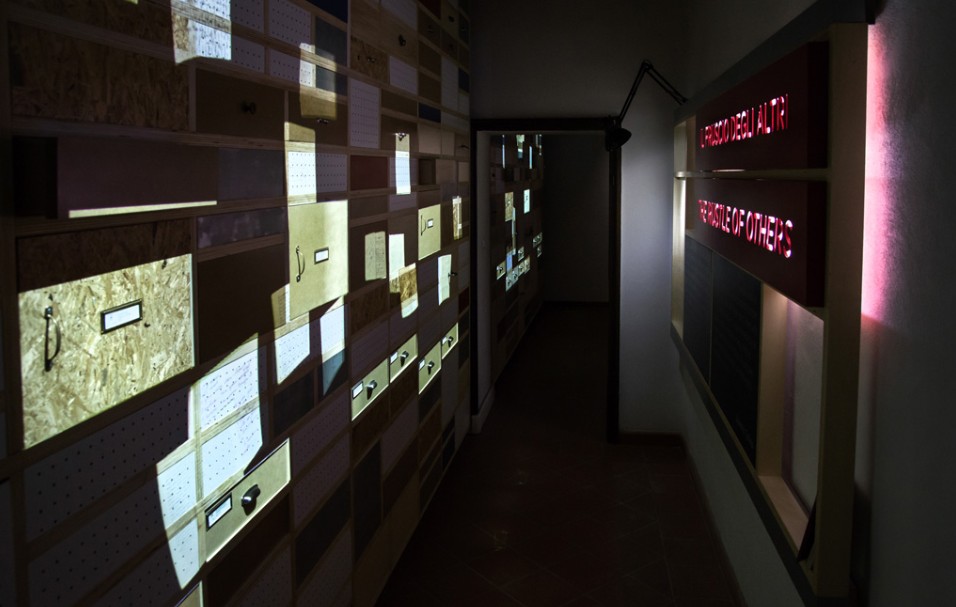
1. Provincia di Arezzo: il Piccolo Museo del Diario a Pieve Santo Stefano
Il Piccolo Museo del Diario di Pieve Santo Stefano è nato attorno all’Archivio Diaristico Nazionale, il museo conserva e racconta testimonianze autobiografiche di persone comuni: diari, lettere, memorie e scritti che attraversano la storia italiana attraverso esperienze individuali.
Le grandi vicende del Novecento assumono qui un volto diverso. La guerra, l’emigrazione, il lavoro, gli affetti, le difficoltà quotidiane e i cambiamenti sociali emergono dalle parole di chi li ha vissuti, senza necessariamente essere un personaggio famoso.
È proprio questo il suo fascino. Le pagine scritte per sé, spesso senza pensare a un futuro lettore, diventano documenti preziosi per comprendere la storia collettiva. Una visita interessante anche per chi ama la letteratura e cerca un museo capace di suscitare emozioni attraverso le parole.
Dove si trova: Pieve Santo Stefano, provincia di Arezzo.
2. Firenze: il Museo Stibbert
A Firenze esistono musei che possono sorprendere persino chi conosce già molto bene la città. Il Museo Stibbert è uno di questi, una collezione nata dalla passione di Frederick Stibbert, collezionista ottocentesco che raccolse armi, armature, costumi e oggetti d’arte provenienti da diverse parti del mondo.
Il percorso attraversa ambienti ricchi di suggestioni, dove convivono testimonianze europee e orientali. Uno degli spazi più spettacolari è la Sala della Cavalcata, con cavalieri in armatura e cavalli bardati che restituiscono l’impressione di una vera parata.
La raccolta comprende anche armi e armature giapponesi, oggetti provenienti dal mondo islamico e numerosi manufatti che raccontano culture e tradizioni differenti.
Non è soltanto un museo dedicato alla storia militare. È anche il ritratto di un collezionista che volle trasformare la propria casa in un universo di oggetti, ricordi e testimonianze del passato. La villa e il giardino completano una visita che permette di conoscere una Firenze meno scontata.
Dove si trova: via Federico Stibbert, Firenze.

3. Provincia di Grosseto: il MAGMA di Follonica
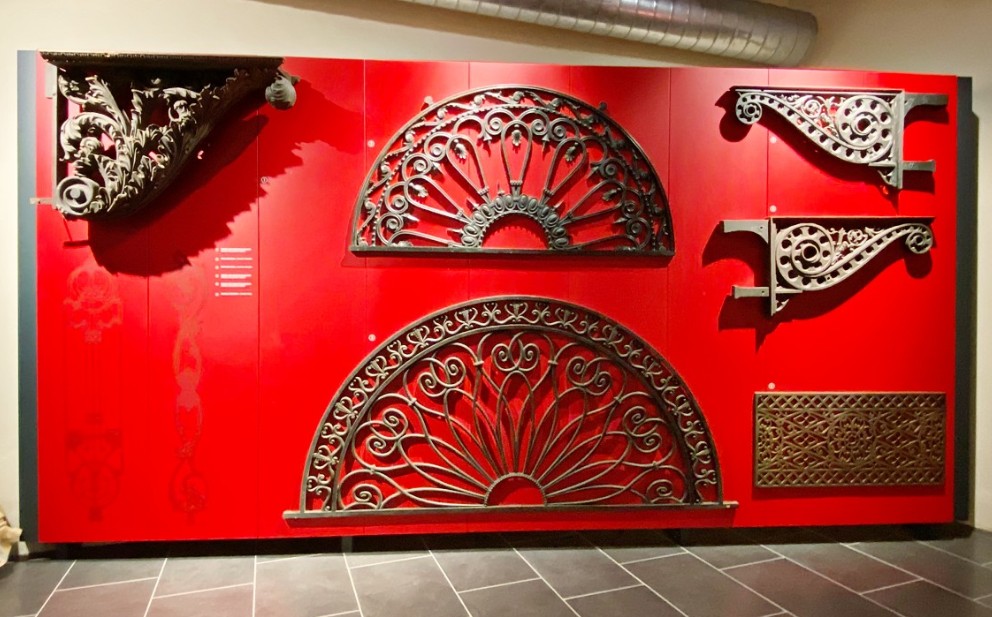
La Maremma non è soltanto mare, borghi medievali e paesaggi naturali. La sua storia è legata anche all’industria, alle miniere e alla lavorazione dei metalli. A raccontare questo capitolo è il MAGMA, Museo delle Arti in Ghisa della Maremma, ospitato nell’area dell’ex Ilva di Follonica.
Il museo permette di scoprire il rapporto tra la città e la produzione della ghisa, un’attività che ha segnato profondamente lo sviluppo economico e sociale del territorio.
Attraverso oggetti, documenti e contenuti espositivi si ricostruisce la storia di una lavorazione che non riguardava soltanto gli stabilimenti industriali, ma anche l’architettura e l’arredo urbano. La ghisa ha infatti trovato impiego in elementi decorativi, manufatti e strutture che ancora oggi fanno parte del nostro paesaggio.
Visitare il MAGMA è un po’ come guardare la Maremma da un punto di vista meno conosciuto, comprendendo come il lavoro e le trasformazioni industriali abbiano contribuito a costruire l’identità di una città.
È una tappa interessante per chi ama la storia, l’archeologia industriale e le arti applicate, ma anche per chi desidera conoscere qualcosa di più del territorio durante una vacanza sulla costa.
Dove si trova: Follonica, provincia di Grosseto.
4. Provincia di Livorno: il Museo artistico della Bambola di Suvereto
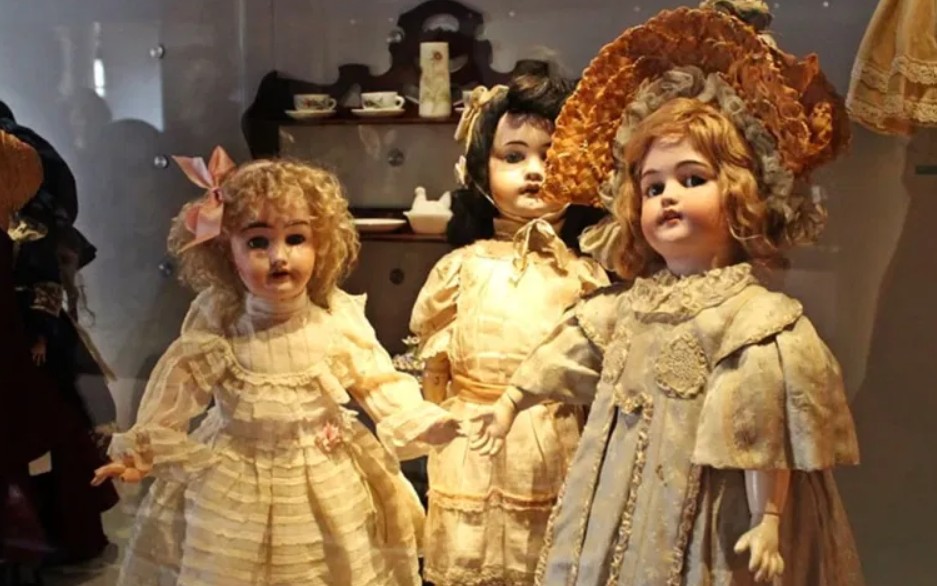
Nel borgo medievale di Suvereto, nell’entroterra della Costa degli Etruschi, si trova un museo dedicato a un oggetto che attraversa generazioni e culture: la bambola.
Il Museo artistico della Bambola offre l’occasione di osservare questi oggetti non soltanto come giocattoli, ma come testimonianze di epoche, gusti e consuetudini sociali. Materiali, abiti, acconciature e lineamenti cambiano nel tempo, raccontando anche l’evoluzione della moda e dell’idea stessa di infanzia.
Le bambole possono essere considerate piccoli documenti storici: attraverso di loro si riconoscono tecniche artigianali, stili e modi di rappresentare la società. Alcune richiamano il mondo dell’infanzia, altre si avvicinano maggiormente all’arte decorativa e alla manifattura.
Il museo è anche un motivo per fermarsi a Suvereto, uno dei borghi storici della provincia di Livorno, e dedicare qualche ora alla scoperta delle sue strade, delle architetture e delle tradizioni locali.
Dove si trova: Suvereto, provincia di Livorno.
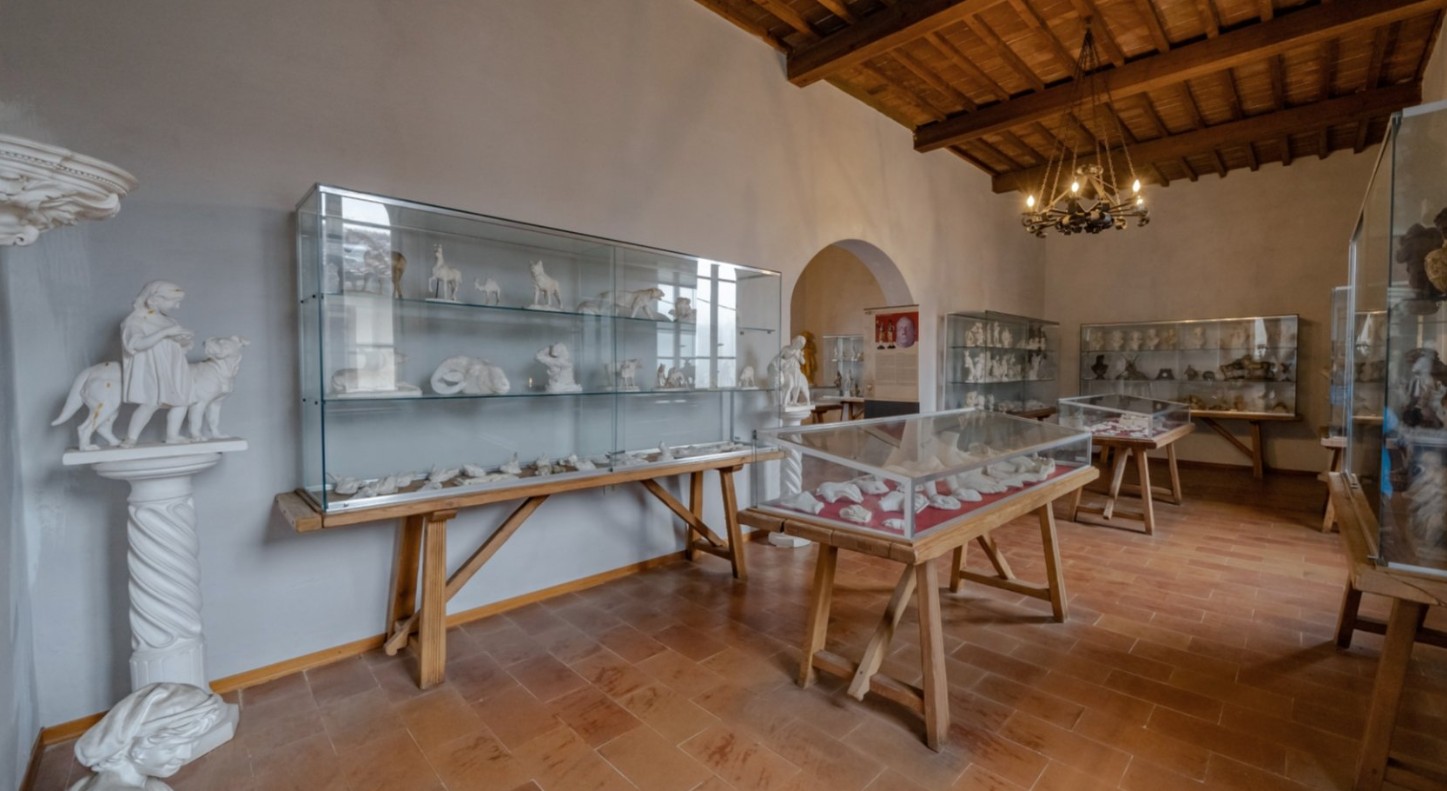
5. Provincia di Lucca: il Museo della Figurina di Gesso e dell’Emigrazione di Coreglia Antelminelli
In Toscana esistono mestieri che hanno contribuito alla fortuna di intere comunità, ma che oggi sono poco conosciuti. È il caso della produzione delle figurine di gesso a Coreglia Antelminelli, nella Media Valle del Serchio.
Il Museo della Figurina di Gesso e dell’Emigrazione racconta la storia di artigiani che realizzavano statuine e piccoli oggetti decorativi, spesso destinati alla vendita lontano dal luogo di produzione. Molti di loro partirono per altre città e altri Paesi, portando con sé le proprie competenze e cercando nuove opportunità di lavoro.
La collezione permette di conoscere i manufatti, le tecniche e gli strumenti legati a questa attività. Ma la parte più interessante è forse il legame tra artigianato ed emigrazione: dietro ogni oggetto ci sono persone, famiglie, viaggi e storie di vita.
È un museo che invita a guardare con attenzione le piccole cose, perché anche un oggetto apparentemente semplice può raccontare un capitolo importante della storia sociale italiana.
Dove si trova: Coreglia Antelminelli, provincia di Lucca.
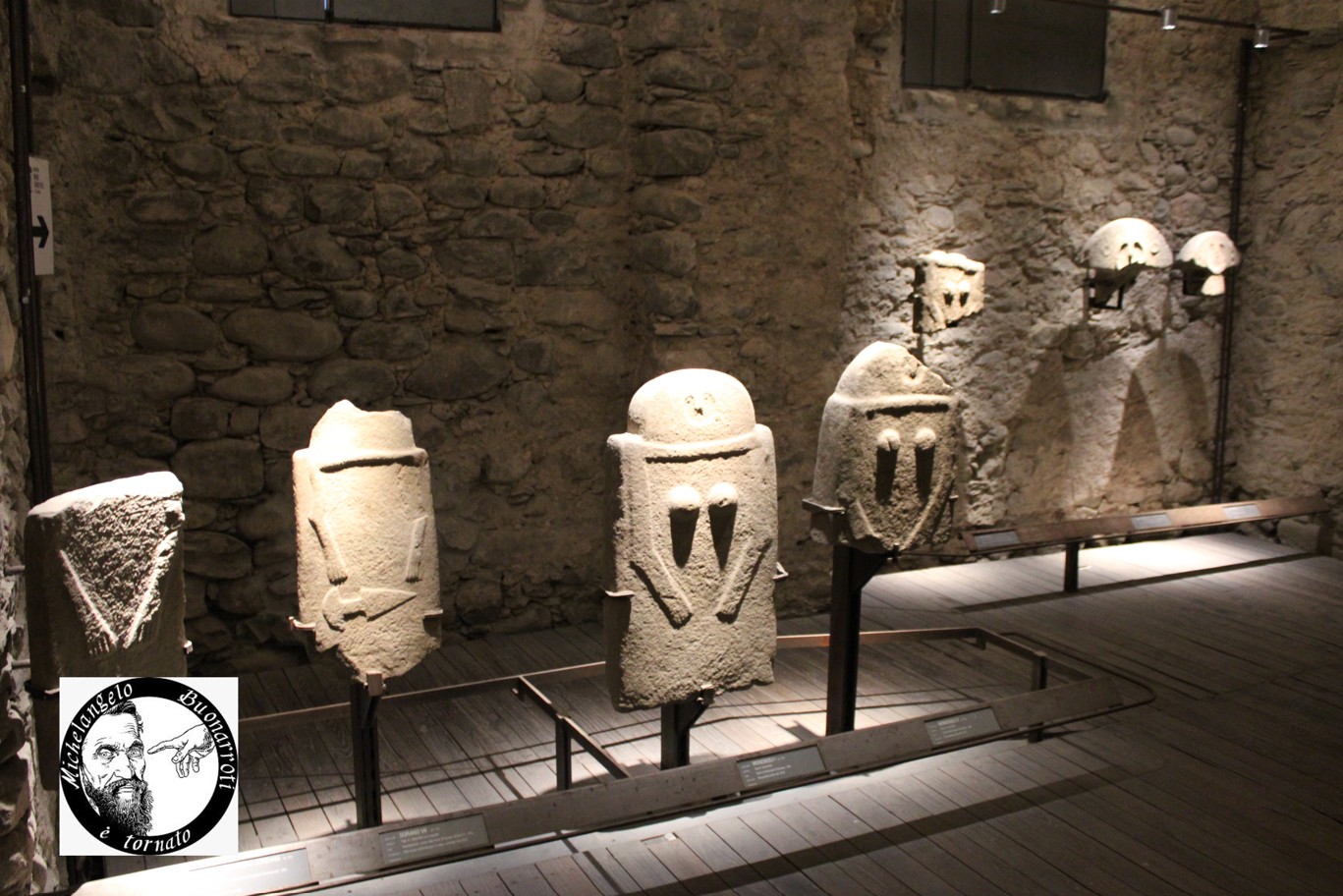
6. Provincia di Massa-Carrara: il Museo delle Statue Stele Lunigianesi di Pontremoli
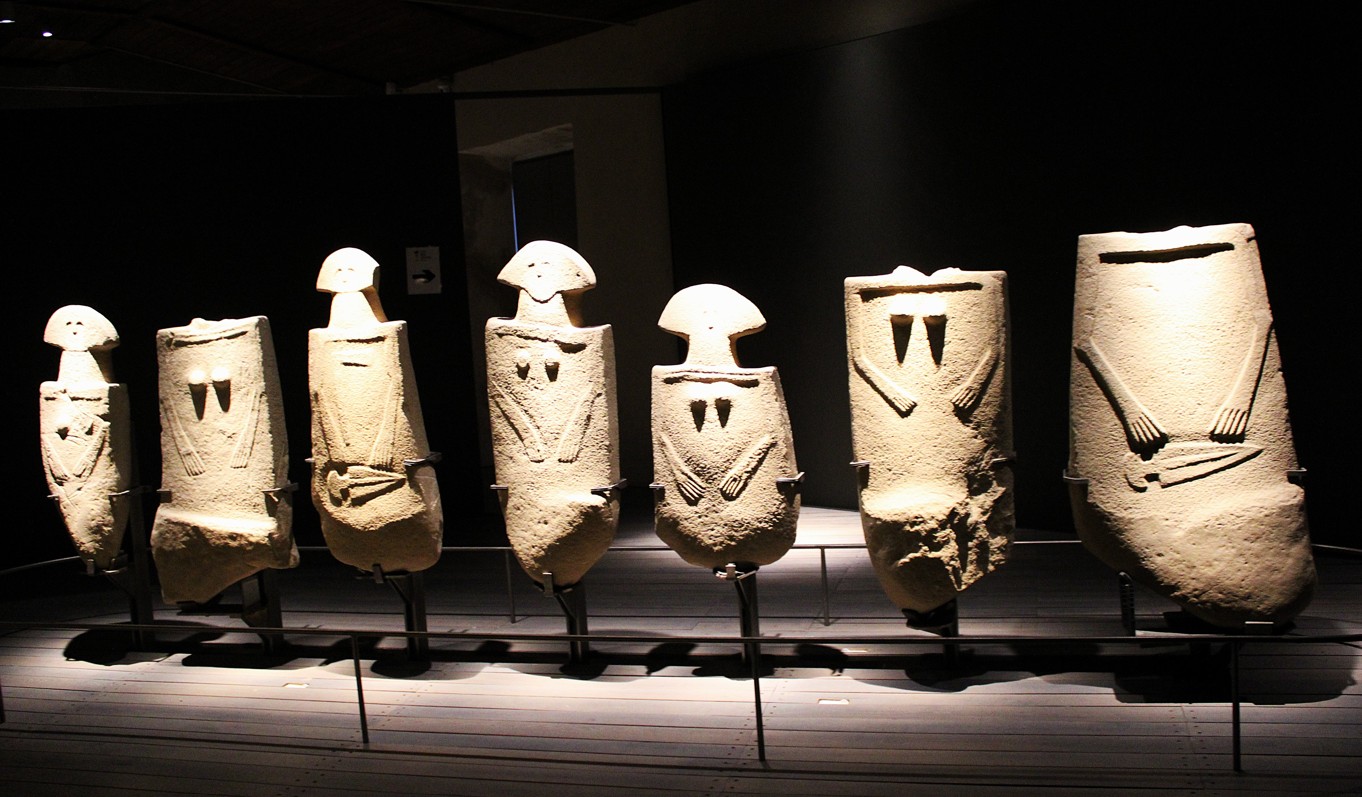
Nel Castello del Piagnaro, che domina il centro storico di Pontremoli, si conserva una delle raccolte più affascinanti della Lunigiana: il Museo delle Statue Stele Lunigianesi.
Le statue stele sono sculture in pietra realizzate in epoca preistorica e protostorica. Rappresentano figure umane attraverso forme essenziali, volti stilizzati e dettagli che, in alcuni casi, richiamano armi, ornamenti e altri attributi.
Davanti a queste presenze di pietra è naturale domandarsi chi rappresentassero e quale fosse la loro funzione. Erano figure legate al culto, alla memoria dei defunti o a personaggi importanti delle comunità? Le interpretazioni variano e non tutti gli esemplari possono essere ricondotti a un unico significato.
Il museo permette di avvicinarsi a questo patrimonio archeologico e di comprendere meglio la storia di un territorio di confine, attraversato nei secoli da popolazioni e viaggiatori.
La visita può essere abbinata a una passeggiata nel borgo di Pontremoli, tra ponti, vicoli e palazzi storici. È una meta particolarmente interessante per chi desidera scoprire una Toscana diversa da quella delle grandi città d’arte.
Dove si trova: Castello del Piagnaro, Pontremoli, provincia di Massa-Carrara.
7. Provincia di Pisa: l’Ecomuseo dell’Alabastro di Volterra
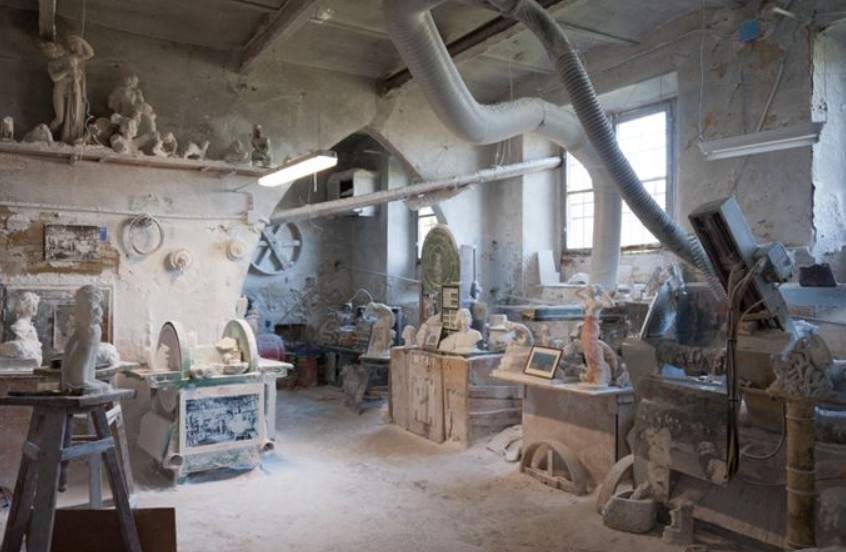
Volterra è conosciuta per le testimonianze etrusche, il teatro romano e il centro storico medievale. Meno spesso, però, si racconta quanto la lavorazione dell’alabastro abbia contribuito a definire l’identità della città.
L‘Ecomuseo dell’Alabastro permette di conoscere la storia di questa pietra chiara, apprezzata per la facilità con cui può essere lavorata e per gli effetti di luce che si possono ottenere sulle superfici. Nel tempo, gli artigiani di Volterra hanno trasformato l’alabastro in oggetti decorativi, sculture e manufatti destinati a mercati vicini e lontani.
Il percorso aiuta a comprendere il rapporto tra materia prima, strumenti, tecniche e abilità manuali. È una storia fatta di botteghe e conoscenze tramandate, ma anche di cambiamenti economici e di un’attività che ha contribuito a rendere riconoscibile Volterra ben oltre i confini della Toscana.
Dopo la visita, vale la pena osservare con occhi diversi le vetrine delle botteghe del centro: si comprenderà meglio il lavoro che si nasconde dietro un oggetto scolpito nella pietra.
Dove si trova: Volterra, provincia di Pisa.
8. Provincia di Pistoia: il Museo della Carta di Pescia
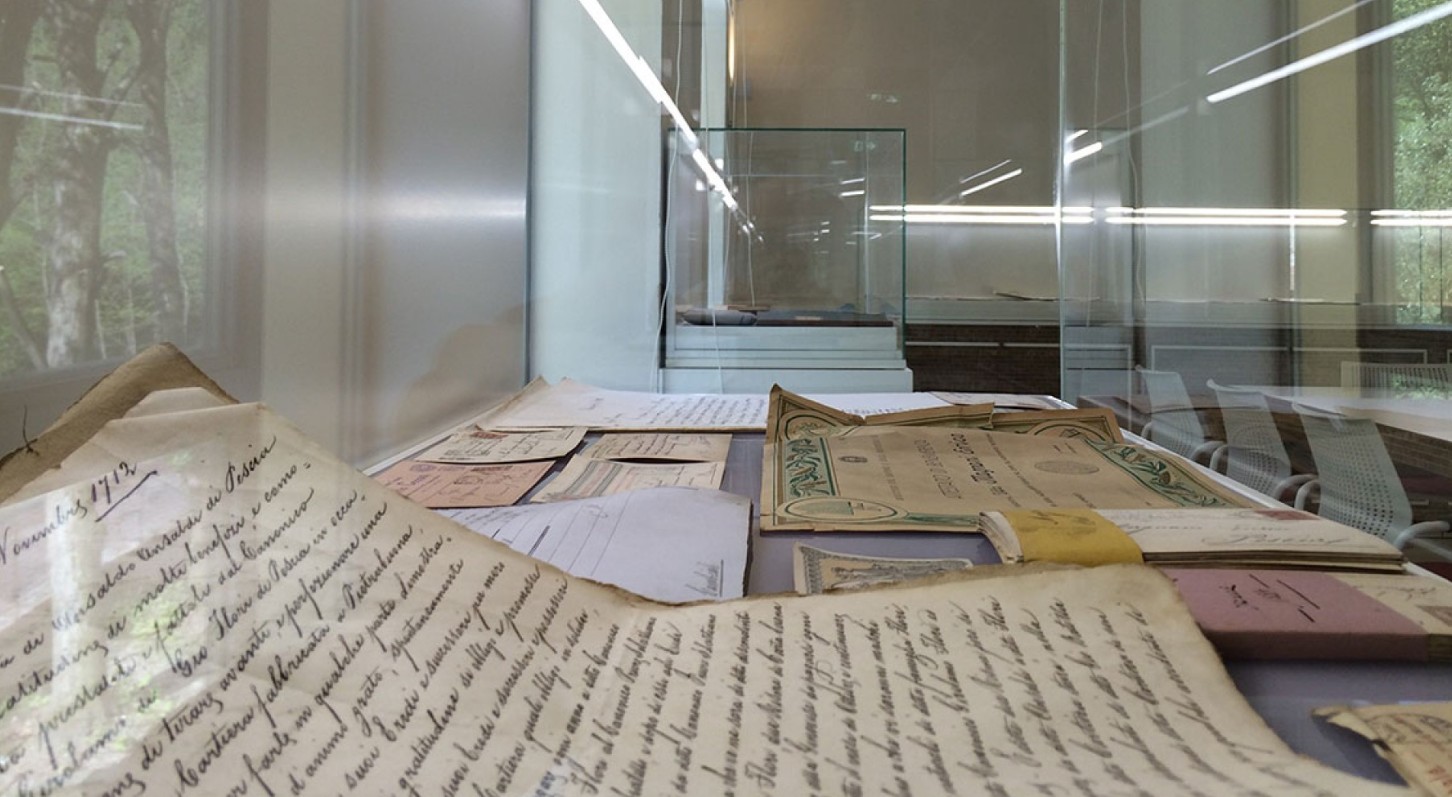
La carta accompagna la nostra vita quotidiana, ma raramente ci fermiamo a pensare alla lunga storia che si nasconde dietro un foglio. A Pescia, il Museo della Carta racconta un’attività artigianale che ha caratterizzato il territorio per secoli.
La produzione della carta fatta a mano richiedeva conoscenze tecniche, strumenti specifici e una grande abilità manuale. Ogni fase, dalla preparazione delle fibre alla formazione del foglio, contribuiva al risultato finale.
Il museo conserva testimonianze della lavorazione tradizionale e permette di comprendere l’importanza di questa attività nella storia della comunicazione scritta e della diffusione dei libri. La visita è particolarmente interessante per chi ama la storia della stampa, l’editoria e le arti applicate.
Il valore di questo luogo sta anche nel recupero della memoria di un mestiere che ha accompagnato la vita economica del territorio, dimostrando come la storia culturale non sia fatta soltanto di grandi artisti, ma anche di artigiani e competenze tramandate nel tempo.
Dove si trova: Pescia, provincia di Pistoia.
9. Provincia di Prato: il Museo della Deportazione e della Resistenza
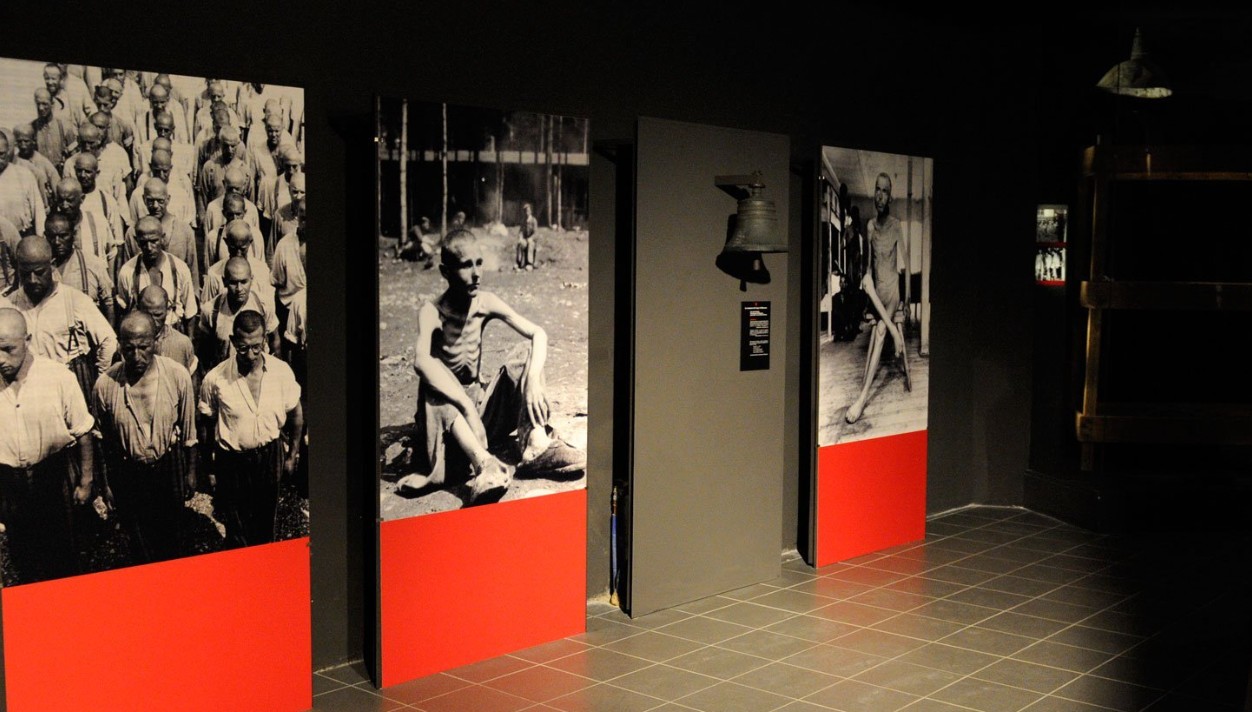
La provincia di Prato conserva un luogo della memoria che merita di essere conosciuto anche da chi visita la Toscana soprattutto per le sue città d’arte: il Museo della Deportazione e della Resistenza di Figline di Prato.
Il museo è dedicato alla memoria della deportazione nazista e fascista e alle vicende della Resistenza. Attraverso documenti, testimonianze e materiali storici, il percorso ricostruisce le esperienze di uomini e donne coinvolti nella persecuzione, nella prigionia e nella lotta contro il nazifascismo.
Non è una visita leggera, né vuole esserlo. È un luogo in cui la storia si avvicina alle persone e alle loro scelte, ricordando quanto siano importanti la libertà, la dignità umana e la trasmissione della memoria alle generazioni successive.
Inserirlo in una guida dedicata ai musei meno conosciuti significa anche riconoscere che il patrimonio culturale non comprende soltanto opere d’arte e oggetti preziosi. Comprende luoghi che aiutano a comprendere il passato e a interrogarsi sul presente.
Dove si trova: Figline di Prato, provincia di Prato.
10. Provincia di Siena: il Museo del Tartufo di San Giovanni d’Asso
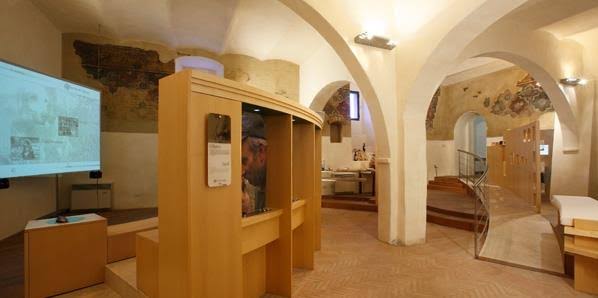
L’ultimo museo di questo itinerario racconta un aspetto particolare della cultura toscana: il legame tra il territorio e il cibo. A San Giovanni d’Asso, nel comune di Montalcino, il Museo del Tartufo è dedicato a uno dei prodotti più conosciuti delle Crete Senesi.
Il percorso accompagna il visitatore alla scoperta del tartufo, del suo ambiente naturale e delle tradizioni legate alla ricerca. Non si tratta soltanto di gastronomia: il tartufo è il risultato di una relazione complessa tra terreno, alberi, clima e competenze maturate nel tempo.
La sua ricerca richiede esperienza, conoscenza del paesaggio e capacità di riconoscere segnali che possono sfuggire a uno sguardo inesperto. Il museo racconta proprio questo patrimonio di saperi, mostrando come una tradizione locale possa diventare parte dell’identità di un territorio.
La visita si presta a essere abbinata a un itinerario tra i borghi e le campagne delle Crete Senesi, dove il paesaggio stesso è parte dell’esperienza culturale.
Dove si trova: San Giovanni d’Asso, comune di Montalcino, provincia di Siena.
Una Toscana da scoprire, provincia dopo provincia
Questi dieci musei raccontano una Toscana meno scontata, nella quale la cultura non si concentra soltanto nelle grandi città. È una regione fatta anche di piccole collezioni, archivi, botteghe, antichi mestieri e luoghi della memoria, spesso profondamente legati alle comunità che li custodiscono.
Dal diario di una persona comune alle statue stele della Lunigiana, dalla lavorazione della carta alla storia della ghisa, ogni museo offre una prospettiva diversa sul passato. Alcuni sono perfetti per una gita in famiglia, altri per chi ama l’archeologia o la storia dell’arte, altri ancora per chi desidera conoscere le radici culturali di un territorio.
Il bello è che non occorre necessariamente organizzare un lungo viaggio. Si può scegliere un museo vicino a casa, inserirlo in una passeggiata in un borgo o farne una tappa durante un fine settimana.
La prossima volta che programmi una visita in Toscana, prova a uscire dai percorsi più conosciuti. Potresti trovare proprio in un piccolo museo una storia capace di sorprenderti.
Per il momento il sempre vostro Michelangelo Buonarroti vi saluta dandovi appuntamento ai prossimi post e sui social.
Lesser-known museums in Tuscany worth visiting: 10 provinces, 10 places to discover
From the stele statues of Lunigiana to ancient artisan workshops, house-museums, unusual collections, and glimpses into everyday life—here are ten museums to visit in Tuscany, one for each province, to uncover an artistic and cultural heritage that extends far beyond the most famous destinations.
When one thinks of museums in Tuscany, the Uffizi, the Accademia Gallery in Florence, the Museo dell’Opera del Duomo in Siena, and the grand monumental complexes of Pisa immediately come to mind. Yet, by simply stepping off the beaten path, one can encounter places that tell equally compelling stories—often deeply rooted in the life of the local area.
Some museums house surprising works of art, others preserve the memory of ancient trades, while still others recount personal histories, folk traditions, and ways of life that have long since vanished. Some are located in historic palaces, others in small villages, where a visit offers the perfect opportunity to also explore the surrounding landscape.
I have selected ten museums—one for each Tuscan province—with the aim of creating a unique kind of guide. This is not a ranking of the “most important” sites, but rather an invitation to discover places that deserve a spot on any cultural itinerary.
Province of Arezzo: The Small Museum of the Diary (Piccolo Museo del Diario) in Pieve Santo Stefano
The Small Museum of the Diary in Pieve Santo Stefano grew out of the National Diary Archive. The museum preserves and shares autobiographical accounts from ordinary people—diaries, letters, memoirs, and writings—that trace the history of Italy through individual experiences.
Here, the major events of the 20th century take on a different face. War, emigration, work, personal relationships, daily struggles, and social changes emerge through the words of those who experienced them—people who were not necessarily famous.
That is precisely where its charm lies. Pages written for oneself—often without any thought of a future reader—become invaluable documents for understanding our collective history. It is a fascinating visit, especially for literature lovers in search of a museum capable of evoking deep emotion through the written word.
Location: Pieve Santo Stefano, in the province of Arezzo.
Florence: The Stibbert Museum
Florence is home to museums that can surprise even those who know the city exceptionally well. The Stibbert Museum is one such place—a collection born from the passion of Frederick Stibbert, a 19th-century collector who amassed weapons, armor, costumes, and art objects from all corners of the globe.
The exhibition path winds through evocative spaces where European and Eastern artifacts coexist. One of the most spectacular areas is the “Hall of the Cavalcade” (Sala della Cavalcata), featuring armored knights on caparisoned horses that create the vivid impression of a real parade.
The collection also includes Japanese arms and armor, items from the Islamic world, and numerous artifacts that tell the stories of diverse cultures and traditions.
This is not merely a museum dedicated to military history; it is also a portrait of a collector who sought to transform his own home into a universe of objects, memories, and traces of the past. The villa and its garden round out a visit that offers a glimpse into a less conventional side of Florence.
Location: Via Federico Stibbert, Florence.
Province of Grosseto: MAGMA in Follonica
The Maremma region is more than just the sea, medieval villages, and natural landscapes. Its history is also deeply intertwined with industry, mining, and metalworking. This chapter of history is recounted by MAGMA—the Museum of Cast Iron Arts in Maremma—housed on the site of the former Ilva plant in Follonica
The museum explores the relationship between the city and the production of cast iron—an industry that profoundly shaped the economic and social development of the region.
Through a collection of objects, documents, and exhibits, the museum reconstructs the history of a craft that extended well beyond industrial factories, influencing architecture and urban design. Cast iron was used to create decorative elements, artifacts, and structures that remain a part of our landscape to this day.
A visit to MAGMA offers a unique perspective on the Maremma, revealing how industrial labor and transformation helped forge the city’s identity.
It is a compelling destination for those with an interest in history, industrial archaeology, and the applied arts, as well as for travelers looking to learn more about the local area while vacationing along the coast.
Location: Follonica, in the province of Grosseto.
Province of Livorno: The Artistic Doll Museum in Suvereto
In the medieval village of Suvereto, located inland along the Etruscan Coast, lies a museum dedicated to an object that transcends generations and cultures: the dolls.
The Doll Art Museum offers an opportunity to view these objects not merely as toys, but as evidence of different eras, tastes, and social customs. Materials, clothing, hairstyles, and facial features evolve over time, reflecting changes in fashion and the very concept of childhood.
Dolls can be seen as small historical documents; through them, one can identify artisanal techniques, styles, and ways of representing society. Some evoke the world of childhood, while others lean more toward decorative art and craftsmanship.
The museum also provides a great reason to stop in Suvereto—one of the historic villages in the province of Livorno—and spend a few hours exploring its streets, architecture, and local traditions.
Location: Suvereto, province of Livorno.
Province of Lucca: The Museum of Plaster Figurines and Emigration in Coreglia Antelminelli
In Tuscany, there are trades that once brought prosperity to entire communities but are little known today. One such example is the production of plaster figurines in Coreglia Antelminelli, located in the Middle Serchio Valley (Media Valle del Serchio).
The Museum of Plaster Figurines and Emigration tells the story of artisans who crafted small statues and decorative objects, often intended for sale far from where they were made. Many of these craftspeople traveled to other cities and countries, taking their skills with them in search of new professional opportunities.
The collection showcases the artifacts, techniques, and tools associated with this craft. Perhaps most compelling, however, is the connection between the craftsmanship and the history of emigration: behind every object lie real people, families, journeys, and life stories. This is a museum that invites you to look closely at small things, because even an apparently simple object can tell an important chapter of Italian social history.
Location: Coreglia Antelminelli, province of Lucca.
Province of Massa-Carrara: The Museum of Lunigiana Stele Statues in Pontremoli
Housed within the Piagnaro Castle, which overlooks the historic center of Pontremoli, is one of the most fascinating collections in the Lunigiana region: the Museum of Lunigiana Stele Statues (Museo delle Statue Stele Lunigianesi).
Stele statues are stone sculptures created during prehistoric and protohistoric times. They depict human figures through essential forms, stylized faces, and details that, in some cases, represent weapons, ornaments, or other attributes.
Standing before these stone figures, it is natural to wonder whom they represented and what their purpose was. Were they linked to religious cults, the commemoration of the deceased, or perhaps significant individuals within the community? Interpretations vary, and not all the specimens can be attributed to a single, definitive meaning.
The museum offers an opportunity to engage with this archaeological heritage and gain a deeper understanding of the history of a border territory—a land traversed by various peoples and travelers throughout the centuries.
A visit can be combined with a stroll through the village of Pontremoli, with its bridges, narrow alleys, and historic buildings. It is a particularly compelling destination for those wishing to discover a side of Tuscany beyond the well-known major art cities.
Location: Piagnaro Castle, Pontremoli, province of Massa-Carrara.
Province of Pisa: The Alabaster Ecomuseum of Volterra
Volterra is well-known for its Etruscan remains, Roman theater, and medieval historic center. Less frequently discussed, however, is the extent to which the craft of alabaster carving has helped define the city’s identity. The Alabaster Ecomuseum offers insight into the history of this light-colored stone, prized for its ease of carving and the unique light effects that can be achieved on its surface. Over time, artisans in Volterra have transformed alabaster into decorative objects, sculptures, and artifacts destined for markets both near and far.
The exhibition path helps visitors understand the relationship between the raw material, the tools used, the techniques employed, and the manual skill required. It is a story of workshops and inherited knowledge, as well as one of economic shifts—a craft that has helped make Volterra recognizable far beyond the borders of Tuscany.
After your visit, it is well worth taking a fresh look at the shop windows in the town center; you will gain a deeper appreciation for the craftsmanship that lies behind an object carved from stone.
Location: Volterra, province of Pisa.
Province of Pistoia: The Paper Museum in Pescia
Paper is a constant presence in our daily lives, yet we rarely pause to consider the long history behind a single sheet. In Pescia, the Paper Museum chronicles a craft tradition that has defined the local area for centuries.
The production of handmade paper required technical expertise, specialized tools, and a high degree of manual skill. Every stage—from the preparation of the fibers to the formation of the sheet—contributed to the final result.
The museum preserves evidence of traditional production methods and offers insight into the importance of this craft in the history of written communication and the dissemination of books. A visit here is particularly rewarding for those with an interest in the history of printing, publishing, and the applied arts.
The value of this site also lies in the preservation of the memory of a trade that once played a key role in the local economy—demonstrating that cultural history is shaped not only by great artists, but also by artisans and the skills passed down through generations.
Location: Pescia, in the province of Pistoia.
Province of Prato: The Museum of Deportation and the Resistance
The province of Prato is home to a site of memory that deserves to be discovered, even by those visiting Tuscany primarily for its famous cities of art: the Museum of Deportation and the Resistance in Figline di Prato.
The museum is dedicated to the memory of Nazi and Fascist deportations and the events of the Resistance. Through documents, personal accounts, and historical artifacts, the exhibition reconstructs the experiences of men and women who endured persecution, imprisonment, and the struggle against Nazi-Fascism.
It is not a “light” visit—nor is it intended to be. It is a place where history is brought close to the individual and the choices they made, serving as a reminder of the vital importance of freedom, human dignity, and the passing on of memory to future generations.
Including this site in a guide to lesser-known museums acknowledges that cultural heritage encompasses more than just works of art or precious objects; it also includes places that help us understand the past and reflect upon the present.
Location: Figline di Prato, in the province of Prato.
Province of Siena: The Truffle Museum in San Giovanni d’Asso
The final museum on this itinerary explores a unique facet of Tuscan culture: the deep-rooted connection between the land and its food. In San Giovanni d’Asso, within the municipality of Montalcino, the Truffle Museum is dedicated to one of the most renowned products of the Crete Senesi region.
The exhibition guides visitors through the world of the truffle, exploring its natural habitat and the traditions surrounding its discovery. It is about more than just gastronomy: the truffle is the product of a complex interplay between soil, trees, climate, and expertise honed over time.
Finding truffles requires experience, a deep knowledge of the landscape, and the ability to spot subtle signs that might go unnoticed by an untrained eye. The museum chronicles this wealth of knowledge, illustrating how a local tradition can become an integral part of a region’s identity.
A visit here pairs perfectly with an excursion through the villages and countryside of the Crete Senesi, where the landscape itself is an essential part of the cultural experience.
Location: San Giovanni d’Asso, municipality of Montalcino, province of Siena.
Discovering Tuscany, province by province
These ten museums reveal a less conventional side of Tuscany—a place where culture is not confined solely to the major cities. The region is also defined by small collections, archives, workshops, traditional crafts, and sites of memory, all deeply connected to the communities that preserve them.
From the personal diary of an ordinary individual to the stele statues of Lunigiana, and from the art of papermaking to the history of cast iron, each museum offers a unique perspective on the past. Some are ideal for a family outing, others cater to enthusiasts of archaeology or art history, while some are perfect for those eager to explore the cultural roots of a specific area.
The best part is that you don’t need to plan an elaborate, long-distance trip. You can simply choose a museum close to home, incorporate it into a stroll through a historic village, or make it a stop during a weekend getaway.
Next time you plan a visit to Tuscany, consider venturing off the beaten path. You might just find a story capable of surprising you in a small museum.
For now, yours truly, Michelangelo Buonarroti, bids you farewell—see you in future posts and on social media.

Sostienici – Support Us
Se questo blog ti piace e ti appassiona, puoi aiutarci a farlo crescere sempre più sostenendoci in modo concreto condividendo i post, seguendo le pagine social e con un contributo che ci aiuta ad andare avanti con il nostro lavoro di divulgazione. . ENGLISH: If you like and are passionate about this blog, you can help us make it grow more and more by supporting us in a concrete way by sharing posts, following social pages and with a contribution that helps us to move forward with our dissemination work.
10,00 €

Condividi:


Questo sono io



sostienici

Sostienici - Support Us
Se questo blog ti piace e ti appassiona, puoi aiutarci a farlo crescere sempre più sostenendoci in modo concreto condividendo i post, seguendo le pagine social e con un contributo che ci aiuta ad andare avanti con il nostro lavoro di divulgazione. . ENGLISH: If you like and are passionate about this blog, you can help us make it grow more and more by supporting us in a concrete way by sharing posts, following social pages and with a contribution that helps us to move forward with our dissemination work.
€10,00


