

Pontremoli: il fascino silenzioso delle Statue Stele e il profumo dell’Amor
Ci sono luoghi in cui mi piace tornare più volte nel corso degli anni, per ritrovarli così come l’avevo lasciati, se possibile migliorati, e per osservarli con occhi diversi.
Mancavo da qualche anno dal Museo delle Statue Stele Lunigianesi, ospitato all’interno del Castello del Piagnaro e sentivo la voglia di rivedere da vicino quelle pietre scolpite. Volevo prendermi il tempo che magari la prima volta non avevo avuto, per osservarne i dettagli e lasciarmi di nuovo interrogare dalla loro presenza.
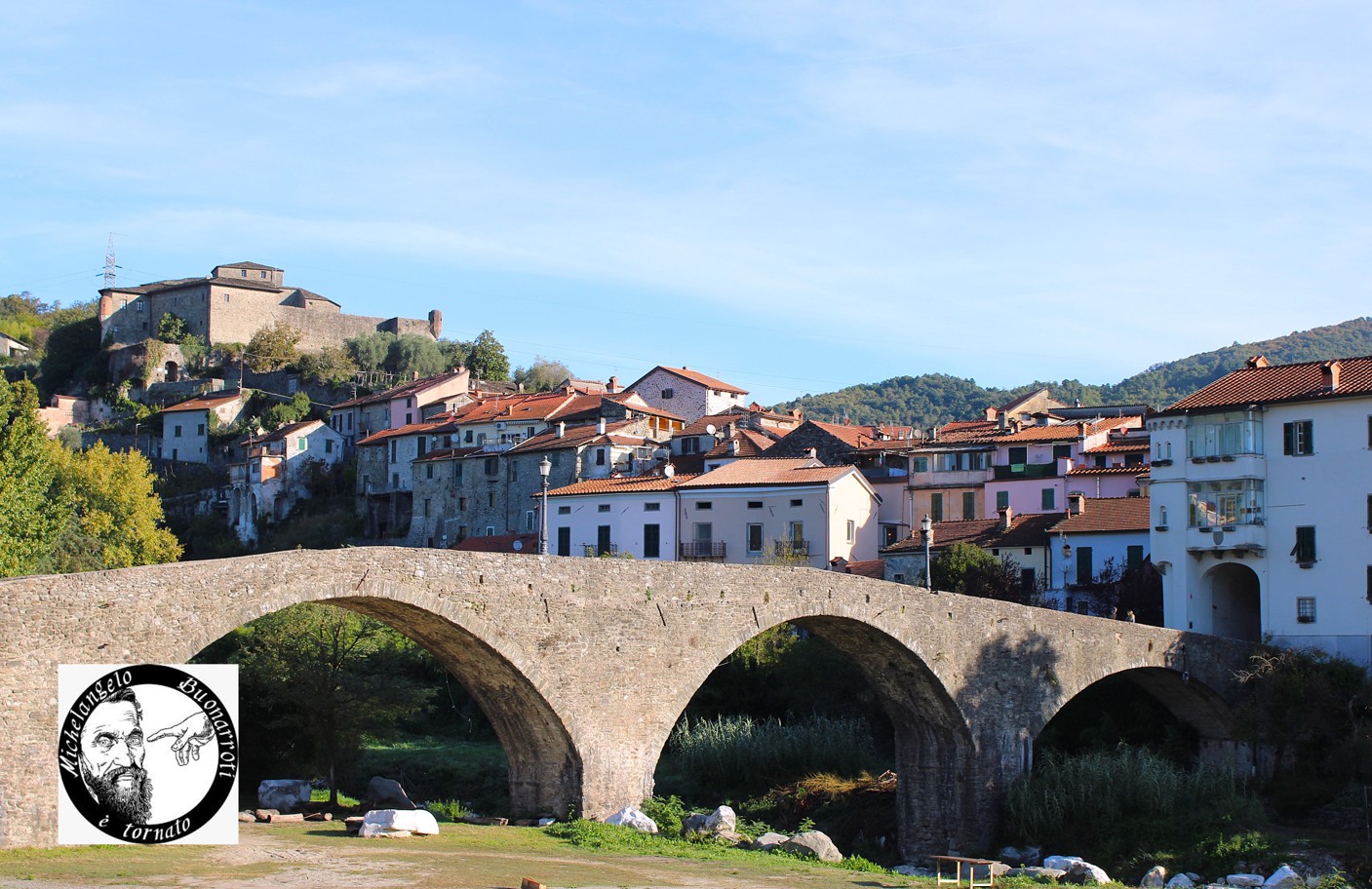
Avevo anche la voglia di regalarmi anche una bella passeggiata senza fretta nel borgo, tra i suoi ponti di pietra, fino ad allungare il passo verso la storica Pasticceria degli Svizzeri per godermi un Amor Pontremoli fatto come si deve.
Questa la magia di certi viaggi di ritorno: non ti aspetti colpi di scena, ma scopri che l’arte e la storia non sono mai immobili. Siamo noi a cambiare, e con noi cambia il modo in cui ascoltiamo quello che un posto ha da dirci.
La salita al Castello del Piagnaro
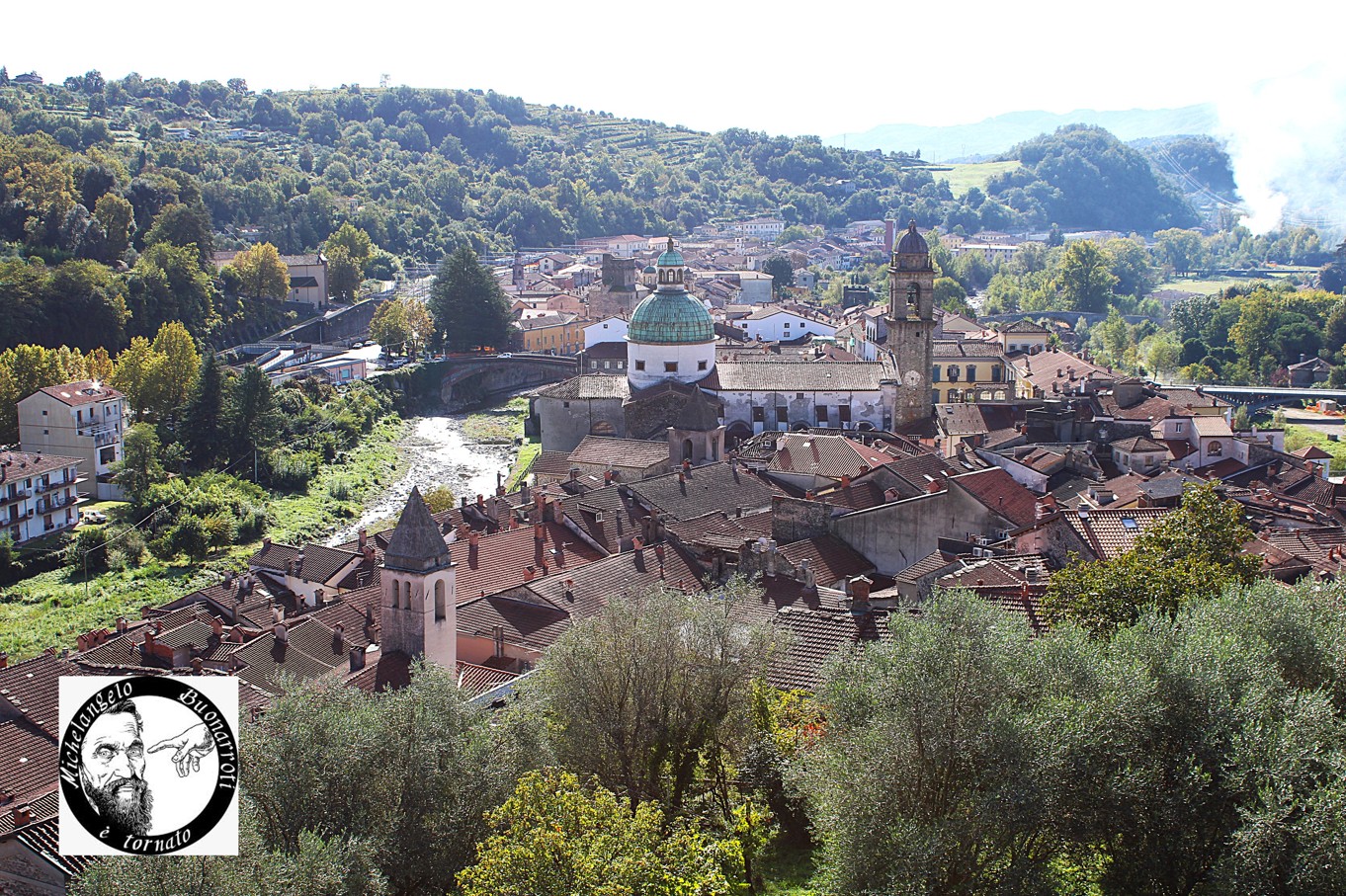
Per arrivare al museo bisogna fare una camminata in salita che attraversa la parte alta del centro storico. Strada facendo Pontremoli si svela a poco a poco: vicoli stretti, edifici storici e scorci sulle colline ricoperte di boschi.
Per chi preferisce accorciare la strada, dal centro del paese si arriva al castello comodamente anche in ascensore, ad accesso libero.
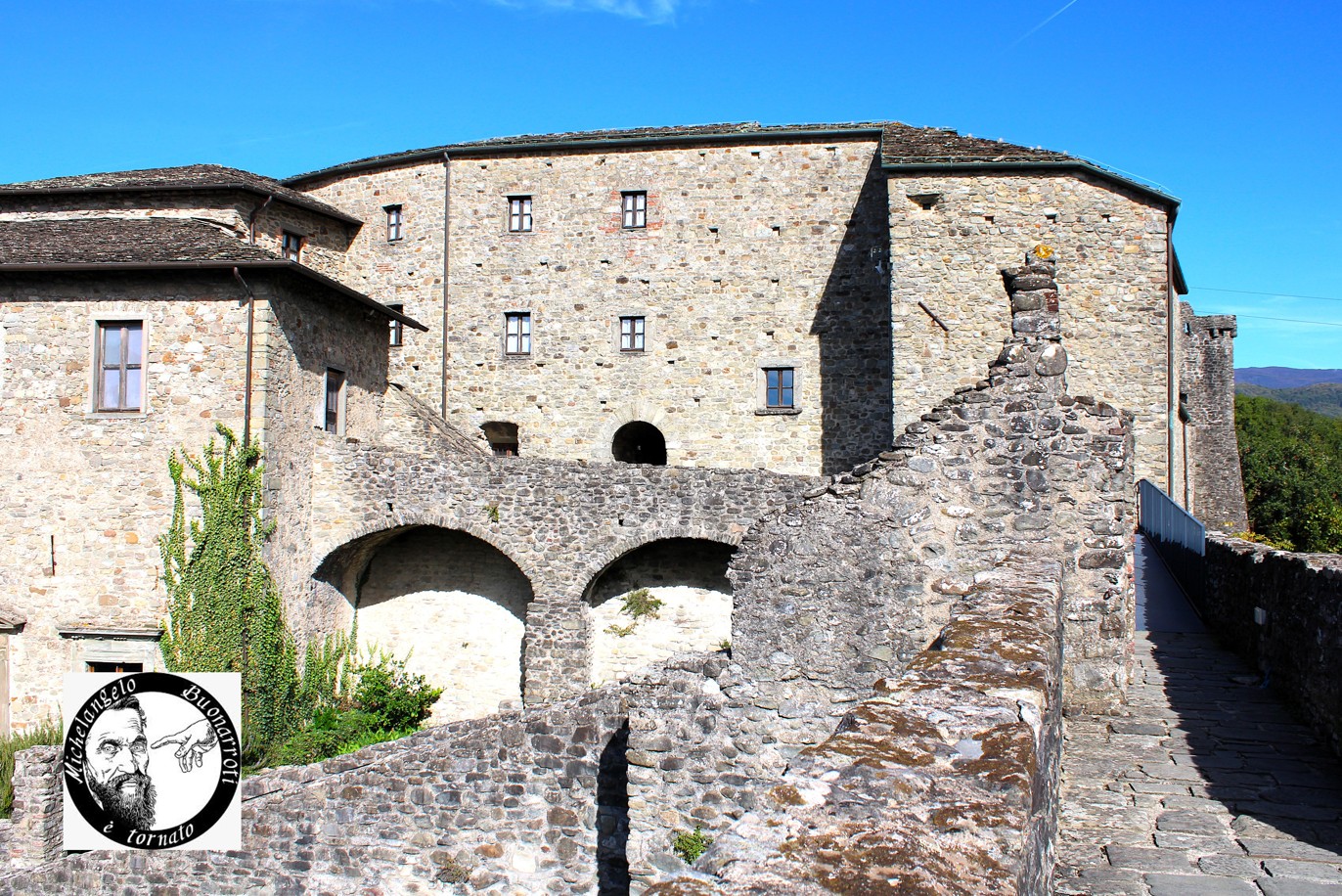
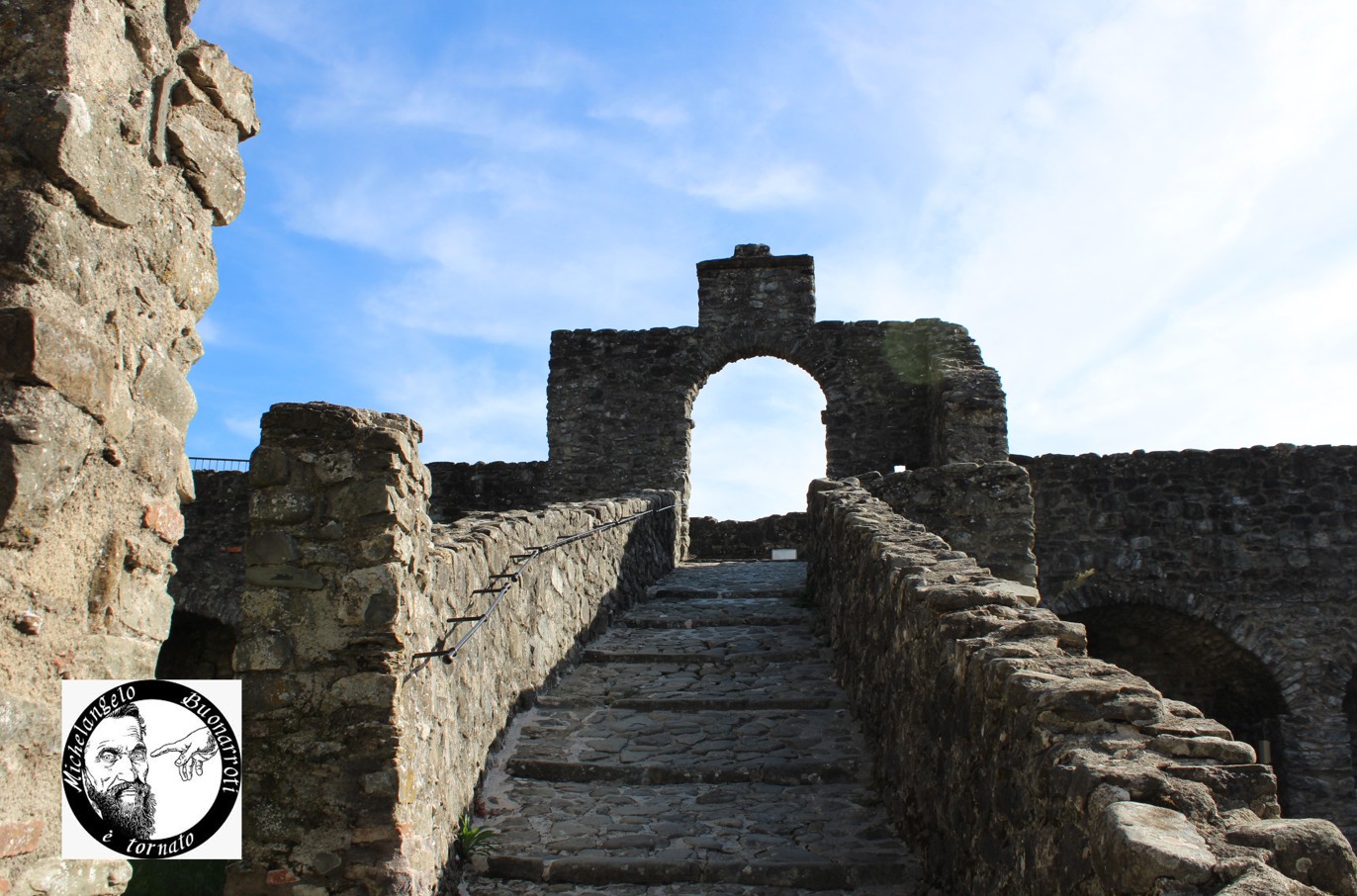
Man mano che ci si avvicina al castello, l’aria sembra quasi cambiare. Il Piagnaro è una fortezza imponente che sorge proprio dove il torrente Verde incontra il fiume Magra, in una posizione che per secoli ha controllato i passaggi tra la Pianura Padana, la costa ligure e la Toscana, lungo la Via Francigena. Il suo nome deriva dalle piagne, le lastre sottili di pietra arenaria impiegate tradizionalmente da queste parti per coprire i tetti e pavimentare le strade.
Attraversare il suo portone è un po’ come passare dal Medioevo militare a una dimensione ancora più antica e sospesa.
A tu per tu con le Statue Stele: dettagli e misteri scolpiti nell’arenaria
Il Museo delle Statue Stele è stato ridisegnato qualche anno fa con un allestimento davvero riuscito, essenziale, giocato sulle luci basse che esaltano la materia della pietra.
Le Statue Stele sono sculture antropomorfe in pietra arenaria ricavate da grandi blocchi, realizzate tra l’età del Rame (III millennio a.C.) e l’età del Ferro (VI secolo a.C.). Guardandole da vicino, ci si accorge di come la lavorazione sia cambiata nei secoli e di quanti dettagli parlino della vita e del pensiero di chi le ha scolpite.
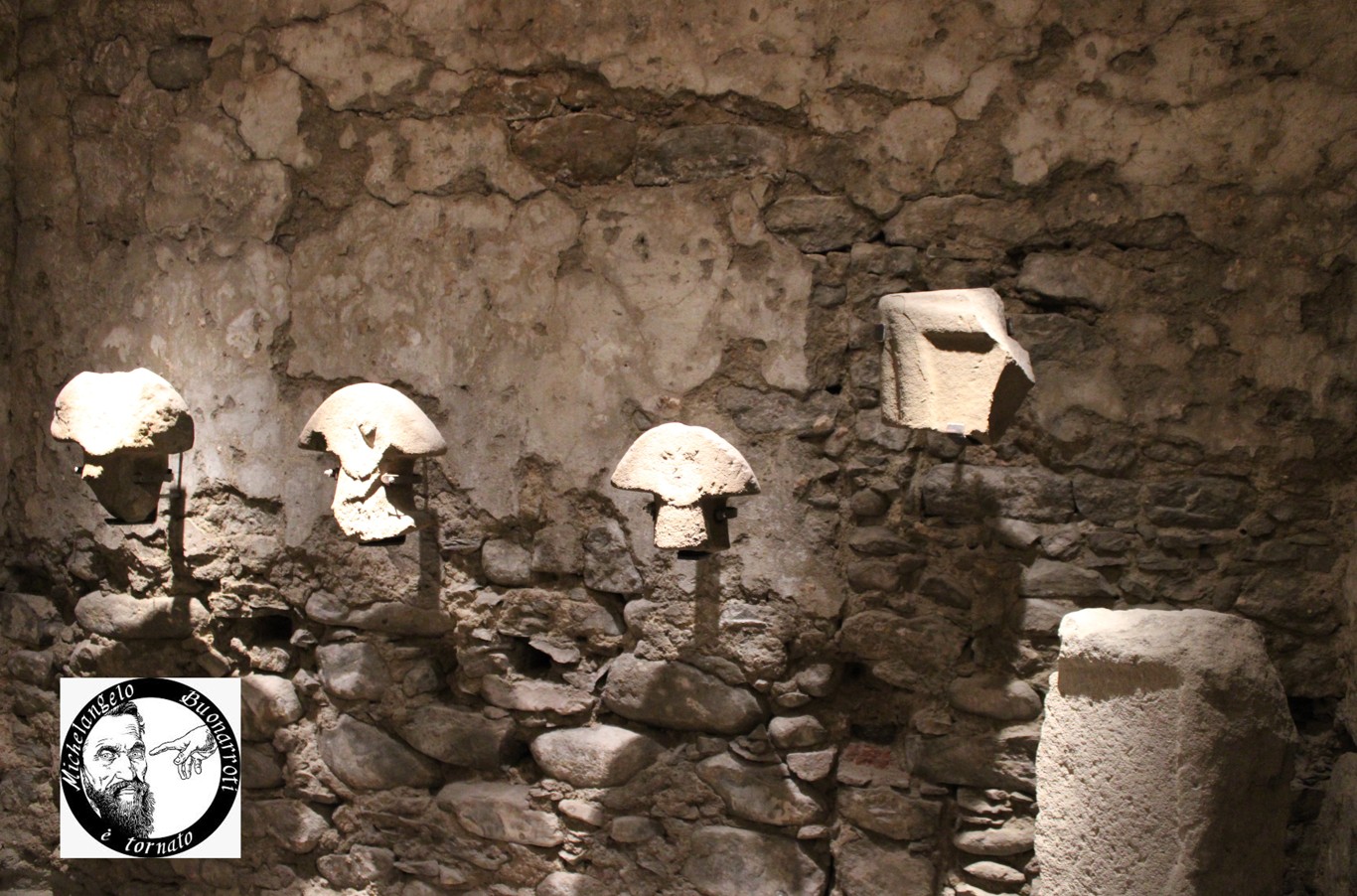
I tratti del volto e le teste a “cappello”
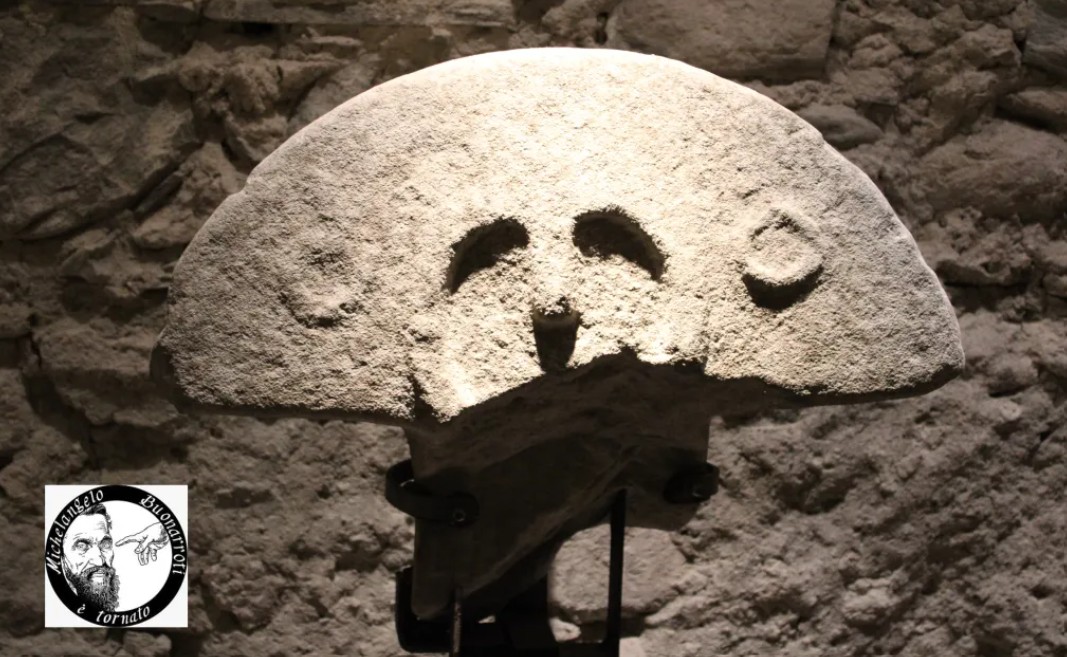
Nei modelli più antichi (il cosiddetto Gruppo A) la testa non è staccata dal corpo, ma forma un unico blocco tronco-conico in cui i tratti del viso sono ridotti al minimo: una semplice T in rilievo che unisce la linea delle sopracciglia a quella del naso. Salendo con i secoli (Gruppo B), la testa assume la celebre forma a “cappello da carabiniere” o a semiluna, sorretta da un collo ben definito, con occhi scavati a piccolo foro o a solco circolare.
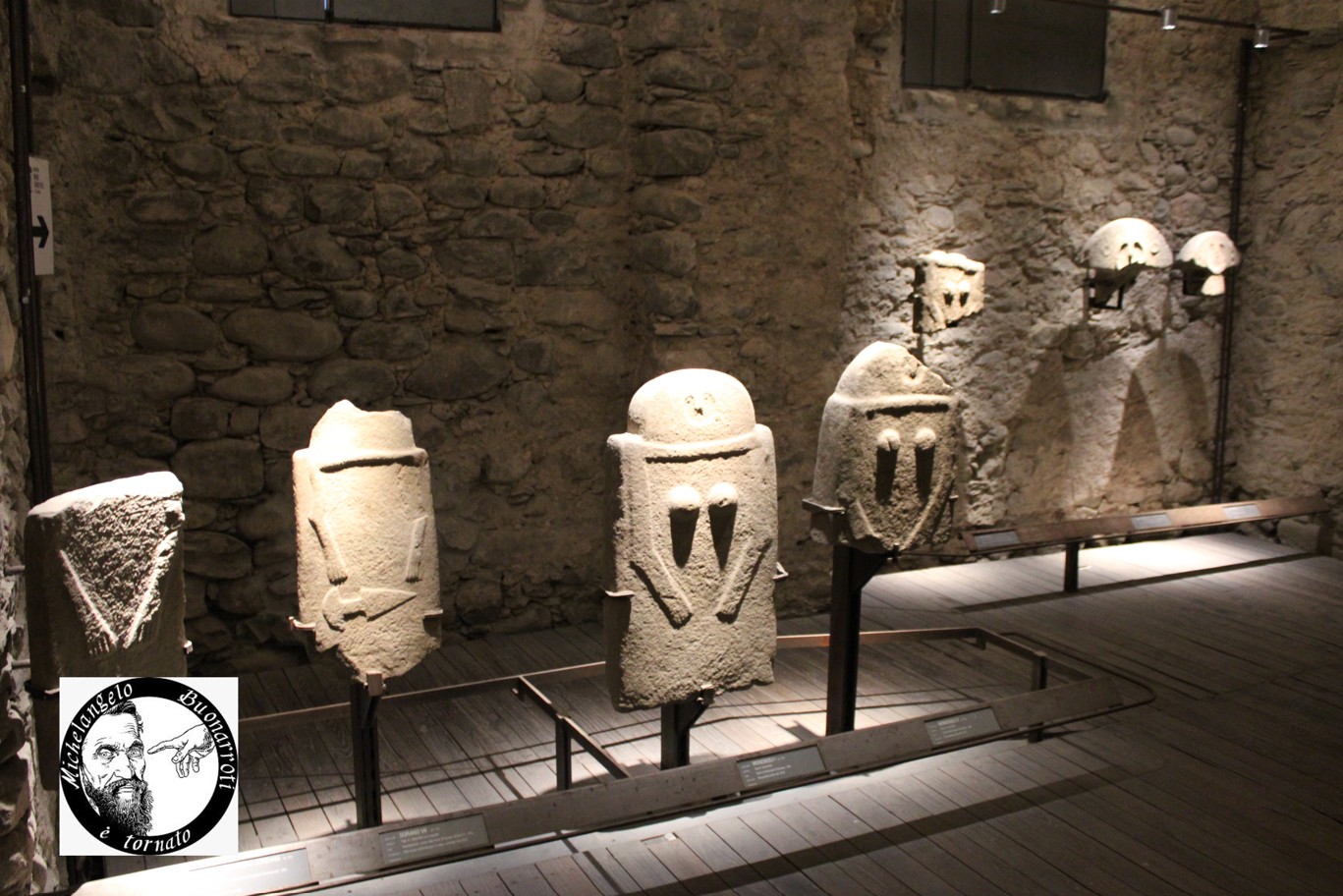
Le armi e gli attributi maschili
Molte stele maschili colpiscono per la precisione delle armi scolpite in bassorilievo. Sotto le mani, giunte sulla pancia, si notano chiaramente pugnali a lama triangolare con costolatura centrale, e in alcuni casi asce con il manicotto di legno ben sagomato. In quelle più recenti (Gruppo C), compaiono persino cinture, spadini e giavellotti finemente incisi.
Gli ornamenti femminili e la maternità
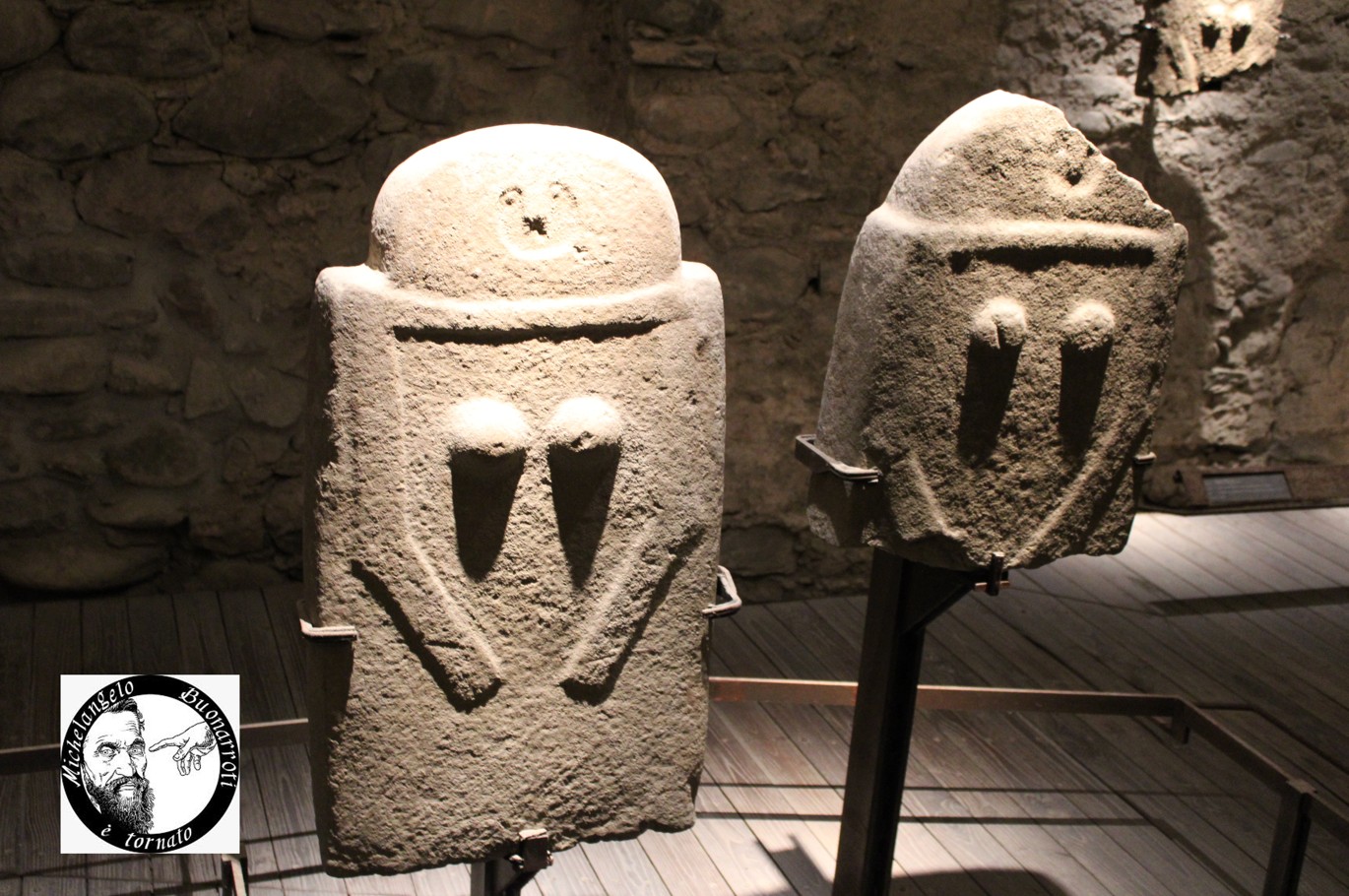
Le statue staccatamente femminili sono facilmente riconoscibili per i seni resi con piccoli rilievi sferici. Alcune mostrano anche collane e monili incisi attorno al collo, pendenti a forma di “U” o fasce rigide che ci dicono molto sull’abbigliamento rituale o sul rango sociale delle donne dell’epoca.
Le iscrizioni etrusche e la Stele di Zignago
Tra i pezzi più affascinanti del percorso ci sono quelli appartenenti al Gruppo C, dove il corpo è oramai tridimensionale e plastico. Qui la pietra conserva brevi frammenti scritti in alfabeto etrusco settentrionale: righe di testo incise direttamente sulla superficie di arenaria che ci testimoniano come queste pietre fossero utilizzate e considerate sacre anche secoli dopo la loro prima fattura.
Rimane aperto il grande interrogativo: perché venivano fatte? Erano segnacoli funerari per guerrieri o capi tribù? Raffiguravano antenati divinizzati posti a guardia di valichi, corsi d’acqua e boschi sacri? O forse divinità legate alla fertilità della terra?
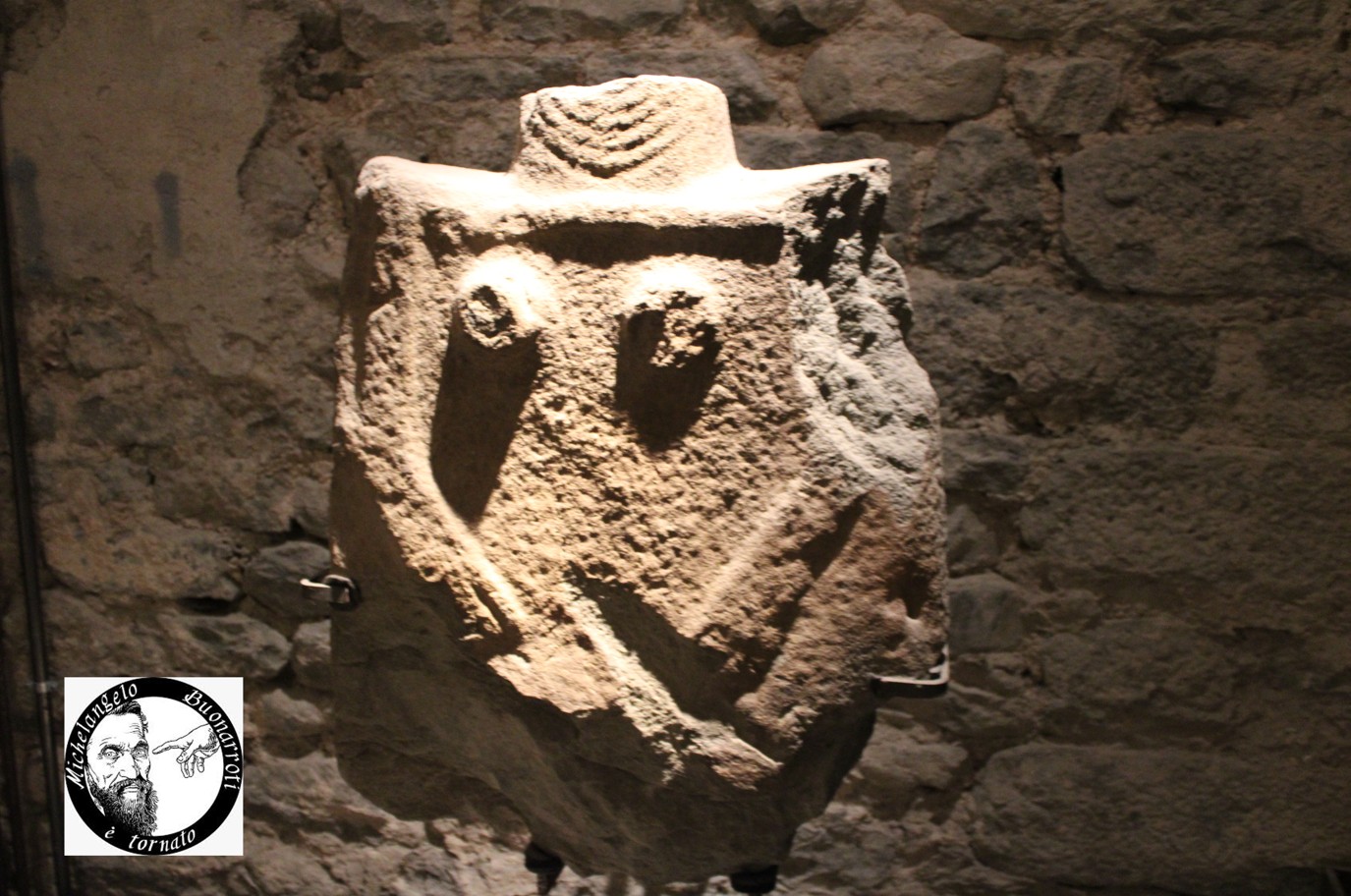
Nessuno lo sa con certezza assoluta. Nella loro sintesi geometrica e primordiale c’è qualcosa che ricorda da vicino la grande scultura moderna del Novecento, pensiamo a Modigliani o a Brâncuși, come se l’uomo, per dire l’essenziale, avesse sempre bisogno delle stesse forme.
Pontremoli, la Via Francigena e la dolce pausa alla Pasticceria degli Svizzeri
Dopo la quiete densa del museo, fare due passi per il borgo è il modo migliore per far “decantare” le impressioni della visita.
Pontremoli è una cittadina legata a doppio filo all’acqua. Camminare lungo il fiume Magra, attraversare il Ponte della Ceva o percorrere le stradine che portano alle piazze barocche fa capire perché per secoli questo luogo sia stato un punto di riposo fondamentale lungo la Via Francigena, già indicata nel X secolo dall’arcivescovo Sigerico col nome di Pons Tremulus.
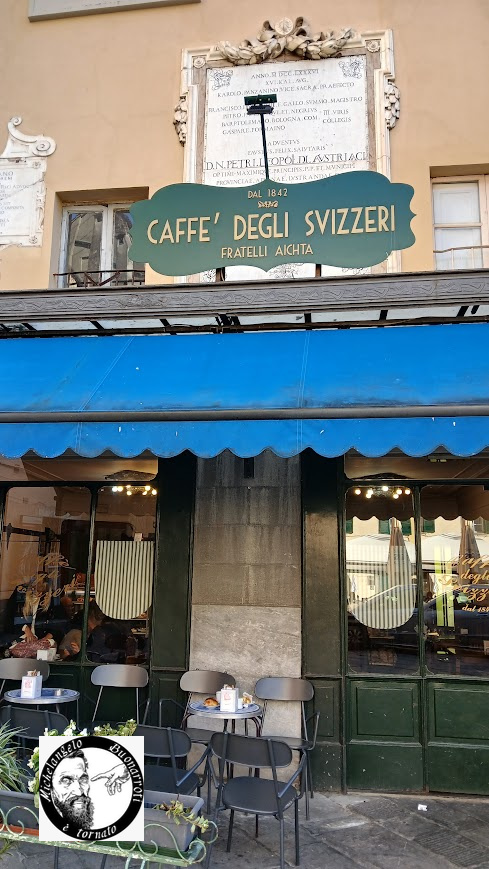
Tra una chiacchiera e una fotografia, la conclusione perfetta di questa giornata non poteva che essere una sosta golosa. La Pasticceria degli Svizzeri, affacciata su Piazza della Repubblica, è un pezzo di storia cittadina. Nata nell’Ottocento quando alcune famiglie di pasticceri arrivarono dal Cantone dei Grigioni portando la loro arte in Lunigiana, mantiene arredi in legno d’epoca e un’atmosfera calda, lontana dalle pasticcerie moderne ed omologate.
Mi sono seduta a degustare la loro specialità: l’Amor.
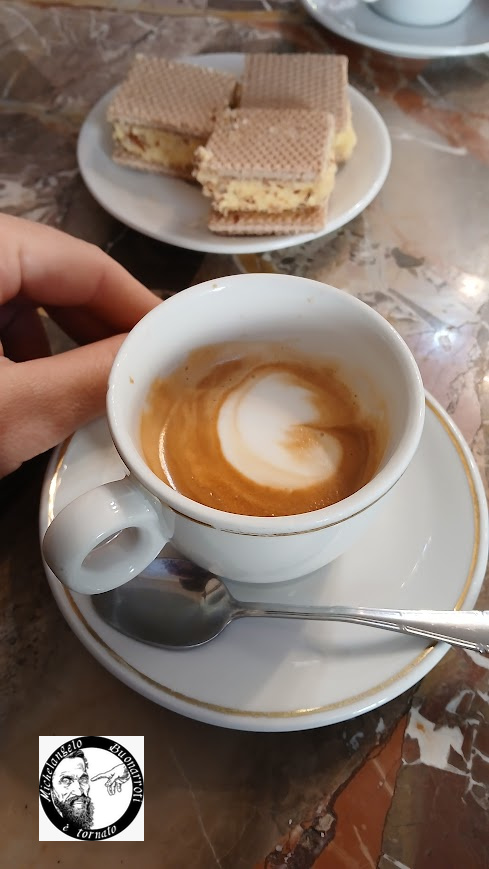
Due cialde sottilissime, fragranti e leggermente dorate, che mantengono racchiusa una crema al burro delicata, morbida, profumata di vaniglia. Un dolce semplice nell’idea ma difficilissimo da bilanciare, che racchiude in un morso il senso dell’accoglienza di queste terre.
Il valore di ritornare
Tornare al Castello del Piagnaro mi ha confermato una cosa: non serve correre sempre verso mete lontane o sconosciute per vivere un’esperienza d’arte profonda. A volte basta ritornare dove si è già stati, camminare con meno premura e lasciarsi sorprendere da quanto le cose abbiamo da raccontarci se solo decidiamo di dedicar loro un po’ del nostro tempo.
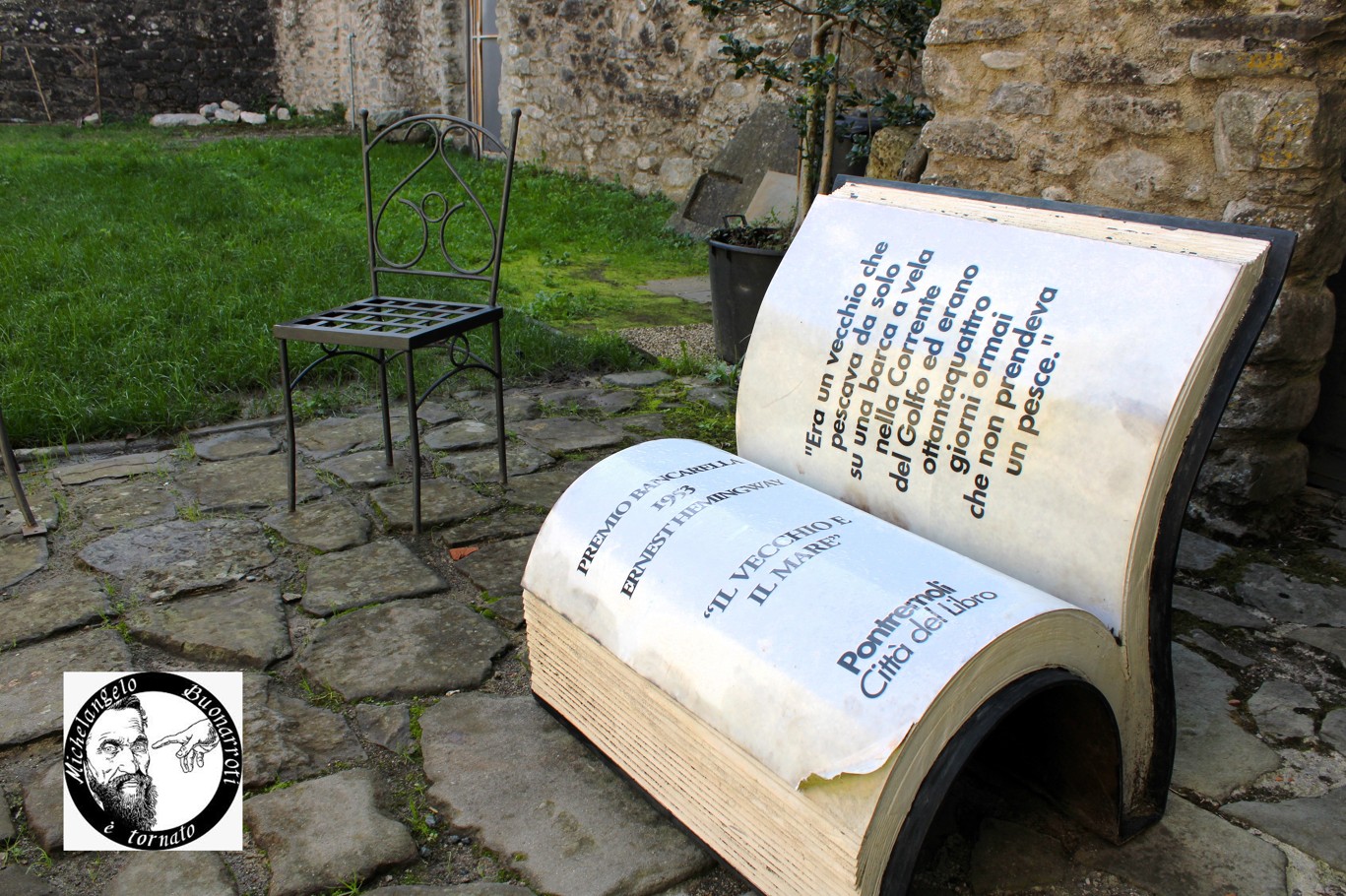
Se non siete mai stati a Pontremoli, o se mancate da un po’, regalatevi una giornata qui: tra il mistero millenario delle Statue Stele, la pietra antica del castello e la dolcezza di un Amor, scoprirete che ci sono posti capaci di ricaricarvi il cuore e la mente.
Per il momento il sempre vostro Michelangelo Buonarroti vi saluta dandovi appuntamento ai prossimi post e sui social.

Pontremoli: the silent charm of the Stele Statues and the aroma of Amor
There are places I enjoy returning to time and again over the years—to find them just as I left them, or perhaps even improved, and to view them with fresh eyes.
It had been a few years since my last visit to the Museum of the Lunigiana Stele Statues, housed within the Castello del Piagnaro, and I felt a desire to see those carved stones up close once more. I wanted to take the time—perhaps more than I had on my first visit—to examine their details and let their presence stir my curiosity anew.
I also looked forward to a leisurely stroll through the town, crossing its stone bridges, and eventually making my way to the historic Pasticceria degli Svizzeri to enjoy a proper Amor Pontremoli pastry.
This is the magic of returning to certain places: you don’t expect any dramatic surprises, yet you discover that art and history are never truly static. It is we who change, and with us, the way we listen to what a place has to tell us.
The ascent to Castello del Piagnaro
Reaching the museum requires an uphill walk through the upper part of the historic center. Along the way, Pontremoli reveals itself bit by bit: narrow alleyways, and historic buildings, with glimpses of wooded hills in the distance.
For those who prefer a shorter route, there is also a public elevator from the town center that takes you comfortably up to the castle.
As you draw closer to the castle, the very air seems to change. The Piagnaro is an imposing fortress situated exactly where the Verde stream meets the Magra River—a strategic location that, for centuries, controlled the routes between the Po Valley, the Ligurian coast, and Tuscany along the Via Francigena. Its name derives from piagne: thin sandstone slabs traditionally used in this region for roofing and paving streets.
Passing through its gateway feels like stepping out of the military Middle Ages and into an even more ancient, suspended realm.
Face-to-face with the Stele Statues: details and mysteries carved in sandstone
The Museum of the Stele Statues was redesigned a few years ago with a highly effective, minimalist layout that utilizes low lighting to accentuate the texture of the stone.
The Stele Statues are anthropomorphic sandstone sculptures, hewn from large blocks and created between the Copper Age (3rd millennium BC) and the Iron Age (6th century BC). A close inspection reveals how the craftsmanship evolved over the centuries, with numerous details offering insight into the lives and worldviews of those who carved them.
Facial features and “hat-like” heads
In the oldest examples (the so-called Group A), the head is not distinct from the body; instead, it forms a single, truncated-conical block. Facial features are kept to a bare minimum—a simple, raised “T” shape connecting the brow line to the nose. In later periods (Group B), the head takes on its characteristic “carabiniere-hat” or crescent-moon shape, supported by a clearly defined neck, with eyes rendered as small, drilled holes or circular grooves. Weapons and Masculine Attributes
Many of the male stelae are striking for the precision with which weapons are carved in bas-relief. Below the hands, clasped over the abdomen, one can clearly discern daggers with triangular blades and a central rib—and, in some instances, axes with well-defined wooden hafts. In the more recent examples (Group C), one even finds finely incised belts, short swords, and javelins.
Feminine Ornaments and Motherhood
Statues representing women are easily identified by breasts rendered as small, spherical reliefs. Some also feature necklaces and ornaments carved around the neck—U-shaped pendants or rigid bands—which offer significant insight into the ritual attire or social status of women from that era.
Etruscan Inscriptions and the Zignago Stele
Among the most fascinating pieces in the collection are those belonging to Group C, where the figures have taken on a three-dimensional, sculptural form. Here, the stone bears brief fragments of text written in the Northern Etruscan alphabet—lines incised directly into the sandstone surface, revealing that these stones remained in use and were regarded as sacred long after they were first created.
A major question remains: why were they made? Were they funerary markers for warriors or tribal chieftains? Did they represent deified ancestors, placed to stand guard over mountain passes, waterways, or sacred groves? Or were they perhaps deities associated with the fertility of the earth?
No one knows for certain. In their geometric and primordial synthesis, there is something that closely recalls the great modern sculpture of the twentieth century—think of Modigliani or Brâncuși—as if, in order to express what is essential, humanity has always relied upon the same forms.
Pontremoli, the Via Francigena, and a delightful break at the Pasticceria degli Svizzeri
After the profound stillness of the museum, taking a stroll through the town is the best way to let the impressions of the visit “settle.”
Pontremoli is a town inextricably linked to water. Walking along the Magra River, crossing the Ponte della Ceva, or wandering through the narrow streets that lead to its Baroque squares, one understands why, for centuries, this place served as a vital resting point along the Via Francigena—a route already documented in the 10th century by Archbishop Sigeric under the name Pons Tremulus.
Between casual conversation and taking photographs, the perfect conclusion to the day had to be a delicious treat. The Pasticceria degli Svizzeri, overlooking Piazza della Repubblica, is a piece of the town’s history. Established in the 19th century—when families of pastry chefs arrived from the Canton of Graubünden, bringing their craft to the Lunigiana region—it still features its original wooden furnishings and a warm, inviting atmosphere, a far cry from the standardized, modern pastry shops of today.
I sat down to taste their specialty: the Amor.
It consists of two paper-thin, fragrant, golden-brown wafers encasing a delicate, soft buttercream infused with vanilla. While the concept is simple, achieving the perfect balance is incredibly difficult; in a single bite, it captures the very essence of the hospitality found in these lands.
The Value of Returning
Returning to the Castello del Piagnaro confirmed one thing: you don’t always need to rush off to distant or unknown destinations to have a profound artistic experience. Sometimes, it is enough to return to a place you have already visited—to walk with less haste and allow yourself to be surprised by how much things have to tell us, if only we choose to dedicate a little of our time to them. If you have never been to Pontremoli, or if it has been a while since your last visit, treat yourself to a day here: between the ancient mystery of the Statue Stele (stele statues), the weathered stone of the castle, and the sweetness of an Amor pastry, you will discover that some places have the power to recharge both your heart and your mind.
For now, yours truly, Michelangelo Buonarroti, bids you farewell—until the next posts and over on social media.

Sostienici – Support Us
Se questo blog ti piace e ti appassiona, puoi aiutarci a farlo crescere sempre più sostenendoci in modo concreto condividendo i post, seguendo le pagine social e con un contributo che ci aiuta ad andare avanti con il nostro lavoro di divulgazione. . ENGLISH: If you like and are passionate about this blog, you can help us make it grow more and more by supporting us in a concrete way by sharing posts, following social pages and with a contribution that helps us to move forward with our dissemination work.
10,00 €

Condividi:


Questo sono io





sostienici

Sostienici - Support Us
Se questo blog ti piace e ti appassiona, puoi aiutarci a farlo crescere sempre più sostenendoci in modo concreto condividendo i post, seguendo le pagine social e con un contributo che ci aiuta ad andare avanti con il nostro lavoro di divulgazione. . ENGLISH: If you like and are passionate about this blog, you can help us make it grow more and more by supporting us in a concrete way by sharing posts, following social pages and with a contribution that helps us to move forward with our dissemination work.
€10,00


